
Navigating HVAC Challenges for High Rise Condo Owners in Atlantic Station
Living in a high-rise condo in Atlantic Station means enjoying stunning skyline views and walkable urban amenities. It also means dealing with a unique HVAC system that operates differently from the single-family homes you might be familiar with. Your condo’s heating and cooling setup typically relies on water source heat pumps connected to a central cooling tower rather than traditional split systems. This specialized infrastructure requires specific maintenance knowledge and presents distinct challenges that many new Atlantic Station residents discover only when something goes wrong. The Only HVAC Maintenance Plan Dunwoody Homeowners Actually Need.
The humid Atlanta climate puts extra stress on these systems. Your heat pump works harder to remove moisture from the air and must efficiently reject heat to the cooling tower during our long summer months. Understanding how your system works and what maintenance it needs can save you from uncomfortable breakdowns and costly emergency repairs. This guide walks you through the essential information every Atlantic Station condo owner needs to keep their HVAC system running smoothly year-round. EPA Indoor Air Quality Guidelines.

Understanding Your Condo’s Water Source Heat Pump System
Most high-rise buildings in Atlantic Station use water source heat pumps instead of the air source units common in single-family homes. Your unit contains a heat pump that transfers heat between your living space and a closed water loop that runs throughout the building. During cooling mode, the heat pump extracts heat from your air and transfers it to the water loop. During heating mode, it extracts heat from the water to warm your space.
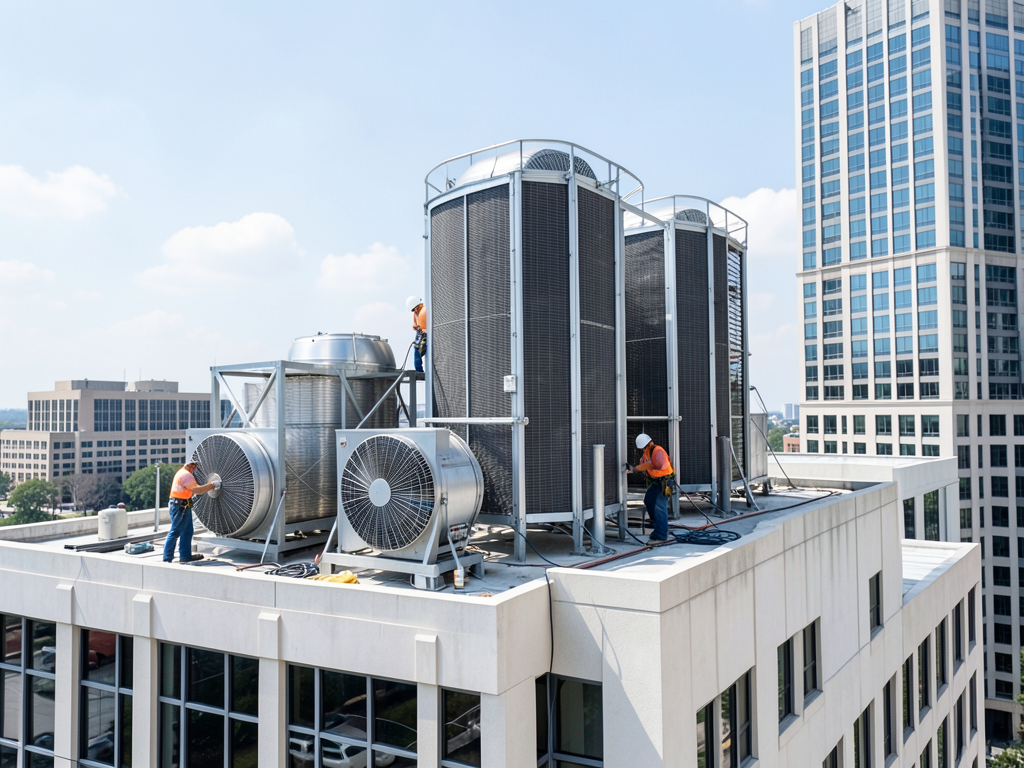
The building’s cooling tower sits on the roof and constantly removes heat from the water loop during Atlanta’s warm months. This tower uses fans to evaporate water and reject heat to the outside air. The system’s efficiency depends on proper water chemistry, clean coils, and adequate airflow through the tower. When the cooling tower struggles, every unit in the building feels the impact through reduced cooling capacity and higher energy bills.
Fan coil units in each condo handle the actual air distribution. These units contain a coil through which the building’s water flows, plus a blower that moves air across the coil. The fan coil’s performance affects your comfort level, indoor air quality, and energy consumption. Regular maintenance of these components prevents the most common condo HVAC problems. Improving the Air Quality in Your Brookhaven Home During Pollen Season.
Common HVAC Problems in Atlantic Station High-Rises
Condensation line issues plague many Atlantic Station condo owners. Your fan coil unit produces condensation that must drain properly through building plumbing. When condensate lines clog with algae or debris, water backs up and can leak into your unit or the one below you. These leaks cause ceiling damage, mold growth, and expensive repairs that building management often holds unit owners responsible for.
Cooling tower performance directly impacts your comfort during Atlanta’s brutal summers. The tower must reject enough heat to keep the water loop cool. When tower fans fail, water chemistry gets out of balance, or scale builds up on heat exchange surfaces, the entire system loses capacity. You might notice your unit runs constantly but barely cools your space, or that different floors experience different temperatures due to tower inefficiencies.
Water loop contamination affects system efficiency and can damage your heat pump. The closed-loop water picks up debris, develops bacterial growth, or becomes chemically imbalanced over time. Poor water quality reduces heat transfer efficiency, increases pump wear, and can lead to premature system failure. Annual water testing and treatment prevent these issues but many buildings skip this crucial maintenance step.
Thermostat calibration problems are surprisingly common in high-rise buildings. Your unit might read temperatures incorrectly, cycle too frequently, or fail to maintain consistent comfort levels. These issues often stem from poor installation, sensor drift, or interference from nearby heat sources. A properly calibrated thermostat can reduce your energy consumption by 10-15% while improving comfort.
Essential Maintenance Tasks for Condo Owners
Filter replacement frequency matters more in high-rise buildings than in single-family homes. Your fan coil unit typically uses MERV 8 to MERV 11 filters that capture pollen, dust, and other Atlanta air pollutants. In our humid climate, these filters clog faster than in drier regions. Replace your filter every 30-45 days instead of the standard 60-90 day interval. Clean filters improve airflow, reduce strain on your system, and maintain better indoor air quality during high pollen seasons.
Condensate line cleaning prevents the most common and destructive condo HVAC problem. Pour a cup of white vinegar into your condensate drain line access point every three months. This natural cleaning solution kills algae growth and prevents clogs. If you notice water pooling around your fan coil unit, the line needs immediate attention. Some buildings install condensate pumps that can fail and cause flooding if not maintained properly.
Coil cleaning directly impacts system efficiency. Your fan coil’s evaporator and condenser coils collect dust and debris that reduce heat transfer. Professional coil cleaning every 12-18 months removes buildup and restores efficiency. Dirty coils can increase energy consumption by 30% and shorten equipment life by several years. Look for technicians who use non-acidic coil cleaners that won’t damage the delicate aluminum fins.
Thermostat programming optimization helps manage Atlanta’s temperature swings. Program your thermostat to raise temperatures by 3-5 degrees when you’re away during summer months. This reduces cooling load on the entire building’s system. Many modern smart thermostats include features specifically designed for high-rise living, such as humidity control and vacation modes that prevent mold growth during extended absences.
Building Management vs. Individual Unit Responsibilities
Understanding who handles what maintenance prevents confusion and ensures proper care. Building management typically owns and maintains the cooling tower, water pumps, and the main water loop infrastructure. They handle water treatment, tower cleaning, and major mechanical repairs. However, many Atlantic Station buildings have unclear policies about where building responsibility ends and unit owner responsibility begins.
Your individual unit responsibility usually includes the fan coil unit, condensate drainage within your unit, and all associated controls and wiring. You must replace filters, clean coils, and address any leaks originating from your equipment. Some buildings require owners to maintain the heat pump itself while others include this in the monthly HOA fee. Review your building’s HVAC maintenance policy and clarify any ambiguities with the HOA board.
Access requirements create another layer of complexity. Building management often needs advance notice and specific documentation to allow HVAC technicians into the building. Most Atlantic Station high-rises require a Certificate of Insurance naming the building as additionally insured before any vendor can enter. Technicians must also reserve freight elevator time and coordinate with building security. These procedures can delay emergency repairs if you haven’t established vendor relationships beforehand.
Communication protocols matter during system-wide issues. When the cooling tower struggles or the water loop temperature drifts outside normal ranges, every unit experiences problems. Building management should notify residents about planned maintenance, system upgrades, or known performance issues. Ask about your building’s notification system and who to contact when you notice temperature inconsistencies that might indicate larger system problems.. Read more about How to Stay Cool in Castleberry Hill Lofts with Large Industrial Windows.
Seasonal Maintenance Considerations for Atlanta’s Climate
Spring maintenance prepares your system for Atlanta’s intense cooling season. Schedule professional service in March or early April before temperatures consistently hit the 80s. This timing allows technicians to address any winter damage, clean components before peak usage, and ensure your system handles the upcoming humidity. Spring service should include checking refrigerant levels, testing electrical components, and verifying proper water flow through your heat pump.
Summer operation in Atlantic Station presents unique challenges. Our humidity levels often exceed 70% during July and August, forcing your system to work harder to remove moisture. This increased workload means more frequent filter changes and closer monitoring of system performance. Watch for signs of inadequate cooling, such as the system running continuously without reaching set temperatures or uneven cooling between rooms.
Fall brings a transition period where your system switches between heating and cooling modes. This shoulder season often reveals problems that went unnoticed during the summer. Schedule a check-up in October to verify proper heating function before cold weather arrives. Technicians should test heating elements, verify thermostat operation in heat mode, and check for any issues that developed during the heavy cooling season.
Winter in Atlanta rarely requires extensive heating, but occasional cold snaps can stress your system. Most Atlantic Station buildings use the same water source heat pumps for both heating and cooling, so proper winter maintenance ensures quick response when temperatures drop into the 20s or 30s. Insulate any exposed condensate lines to prevent freezing, and verify that your unit can provide adequate heat when needed.
Energy Efficiency Strategies for High-Rise Living
High-rise HVAC systems offer unique energy-saving opportunities. The shared water loop means your unit’s waste heat helps warm neighboring units during cooling season. This interconnected efficiency works best when all units operate properly. Simple steps like keeping vents unblocked, maintaining proper thermostat setpoints, and using ceiling fans to improve air circulation can significantly reduce your energy consumption.
Smart thermostat installation provides substantial savings for condo owners. Modern units learn your schedule, adjust for humidity levels, and can even monitor system performance. Some models integrate with building management systems to optimize operation based on overall building demand. Look for thermostats with remote sensors that can monitor temperatures in different rooms, ensuring even comfort throughout your space.
Humidity control becomes crucial in Atlanta’s climate. Your heat pump removes moisture during cooling, but improper operation can leave your space too humid or too dry. Ideal indoor humidity ranges from 40-60%. Levels above 60% promote mold growth and feel uncomfortable, while levels below 40% can cause respiratory irritation and static electricity. Some high-rise buildings install whole-building humidity control systems, but individual unit owners can add portable dehumidifiers for problematic areas.
Load management helps prevent system-wide issues. Avoid running multiple heat-generating appliances simultaneously during peak cooling hours. This reduces the total heat load your system must remove. Similarly, during mild weather, open windows instead of running your HVAC to give the system a rest and improve indoor air quality. Building-wide energy management programs can coordinate usage to reduce peak demand charges and improve overall system efficiency.
Choosing the Right HVAC Service Provider
Not all HVAC companies understand high-rise systems. Your Atlantic Station condo requires technicians familiar with water source heat pumps, cooling tower operations, and high-rise building protocols. Look for companies with specific experience in multi-story buildings, proper insurance coverage for high-rise work, and established relationships with local property management companies. Ask potential providers about their experience with your specific building and brand of equipment.
Certification matters for high-rise HVAC work. Technicians should hold NATE certification and understand the specific requirements for working in occupied buildings. They need proper safety training for working at heights, knowledge of refrigerant handling regulations, and experience with the electrical systems common in high-rise construction. Verify that any contractor you hire carries liability insurance that meets your building’s requirements.
Response time becomes critical when your system fails during Atlanta’s summer heat. Choose a provider that offers 24/7 emergency service and maintains a parts inventory for common high-rise equipment. Some companies stock universal replacement parts that work across multiple brands, reducing wait times for repairs. Ask about average response times and whether they provide temporary cooling solutions while waiting for parts or major repairs.
Preventative maintenance agreements provide peace of mind and cost savings. These contracts typically include two annual visits, priority scheduling, and discounts on repairs. For high-rise systems, look for agreements that specifically address water source heat pump maintenance, cooling tower coordination, and building management communication. Some providers offer building-wide agreements that coordinate with property management for scheduled maintenance windows.
Cost Considerations and Value Protection
High-rise HVAC repairs often cost more than similar work in single-family homes due to system complexity and building access requirements. A simple fan coil repair might require elevator reservations, security coordination, and additional labor for navigating the building. These logistical factors can add $200-400 to standard repair costs. However, the specialized knowledge required for high-rise work often prevents costly mistakes that could damage the entire building system.
Replacement timing decisions impact your finances significantly. Water source heat pumps typically last 12-15 years in high-rise applications, slightly less than their single-family counterparts due to continuous operation. Watch for signs of declining efficiency, such as rising energy bills or inadequate cooling despite proper maintenance. Replacing a unit before complete failure often costs less than emergency replacement and prevents uncomfortable downtime during Atlanta’s hottest months.
Building-wide system upgrades can affect individual unit values. Many Atlantic Station buildings are upgrading to more efficient equipment, improving controls, or enhancing cooling tower performance. These improvements reduce operating costs and improve comfort for all residents. Stay informed about planned building upgrades and understand how they might affect your unit’s HVAC performance and energy costs.
Insurance considerations protect your investment. Standard condo insurance policies may not cover all HVAC-related damages, especially those affecting other units or common areas. Review your policy for water damage coverage, equipment breakdown provisions, and liability protection. Some buildings require specific insurance endorsements for HVAC systems, particularly for units with known issues or older equipment.
Future Trends in High-Rise HVAC Technology
Variable refrigerant flow (VRF) systems are gaining popularity in new Atlantic Station developments. These systems offer improved efficiency, better zoning control, and reduced water loop dependency. VRF technology allows individual units to heat and cool simultaneously, using heat from cooling zones to warm spaces that need heating. While retrofitting existing buildings presents challenges, many owners are requesting VRF upgrades during major renovations.
Smart building integration continues to evolve. Modern high-rise buildings increasingly connect HVAC systems to central building management platforms that optimize performance based on occupancy, weather forecasts, and energy pricing. These systems can predict maintenance needs, automatically adjust for changing conditions, and provide detailed energy usage data to help residents reduce consumption. Ask your building management about any smart system upgrades in planning stages.
Water conservation technologies are becoming standard in new cooling tower designs. Atlanta’s periodic drought conditions make efficient water use increasingly important. New towers feature advanced filtration, chemical treatment systems that extend water life, and automated bleed-off controls that minimize water waste. Some buildings are exploring gray water systems that use rainwater or treated wastewater for cooling tower makeup, reducing both costs and environmental impact.
Indoor air quality enhancements are receiving more attention post-pandemic. High-rise buildings are upgrading filtration systems, improving ventilation rates, and adding UV disinfection to HVAC equipment. These improvements not only enhance occupant health but also increase property values and marketability. Ask about your building’s indoor air quality standards and whether any upgrades are planned to address concerns about airborne contaminants.
- Establish a Maintenance Schedule
Create calendar reminders for filter changes every 30-45 days, condensate line cleaning every three months, and professional service visits in spring and fall.
- Monitor System Performance
Watch for signs of trouble like unusual noises, inconsistent temperatures, or higher than normal energy bills. Early detection prevents major repairs.
- Coordinate with Building Management
Understand your building’s HVAC policies, establish preferred vendor relationships, and know who to contact for building-wide system issues.
- Invest in Smart Controls
Install a programmable or smart thermostat designed for high-rise applications to optimize comfort and reduce energy consumption.
Frequently Asked Questions
How often should I replace my condo’s HVAC filter?
Replace your filter every 30-45 days due to Atlanta’s high humidity and pollen levels. More frequent changes improve system efficiency and indoor air quality compared to the standard 60-90 day interval used in single-family homes.
Who is responsible for HVAC repairs in my building?
Building management typically maintains the cooling tower, water loop, and major infrastructure. Individual unit owners are usually responsible for the fan coil unit, condensate drainage, and any components within their unit. Review your HOA documents for specific responsibilities.
Why is my condo too warm even when the system runs constantly?
This often indicates cooling tower problems affecting the entire building. When the tower cannot reject enough heat, every unit experiences reduced cooling capacity. Contact building management to check if others report similar issues, suggesting a building-wide problem.
What maintenance can I perform myself?
You can replace filters, clean around your fan coil unit, pour vinegar into condensate lines every three months, and keep vents unblocked. More complex tasks like coil cleaning and refrigerant checks require professional service and proper certification.
How do I find an HVAC company experienced with high-rise systems?
Look for companies with NATE certification, specific experience with water source heat pumps, proper insurance for high-rise work, and established relationships with Atlantic Station property managers. Ask about their experience with your building’s specific equipment brand.
What should I do if my unit is leaking water?
First, turn off your system to prevent further damage. Check if the condensate line is clogged or if the drain pan is full. Contact building management and a qualified HVAC technician immediately, as leaks can damage your unit and the one below you.
Are high-rise HVAC systems more expensive to repair?
Yes, repairs typically cost 15-30% more due to building access requirements, specialized knowledge needed, and logistical challenges. However, proper maintenance prevents costly emergency repairs and extends equipment life.
How can I improve energy efficiency in my condo?
Install a smart thermostat, maintain clean filters, use ceiling fans to improve air circulation, keep vents unblocked, and program temperature setbacks when away. Consider adding a portable dehumidifier if your space feels clammy despite proper cooling.
Living in Atlantic Station means enjoying one of Atlanta’s most vibrant urban neighborhoods, but it also means dealing with specialized HVAC systems that require specific knowledge and maintenance. Understanding how your water source heat pump works, staying on top of routine maintenance, and knowing when to call professionals can prevent most common problems. The humid Atlanta climate puts extra stress on these systems, making proper care even more important than in other regions.
Don’t wait until your system fails during a July heat wave to learn about high-rise HVAC maintenance. Establish relationships with qualified service providers, understand your building’s policies, and stay proactive about system care. Your comfort, energy bills, and property value all depend on keeping your specialized HVAC system running efficiently year-round.
Ready to ensure your Atlantic Station condo’s HVAC system operates at peak efficiency? Summit HVAC Atlanta specializes in high-rise systems throughout the area. Our technicians understand the unique challenges of water source heat pumps and cooling tower integration. Call us today at (770) 600-9611 to schedule your comprehensive system evaluation and keep your urban oasis comfortable no matter what Atlanta weather brings. For more information, visit ASHRAE Technical Resources.
Learn more about AC replacement costs
See our work in historic Atlanta homes
Discover our maintenance plans
{
“@context”: “https://schema.org”,
“@type”: “BlogPosting”,
“headline”: “Navigating HVAC Challenges for High Rise Condo Owners in Atlantic Station”,
“description”: “Expert guide to high-rise condo HVAC systems in Atlanta. Learn about water source heat pumps, cooling towers, and specialized maintenance for Atlantic Station living.”,
“wordCount”: 3132,
“datePublished”: “2026-04-07T10:47:00.000Z”,
“dateModified”: “2026-04-07T10:47:00.000Z”,
“inLanguage”: “en-US”,
“mainEntityOfPage”: {
“@type”: “WebPage”,
“@id”: “https://summithvacatlanta.com”
},
“publisher”: {
“@type”: “LocalBusiness”,
“name”: “Summit HVAC Atlanta”,
“url”: “https://summithvacatlanta.com”
},
“author”: {
“@type”: “Organization”,
“name”: “Summit HVAC Atlanta”,
“url”: “https://summithvacatlanta.com”
},
“image”: {
“@type”: “ImageObject”,
“url”: “https://summithvacatlanta.com/wp-content/uploads/2026/03/navigating-hvac-challenges-for-high-rise-condo-own-1.png”
}
}
{
“@context”: “https://schema.org”,
“@type”: “HVACBusiness”,
“name”: “Summit HVAC Atlanta”,
“url”: “https://summithvacatlanta.com”,
“address”: {
“@type”: “PostalAddress”,
“addressLocality”: “Atlanta”
},
“areaServed”: {
“@type”: “City”,
“name”: “Atlanta”
}
}
{
“@context”: “https://schema.org”,
“@type”: “FAQPage”,
“mainEntity”: [
{
“@type”: “Question”,
“name”: “How often should I replace my condo’s HVAC filter?”,
“acceptedAnswer”: {
“@type”: “Answer”,
“text”: “Replace your filter every 30-45 days due to Atlanta’s high humidity and pollen levels. More frequent changes improve system efficiency and indoor air quality compared to the standard 60-90 day interval used in single-family homes.”
}
},
{
“@type”: “Question”,
“name”: “Who is responsible for HVAC repairs in my building?”,
“acceptedAnswer”: {
“@type”: “Answer”,
“text”: “Building management typically maintains the cooling tower, water loop, and major infrastructure. Individual unit owners are usually responsible for the fan coil unit, condensate drainage, and any components within their unit. Review your HOA documents for specific responsibilities.”
}
},
{
“@type”: “Question”,
“name”: “Why is my condo too warm even when the system runs constantly?”,
“acceptedAnswer”: {
“@type”: “Answer”,
“text”: “This often indicates cooling tower problems affecting the entire building. When the tower cannot reject enough heat, every unit experiences reduced cooling capacity. Contact building management to check if others report similar issues, suggesting a building-wide problem.”
}
},
{
“@type”: “Question”,
“name”: “What maintenance can I perform myself?”,
“acceptedAnswer”: {
“@type”: “Answer”,
“text”: “You can replace filters, clean around your fan coil unit, pour vinegar into condensate lines every three months, and keep vents unblocked. More complex tasks like coil cleaning and refrigerant checks require professional service and proper certification.”
}
},
{
“@type”: “Question”,
“name”: “How do I find an HVAC company experienced with high-rise systems?”,
“acceptedAnswer”: {
“@type”: “Answer”,
“text”: “Look for companies with NATE certification, specific experience with water source heat pumps, proper insurance for high-rise work, and established relationships with Atlantic Station property managers. Ask about their experience with your building’s specific equipment brand.”
}
},
{
“@type”: “Question”,
“name”: “What should I do if my unit is leaking water?”,
“acceptedAnswer”: {
“@type”: “Answer”,
“text”: “First, turn off your system to prevent further damage. Check if the condensate line is clogged or if the drain pan is full. Contact building management and a qualified HVAC technician immediately, as leaks can damage your unit and the one below you.”
}
},
{
“@type”: “Question”,
“name”: “Are high-rise HVAC systems more expensive to repair?”,
“acceptedAnswer”: {
“@type”: “Answer”,
“text”: “Yes, repairs typically cost 15-30% more due to building access requirements, specialized knowledge needed, and logistical challenges. However, proper maintenance prevents costly emergency repairs and extends equipment life.”
}
},
{
“@type”: “Question”,
“name”: “How can I improve energy efficiency in my condo?”,
“acceptedAnswer”: {
“@type”: “Answer”,
“text”: “Install a smart thermostat, maintain clean filters, use ceiling fans to improve air circulation, keep vents unblocked, and program temperature setbacks when away. Consider adding a portable dehumidifier if your space feels clammy despite proper cooling.”
}
}
]
}
{
“@context”: “https://schema.org”,
“@type”: “HowTo”,
“name”: “How to Maintain Your Condo HVAC System”,
“step”: [
{
“@type”: “HowToStep”,
“position”: 1,
“name”: “Establish a Maintenance Schedule”,
“text”: “Create calendar reminders for filter changes every 30-45 days, condensate line cleaning every three months, and professional service visits in spring and fall.”
},
{
“@type”: “HowToStep”,
“position”: 2,
“name”: “Monitor System Performance”,
“text”: “Watch for signs of trouble like unusual noises, inconsistent temperatures, or higher than normal energy bills. Early detection prevents major repairs.”
},
{
“@type”: “HowToStep”,
“position”: 3,
“name”: “Coordinate with Building Management”,
“text”: “Understand your building’s HVAC policies, establish preferred vendor relationships, and know who to contact for building-wide system issues.”
},
{
“@type”: “HowToStep”,
“position”: 4,
“name”: “Invest in Smart Controls”,
“text”: “Install a programmable or smart thermostat designed for high-rise applications to optimize comfort and reduce energy consumption.”
}
],
“image”: “https://summithvacatlanta.com/wp-content/uploads/2026/03/navigating-hvac-challenges-for-high-rise-condo-own-1.png”
}
{
“@context”: “https://schema.org”,
“@type”: “BreadcrumbList”,
“itemListElement”: [
{
“@type”: “ListItem”,
“position”: 1,
“name”: “Home”,
“item”: “https://summithvacatlanta.com”
},
{
“@type”: “ListItem”,
“position”: 2,
“name”: “Blog”,
“item”: “https://summithvacatlanta.com/blog”
},
{
“@type”: “ListItem”,
“position”: 3,
“name”: “Navigating HVAC Challenges for High Rise Condo Owners in Atlantic Station”
}
]
}
{
“@context”: “https://schema.org”,
“@type”: “Service”,
“serviceType”: “HVAC”,
“provider”: {
“@type”: “LocalBusiness”,
“name”: “Summit HVAC Atlanta”,
“url”: “https://summithvacatlanta.com”
},
“areaServed”: {
“@type”: “City”,
“name”: “Atlanta”
},
“description”: “Expert guide to high-rise condo HVAC systems in Atlanta. Learn about water source heat pumps, cooling towers, and specialized maintenance for Atlantic Station living.”
}