
The summer heat in Atlanta can turn your attic into a sauna and your upper floors into a sticky mess. Homeowners in Toco Hills face a specific challenge: should you install an attic fan to push out hot air or invest in a whole-house dehumidifier to remove moisture? The answer depends on your home’s construction, your comfort goals, and Atlanta’s notorious humidity levels.. Read more about Adding a Whole House Dehumidifier to Your Avondale Estates Home Without Replacing the AC.

Understanding the Core Difference: Airflow vs. Moisture Removal
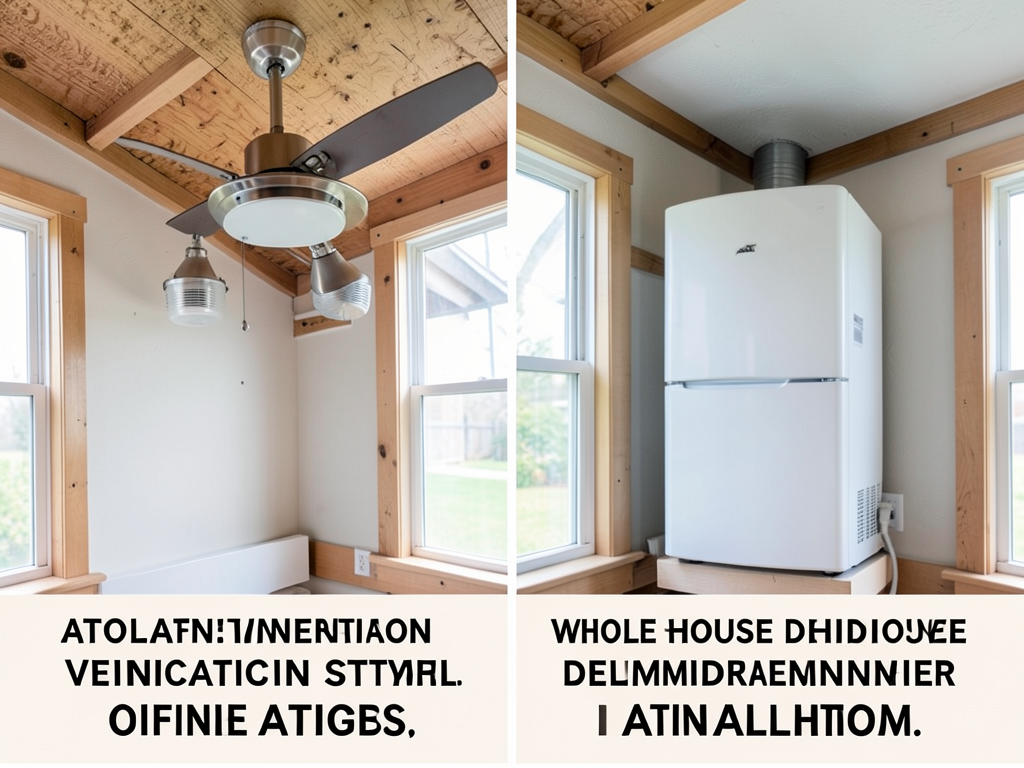
An attic fan works by pulling hot air out of your attic space and replacing it with cooler outside air through soffit vents. The goal is to lower attic temperatures which can reduce your cooling costs. A whole-house dehumidifier removes moisture from the air throughout your home, including the attic, creating a drier and more comfortable environment. Comparing Costs for a New AC Unit in Sandy Springs.
The physics behind each system differs significantly. Attic fans rely on the principle of thermal transfer – moving hot air out to reduce heat buildup. Dehumidifiers operate on the principle of latent heat removal – extracting water vapor from the air which actually makes the air feel cooler even if the temperature stays the same.. Read more about Solar Attic Fans vs Ridge Vents for Your North Decatur Home.
In Atlanta’s climate zone, relative humidity often exceeds 70% during summer months. This high moisture content changes how these systems perform. When you pull air from outside using an attic fan, you might be bringing in air that’s already saturated with moisture, potentially making your home more uncomfortable rather than less.
The Atlanta Factor: Why Our Humidity Changes the Rules
Atlanta sits in the humid subtropical climate zone where summer dew points regularly reach the 70s. This means the air holds a tremendous amount of moisture. When you install an attic fan in this environment, you need to consider what air you’re pulling into your home.
The stack effect in Atlanta homes becomes more pronounced during summer. Warm air rises and escapes through upper levels, creating negative pressure that can pull conditioned air from your living space into the attic. An attic fan can exacerbate this by creating even stronger negative pressure, potentially drawing in hot, humid air from outside through any available cracks or openings.. Read more about Why Your Mableton Crawl Space is Making Your HVAC Work Overtime.
Building science research from the Building Performance Institute shows that in humid climates like Georgia, sealed attics with proper insulation often perform better than vented attics. This is because ventilation can introduce moisture problems that outweigh the benefits of temperature reduction.
Pros and Cons: Attic Ventilator Fans
Attic fans offer several advantages for Toco Hills homeowners. They can reduce attic temperatures by 20-30 degrees Fahrenheit during peak summer heat, which protects your roof shingles and can extend the life of your HVAC equipment by reducing the cooling load. Installation costs typically range from $800 to $1,500 including labor and materials.
However, attic fans have significant drawbacks in Atlanta’s climate. They can pull conditioned air from your living space if your attic floor isn’t perfectly sealed, wasting energy. During rainy periods, they might draw in humid air that condenses on cooler surfaces, potentially causing mold growth. Power attic ventilators also require electrical wiring and can add $10-20 to your monthly electric bill.
Many Toco Hills homes built in the 1960s and 1970s have minimal attic floor sealing. If your home falls into this category, an attic fan might do more harm than good by creating negative pressure that pulls your expensive cooled air into the attic where it escapes.
Pros and Cons: Whole-Home and Attic Dehumidifiers
Whole-house dehumidifiers work by pulling air through a refrigerated coil that condenses moisture, which then drains away. These systems can remove 70-100 pints of water per day from your home’s air, maintaining relative humidity between 45-55% even during Atlanta’s most humid days.
The benefits extend beyond comfort. Lower humidity reduces the workload on your air conditioner since dry air feels cooler than moist air at the same temperature. This can lower your cooling bills by 10-15%. Dehumidifiers also prevent mold growth, protect wood floors and furniture from warping, and reduce dust mite populations.
Installation costs for whole-house systems range from $2,500 to $4,500, with monthly operating costs of $30-50 depending on settings and outdoor conditions. The higher upfront investment pays off through energy savings and prevented moisture damage to your home’s structure.
Portable dehumidifiers only address single rooms and require frequent emptying of water tanks. They’re not a substitute for whole-house systems when dealing with Atlanta’s pervasive humidity.
Cost Comparison: Installation and Monthly Energy Bills
| System Type | Initial Installation Cost | Monthly Operating Cost | Expected Lifespan |
|---|---|---|---|
| Attic Fan | $800 – $1,500 | $10 – $20 | 8-12 years |
| Whole-House Dehumidifier | $2,500 – $4,500 | $30 – $50 | 10-15 years |
The cost difference reflects the fundamental difference in what each system accomplishes. An attic fan only affects attic air temperature, while a dehumidifier treats the air throughout your entire home.
Energy efficiency ratings matter for both systems. Look for Energy Star certified attic fans with thermostatic controls that only run when needed. For dehumidifiers, check the energy factor rating – higher numbers indicate better efficiency at removing moisture per kilowatt-hour of electricity used.
Can You Use Both? The Hybrid Solution for GA Homes
Some Toco Hills homeowners find success using both systems strategically. A dehumidifier maintains comfortable humidity levels throughout the home, while an attic fan runs only during the driest, coolest parts of the day to reduce attic temperatures without introducing excessive moisture.
This hybrid approach works best when you have a sealed attic floor and proper vapor barriers. The dehumidifier handles the moisture load, while the attic fan provides temperature control during optimal conditions. Smart controls can automate this process, running the fan only when outdoor dew points drop below indoor levels.
However, this combination requires careful planning and professional installation. Improper setup can lead to the same negative pressure problems that make attic fans problematic in humid climates.
Verdict: Which One Solves Your Specific Problem?
If your primary issue is hot upper floors and you have a well-sealed attic floor with proper vapor barriers, an attic fan might provide adequate relief at a lower cost. This solution works best for homes with good attic insulation and minimal air leakage between living spaces and the attic.
If you’re dealing with sticky air, musty odors, or condensation on windows, a whole-house dehumidifier addresses the root cause. Atlanta’s humidity makes moisture control more important than temperature control for overall comfort. A dehumidifier also protects your home’s structure from moisture damage that can lead to expensive repairs.
For homes in Toco Hills with older construction, the dehumidifier often proves the better investment. Many homes in this area were built before modern building science emphasized the importance of air sealing and vapor control. In these cases, fighting humidity takes priority over fighting heat.
Consider your specific symptoms: Are your upstairs rooms uncomfortable even when the AC runs constantly? Do you notice condensation on windows or a musty smell in certain rooms? These signs point toward humidity problems that an attic fan won’t solve.. Read more about Solving Constant Condensate Pump Failures in Older Grant Park Basements.
The best solution often starts with a professional assessment. A qualified HVAC technician can measure your home’s actual humidity levels, check for air leaks, and recommend the system that addresses your specific comfort issues rather than just treating symptoms.
Maintenance Considerations for Atlanta Homes
Atlanta’s high pollen counts and humidity create unique maintenance requirements. Attic fans need annual inspection of fan blades, motor bearings, and thermostat operation. Soffit vents should be checked for blockages from pollen, dust, or insulation. The Only HVAC Maintenance Plan Dunwoody Homeowners Actually Need.
Dehumidifiers require more frequent maintenance in Atlanta than in drier climates. The condensate drain lines can grow algae in our warm, moist conditions and may need cleaning every 3-6 months. Air filters on whole-house units should be replaced quarterly during peak season rather than the standard twice-yearly schedule.
Both systems benefit from seasonal check-ups before summer heat arrives. For attic fans, this means verifying proper ventilation balance and thermostat calibration. For dehumidifiers, technicians should check refrigerant levels, clean coils, and test humidity sensors.
Power surges from summer thunderstorms can damage both systems. Consider surge protection for the electrical components, especially for attic fans that are exposed to the elements.
Impact on HVAC System Longevity
Both solutions can extend your air conditioner’s life by reducing its workload, but in different ways. An attic fan reduces the temperature of air entering your AC’s intake vents, while a dehumidifier reduces the moisture load the AC must handle. Specialized HVAC Solutions for Historic Virginia-Highland Homes.
In Atlanta’s climate, the dehumidifier often provides greater HVAC protection. Air conditioners in our region spend significant energy removing moisture before they can effectively cool. By handling the dehumidification separately, you allow your AC to focus on temperature control, potentially extending its operational life by several years.
The reduced runtime also means fewer repair calls. Systems that don’t run constantly experience less wear on compressors, fan motors, and electrical components. This reliability becomes especially valuable during Atlanta’s peak summer months when HVAC companies are busiest with emergency calls.
Consider also the impact on your ductwork. Lower humidity reduces condensation on cool duct surfaces, preventing the rust and mold growth that can compromise your duct system’s efficiency and air quality. Improving the Air Quality in Your Brookhaven Home During Pollen Season.
Frequently Asked Questions
Will an attic fan make my house cooler?
An attic fan can lower attic temperatures by 20-30 degrees, which may reduce heat transfer into your living space. However, in Atlanta’s humid climate, it might also pull in moist air that makes your home feel warmer and stickier.
How much does a whole-house dehumidifier cost to operate?
Most whole-house dehumidifiers cost $30-50 per month to operate during peak summer months in Atlanta. This varies based on your target humidity level, the size of your home, and outdoor conditions.
Can I install an attic fan myself?
While DIY installation is possible, professional installation ensures proper ventilation balance, electrical safety, and optimal thermostat placement. Incorrect installation can create negative pressure problems that worsen your home’s comfort issues.
Which system is better for preventing mold?
A whole-house dehumidifier is more effective at preventing mold because it controls humidity throughout your home, not just in the attic. Mold grows when relative humidity exceeds 60%, which is common in Atlanta homes without dehumidification.
How do I know if I need humidity control or just better ventilation?
If you experience condensation on windows, musty odors, or sticky air even when your AC runs constantly, you likely need humidity control. If your upstairs rooms are hot but the air feels dry, ventilation might be your primary need.
Ready to solve your summer comfort problems? Call Summit HVAC Atlanta at (770) 600-9611 for a professional assessment of your home’s specific needs. Our experienced technicians understand Atlanta’s unique climate challenges and can recommend the right solution for your Toco Hills home. For more information, visit Energy.gov ventilation guide. For more information, visit BuildingGreen attic ventilation article.
{
“@context”: “https://schema.org”,
“@type”: “BlogPosting”,
“headline”: “Attic Fans versus Whole House Dehumidifiers for Toco Hills Summer Comfort”,
“description”: “Toco Hills homeowners struggle with humidity. Compare attic fans vs whole-house dehumidifiers for Atlanta’s muggy summers and find your best solution.”,
“wordCount”: 1824,
“datePublished”: “2026-04-13T07:53:00.000Z”,
“dateModified”: “2026-04-13T07:53:00.000Z”,
“inLanguage”: “en-US”,
“mainEntityOfPage”: {
“@type”: “WebPage”,
“@id”: “https://summithvacatlanta.com”
},
“publisher”: {
“@type”: “LocalBusiness”,
“name”: “Summit HVAC Atlanta”,
“url”: “https://summithvacatlanta.com”
},
“author”: {
“@type”: “Organization”,
“name”: “Summit HVAC Atlanta”,
“url”: “https://summithvacatlanta.com”
},
“image”: {
“@type”: “ImageObject”,
“url”: “https://summithvacatlanta.com/wp-content/uploads/2026/03/attic-fans-versus-whole-house-dehumidifiers-for-to-1.png”
}
}
{
“@context”: “https://schema.org”,
“@type”: “HVACBusiness”,
“name”: “Summit HVAC Atlanta”,
“url”: “https://summithvacatlanta.com”,
“address”: {
“@type”: “PostalAddress”,
“addressLocality”: “Atlanta”
},
“areaServed”: {
“@type”: “City”,
“name”: “Atlanta”
}
}
{
“@context”: “https://schema.org”,
“@type”: “FAQPage”,
“mainEntity”: [
{
“@type”: “Question”,
“name”: “Verdict: Which One Solves Your Specific Problem?”,
“acceptedAnswer”: {
“@type”: “Answer”,
“text”: “If your primary issue is hot upper floors and you have a well-sealed attic floor with proper vapor barriers, an attic fan might provide adequate relief at a lower cost. This solution works best for homes with good attic insulation and minimal air leakage between living spaces and the attic.”
}
},
{
“@type”: “Question”,
“name”: “Will an attic fan make my house cooler?”,
“acceptedAnswer”: {
“@type”: “Answer”,
“text”: “An attic fan can lower attic temperatures by 20-30 degrees, which may reduce heat transfer into your living space. However, in Atlanta’s humid climate, it might also pull in moist air that makes your home feel warmer and stickier.”
}
},
{
“@type”: “Question”,
“name”: “How much does a whole-house dehumidifier cost to operate?”,
“acceptedAnswer”: {
“@type”: “Answer”,
“text”: “Most whole-house dehumidifiers cost $30-50 per month to operate during peak summer months in Atlanta. This varies based on your target humidity level, the size of your home, and outdoor conditions.”
}
},
{
“@type”: “Question”,
“name”: “Can I install an attic fan myself?”,
“acceptedAnswer”: {
“@type”: “Answer”,
“text”: “While DIY installation is possible, professional installation ensures proper ventilation balance, electrical safety, and optimal thermostat placement. Incorrect installation can create negative pressure problems that worsen your home’s comfort issues.”
}
},
{
“@type”: “Question”,
“name”: “Which system is better for preventing mold?”,
“acceptedAnswer”: {
“@type”: “Answer”,
“text”: “A whole-house dehumidifier is more effective at preventing mold because it controls humidity throughout your home, not just in the attic. Mold grows when relative humidity exceeds 60%, which is common in Atlanta homes without dehumidification.”
}
},
{
“@type”: “Question”,
“name”: “How do I know if I need humidity control or just better ventilation?”,
“acceptedAnswer”: {
“@type”: “Answer”,
“text”: “If you experience condensation on windows, musty odors, or sticky air even when your AC runs constantly, you likely need humidity control. If your upstairs rooms are hot but the air feels dry, ventilation might be your primary need.”
}
}
]
}
{
“@context”: “https://schema.org”,
“@type”: “BreadcrumbList”,
“itemListElement”: [
{
“@type”: “ListItem”,
“position”: 1,
“name”: “Home”,
“item”: “https://summithvacatlanta.com”
},
{
“@type”: “ListItem”,
“position”: 2,
“name”: “Blog”,
“item”: “https://summithvacatlanta.com/blog”
},
{
“@type”: “ListItem”,
“position”: 3,
“name”: “Attic Fans versus Whole House Dehumidifiers for Toco Hills Summer Comfort”
}
]
}
{
“@context”: “https://schema.org”,
“@type”: “Service”,
“serviceType”: “HVAC”,
“provider”: {
“@type”: “LocalBusiness”,
“name”: “Summit HVAC Atlanta”,
“url”: “https://summithvacatlanta.com”
},
“areaServed”: {
“@type”: “City”,
“name”: “Atlanta”
},
“description”: “Toco Hills homeowners struggle with humidity. Compare attic fans vs whole-house dehumidifiers for Atlanta’s muggy summers and find your best solution.”
}