
Why Poncey-Highland’s Oak Trees Threaten Your AC System
The massive oak trees that give Poncey-Highland its signature charm can quietly destroy your air conditioning system. These towering trees drop leaves, twigs, and branches year-round, while their sap can coat condenser coils and restrict airflow. When Atlanta’s summer storms hit, falling limbs can crush outdoor units or tear refrigerant lines.
Homeowners in Virginia-Highland and Inman Park face similar risks from their mature tree canopies. The combination of Georgia’s humidity, frequent thunderstorms, and dense urban forests creates perfect conditions for HVAC damage. Understanding these threats helps you protect your investment and avoid costly emergency repairs. EPA Energy Star HVAC efficiency standards.
Oak trees produce more debris than most species. Their leaves are tough and waxy, taking months to decompose. When they accumulate on your condenser unit, they trap moisture against metal components. This creates rust and corrosion that shortens equipment life. The real danger comes during Atlanta’s spring storms when high winds send branches crashing onto outdoor units.

Common Types of Tree-Related AC Damage in Atlanta
Tree debris causes several distinct types of damage to air conditioning systems. Each requires different prevention strategies and repair approaches. Knowing what to look for helps you catch problems early.
Debris Blockage and Airflow Restriction
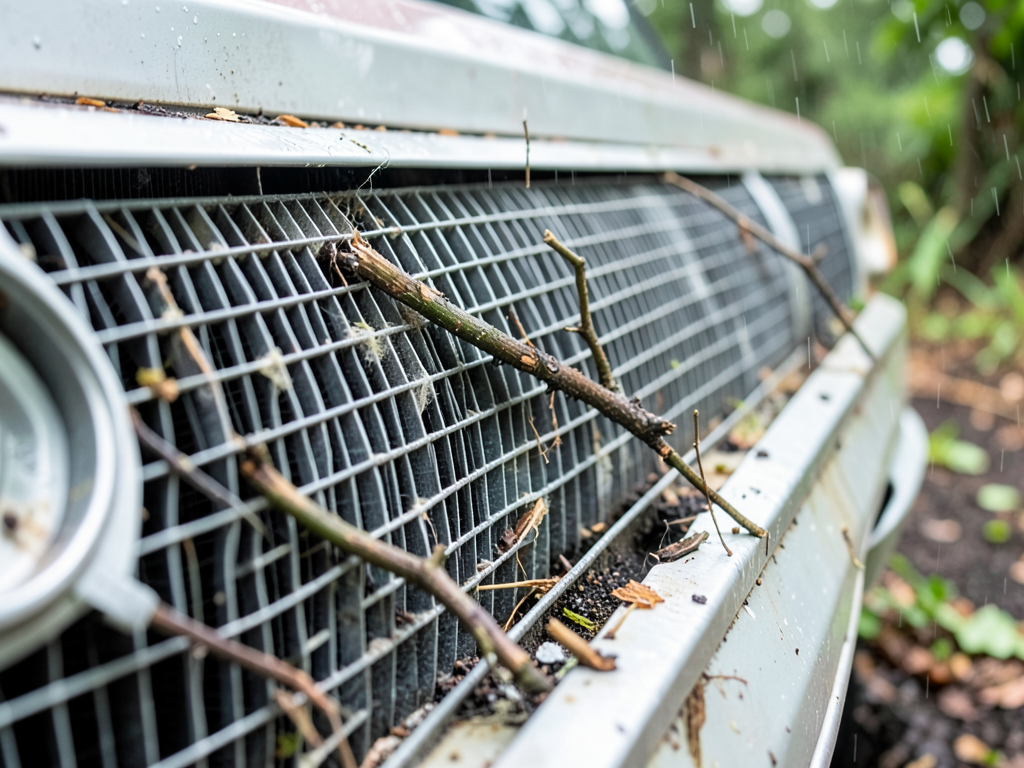
Leaves, pine needles, and small branches accumulate on and around condenser units. When airflow becomes restricted, your system works harder to cool your home. This increases energy bills and strains components. The restricted airflow also causes the condenser coil to run hotter than normal, accelerating wear on the compressor.
Pine needles pose a special threat in Atlanta. They’re small enough to slip through protective grills but large enough to clog coil fins. Their acidic nature can also eat through protective coatings over time. During fall, oak leaves create thick mats that trap moisture and block ventilation.
Physical Impact Damage
Atlanta’s summer thunderstorms frequently produce winds over 30 mph. These winds break dead branches from oak trees, sending them crashing onto outdoor units. A single large branch can bend fan blades, crack the condenser housing, or sever refrigerant lines.
The damage often looks minor from the outside but causes major internal problems. Bent fan blades create vibrations that destroy motor bearings. Cracks in the housing allow rain to enter electrical components. Severed refrigerant lines cause the compressor to overheat and fail.
Sap and Organic Residue
Oak trees produce sticky sap that drips onto nearby surfaces. When this sap lands on condenser coils, it attracts dust and debris. The combination creates an insulating layer that prevents proper heat transfer. Your system runs longer cycles trying to achieve the same cooling effect.
Over time, sap buildup can completely coat coil fins. This requires professional cleaning with specialized chemicals. DIY cleaning often damages the delicate aluminum fins, making the problem worse. Specialized HVAC Solutions for Historic Virginia-Highland Homes.
Root System Interference
Oak tree roots extend far beyond the visible canopy. As they grow, they can shift the ground beneath your condenser pad. This creates an unlevel surface that causes vibration damage and water pooling. Shifting concrete pads also stress refrigerant line connections, leading to leaks.
In older Poncey-Highland homes, mature oak trees have been growing for decades. Their extensive root systems create ongoing challenges for maintaining stable condenser installations.
Emergency Response When Tree Damage Strikes
Finding a fallen branch on your AC unit requires immediate action. Following the right steps prevents further damage and keeps your family safe. Never attempt repairs during storms or when standing water is present.
- Power Shutdown
Immediately turn off power at both the thermostat and the disconnect switch near the outdoor unit. This prevents electrical hazards and protects the compressor from trying to run with damaged components.
- Visual Assessment
Examine the unit from a safe distance. Look for obvious damage like bent fan blades, cracked housing, or refrigerant leaks. Never touch the unit if you see oil or refrigerant pooling underneath.
- Document Everything
Take photos of all damage before any cleanup begins. Include wide shots showing the tree and close-ups of specific damage. This documentation helps with insurance claims.
- Clear Debris Safely
Remove only loose debris that you can lift easily. Never attempt to move large branches or lift the unit yourself. Improper handling can cause more damage or personal injury.
- Call Professionals
Contact a licensed HVAC contractor immediately. Emergency damage requires professional assessment to prevent compressor failure and ensure safe operation.
Prevention Strategies for Tree-Dense Atlanta Neighborhoods
Protecting your AC system from tree damage requires ongoing maintenance and smart landscaping choices. These strategies reduce risk while preserving the mature trees that make neighborhoods like Poncey-Highland special. The Only HVAC Maintenance Plan Dunwoody Homeowners Actually Need.
Maintaining Proper Clearance Zones
Keep a minimum two-foot clearance around your entire condenser unit. This space allows proper airflow and provides room for technicians to work. Trim back any branches that hang within this zone.
For oak trees, maintain at least six feet of clearance above the unit. This prevents falling leaves and small branches from accumulating on top of the housing. Regular pruning also reduces the risk of larger branches breaking during storms.
Professional Coil Cleaning Schedule
Schedule professional coil cleaning twice yearly in Atlanta. The first cleaning should occur in early spring before cooling season begins. The second should happen in late fall after leaves have dropped.
Professional cleaning removes sap buildup, organic residue, and stubborn debris that DIY methods miss. Technicians use specialized coil cleaners that won’t damage aluminum fins. They also inspect for early signs of corrosion or wear.
Protective Covers and Guards
Install hail guards or protective screens around your condenser unit. These devices prevent large debris from striking the unit while allowing proper airflow. Look for guards with UV-resistant coatings that won’t degrade in Georgia’s intense sun.
During fall leaf season, consider using a breathable mesh cover during periods of heavy debris fall. Never use plastic covers that trap moisture, as these promote rust and corrosion.
Root Barrier Installation
If oak tree roots threaten your condenser pad stability, install root barriers. These physical barriers redirect root growth away from your equipment. Professional installation ensures proper depth and spacing for maximum effectiveness.
Root barriers also protect underground refrigerant lines from root damage. This prevents costly leaks and system contamination that require extensive repairs.
Understanding Atlanta’s Seasonal Debris Patterns
Atlanta’s climate creates distinct debris patterns throughout the year. Understanding these cycles helps you anticipate problems and schedule preventive maintenance effectively.
Spring Pollen and Flower Drop
March through May brings heavy pollen from oak trees and other hardwoods. This fine yellow dust coats everything, including your AC unit. When mixed with spring rain, pollen creates a sticky paste that clogs coil fins.
Flowering trees like tulip poplars add to the debris load. Their petals and seed pods accumulate in condenser housings, creating ideal conditions for mold growth. The combination of moisture and organic material accelerates corrosion.
Summer Storm Season
June through September brings Atlanta’s most intense storms. These systems produce high winds, heavy rain, and occasional hail. Falling branches become a constant threat during this period.
Afternoon thunderstorms often strike between 2 PM and 6 PM when temperatures peak. The rapid temperature changes create strong downdrafts that break dead branches. This timing coincides with peak AC usage, making storm damage particularly disruptive.
Fall Leaf Drop
October through December brings massive leaf fall from oak and other deciduous trees. A single mature oak can drop hundreds of pounds of leaves. When these leaves accumulate on your condenser, they create thick mats that trap moisture.
Fallen leaves also provide nesting material for rodents. These animals often chew on wiring and insulation, creating fire hazards and system failures. Regular debris removal prevents these secondary problems.
Winter Ice and Freezing Rain
While Atlanta winters are mild, occasional ice storms create unique hazards. Ice accumulation on branches makes them brittle and prone to breaking. When ice-coated branches fall, they often hit with greater force than during summer storms.
Freezing rain can also create ice dams that redirect water onto your unit. When this ice melts, it can flood electrical components and cause short circuits.
Insurance Considerations for Tree Damage
Understanding your homeowners insurance coverage helps you navigate the claims process when tree damage occurs. Most policies cover sudden, accidental damage but exclude neglect or lack of maintenance.
Documenting Damage for Claims
Take comprehensive photos immediately after discovering damage. Include wide shots showing the tree and its relation to your property. Close-up photos should capture specific damage to your AC unit, including any visible refrigerant leaks or electrical damage.
Keep all receipts for emergency services and temporary repairs. Insurance companies often require proof that you took reasonable steps to prevent further damage after the initial incident.
Understanding Coverage Limitations
Most homeowners policies cover damage from falling trees if the tree was healthy and the damage was sudden. However, they typically don’t cover damage from trees that were dead or dying before the incident. Regular tree maintenance becomes your responsibility in these cases.
Damage from gradual wear and tear, like corrosion from years of debris accumulation, usually isn’t covered. This makes preventive maintenance essential for protecting your investment.
Working with Adjusters
When an insurance adjuster visits, have your HVAC contractor present. Professional technicians can explain the extent of damage and necessary repairs more effectively than homeowners. They can also identify hidden damage that might not be immediately visible.
Request written estimates from multiple licensed contractors. This gives you options and helps ensure you receive fair compensation for necessary repairs.
Cost Comparison: Repair vs. Replacement
Understanding the costs associated with tree damage helps you make informed decisions about repairs versus replacement. Several factors influence whether repairing your existing unit makes financial sense. Comparing Costs for a New AC Unit in Sandy Springs.
| Damage Type | Typical Repair Cost | Replacement Consideration |
|---|---|---|
| Fan Motor Replacement | $400 – $700 | Consider if unit is over 10 years old |
| Coil Cleaning/Repair | $150 – $400 | Often worth repairing unless severely corroded |
| Refrigerant Line Repair | $300 – $800 | Repair if lines are accessible; replace if extensive damage |
| Control Board Replacement | $400 – $900 | Consider replacement if other components are aged |
| Complete Unit Replacement | $3,500 – $7,000 | Best for units over 12 years old or with multiple failures |
Age matters significantly in repair decisions. Units over ten years old often have reduced efficiency and may use outdated refrigerants. Modern systems offer substantial energy savings that can offset replacement costs within a few years.
Professional Assessment and Repair Process
When tree damage affects your AC system, professional assessment ensures all problems are identified and properly repaired. DIY attempts often miss critical issues that lead to premature system failure.
Initial Inspection Steps
Professional technicians follow a systematic inspection process. They start with a visual examination of all external components, looking for obvious damage like bent fan blades or cracked housings. Next, they check electrical connections for corrosion or water damage.
Technicians use specialized tools to test refrigerant pressure and electrical continuity. These tests reveal internal damage that isn’t visible externally. They also check the compressor for unusual noises or vibrations that indicate bearing wear.
Repair Prioritization
Safety issues take priority in the repair process. Electrical problems and refrigerant leaks must be addressed before the system can operate safely. Next come repairs that prevent further damage, like securing loose components or sealing refrigerant lines.
Efficiency improvements, like coil cleaning or fan blade replacement, come last. While these improve performance, they’re less critical than safety and preventing additional damage.
Quality Assurance Testing
After repairs, technicians perform comprehensive testing to ensure proper operation. They check temperature differentials, measure airflow, and verify refrigerant levels. These tests confirm that repairs restored the system to manufacturer specifications.
Quality technicians also provide documentation of all work performed. This documentation helps with future maintenance and provides proof of repairs for warranty claims or home sales. Improving the Air Quality in Your Brookhaven Home During Pollen Season.
Long-Term Maintenance Strategies
Preventing tree damage requires ongoing attention throughout the year. Establishing a maintenance routine protects your investment and extends equipment life.
Seasonal Maintenance Schedule
Create a year-round maintenance calendar that addresses Atlanta’s seasonal challenges. Spring maintenance focuses on pollen removal and coil cleaning. Summer maintenance checks for storm damage and ensures proper refrigerant levels.
Fall maintenance removes leaf accumulation and prepares the system for winter. Winter maintenance inspects for ice damage and ensures proper drainage around the unit.
Professional Maintenance Agreements
Consider enrolling in a professional maintenance agreement. These programs provide scheduled inspections and priority service during emergencies. Many agreements include discounted repair rates and extended warranties on parts.
Professional maintenance often catches small problems before they become expensive repairs. The cost of regular maintenance typically pays for itself through improved efficiency and prevented breakdowns.
Frequently Asked Questions
Can I clean my AC coils myself to prevent tree debris damage?
DIY coil cleaning risks damaging delicate aluminum fins and using improper cleaning solutions. Professional cleaning uses specialized equipment and chemicals that won’t harm your system while effectively removing sap and organic buildup.
How close can oak trees be planted to my AC unit?
Plant oak trees at least 15 feet from your condenser unit. This distance allows for mature canopy growth while maintaining the recommended two-foot clearance zone. Consider the tree’s mature height when selecting planting locations.
Will my homeowners insurance cover damage from my neighbor’s tree?
Insurance typically covers damage from any falling tree, regardless of ownership, if the tree was healthy. However, if your neighbor’s tree was dead or dying and they failed to address it, they might be liable for damages through negligence claims.
How often should I have my AC unit inspected in tree-dense areas?
Schedule professional inspections twice yearly in neighborhoods like Poncey-Highland. Spring inspections prepare for cooling season, while fall inspections address leaf accumulation and prepare for winter. Additional inspections after major storms are also recommended.
What are signs that tree debris is already damaging my AC system?
Watch for reduced cooling capacity, longer run times, unusual noises from the outdoor unit, visible debris accumulation on or around the unit, and higher than normal energy bills. These symptoms indicate your system is working harder than necessary due to restricted airflow or component stress.
Take Action to Protect Your AC System Today
Don’t wait for the next Atlanta storm to discover your AC system has been damaged by tree debris. The mature oak trees that make Poncey-Highland beautiful can also cause expensive repairs when neglected. Professional maintenance and preventive measures cost far less than emergency repairs or premature system replacement.
Schedule your comprehensive AC inspection today. Our licensed technicians understand the unique challenges that Poncey-Highland’s oak trees create for local homeowners. We’ll assess your current system, identify potential risks, and recommend specific solutions for your property.
Call Summit HVAC Atlanta now at (770) 600-9611 to schedule your AC protection assessment. Our team serves all of Atlanta’s historic neighborhoods with the expertise and care that your home deserves. Don’t let beautiful trees become expensive problems for your cooling system.
Remember, proactive maintenance saves money and prevents the stress of unexpected breakdowns during Atlanta’s hottest months. Contact us today to keep your AC system running efficiently despite the challenges of our beautiful urban forest. For more information, visit FEMA storm preparation and safety guidelines.
{
“@context”: “https://schema.org”,
“@type”: “BlogPosting”,
“headline”: “How the Massive Oak Trees in Poncey-Highland Can Actually Damage Your AC System”,
“description”: “Discover how Poncey-Highland’s oak trees damage AC systems through debris, sap, and falling branches. Learn prevention, emergency steps, and when to call Atlanta pros.”,
“wordCount”: 2543,
“datePublished”: “2026-05-21T12:53:00.000Z”,
“dateModified”: “2026-05-21T12:53:00.000Z”,
“inLanguage”: “en-US”,
“mainEntityOfPage”: {
“@type”: “WebPage”,
“@id”: “https://summithvacatlanta.com”
},
“publisher”: {
“@type”: “LocalBusiness”,
“name”: “Summit HVAC Atlanta”,
“url”: “https://summithvacatlanta.com”
},
“author”: {
“@type”: “Organization”,
“name”: “Summit HVAC Atlanta”,
“url”: “https://summithvacatlanta.com”
},
“image”: {
“@type”: “ImageObject”,
“url”: “https://summithvacatlanta.com/wp-content/uploads/2026/03/how-the-massive-oak-trees-in-poncey-highland-can-a-1.png”
}
}
{
“@context”: “https://schema.org”,
“@type”: “HVACBusiness”,
“name”: “Summit HVAC Atlanta”,
“url”: “https://summithvacatlanta.com”,
“address”: {
“@type”: “PostalAddress”,
“addressLocality”: “Atlanta”
},
“areaServed”: {
“@type”: “City”,
“name”: “Atlanta”
}
}
{
“@context”: “https://schema.org”,
“@type”: “FAQPage”,
“mainEntity”: [
{
“@type”: “Question”,
“name”: “Can I clean my AC coils myself to prevent tree debris damage?”,
“acceptedAnswer”: {
“@type”: “Answer”,
“text”: “DIY coil cleaning risks damaging delicate aluminum fins and using improper cleaning solutions. Professional cleaning uses specialized equipment and chemicals that won’t harm your system while effectively removing sap and organic buildup.”
}
},
{
“@type”: “Question”,
“name”: “How close can oak trees be planted to my AC unit?”,
“acceptedAnswer”: {
“@type”: “Answer”,
“text”: “Plant oak trees at least 15 feet from your condenser unit. This distance allows for mature canopy growth while maintaining the recommended two-foot clearance zone. Consider the tree’s mature height when selecting planting locations.”
}
},
{
“@type”: “Question”,
“name”: “Will my homeowners insurance cover damage from my neighbor’s tree?”,
“acceptedAnswer”: {
“@type”: “Answer”,
“text”: “Insurance typically covers damage from any falling tree, regardless of ownership, if the tree was healthy. However, if your neighbor’s tree was dead or dying and they failed to address it, they might be liable for damages through negligence claims.”
}
},
{
“@type”: “Question”,
“name”: “How often should I have my AC unit inspected in tree-dense areas?”,
“acceptedAnswer”: {
“@type”: “Answer”,
“text”: “Schedule professional inspections twice yearly in neighborhoods like Poncey-Highland. Spring inspections prepare for cooling season, while fall inspections address leaf accumulation and prepare for winter. Additional inspections after major storms are also recommended.”
}
},
{
“@type”: “Question”,
“name”: “What are signs that tree debris is already damaging my AC system?”,
“acceptedAnswer”: {
“@type”: “Answer”,
“text”: “Watch for reduced cooling capacity, longer run times, unusual noises from the outdoor unit, visible debris accumulation on or around the unit, and higher than normal energy bills. These symptoms indicate your system is working harder than necessary due to restricted airflow or component stress.”
}
}
]
}
{
“@context”: “https://schema.org”,
“@type”: “HowTo”,
“name”: “Emergency AC Damage Response”,
“step”: [
{
“@type”: “HowToStep”,
“position”: 1,
“name”: “Power Shutdown”,
“text”: “Immediately turn off power at both the thermostat and the disconnect switch near the outdoor unit. This prevents electrical hazards and protects the compressor from trying to run with damaged components.”
},
{
“@type”: “HowToStep”,
“position”: 2,
“name”: “Visual Assessment”,
“text”: “Examine the unit from a safe distance. Look for obvious damage like bent fan blades, cracked housing, or refrigerant leaks. Never touch the unit if you see oil or refrigerant pooling underneath.”
},
{
“@type”: “HowToStep”,
“position”: 3,
“name”: “Document Everything”,
“text”: “Take photos of all damage before any cleanup begins. Include wide shots showing the tree and close-ups of specific damage. This documentation helps with insurance claims.”
},
{
“@type”: “HowToStep”,
“position”: 4,
“name”: “Clear Debris Safely”,
“text”: “Remove only loose debris that you can lift easily. Never attempt to move large branches or lift the unit yourself. Improper handling can cause more damage or personal injury.”
},
{
“@type”: “HowToStep”,
“position”: 5,
“name”: “Call Professionals”,
“text”: “Contact a licensed HVAC contractor immediately. Emergency damage requires professional assessment to prevent compressor failure and ensure safe operation.”
}
],
“image”: “https://summithvacatlanta.com/wp-content/uploads/2026/03/how-the-massive-oak-trees-in-poncey-highland-can-a-1.png”
}
{
“@context”: “https://schema.org”,
“@type”: “BreadcrumbList”,
“itemListElement”: [
{
“@type”: “ListItem”,
“position”: 1,
“name”: “Home”,
“item”: “https://summithvacatlanta.com”
},
{
“@type”: “ListItem”,
“position”: 2,
“name”: “Blog”,
“item”: “https://summithvacatlanta.com/blog”
},
{
“@type”: “ListItem”,
“position”: 3,
“name”: “How the Massive Oak Trees in Poncey-Highland Can Actually Damage Your AC System”
}
]
}
{
“@context”: “https://schema.org”,
“@type”: “Service”,
“serviceType”: “HVAC”,
“provider”: {
“@type”: “LocalBusiness”,
“name”: “Summit HVAC Atlanta”,
“url”: “https://summithvacatlanta.com”
},
“areaServed”: {
“@type”: “City”,
“name”: “Atlanta”
},
“description”: “Discover how Poncey-Highland’s oak trees damage AC systems through debris, sap, and falling branches. Learn prevention, emergency steps, and when to call Atlanta pros.”
}