
Why You Smell Something Burning When You Turn On Your Berkeley Park Furnace
That first whiff of burning dust when you fire up your furnace can make any homeowner nervous. In Berkeley Park and across Atlanta’s older neighborhoods, this seasonal ritual happens every October when the first real cold snap hits. Before you panic and call for emergency service, let’s walk through what that smell means and when it signals a real problem.
Berkeley Park homes built in the 1950s and 60s often have original ductwork that collects years of dust during Atlanta’s humid summers. When you finally switch from AC to heat, that accumulated debris burns off, creating the characteristic burning smell. But not all furnace odors are created equal. Some require immediate action while others simply need patience.
Atlanta’s climate creates unique challenges for furnace operation. Our high humidity means dust and organic matter in your system can develop mold before the first cold day. The sudden temperature shift from 80-degree days to 40-degree nights puts extra stress on aging components. Understanding these local factors helps you distinguish between normal seasonal smells and warning signs that need professional attention.
Common Burning Smells and What They Mean
Not every burning smell indicates danger. The type of odor you detect helps diagnose the underlying issue. Here’s how to identify what your nose is telling you.
Dusty or Musty Smell
This is the most common odor when you first turn on your Berkeley Park furnace each season. Atlanta’s summer dust combines with pollen and pet dander that settles in your ducts during months of non-use. When heat hits this debris, it burns off within 30-60 minutes.
The smell typically comes from your heat exchanger or nearby components. If it dissipates quickly and doesn’t return, you’re likely fine. However, if the odor persists or grows stronger, you might have more than simple dust burning off.
Berkeley Park homes with crawl spaces face additional challenges. Moisture from Georgia red clay soil can seep into ductwork, creating musty odors that linger longer than typical dust burning. Homes near Peachtree Creek may experience higher humidity levels that exacerbate this issue. Georgia Power furnace efficiency information.
Electrical or Metallic Smell
A sharp, acrid odor that reminds you of ozone or hot metal signals electrical problems. This smell often indicates overheating motors, failing capacitors, or wiring issues. The blower motor works hardest when your furnace first starts, making electrical problems more noticeable during initial operation.
Listen for accompanying sounds like humming, buzzing, or clicking. These noises combined with electrical odors suggest immediate attention is needed. Continuing to run a furnace with electrical issues risks fire or complete system failure.
Older Berkeley Park homes may have electrical panels that can’t handle modern furnace demands. If your home still has a fuse box instead of circuit breakers, electrical odors warrant extra caution.
Burning Plastic or Rubber
This distinct chemical smell indicates melting plastic components. Common sources include foreign objects that fell into floor vents, deteriorating wire insulation, or melting fan belts. Small toys, paper clips, or construction debris can end up in ductwork and create this odor when heated.
Check your floor registers for visible debris. If you smell burning plastic but see nothing, turn off your system immediately. This odor often precedes more serious problems like electrical shorts or component failure.
Homes undergoing renovation in Berkeley Park may have construction dust or materials in ductwork that create burning plastic smells when first heated.
Sulfur or Rotten Egg Smell
This unmistakable odor indicates a natural gas leak. Atlanta Gas Light adds mercaptan to natural gas specifically so you can detect leaks through smell. If you detect this odor near your furnace, take immediate action.
Gas leaks require evacuation and emergency response. Do not operate any electrical switches, use phones inside the house, or attempt to locate the leak yourself. Natural gas can accumulate in enclosed spaces and create explosion hazards.
Berkeley Park homes with older gas lines may be more susceptible to small leaks that create intermittent sulfur smells. Annual inspections by qualified technicians help prevent these dangerous situations.
DIY Troubleshooting for Berkeley Park Homeowners
Before calling for professional service, several simple checks can help identify the source of burning smells. These steps work for most furnace types found in Atlanta homes.
Check Your Air Filter
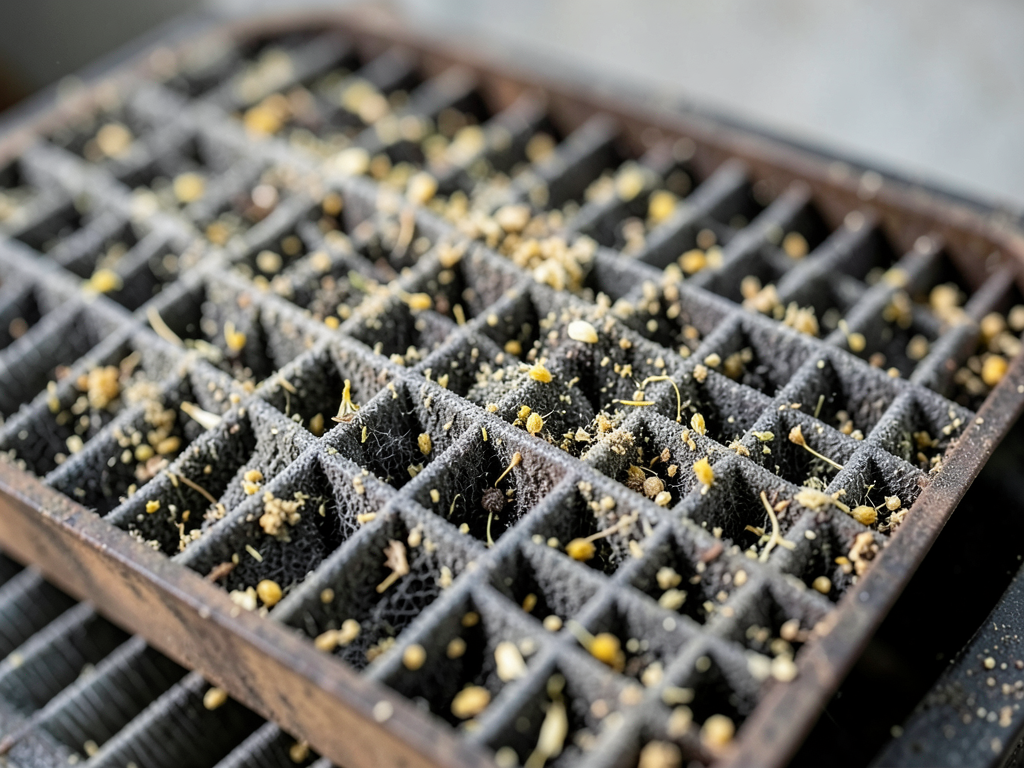
A clogged air filter restricts airflow, causing your furnace to overheat. This overheating can create burning smells and potentially damage your system. Atlanta’s pollen season leaves filters particularly dirty by fall.
Locate your filter behind the return air grille or inside the furnace cabinet. If you can’t see light through it or it appears gray and matted, replace it. Berkeley Park homes with pets or near wooded areas may need more frequent filter changes.
Use filters with appropriate MERV ratings. Too high restricts airflow in older systems; too low allows dust buildup. Most Berkeley Park furnaces work well with MERV 8-11 filters.
Inspect Floor Registers and Returns
Remove a few floor registers and shine a flashlight inside. Look for visible debris, dust buildup, or signs of moisture. Atlanta’s humidity can cause condensation in ducts, leading to mold growth that creates burning or musty odors.
Check return air vents for blockages. Furniture, rugs, or stored items can restrict airflow, causing your furnace to work harder and potentially overheat. Ensure all vents have at least 6 inches of clearance.
Homes near Berkeley Park’s green spaces may have more pollen and organic debris entering ductwork through open windows during summer.
Reset Your Furnace
Many modern furnaces have safety switches that shut down the system when they detect problems. A simple reset might clear temporary issues causing burning smells.
Turn off your thermostat, wait 5 minutes, then turn it back on. If your furnace has a dedicated power switch, turn it off for 60 seconds before restoring power. Listen for normal startup sounds and watch for error codes on digital displays.
If your furnace immediately shuts down again or continues producing burning odors, professional service is needed.
When to Call an Atlanta HVAC Professional
Some furnace problems require immediate professional attention. Understanding when to call for emergency service versus scheduling routine maintenance can prevent dangerous situations and costly damage. The Only HVAC Maintenance Plan Dunwoody Homeowners Actually Need.
Emergency Situations
Call immediately if you detect sulfur smells, see smoke, or notice flames. Also contact a professional if burning odors persist beyond 60 minutes of operation or worsen over time. Electrical burning smells combined with system shutdowns indicate serious problems requiring urgent attention.
Carbon monoxide detectors add another layer of safety. If your CO detector sounds while your furnace runs, evacuate immediately and call for emergency service. Older Berkeley Park homes may lack proper ventilation, increasing CO risks.
Gas furnaces showing yellow or flickering flames instead of steady blue flames need immediate inspection. This indicates incomplete combustion and potential carbon monoxide production.
Professional Inspection Signs
Schedule professional service if you notice uneven heating across rooms, frequent system cycling, or rising energy bills without increased usage. These symptoms often indicate developing problems that cause burning smells.
Berkeley Park homes over 30 years old benefit from annual inspections regardless of symptoms. Aging heat exchangers can develop cracks that allow combustion gases into living spaces. Professional technicians use specialized equipment to detect these hidden dangers. Specialized HVAC Solutions for Historic Virginia-Highland Homes.
Heat pumps common in Atlanta homes create different odor patterns. The auxiliary heat strips that activate during extreme cold can produce burning dust smells similar to furnaces but may indicate different issues.
Preventative Maintenance to Avoid Burning Smells
Regular maintenance prevents most furnace odors and extends system life. Atlanta’s climate creates specific maintenance needs that differ from other regions.
Seasonal Maintenance Schedule
Schedule professional furnace inspection before Atlanta’s first cold snap, typically in late September or early October. This timing allows technicians to identify and fix problems before you need heat during a cold snap.
Clean or replace air filters monthly during heavy use seasons. Atlanta’s pollen counts remain high through fall, keeping filters dirty longer than in other regions. Consider HEPA filters if allergies are a concern, but verify your system can handle the airflow restriction. EPA duct cleaning guidelines.
Check ductwork connections annually. Georgia’s clay soil shifts with moisture changes, potentially loosening duct connections and creating air leaks that reduce efficiency and allow contaminants into your system.
Berkeley Park Specific Considerations
Homes in Berkeley Park face unique challenges due to their age and construction. Original ductwork may contain asbestos insulation that deteriorates over time, creating health hazards and burning odors when disturbed.
Many Berkeley Park homes have crawl spaces rather than basements. These enclosed areas trap moisture and can harbor rodents that damage ductwork or create burning smells when their nesting materials heat up.
Consider duct cleaning every 3-5 years if you notice persistent odors or have severe allergies. Atlanta’s humidity promotes mold growth in ductwork that regular filter changes can’t address.
Energy Efficiency Upgrades
Modern high-efficiency furnaces produce fewer odors and operate more safely than older models. If your furnace is over 15 years old, replacement might prevent future problems while reducing energy costs. Comparing Costs for a New AC Unit in Sandy Springs.
Programmable thermostats help prevent overheating by maintaining consistent temperatures rather than allowing your home to cool dramatically overnight. This reduces the severity of initial startup odors each season.
Consider whole-house air purification systems that capture airborne contaminants before they enter your furnace. These systems particularly benefit Atlanta homes dealing with high pollen counts and humidity.
Understanding Your Furnace’s Safety Features
Modern furnaces include multiple safety devices that prevent dangerous situations. Understanding these features helps you interpret warning signs correctly.
Limit Switches
Limit switches monitor temperature inside your furnace. If components overheat, these switches shut down the system before damage occurs. A furnace that turns on briefly then shuts off might have a tripped limit switch indicating overheating.
Common causes include restricted airflow from dirty filters, blocked vents, or failing blower motors. Resetting the limit switch without addressing the underlying cause leads to repeated shutdowns and potential damage.
Flame Sensors
Flame sensors detect whether gas ignites properly. Dirty or failing sensors might prevent your furnace from staying lit, creating brief burning smells as gas ignites then shuts off repeatedly.
Atlanta’s humidity can cause corrosion on flame sensors, particularly in homes near Peachtree Creek or other water features. Annual cleaning prevents these issues.
Pressure Switches
Pressure switches ensure proper venting of combustion gases. Blocked vents or failing switches can cause your furnace to shut down, sometimes creating brief burning smells as the system struggles to operate safely.
Bird nests, leaves, or snow can block furnace vents. Berkeley Park homes with roof-mounted furnaces need regular vent inspections, especially after storms.
Cost Considerations for Furnace Repairs in Atlanta
Understanding typical repair costs helps you make informed decisions about maintenance and replacement. Atlanta’s market rates vary based on system age, accessibility, and repair complexity.
Common Repair Costs
Basic maintenance visits typically cost $75-150 in the Atlanta area. Filter replacement adds $20-80 depending on type. More complex repairs like blower motor replacement run $300-600, while heat exchanger repairs can exceed $1,000.
Emergency service calls during nights or weekends often include $100-200 premium fees. Annual maintenance contracts providing priority service and discounted rates usually cost $150-300 per year.
Homes in Berkeley Park might face higher labor costs due to older construction making access difficult. Technicians may need extra time to work around finished basements or tight crawl spaces.
When Replacement Makes Sense
Furnaces typically last 15-20 years. If your system is approaching this age and needs major repairs, replacement often proves more economical than ongoing maintenance.
Modern high-efficiency furnaces can reduce heating costs by 20-30% compared to units installed in the 1980s and 90s. Energy savings often offset replacement costs within 5-7 years.
Consider replacement if repair costs exceed 50% of a new unit’s price or if your current system requires frequent repairs. Multiple burning smell incidents often indicate aging components nearing end of life.
Local Building Codes and Safety Standards
Atlanta and Georgia enforce specific codes governing furnace installation and operation. Understanding these requirements helps ensure your system operates safely and legally.
Georgia Mechanical Code Requirements
Georgia adopts the International Mechanical Code with state-specific amendments. These codes govern furnace clearances, venting requirements, and safety device installation. Berkeley Park homes built before current codes may not meet modern standards.
Gas line installations must comply with Atlanta Gas Light specifications. DIY gas line work is illegal and dangerous. Any furnace work involving gas lines requires licensed professionals.
Carbon monoxide detectors are mandatory in all Georgia homes with fuel-burning appliances. Detectors should be installed on every level and outside sleeping areas.
Permit Requirements
Major furnace replacements require permits from the City of Atlanta. This ensures work meets current codes and passes inspection. Unpermitted work can complicate home sales and potentially void insurance coverage.
Berkeley Park’s historic district status may impose additional requirements for exterior modifications. Always verify requirements before scheduling furnace replacement in historic areas.
Professional HVAC companies handle permit requirements as part of their service, ensuring all work complies with local regulations.
Frequently Asked Questions
How long should a burning smell last when I first turn on my furnace?
A normal dust-burning smell should dissipate within 30-60 minutes of operation. If the odor persists beyond an hour or returns after the initial burn-off period, further investigation is needed. Persistent smells often indicate more than simple dust accumulation.
Can I prevent burning smells by running my furnace before I need it?
Yes, running your furnace for 30 minutes on a warm day before cold weather arrives can burn off accumulated dust without creating uncomfortable conditions in your home. This practice, called seasonal commissioning, helps identify problems before you need reliable heat.
Are burning smells more common in older Atlanta homes?
Older homes often have original ductwork that accumulates more dust and debris over decades. Berkeley Park homes built in the mid-20th century frequently have ductwork that hasn’t been cleaned since installation. Combined with Atlanta’s humidity, these factors make burning smells more noticeable in historic neighborhoods.
Should I turn off my furnace if I smell something burning?
Turn off your furnace immediately if you detect sulfur smells, see smoke, or notice flames. For other burning odors, turn off the system if smells persist beyond 60 minutes or worsen over time. When in doubt, err on the side of caution and shut down the system until you can identify the source.
How often should Berkeley Park homeowners have their furnaces inspected?
Annual inspections before heating season are recommended for all homes. Berkeley Park homes over 20 years old benefit from bi-annual inspections due to aging components and potential code compliance issues. Regular maintenance prevents most burning smell problems and extends system life.

Take Action Today
Don’t let furnace odors create anxiety in your Berkeley Park home. Most burning smells are harmless seasonal occurrences, but some signal dangerous conditions requiring immediate attention. Understanding the difference keeps your family safe and your heating system reliable.
If you’re experiencing persistent burning smells, unusual noises, or system performance issues, professional diagnosis provides peace of mind. Our Atlanta HVAC technicians understand the unique challenges Berkeley Park homes face, from aging ductwork to historic construction quirks.
Call Summit HVAC Atlanta today at (770) 600-9611 for expert furnace inspection and maintenance. We’ll identify the source of any odors and ensure your system operates safely throughout Atlanta’s heating season. Don’t wait until cold weather arrives to discover furnace problems.
Regular maintenance prevents most burning smell issues while extending your furnace’s life and improving energy efficiency. Schedule your seasonal inspection now and enjoy worry-free heating all winter long. Improving the Air Quality in Your Brookhaven Home During Pollen Season.
{
“@context”: “https://schema.org”,
“@type”: “BlogPosting”,
“headline”: “Why you smell something burning when you turn on your Berkeley Park furnace”,
“description”: “Is that burning smell from your Berkeley Park furnace a warning sign? Learn what causes it, when to worry, and how Atlanta’s climate affects your system.”,
“wordCount”: 2623,
“datePublished”: “2026-05-22T08:49:00.000Z”,
“dateModified”: “2026-05-22T08:49:00.000Z”,
“inLanguage”: “en-US”,
“mainEntityOfPage”: {
“@type”: “WebPage”,
“@id”: “https://summithvacatlanta.com”
},
“publisher”: {
“@type”: “LocalBusiness”,
“name”: “Summit HVAC Atlanta”,
“url”: “https://summithvacatlanta.com”
},
“author”: {
“@type”: “Organization”,
“name”: “Summit HVAC Atlanta”,
“url”: “https://summithvacatlanta.com”
},
“image”: {
“@type”: “ImageObject”,
“url”: “https://summithvacatlanta.com/wp-content/uploads/2026/03/why-you-smell-something-burning-when-you-turn-on-y-1.png”
}
}
{
“@context”: “https://schema.org”,
“@type”: “HVACBusiness”,
“name”: “Summit HVAC Atlanta”,
“url”: “https://summithvacatlanta.com”,
“address”: {
“@type”: “PostalAddress”,
“addressLocality”: “Atlanta”
},
“areaServed”: {
“@type”: “City”,
“name”: “Atlanta”
}
}
{
“@context”: “https://schema.org”,
“@type”: “FAQPage”,
“mainEntity”: [
{
“@type”: “Question”,
“name”: “How long should a burning smell last when I first turn on my furnace?”,
“acceptedAnswer”: {
“@type”: “Answer”,
“text”: “A normal dust-burning smell should dissipate within 30-60 minutes of operation. If the odor persists beyond an hour or returns after the initial burn-off period, further investigation is needed. Persistent smells often indicate more than simple dust accumulation.”
}
},
{
“@type”: “Question”,
“name”: “Can I prevent burning smells by running my furnace before I need it?”,
“acceptedAnswer”: {
“@type”: “Answer”,
“text”: “Yes, running your furnace for 30 minutes on a warm day before cold weather arrives can burn off accumulated dust without creating uncomfortable conditions in your home. This practice, called seasonal commissioning, helps identify problems before you need reliable heat.”
}
},
{
“@type”: “Question”,
“name”: “Are burning smells more common in older Atlanta homes?”,
“acceptedAnswer”: {
“@type”: “Answer”,
“text”: “Older homes often have original ductwork that accumulates more dust and debris over decades. Berkeley Park homes built in the mid-20th century frequently have ductwork that hasn’t been cleaned since installation. Combined with Atlanta’s humidity, these factors make burning smells more noticeable in historic neighborhoods.”
}
},
{
“@type”: “Question”,
“name”: “Should I turn off my furnace if I smell something burning?”,
“acceptedAnswer”: {
“@type”: “Answer”,
“text”: “Turn off your furnace immediately if you detect sulfur smells, see smoke, or notice flames. For other burning odors, turn off the system if smells persist beyond 60 minutes or worsen over time. When in doubt, err on the side of caution and shut down the system until you can identify the source.”
}
},
{
“@type”: “Question”,
“name”: “How often should Berkeley Park homeowners have their furnaces inspected?”,
“acceptedAnswer”: {
“@type”: “Answer”,
“text”: “Annual inspections before heating season are recommended for all homes. Berkeley Park homes over 20 years old benefit from bi-annual inspections due to aging components and potential code compliance issues. Regular maintenance prevents most burning smell problems and extends system life.”
}
}
]
}
{
“@context”: “https://schema.org”,
“@type”: “BreadcrumbList”,
“itemListElement”: [
{
“@type”: “ListItem”,
“position”: 1,
“name”: “Home”,
“item”: “https://summithvacatlanta.com”
},
{
“@type”: “ListItem”,
“position”: 2,
“name”: “Blog”,
“item”: “https://summithvacatlanta.com/blog”
},
{
“@type”: “ListItem”,
“position”: 3,
“name”: “Why you smell something burning when you turn on your Berkeley Park furnace”
}
]
}
{
“@context”: “https://schema.org”,
“@type”: “Service”,
“serviceType”: “HVAC”,
“provider”: {
“@type”: “LocalBusiness”,
“name”: “Summit HVAC Atlanta”,
“url”: “https://summithvacatlanta.com”
},
“areaServed”: {
“@type”: “City”,
“name”: “Atlanta”
},
“description”: “Is that burning smell from your Berkeley Park furnace a warning sign? Learn what causes it, when to worry, and how Atlanta’s climate affects your system.”
}