
When Atlanta’s construction boom kicks into high gear the red clay dust kicked up by bulldozers and backhoes does not just settle on your car windshield. It invades your home’s HVAC system. This Georgia clay known for its stubborn staining power turns into a fine abrasive powder that can clog air filters in weeks instead of months. For homeowners in neighborhoods like Sandy Springs or Virginia-Highland where new builds and renovations happen year-round this hidden enemy can quietly sabotage your system’s efficiency.
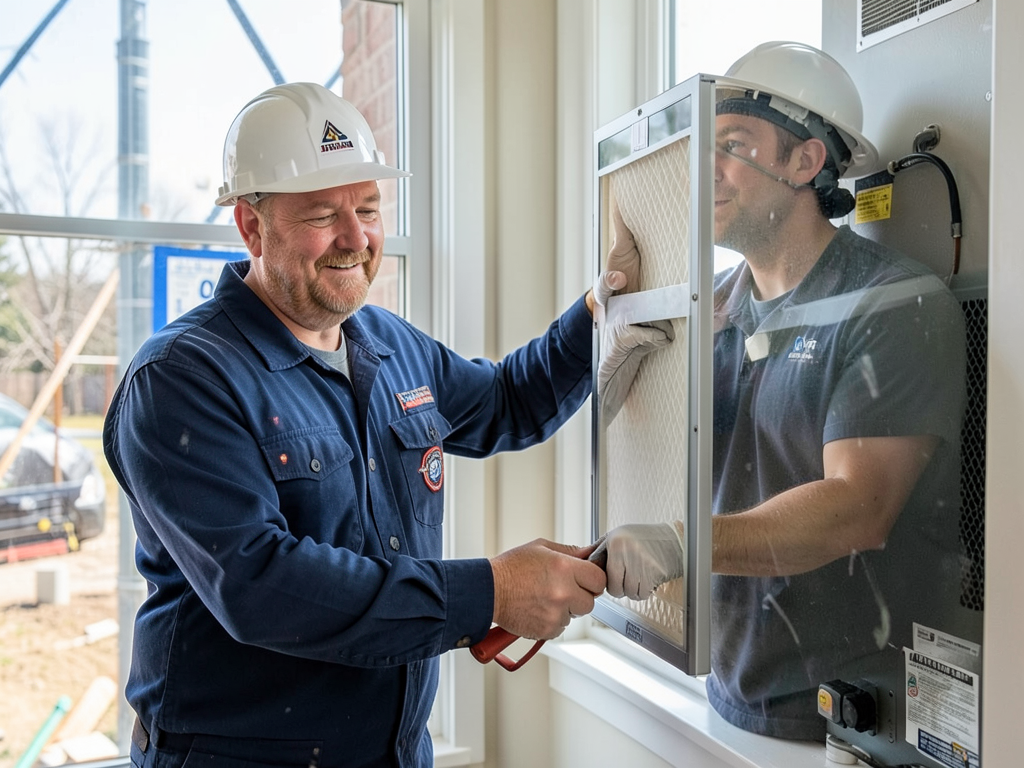
How Red Clay Dust Sneaks Into Your Home
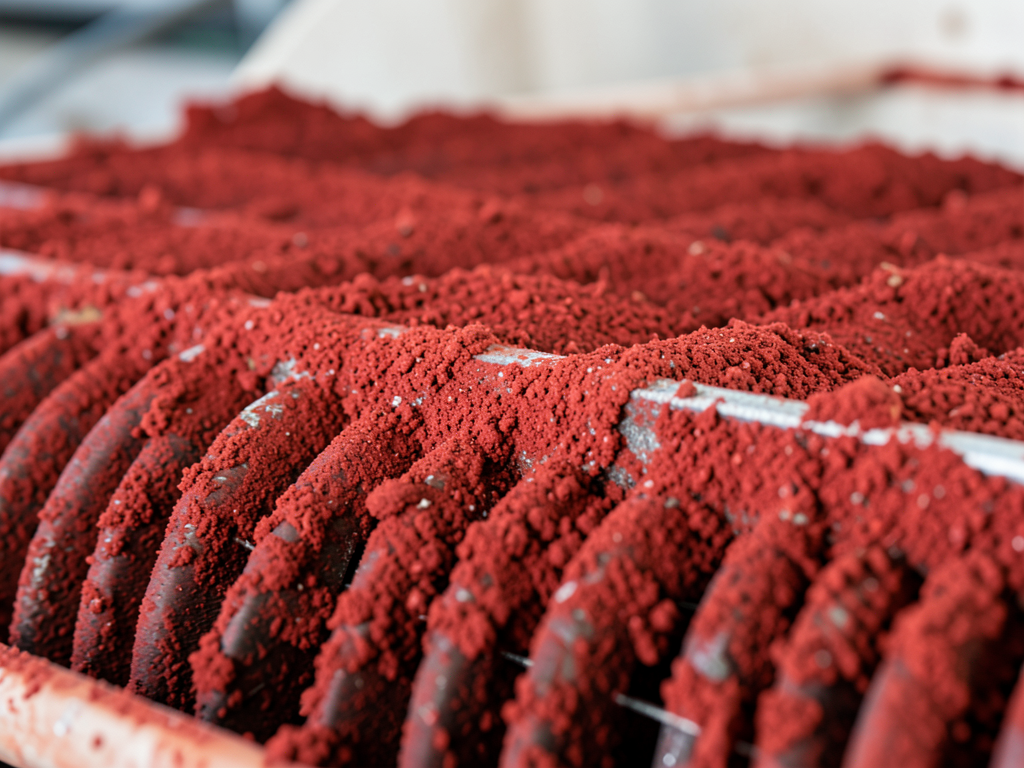
Red clay dust is different from ordinary household dust. It consists of ultrafine particles that slip through standard filters and coat internal components. During construction heavy equipment churns the soil sending microscopic particles airborne. These particles travel through open windows under doors and even through tiny gaps around ductwork.
The problem compounds in Atlanta’s humid climate. When moisture in the air mixes with red clay dust it creates a sticky sludge that adheres to evaporator coils and blower fans. This sludge reduces heat transfer efficiency and forces your system to work harder increasing energy bills and wear on components.
Homeowners in Dunwoody and nearby areas often notice their filters turning reddish-brown within two weeks of a neighbor’s construction project starting. That discoloration signals your system faces an unusual challenge.
The Real Cost of Ignoring Construction Dust
Most people think changing filters every 90 days is sufficient. But during active construction nearby you might need to change them every 2-3 weeks. Red clay dust particles are smaller than typical household dust often less than 10 microns. Standard fiberglass filters trap particles 20-50 microns and larger meaning most clay dust passes right through.
When dust bypasses your filter it settles on:
- Evaporator coils reducing cooling efficiency by up to 30%
- Blower motor bearings causing premature wear
- Electrical components creating fire hazards
- Ductwork interior breeding mold when combined with humidity
The EPA recommends checking filters monthly during high-dust periods. For Atlanta homeowners that means construction season roughly March through November requires extra vigilance.
Filter Types What Actually Works Against Red Clay
Not all filters are created equal. Here’s what HVAC professionals recommend for Atlanta’s construction dust challenge:
| Filter Type | MERV Rating | Clay Dust Capture | Airflow Impact |
|---|---|---|---|
| Standard Fiberglass | 4-6 | 5-10% | Minimal |
| Pleated Media | 8-11 | 40-60% | Low |
| Electrostatic | 10-12 | 70-80% | Moderate |
| HEPA | 17-20 | 99.97% | High (may need system adjustment) |
For most Atlanta homes a MERV 11 pleated filter strikes the right balance. It captures fine clay particles while maintaining adequate airflow. If you’re adjacent to active construction consider upgrading temporarily to MERV 13.
Important: Never jump more than 2 MERV ratings higher than your current filter without consulting an HVAC technician. Higher MERV ratings restrict airflow which can freeze coils or burn out blower motors.
5 Steps to Protect Your System During Construction
Construction dust does not have to destroy your HVAC system. Here’s how to fight back:
- Install Temporary High-Quality Filters
Replace standard filters with MERV 11-13 pleated filters before construction begins nearby. Mark your calendar to check them every 2 weeks.
- Seal Return Air Grilles
Use temporary plastic sheeting and painter’s tape to cover return vents in rooms closest to construction. This prevents dust from being pulled directly into your system.
- Run System Fan in ‘On’ Mode
Instead of ‘Auto’ keep the fan running continuously during heavy dust days. This keeps air moving through filters rather than allowing dust to settle in ducts.. Read more about Why Dust Keeps Coming Back in Your North Druid Hills Home Even After Cleaning.
- Schedule Pre-Construction Maintenance
Have a technician inspect and clean your system before nearby construction starts. Clean coils and check for existing issues that dust could worsen.
- Consider Portable Air Purifiers
Place HEPA air purifiers near construction-affected areas. This reduces the overall dust load your HVAC system must handle.
When to Call a Professional
Some signs indicate your system needs professional attention:
- Filters discolor within days instead of weeks
- System runs constantly but does not cool effectively
- You hear whistling sounds from vents indicating restricted airflow
- Energy bills spike unexpectedly
- Visible dust accumulates on vents despite clean filters
Professional duct cleaning becomes necessary when construction dust has been present for months. The National Air Duct Cleaners Association recommends inspection if you notice visible mold growth vermin infestation or excessive dust blowing from vents.
For Atlanta homeowners in historic districts or new developments post-construction HVAC cleaning often determines whether a system lasts 15 years or fails at 8.
The Long-Term Solution: Smart Filtration Strategy
Instead of constantly battling construction dust consider a permanent upgrade. Whole-house air purification systems with HEPA filtration can remove 99.97% of particles down to 0.3 microns including red clay dust.
These systems integrate with your existing HVAC and provide year-round protection against:
- Construction dust during building season
- Pollen during spring (Atlanta ranks among the worst cities for allergies)
- Pet dander year-round
- Smoke from wildfires or fireplaces
The initial investment ranges from $800 to $3000 depending on your home’s size and the system’s sophistication. However the energy savings from a cleaner-running system often offset the cost within 2-3 years.
Atlanta’s Unique Challenge: Humidity Meets Clay Dust
Atlanta’s climate creates a perfect storm for HVAC problems. Our average relative humidity sits at 70-80% meaning moisture constantly interacts with airborne particles. When red clay dust meets this moisture it forms a cement-like substance that’s incredibly difficult to remove once it adheres to coils.
This is why Atlanta homes often need more frequent professional cleaning than homes in drier climates. The combination of Georgia red clay and Southern humidity creates a filtration challenge that generic HVAC advice does not address.
Homeowners in Brookhaven and surrounding areas should be particularly vigilant. Many homes in these neighborhoods are older with duct systems that were not designed for today’s filtration standards making them more vulnerable to construction dust infiltration.
Don’t Let Construction Dust Cost You Thousands
A single season of neglect during nearby construction can reduce your HVAC system’s lifespan by 30-50%. That’s $3000-$8000 in premature replacement costs for the average Atlanta home.
The good news Most construction dust damage is preventable with the right knowledge and maintenance schedule. By understanding how red clay behaves and taking proactive steps you can protect your investment and maintain comfortable indoor air quality year-round.
Ready to safeguard your HVAC system? Summit HVAC Atlanta offers comprehensive inspections and maintenance plans specifically designed for Atlanta’s unique construction and climate challenges. Call us today at (770) 600-9611 to schedule your system check before the next wave of construction hits your neighborhood.
Frequently Asked Questions
How often should I change my filter during nearby construction?
Check your filter every 2 weeks during active construction. You may need to change it every 3-4 weeks instead of the standard 2-3 months. Look for reddish-brown discoloration as a sign of clay dust accumulation.
Can construction dust damage my HVAC system permanently?
Yes. Clay dust can permanently clog evaporator coils reducing efficiency by up to 30%. It can also cause blower motor failure and create conditions for mold growth in ductwork if moisture is present.
What’s the best filter for red clay dust?
A MERV 11-13 pleated filter offers the best balance of clay dust capture and airflow maintenance. Higher MERV ratings may require system modifications to prevent airflow restriction.
How do I know if construction dust has already damaged my system?
Signs include reduced cooling efficiency longer run times unusual noises from vents visible dust accumulation despite clean filters and unexplained increases in energy bills.
{
“@context”: “https://schema.org”,
“@type”: “BlogPosting”,
“headline”: “Why Red Clay Dust is the Hidden Enemy of Your HVAC Filters in New Construction Communities”,
“description”: “Red clay dust clogs HVAC filters in Atlanta new construction communities. Learn how to protect your system with proper filtration and maintenance.”,
“wordCount”: 1231,
“datePublished”: “2026-05-23T07:24:00.000Z”,
“dateModified”: “2026-05-23T07:24:00.000Z”,
“inLanguage”: “en-US”,
“mainEntityOfPage”: {
“@type”: “WebPage”,
“@id”: “https://summithvacatlanta.com”
},
“publisher”: {
“@type”: “LocalBusiness”,
“name”: “Summit HVAC Atlanta”,
“url”: “https://summithvacatlanta.com”
},
“author”: {
“@type”: “Organization”,
“name”: “Summit HVAC Atlanta”,
“url”: “https://summithvacatlanta.com”
},
“image”: {
“@type”: “ImageObject”,
“url”: “https://summithvacatlanta.com/wp-content/uploads/2026/03/why-red-clay-dust-is-the-hidden-enemy-of-your-hvac-1.png”
}
}
{
“@context”: “https://schema.org”,
“@type”: “HVACBusiness”,
“name”: “Summit HVAC Atlanta”,
“url”: “https://summithvacatlanta.com”,
“address”: {
“@type”: “PostalAddress”,
“addressLocality”: “Atlanta”
},
“areaServed”: {
“@type”: “City”,
“name”: “Atlanta”
}
}
{
“@context”: “https://schema.org”,
“@type”: “FAQPage”,
“mainEntity”: [
{
“@type”: “Question”,
“name”: “How often should I change my filter during nearby construction?”,
“acceptedAnswer”: {
“@type”: “Answer”,
“text”: “Check your filter every 2 weeks during active construction. You may need to change it every 3-4 weeks instead of the standard 2-3 months. Look for reddish-brown discoloration as a sign of clay dust accumulation.”
}
},
{
“@type”: “Question”,
“name”: “Can construction dust damage my HVAC system permanently?”,
“acceptedAnswer”: {
“@type”: “Answer”,
“text”: “Yes. Clay dust can permanently clog evaporator coils reducing efficiency by up to 30%. It can also cause blower motor failure and create conditions for mold growth in ductwork if moisture is present.”
}
},
{
“@type”: “Question”,
“name”: “What’s the best filter for red clay dust?”,
“acceptedAnswer”: {
“@type”: “Answer”,
“text”: “A MERV 11-13 pleated filter offers the best balance of clay dust capture and airflow maintenance. Higher MERV ratings may require system modifications to prevent airflow restriction.”
}
},
{
“@type”: “Question”,
“name”: “How do I know if construction dust has already damaged my system?”,
“acceptedAnswer”: {
“@type”: “Answer”,
“text”: “Signs include reduced cooling efficiency longer run times unusual noises from vents visible dust accumulation despite clean filters and unexplained increases in energy bills.”
}
}
]
}
{
“@context”: “https://schema.org”,
“@type”: “HowTo”,
“name”: “Protect HVAC During Construction”,
“step”: [
{
“@type”: “HowToStep”,
“position”: 1,
“name”: “Install Temporary High-Quality Filters”,
“text”: “Replace standard filters with MERV 11-13 pleated filters before construction begins nearby. Mark your calendar to check them every 2 weeks.”
},
{
“@type”: “HowToStep”,
“position”: 2,
“name”: “Seal Return Air Grilles”,
“text”: “Use temporary plastic sheeting and painter’s tape to cover return vents in rooms closest to construction. This prevents dust from being pulled directly into your system.”
},
{
“@type”: “HowToStep”,
“position”: 3,
“name”: “Run System Fan in ‘On’ Mode”,
“text”: “Instead of ‘Auto’ keep the fan running continuously during heavy dust days. This keeps air moving through filters rather than allowing dust to settle in ducts.”
},
{
“@type”: “HowToStep”,
“position”: 4,
“name”: “Schedule Pre-Construction Maintenance”,
“text”: “Have a technician inspect and clean your system before nearby construction starts. Clean coils and check for existing issues that dust could worsen.”
},
{
“@type”: “HowToStep”,
“position”: 5,
“name”: “Consider Portable Air Purifiers”,
“text”: “Place HEPA air purifiers near construction-affected areas. This reduces the overall dust load your HVAC system must handle.”
}
],
“image”: “https://summithvacatlanta.com/wp-content/uploads/2026/03/why-red-clay-dust-is-the-hidden-enemy-of-your-hvac-1.png”
}
{
“@context”: “https://schema.org”,
“@type”: “BreadcrumbList”,
“itemListElement”: [
{
“@type”: “ListItem”,
“position”: 1,
“name”: “Home”,
“item”: “https://summithvacatlanta.com”
},
{
“@type”: “ListItem”,
“position”: 2,
“name”: “Blog”,
“item”: “https://summithvacatlanta.com/blog”
},
{
“@type”: “ListItem”,
“position”: 3,
“name”: “Why Red Clay Dust is the Hidden Enemy of Your HVAC Filters in New Construction Communities”
}
]
}
{
“@context”: “https://schema.org”,
“@type”: “Service”,
“serviceType”: “HVAC”,
“provider”: {
“@type”: “LocalBusiness”,
“name”: “Summit HVAC Atlanta”,
“url”: “https://summithvacatlanta.com”
},
“areaServed”: {
“@type”: “City”,
“name”: “Atlanta”
},
“description”: “Red clay dust clogs HVAC filters in Atlanta new construction communities. Learn how to protect your system with proper filtration and maintenance.”
}