
Why Your Spare Bedroom Office in Suwanee is Always Five Degrees Hotter Than the Rest of the House
Your spare bedroom office feels like a sauna while the living room stays perfectly cool. You are not imagining it. This is one of the most common comfort complaints we hear from homeowners across Suwanee and surrounding Atlanta neighborhoods. A five-degree temperature difference might not sound like much but in Georgia’s humid climate it can make a room feel completely unusable during the summer months.
Before you blame your thermostat or buy a portable AC unit let us walk through the real reasons this happens and what actually works to fix it.
The Hidden HVAC Issues Behind Your Hot Spare Room
Most spare bedrooms become home offices in Atlanta because they offer privacy and quiet. But these rooms often sit at the far end of a duct run or above a garage where airflow struggles to reach. Several factors can cause this frustrating temperature imbalance.
Undersized or Restricted Ductwork
When builders design a home they calculate how much air each room needs based on square footage and ceiling height. Sometimes the spare bedroom gets the short end of the stick. The duct supplying that room might be too small or have too many bends which restricts airflow. Think of it like trying to drink a thick milkshake through a coffee stirrer. The air just cannot get through fast enough to cool the space.
Blocked or Closed Return Air Vents
Every HVAC system needs to pull air back to the air handler to complete the cooling cycle. If the return vent in your office is blocked by furniture or closed off the system cannot circulate air properly. This creates negative pressure in that room which actually pulls in hot air from other areas and makes the problem worse.</p
Many Atlanta homes especially older ones in neighborhoods like Virginia-Highland and Sandy Springs were built before modern zoning systems existed. Their duct designs often prioritize main living areas over secondary bedrooms.
Attic Heat Gain and Poor Insulation
Georgia summers turn attics into ovens. If your spare room shares a ceiling with the attic and lacks proper insulation that heat radiates down into your office all day long. Even with good insulation if the room has large south or west-facing windows the solar heat gain can overwhelm your AC’s cooling capacity.
Thermostat Location and System Imbalance
Your thermostat might be in a central hallway that stays cool while your office bakes. The system runs until the hallway hits the set temperature then shuts off leaving hot spots throughout the house. This is especially common in two-story Atlanta homes where heat naturally rises to the upper floors.
How Atlanta’s Climate Makes Uneven Temperatures Worse
Georgia’s humid subtropical climate creates unique challenges for HVAC systems. When outdoor temperatures climb into the 90s with high humidity your AC must not only cool the air but also remove massive amounts of moisture. This process requires longer run times and more consistent airflow than in drier climates.
The Stack Effect in Multi-Story Homes
Hot air rises. In two-story Atlanta homes this creates a natural temperature gradient where upstairs rooms stay warmer than downstairs spaces. If your spare bedroom office is on the second floor this effect compounds any existing airflow issues. The system must work harder to push cool air upward against this natural convection current.
Humidity’s Impact on Comfort
High humidity makes warm air feel even hotter. When your spare room cannot maintain proper airflow the AC runs less frequently allowing humidity to build up. This creates that sticky uncomfortable feeling even if the thermostat reads an acceptable temperature. Many homeowners in Dunwoody and surrounding areas find their spare rooms feel much hotter than the actual temperature reading suggests.
Quick Fixes You Can Try Today
Before calling a professional there are several DIY steps that might improve your spare room’s comfort. These solutions address the most common and easily fixable causes of uneven temperatures.
Check and Clean All Vents
Walk through your home and make sure all supply and return vents are fully open and not blocked by furniture rugs or curtains. Use a vacuum with a brush attachment to clean dust and debris from vent covers. Even a small reduction in airflow can create noticeable temperature differences.
Replace Your Air Filter
A clogged air filter restricts airflow throughout your entire system. If the filter looks dirty or it has been more than three months since you last replaced it this simple step can improve airflow to your hot room. Use a high-quality pleated filter rated for your system. Improving the Air Quality in Your Brookhaven Home During Pollen Season.
Adjust Dampers in Your Ductwork
If you have access to your ductwork look for small metal levers on the sides of ducts. These are dampers that control airflow to different zones of your home. Slightly closing dampers to rooms that are too cold can redirect more air to your hot spare room. Make small adjustments and wait a few hours to see the effect.
Use a Box Fan Strategically
Place a box fan in your doorway facing outward to push hot air into the hallway. This creates a low-pressure zone that pulls more cool air from the supply vent into your room. It is not a permanent solution but it can provide immediate relief while you diagnose the underlying issue.
Professional Solutions for Lasting Comfort
When DIY fixes do not solve the problem it is time to call in professionals who understand Atlanta’s unique HVAC challenges. Several solutions can permanently balance your home’s temperature and eliminate those frustrating hot spots.
Ductwork Modifications and Sealing
A professional can assess your duct system using specialized tools like a duct blaster to measure leakage. They might recommend resizing ducts adding dampers or sealing leaks with products like Aeroseal. This process can dramatically improve airflow to problem rooms without replacing your entire system.
Installing a Zoning System
Zoning divides your home into separate temperature control areas each with its own thermostat and motorized dampers. This allows you to keep your spare bedroom office cool while maintaining different temperatures in other parts of the house. Modern zoning systems integrate with smart thermostats for convenient control through your phone. EPA Guide to Air Duct Cleaning.
Improving Insulation and Air Sealing
If heat gain from your attic or windows is the culprit improving insulation might be the best solution. This could include adding blown-in attic insulation installing radiant barriers or upgrading to double-pane windows. These improvements not only solve temperature problems but also reduce your energy bills year-round.
Upgrading to a Variable-Speed System
Older single-speed HVAC systems run at full blast or not at all. Variable-speed systems can run at lower speeds for longer periods providing more consistent temperatures and better humidity control. They are particularly effective in Atlanta’s climate where removing moisture is as important as cooling the air.
The Diagnostic Process: What to Expect From a Professional
When you call an HVAC company for uneven temperatures they should follow a systematic diagnostic process. This ensures they identify the real cause rather than just treating symptoms.
Airflow and Temperature Testing
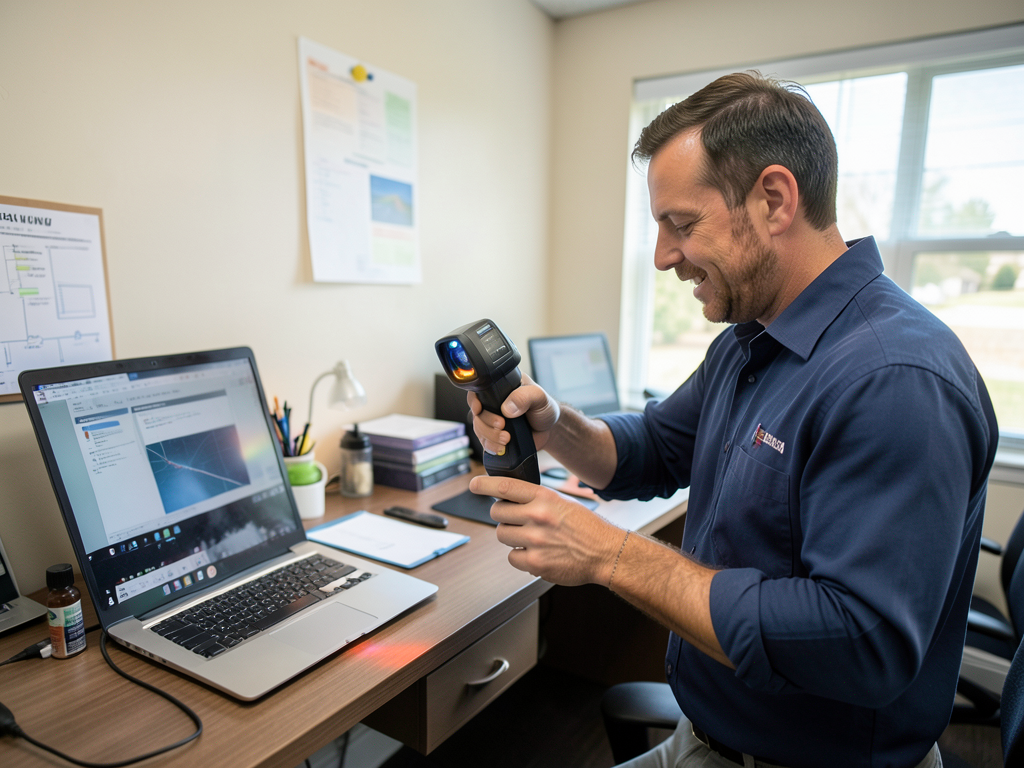
Technicians use tools like anemometers to measure airflow from each vent and infrared thermometers to map temperature differences throughout your home. They check static pressure in your duct system which indicates whether air can flow freely. These measurements reveal whether the problem is with your ducts equipment or home envelope.
Manual J Load Calculation
This computer analysis determines whether your HVAC system is properly sized for your home. Many Atlanta homes have systems that are too small for their actual cooling load especially after additions or renovations. A Manual J calculation considers square footage ceiling height insulation windows and even your home’s orientation to the sun.
Whole-Home Assessment
Professionals should evaluate your entire home’s performance not just the HVAC equipment. This includes checking insulation levels testing for air leaks and assessing how your home’s construction affects temperature distribution. They might recommend a home energy audit to identify all sources of energy loss.
Cost vs. Benefit: Choosing the Right Solution
Different solutions come with different price tags and effectiveness levels. Understanding these trade-offs helps you make the best decision for your situation and budget.
| Solution | Typical Cost Range | Effectiveness | Best For |
|---|---|---|---|
| Duct cleaning and sealing | $300 – $800 | Moderate | Minor airflow issues |
| Duct modifications | $500 – $2,000 | High | Specific room problems |
| Zoning system installation | $2,500 – $5,000 | Very High | Multi-room temperature control |
| Attic insulation upgrade | $1,500 – $4,000 | High | Heat gain issues |
| Variable-speed system replacement | $6,000 – $12,000 | Excellent | Whole-home comfort |
These are general ranges. Your actual costs depend on your home’s specific needs and the scope of work required. Many homeowners find that investing in proper diagnostics saves money by identifying the most cost-effective solution rather than guessing.
Local Success Story: Solving Hot Upstairs Bedrooms in Suwanee
Recently we helped a family in the River Club neighborhood of Suwanee who had the exact problem you are experiencing. Their teenage daughter’s bedroom above the garage stayed five to seven degrees warmer than the rest of the house making it impossible for her to sleep comfortably during summer.
Our diagnostic revealed several issues. The duct supplying her room was undersized for the cooling load. The room had minimal insulation between the garage ceiling and her floor. Plus the return air vent was partially blocked by furniture. We installed a booster fan in the duct resized the supply line and added insulation to the garage ceiling. We also educated the family about proper furniture placement around vents.
The result was a consistent temperature throughout the house and a much happier teenager. The total investment was less than replacing the entire HVAC system and it solved the specific problem permanently.
Preventing Future Temperature Imbalances
Once you solve your hot spare room problem you will want to keep it that way. Regular maintenance and a few smart habits can prevent future issues.
Seasonal Maintenance Schedule
Schedule professional HVAC maintenance twice a year. Spring checkups prepare your system for summer cooling demands. Fall maintenance ensures your heating works properly when temperatures drop. During these visits technicians can catch small issues before they become big problems.
Smart Thermostat Strategies
Use smart thermostats with remote sensors to monitor temperatures in problem areas. Many models allow you to set temperature priorities based on which rooms you use most. Some can even learn your schedule and adjust automatically to maintain comfort where you need it.
Home Envelope Improvements
Keep your home’s insulation and air sealing in good condition. This includes checking weather stripping around doors and windows sealing gaps around penetrations and maintaining proper attic ventilation. These improvements reduce the workload on your HVAC system and improve overall comfort.
Frequently Asked Questions
Is it normal for some rooms to be hotter than others in my Atlanta home?
While minor temperature variations are common a difference of more than three degrees usually indicates an underlying issue. Atlanta’s climate makes these problems more noticeable and uncomfortable than in other regions.
Can I install a window AC unit in my spare bedroom instead of fixing the central system?
Window units can provide temporary relief but they are less efficient noisier and do not address the underlying HVAC issues. They also create humidity problems and can overload your electrical system if not properly installed.
How long does it typically take to diagnose and fix uneven temperatures?
Professional diagnosis usually takes one to two hours. Simple fixes like damper adjustments can be completed the same day. More complex solutions like zoning system installation might take one to two days depending on the scope of work.
Take Control of Your Home’s Comfort Today
Living with a hot spare bedroom office is not just uncomfortable it is a sign that your HVAC system is not working as efficiently as it should. Whether you need a simple duct adjustment a zoning system or a comprehensive home performance upgrade the solution starts with professional diagnosis.
Summit HVAC Atlanta has been helping homeowners across Suwanee Duluth and the greater Atlanta area solve temperature imbalance problems for over 15 years. We understand the unique challenges of Georgia’s climate and we have the tools and expertise to find the right solution for your specific situation.
Do not let another summer pass with your spare room office feeling like a sauna. Call Summit HVAC Atlanta today at (770) 600-9611 to schedule your professional comfort assessment. We will identify the exact cause of your temperature problems and recommend the most cost-effective solution to give you even comfortable temperatures throughout your entire home.
Your comfort is our priority. Let us help you transform that hot spare room into the productive cool office space you deserve. For more information, visit U.S. Department of Energy Air Conditioning Guide.
{
“@context”: “https://schema.org”,
“@type”: “BlogPosting”,
“headline”: “Why Your Spare Bedroom Office in Suwanee is Always Five Degrees Hotter Than the Rest of the House”,
“description”: “Struggling with a hot spare bedroom office in Suwanee? Learn the real HVAC causes and solutions for uneven temperatures in Atlanta homes. Call Summit HVAC today.”,
“wordCount”: 2138,
“datePublished”: “2026-05-11T07:37:00.000Z”,
“dateModified”: “2026-05-11T07:37:00.000Z”,
“inLanguage”: “en-US”,
“mainEntityOfPage”: {
“@type”: “WebPage”,
“@id”: “https://summithvacatlanta.com”
},
“publisher”: {
“@type”: “LocalBusiness”,
“name”: “Summit HVAC Atlanta”,
“url”: “https://summithvacatlanta.com”
},
“author”: {
“@type”: “Organization”,
“name”: “Summit HVAC Atlanta”,
“url”: “https://summithvacatlanta.com”
},
“image”: {
“@type”: “ImageObject”,
“url”: “https://summithvacatlanta.com/wp-content/uploads/2026/03/why-your-spare-bedroom-office-in-suwanee-is-always-1.png”
}
}
{
“@context”: “https://schema.org”,
“@type”: “HVACBusiness”,
“name”: “Summit HVAC Atlanta”,
“url”: “https://summithvacatlanta.com”,
“address”: {
“@type”: “PostalAddress”,
“addressLocality”: “Atlanta”
},
“areaServed”: {
“@type”: “City”,
“name”: “Atlanta”
}
}
{
“@context”: “https://schema.org”,
“@type”: “FAQPage”,
“mainEntity”: [
{
“@type”: “Question”,
“name”: “Is it normal for some rooms to be hotter than others in my Atlanta home?”,
“acceptedAnswer”: {
“@type”: “Answer”,
“text”: “While minor temperature variations are common a difference of more than three degrees usually indicates an underlying issue. Atlanta’s climate makes these problems more noticeable and uncomfortable than in other regions.”
}
},
{
“@type”: “Question”,
“name”: “Can I install a window AC unit in my spare bedroom instead of fixing the central system?”,
“acceptedAnswer”: {
“@type”: “Answer”,
“text”: “Window units can provide temporary relief but they are less efficient noisier and do not address the underlying HVAC issues. They also create humidity problems and can overload your electrical system if not properly installed.”
}
},
{
“@type”: “Question”,
“name”: “How long does it typically take to diagnose and fix uneven temperatures?”,
“acceptedAnswer”: {
“@type”: “Answer”,
“text”: “Professional diagnosis usually takes one to two hours. Simple fixes like damper adjustments can be completed the same day. More complex solutions like zoning system installation might take one to two days depending on the scope of work.”
}
}
]
}
{
“@context”: “https://schema.org”,
“@type”: “BreadcrumbList”,
“itemListElement”: [
{
“@type”: “ListItem”,
“position”: 1,
“name”: “Home”,
“item”: “https://summithvacatlanta.com”
},
{
“@type”: “ListItem”,
“position”: 2,
“name”: “Blog”,
“item”: “https://summithvacatlanta.com/blog”
},
{
“@type”: “ListItem”,
“position”: 3,
“name”: “Why Your Spare Bedroom Office in Suwanee is Always Five Degrees Hotter Than the Rest of the House”
}
]
}
{
“@context”: “https://schema.org”,
“@type”: “Service”,
“serviceType”: “HVAC”,
“provider”: {
“@type”: “LocalBusiness”,
“name”: “Summit HVAC Atlanta”,
“url”: “https://summithvacatlanta.com”
},
“areaServed”: {
“@type”: “City”,
“name”: “Atlanta”
},
“description”: “Struggling with a hot spare bedroom office in Suwanee? Learn the real HVAC causes and solutions for uneven temperatures in Atlanta homes. Call Summit HVAC today.”
}