
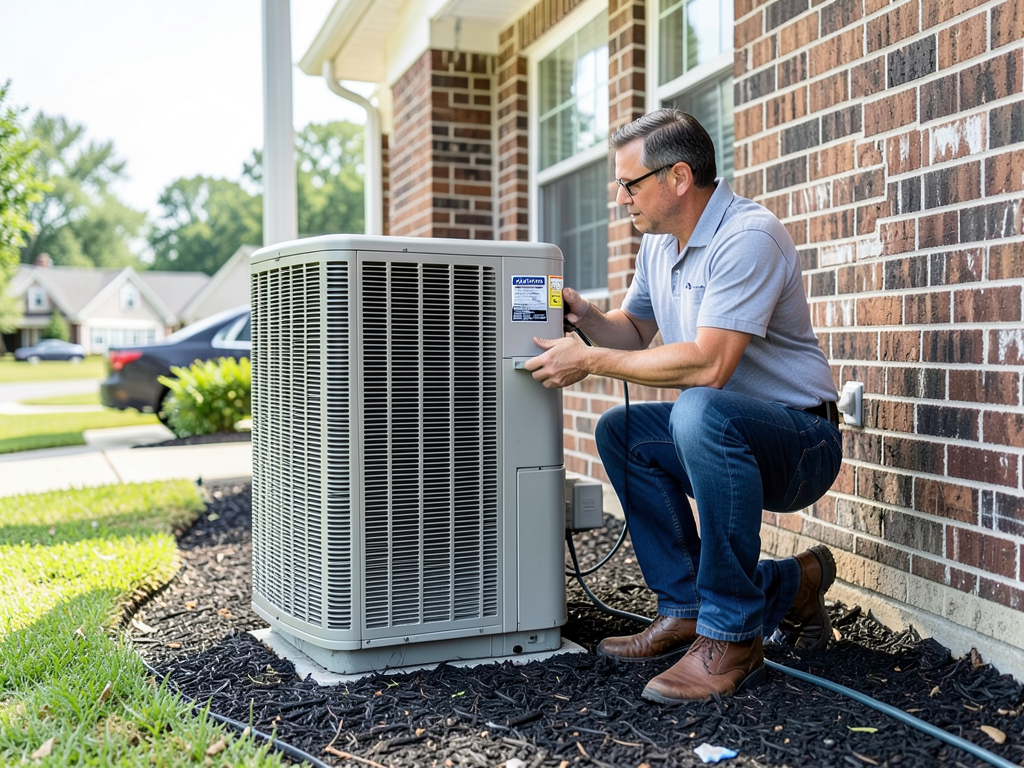
How to Claim Federal Tax Credits for New HVAC Installations in Scottdale
Atlanta homeowners in Scottdale can save thousands on new HVAC systems through federal tax credits. The Inflation Reduction Act created new opportunities for homeowners to upgrade their systems while reducing energy bills and carbon footprints. Understanding how to claim these credits can make a significant difference in your investment.
Understanding Federal Tax Credits for HVAC Systems
The federal government offers tax credits through Section 25C of the Internal Revenue Code. These credits help offset the cost of energy-efficient home improvements including HVAC systems. The current credit structure allows homeowners to claim up to $2,000 for qualifying heat pumps and $600 for high-efficiency central air conditioners and furnaces.
These credits work as a dollar-for-dollar reduction on your federal income tax. If you owe $3,000 in taxes and claim a $2,000 credit you only pay $1,000. Unlike deductions that reduce your taxable income credits directly reduce what you owe.
Qualifying Equipment for Tax Credits
Not every HVAC system qualifies for federal tax credits. The equipment must meet specific efficiency standards set by the Department of Energy. For heat pumps the requirements include minimum SEER2 ratings of 16 and HSPF2 ratings of 8.2 for split systems. Packaged systems need SEER2 ratings of 15 and HSPF2 ratings of 8.0. Department of Energy Energy Saver.
Central air conditioners must achieve SEER2 ratings of 16 and EER2 ratings of 12.5 for split systems. Furnaces need an AFUE rating of 95% or higher. These efficiency standards ensure the equipment will provide meaningful energy savings over its lifetime.
Georgia-Specific HVAC Incentives
Georgia Power offers additional rebates that stack with federal tax credits. Their Home Energy Improvement Program provides rebates up to $450 for qualifying heat pumps and $200 for high-efficiency air conditioners. These rebates apply to both new installations and system replacements. Georgia Power Rebates.
Several Electric Membership Cooperatives throughout Georgia also offer incentives. Jackson EMC provides rebates up to $400 for heat pumps meeting minimum efficiency standards. Cobb EMC offers similar programs for qualifying equipment installed by licensed contractors.
Local utility companies in the Atlanta area frequently update their incentive programs. Checking with your specific provider before purchasing ensures you maximize available savings. Many programs require installation by certified contractors and specific equipment models.
Step-by-Step Guide to Claiming Your Credits
The process of claiming federal tax credits requires specific documentation and careful attention to deadlines. Start by obtaining a Manufacturer’s Certification Statement from your HVAC contractor. This document confirms your equipment meets the efficiency requirements for tax credits.
Keep all receipts from your installation including the equipment purchase labor costs and any additional materials. The IRS requires documentation showing the total cost of your qualifying improvements. Store these documents with your tax records for at least three years. IRS Form 5695.
When filing your taxes complete IRS Form 5695. This form calculates your residential energy credits and transfers the information to your main tax return. You’ll need your equipment’s make model number and purchase date for the form.
Include all supporting documentation with your tax return. While not required to be submitted with your return having these documents ready can help if the IRS requests verification. Many homeowners keep digital copies in cloud storage for easy access.
Scottdale Homeowners Local Climate Considerations
Scottdale’s climate creates unique HVAC challenges. The area experiences hot summers with high humidity levels that strain cooling systems. Heat pumps provide excellent efficiency for both heating and cooling in this climate zone. They extract heat from indoor air during summer and reverse the process for winter heating.
Many Scottdale homes built in the 1950s through 1970s have aging HVAC systems. These units often operate at 60-70% efficiency compared to modern systems at 95% or higher. Upgrading to qualifying equipment can reduce energy consumption by 30% or more.
The red clay soil common in Scottdale can affect outdoor unit installation. Proper concrete pads prevent settling that could damage refrigerant lines or electrical connections. Local building codes require specific installation practices to ensure system longevity.
Comparing Tax Credit Benefits by Equipment Type
| Equipment Type | Maximum Credit | Efficiency Requirements | Typical Annual Savings |
|---|---|---|---|
| Heat Pump | $2,000 | SEER2 16+ HSPF2 8.2+ | $300-500 |
| Central AC | $600 | SEER2 16+ EER2 12.5+ | $200-350 |
| Gas Furnace | $600 | AFUE 95%+ | $150-250 |
| Electric Furnace | $600 | AFUE 95%+ | $100-200 |
Annual Aggregate Limits and Planning
The Section 25C credit has an annual aggregate limit of $3,200 for all energy-efficient home improvements. This means you can combine credits for HVAC systems with other upgrades like insulation windows or doors. Planning multiple improvements in the same tax year maximizes your benefits.
Heat pumps and heat pump water heaters count toward a separate $1,200 annual limit. High-efficiency HVAC equipment has its own $600 limit. Understanding these limits helps you prioritize improvements based on your budget and energy needs.
Many homeowners spread improvements across multiple years to maximize credits. For example you might install a new heat pump one year and add insulation the next. This approach also helps manage the upfront costs of multiple upgrades. Comparing Costs for a New AC Unit in Sandy Springs.
Documentation Required for Tax Filing
Proper documentation ensures smooth tax filing and protects against potential IRS inquiries. The Manufacturer’s Certification Statement proves your equipment qualifies for credits. This statement lists the specific models that meet efficiency requirements.
Installation invoices should itemize all costs including equipment labor and materials. Some homeowners mistakenly believe only equipment costs qualify. The IRS allows credits for both equipment and installation labor when the work improves energy efficiency.
Keep copies of all communication with your contractor regarding the installation. This includes emails confirming equipment selection installation dates and any warranty information. These records provide context if questions arise about your claim.
Professional Installation Requirements
Federal tax credits require professional installation by licensed contractors. DIY installations or work by unlicensed individuals disqualify the equipment from credits. Licensed contractors understand local building codes and ensure proper system sizing for your home.
Professional installation also protects your manufacturer warranties. Many HVAC manufacturers void warranties for improperly installed systems. The combination of tax credits and warranty protection makes professional installation the smart financial choice.
Ask potential contractors about their experience with tax credit qualifying equipment. Contractors familiar with these programs can help you select the right equipment and provide necessary documentation for your tax filing.
Timing Your HVAC Investment
The current tax credit structure runs through 2032. However political changes could affect future availability. Installing qualifying equipment now locks in the current credit rates. Waiting could mean missing out if credits are reduced or eliminated.
Many contractors offer seasonal promotions that combine with tax credits. Spring and fall often provide the best installation scheduling flexibility. These off-peak seasons may also offer better pricing before summer and winter demand increases.
Consider your current system’s condition when timing your investment. If your system is over 10 years old or requires frequent repairs the energy savings from a new qualifying system may offset much of the investment cost.
Common Mistakes to Avoid
One common mistake is assuming all high-efficiency equipment qualifies for tax credits. Always verify specific model numbers with your contractor and obtain the Manufacturer’s Certification Statement before purchasing. Some popular models may not meet the exact requirements.
Another mistake is failing to keep proper documentation. Without receipts and certification statements you cannot claim the credits even if you installed qualifying equipment. Create a dedicated folder for all HVAC improvement documents.
Some homeowners forget to claim credits they’re eligible for. If you’ve installed qualifying equipment in previous years you can still claim those credits by filing amended returns. The IRS allows three years to amend returns and claim missed credits.
Calculating Your Total Return on Investment
The true value of a new HVAC system includes multiple factors beyond tax credits. Energy savings typically provide the largest return over time. A high-efficiency system can reduce monthly utility bills by 30-50% compared to older equipment.
Increased home value represents another benefit. Energy-efficient upgrades appeal to buyers and may increase your home’s market value. Some studies show energy-efficient homes sell faster and at premium prices compared to similar properties.
Improved comfort and reliability add value that’s harder to quantify. Modern systems provide better temperature control humidity management and air filtration. These improvements enhance your daily living experience while the equipment pays for itself through energy savings.
Finding Qualified Contractors in Scottdale
Choosing the right contractor affects both your installation quality and ability to claim tax credits. Look for NATE-certified technicians who understand the efficiency requirements for qualifying equipment. These certifications demonstrate technical expertise and commitment to quality. Improving the Air Quality in Your Brookhaven Home During Pollen Season.
Ask contractors about their experience with Section 25C tax credit installations. Experienced contractors can guide you through equipment selection and provide all necessary documentation for your tax filing. They should also explain how local utility rebates work with federal credits.
Check online reviews and ask for references from recent customers. Pay attention to comments about installation quality cleanup and follow-up service. A good contractor stands behind their work and helps you maximize available incentives.
Future of HVAC Tax Credits
The current tax credit structure through 2032 provides certainty for planning HVAC investments. However energy policy continues to evolve. Future legislation could expand credits add new qualifying technologies or adjust efficiency requirements.
Emerging technologies like geothermal heat pumps and solar-ready HVAC systems may qualify for additional incentives. Staying informed about policy changes helps you make strategic decisions about timing and equipment selection.
Utility companies also adjust their rebate programs based on energy demand and environmental goals. Programs that exist today may change or end in future years. Taking advantage of current incentives while they’re available makes financial sense.
Frequently Asked Questions
Can I claim tax credits if I install the system myself?
No. Federal tax credits require professional installation by licensed contractors. DIY installations disqualify the equipment from credits even if it meets efficiency standards. Professional installation also ensures proper sizing and protects manufacturer warranties.
How long does it take to receive the tax credit benefit?
The credit reduces your tax liability when you file your return typically 1-2 months after installation. If the credit exceeds your tax liability you can carry forward the unused portion to future tax years. The credit has no cash refund option.
Do rental properties qualify for these tax credits?
Second homes and rental properties generally do not qualify for Section 25C credits. The credits apply to your primary residence where you live most of the year. Some energy-efficient improvements for rental properties may qualify under different tax provisions.
Ready to Upgrade Your Scottdale Home?
Understanding how to claim federal tax credits for HVAC installations can save you thousands on your investment. The combination of up to $2,000 for heat pumps and $600 for high-efficiency systems plus Georgia Power rebates makes now an excellent time to upgrade.
Summit HVAC Atlanta has helped hundreds of Scottdale homeowners navigate these incentives and select qualifying equipment. Our NATE-certified technicians understand the efficiency requirements and can provide all necessary documentation for your tax filing.
Don’t let uncertainty about tax credits delay your comfort upgrade. Call Summit HVAC Atlanta today at (770) 600-9611 to schedule a free consultation. We’ll explain your options show you qualifying equipment and help you understand exactly how much you can save through federal credits and local rebates.
Take the first step toward lower energy bills and improved comfort. Your Scottdale home deserves an efficient system that pays for itself through energy savings and tax benefits. Contact us today to learn more about claiming your federal tax credits for HVAC installations.
{
“@context”: “https://schema.org”,
“@type”: “BlogPosting”,
“headline”: “How to Claim Federal Tax Credits for New HVAC Installations in Scottdale”,
“description”: “Learn how Atlanta homeowners can save thousands on new HVAC systems through federal tax credits and Georgia rebates. Get step-by-step guidance for qualifying equipment.”,
“wordCount”: 1939,
“datePublished”: “2026-05-02T11:25:00.000Z”,
“dateModified”: “2026-05-02T11:25:00.000Z”,
“inLanguage”: “en-US”,
“mainEntityOfPage”: {
“@type”: “WebPage”,
“@id”: “https://summithvacatlanta.com”
},
“publisher”: {
“@type”: “LocalBusiness”,
“name”: “Summit HVAC Atlanta”,
“url”: “https://summithvacatlanta.com”
},
“author”: {
“@type”: “Organization”,
“name”: “Summit HVAC Atlanta”,
“url”: “https://summithvacatlanta.com”
},
“image”: {
“@type”: “ImageObject”,
“url”: “https://summithvacatlanta.com/wp-content/uploads/2026/03/how-to-claim-federal-tax-credits-for-new-hvac-inst-1.png”
}
}
{
“@context”: “https://schema.org”,
“@type”: “HVACBusiness”,
“name”: “Summit HVAC Atlanta”,
“url”: “https://summithvacatlanta.com”,
“address”: {
“@type”: “PostalAddress”,
“addressLocality”: “Atlanta”
},
“areaServed”: {
“@type”: “City”,
“name”: “Atlanta”
}
}
{
“@context”: “https://schema.org”,
“@type”: “FAQPage”,
“mainEntity”: [
{
“@type”: “Question”,
“name”: “Can I claim tax credits if I install the system myself?”,
“acceptedAnswer”: {
“@type”: “Answer”,
“text”: “No. Federal tax credits require professional installation by licensed contractors. DIY installations disqualify the equipment from credits even if it meets efficiency standards. Professional installation also ensures proper sizing and protects manufacturer warranties.”
}
},
{
“@type”: “Question”,
“name”: “How long does it take to receive the tax credit benefit?”,
“acceptedAnswer”: {
“@type”: “Answer”,
“text”: “The credit reduces your tax liability when you file your return typically 1-2 months after installation. If the credit exceeds your tax liability you can carry forward the unused portion to future tax years. The credit has no cash refund option.”
}
},
{
“@type”: “Question”,
“name”: “Do rental properties qualify for these tax credits?”,
“acceptedAnswer”: {
“@type”: “Answer”,
“text”: “Second homes and rental properties generally do not qualify for Section 25C credits. The credits apply to your primary residence where you live most of the year. Some energy-efficient improvements for rental properties may qualify under different tax provisions.”
}
},
{
“@type”: “Question”,
“name”: “Ready to Upgrade Your Scottdale Home?”,
“acceptedAnswer”: {
“@type”: “Answer”,
“text”: “Understanding how to claim federal tax credits for HVAC installations can save you thousands on your investment. The combination of up to $2,000 for heat pumps and $600 for high-efficiency systems plus Georgia Power rebates makes now an excellent time to upgrade.”
}
}
]
}
{
“@context”: “https://schema.org”,
“@type”: “BreadcrumbList”,
“itemListElement”: [
{
“@type”: “ListItem”,
“position”: 1,
“name”: “Home”,
“item”: “https://summithvacatlanta.com”
},
{
“@type”: “ListItem”,
“position”: 2,
“name”: “Blog”,
“item”: “https://summithvacatlanta.com/blog”
},
{
“@type”: “ListItem”,
“position”: 3,
“name”: “How to Claim Federal Tax Credits for New HVAC Installations in Scottdale”
}
]
}
{
“@context”: “https://schema.org”,
“@type”: “Service”,
“serviceType”: “HVAC”,
“provider”: {
“@type”: “LocalBusiness”,
“name”: “Summit HVAC Atlanta”,
“url”: “https://summithvacatlanta.com”
},
“areaServed”: {
“@type”: “City”,
“name”: “Atlanta”
},
“description”: “Learn how Atlanta homeowners can save thousands on new HVAC systems through federal tax credits and Georgia rebates. Get step-by-step guidance for qualifying equipment.”
}