
Comparing HEPA Filters and Media Cleaners for Pet Owners in North Springs
Living with pets in North Springs means enjoying constant companionship but also dealing with constant dander, fur, and odors. The Atlanta heat and humidity only make these issues worse by trapping particles inside your home. Many homeowners assume any high-end filter will solve the problem. That assumption can lead to wasted money and even HVAC damage if the filter restricts airflow too much.
The first step is understanding what actually cleans the air in your home. Standard fiberglass filters protect your HVAC system but do almost nothing for airborne allergens. Media cleaners and HEPA filters work differently. Media cleaners use dense pleated material to trap smaller particles like pet dander. HEPA filters capture even more but require special housing because they restrict airflow. Neither type eliminates odors without activated carbon layers. EPA guide to air cleaners and filters.
North Springs homes face unique challenges. The area’s high pollen counts combine with pet allergens to create a double burden on your system. Older homes in the neighborhood often have ductwork that leaks, pulling unfiltered air into the system. The humid Atlanta summers encourage mold growth on filters if they stay wet from pet hair blocking airflow. These local factors mean a one-size-fits-all filter choice rarely works.
Understanding Filter Performance for Pet Owners
Filter performance depends on the MERV rating. MERV stands for Minimum Efficiency Reporting Value. Higher numbers mean smaller particles get trapped. For pet owners, the sweet spot is usually MERV 11 to MERV 13. These ratings capture pet dander, pollen, and most dust without overly restricting airflow in standard residential systems.
MERV 8 filters catch larger particles like dust and some pollen but miss most pet dander. MERV 13 filters trap more but can strain older HVAC systems. HEPA filters, rated MERV 17-20, capture 99.97% of particles but need dedicated housings. Installing a true HEPA filter in a standard furnace can cause the blower motor to overheat and fail.
Media cleaners sit between standard and HEPA filters. They use deep pleated media to achieve MERV 11-16 performance without the extreme airflow restriction of HEPA. Many North Springs homeowners find media cleaners provide the best balance of air cleaning and system protection.
Why Pet Hair and Dander Create Special Problems
Pet hair is visible and annoying but not the main allergen. Pet dander consists of microscopic skin flakes that float in the air for hours. These particles range from 2.5 to 10 microns. A standard filter might catch some, but most pass through into your living space.
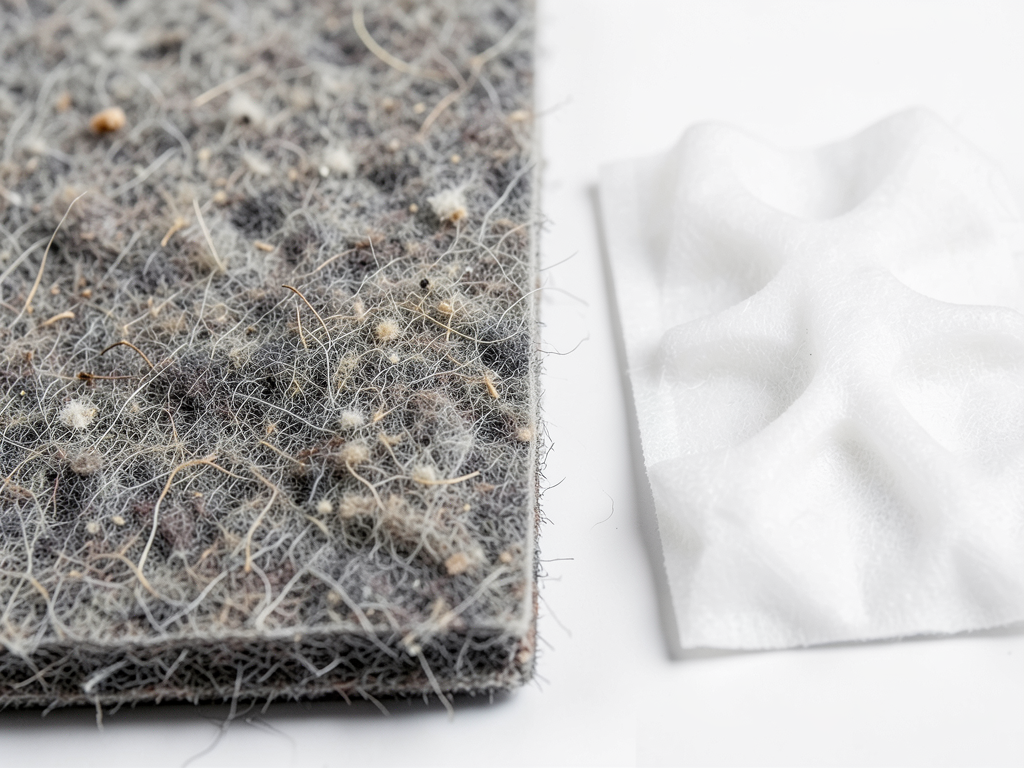
When pet hair accumulates on a filter, it blocks airflow. The system works harder, using more energy and wearing out components faster. In Atlanta’s humidity, wet pet hair on a filter creates an ideal environment for mold and bacteria. This not only reduces filter effectiveness but can actually worsen indoor air quality. Improving the Air Quality in Your Brookhaven Home During Pollen Season.
Odors present another challenge. Physical filters trap particles but cannot capture gas molecules that cause smells. Activated carbon layers bonded to filters absorb these gases. Without carbon, even a MERV 13 filter won’t stop the smell of wet dog or litter box odors.
Media Cleaners vs. HEPA: The Technical Difference
Media cleaners use progressively finer layers of synthetic media to trap particles. As air passes through, larger particles get caught in the outer layers while smaller ones reach the inner layers. This depth-loading design maintains good airflow while achieving high efficiency.
HEPA filters use a different technology. They employ a very fine mesh that forces air through tiny openings. This captures almost everything but also creates significant resistance. Standard residential HVAC systems aren’t designed for this resistance. The blower motor must work much harder, leading to premature failure.
Some manufacturers offer HEPA-style filters rated for residential use. These achieve similar particle capture to true HEPA but with less airflow restriction. They work well in newer systems with variable-speed blowers but can still cause problems in older North Springs homes with standard single-speed motors.
The Atlanta Climate Factor
Atlanta’s climate creates unique HVAC challenges. The combination of heat and humidity means your system runs longer during cooling season. This extended run time means filters trap more particles but also get dirty faster. In North Springs, where many homes are 20-30 years old, ductwork often has gaps that let unfiltered air enter the system.
Spring pollen season in Atlanta is brutal. Oak, pine, and ragweed pollen counts can exceed 1,000 grains per cubic meter. When pets come in from outside, they bring these allergens inside. Your filter must handle both pet dander and outdoor pollen simultaneously.
Humidity affects filter performance too. When filters stay damp from restricted airflow or condensate leaks, they become breeding grounds for microorganisms. This is especially problematic in North Springs homes with crawl spaces or basements where humidity levels stay elevated.
Filter Replacement Schedules for Pet Owners
Standard advice suggests changing filters every 90 days. Pet owners in Atlanta should change them every 30-60 days. Multiple pets or pets that shed heavily may need monthly changes. Waiting too long reduces efficiency and can damage your system.
Signs your filter needs changing include visible dirt buildup, reduced airflow from vents, and increased dust on furniture. If you notice your HVAC running longer to achieve the same temperature, a clogged filter might be the cause.
North Springs residents should check filters monthly during peak pollen season (March through May) and every two months during other seasons. Homes with multiple pets or allergy sufferers need more frequent changes year-round.
Cost Considerations Over Time
Higher-rated filters cost more upfront but can save money long-term. A MERV 11 filter might cost $15-20 versus $5 for a basic filter. However, it traps more particles, keeping your system cleaner. This means fewer professional coil cleanings and potentially longer system life.
Media cleaners typically cost $25-40 but last 6-12 months. Their deep-loading design means they don’t need frequent changes. HEPA filters for residential housings cost $50-100 but require system modifications that add to the initial expense.
Consider the total cost of ownership. A cheap filter that needs monthly changes costs $60-120 per year. A quality media cleaner costing $30-40 per year with annual changes often provides better value when you factor in energy savings and reduced maintenance. Comparing Costs for a New AC Unit in Sandy Springs.
Professional Air Quality Solutions
Sometimes standard filtration isn’t enough. Whole-home air purifiers like the iWave or Reme Halo install directly into your ductwork. They use ionization or UV light to neutralize particles and odors that filters cannot trap. These systems work alongside your existing filter rather than replacing it.
Professional duct cleaning every 3-5 years removes accumulated pet hair, dander, and debris from your system. This improves airflow and reduces the load on your filter. In older North Springs homes, sealing duct leaks prevents unfiltered air from entering the system.
Humidity control is another professional solution. Whole-home dehumidifiers keep humidity between 30-50%, preventing mold growth on filters and improving overall air quality. This is particularly valuable in Atlanta’s climate where summer humidity often exceeds 70%.
Making the Right Choice for Your Home
The best filter depends on your specific situation. Consider your HVAC system age, number of pets, allergy concerns, and budget. Most North Springs homes with pets benefit from MERV 11 media cleaners with activated carbon. These provide excellent particle capture without straining older systems.
If you have severe allergies or multiple pets, upgrading to MERV 13 or a professional air purifier might be worthwhile. Just ensure your system can handle the increased resistance. A qualified HVAC technician can test your system’s static pressure and recommend appropriate options.
Don’t forget about maintenance. Even the best filter fails if neglected. Set calendar reminders for filter changes. Check airflow regularly. Address any unusual noises or reduced performance promptly. These habits protect both your air quality and your HVAC investment. The Only HVAC Maintenance Plan Dunwoody Homeowners Actually Need.
Comparison Table: Filter Options for Pet Owners
| Filter Type | MERV Rating | Best For | Approx. Cost | Change Frequency |
|---|---|---|---|---|
| Standard Fiberglass | 4-6 | Basic system protection | $2-5 | 30-60 days |
| pleated Media | 8-11 | Pet owners, basic allergens | $10-20 | 60-90 days |
| High-Efficiency pleated | 13 | Severe allergies, multiple pets | $15-30 | 60-90 days |
| Media Cleaner | 11-16 | Optimal pet owner solution | $25-40 | 6-12 months |
| HEPA (residential) | 17-20 | Maximum particle capture | $50-100 | 12 months |
Key Factors to Consider
- System compatibility: Older systems may not handle high-MERV filters
- Climate impact: Atlanta humidity affects filter performance and lifespan
- Pet specifics: Number, breed, and shedding patterns influence filter needs
- Health concerns: Allergies or respiratory issues may require higher filtration
- Budget: Balance upfront costs against long-term maintenance savings
Warning Signs Your Filter Choice Is Wrong
Pay attention to these indicators that your current filter isn’t working:
- Whistling sounds from vents (restricted airflow)
- System short cycling (frequent on/off)
- Visible dust accumulation despite recent cleaning
- Musty odors from vents
- Higher than normal energy bills
If you notice these issues, your filter might be too restrictive or too dirty. Have a professional evaluate your system before continuing with the same filter type.
Frequently Asked Questions
Can I just use the highest MERV filter available?
No. The highest MERV filters can severely restrict airflow in standard residential systems. This forces your blower motor to work harder, potentially causing overheating and failure. Always match the filter to your system’s specifications.
How do I know if my HVAC system can handle a high-efficiency filter?
A qualified technician can measure your system’s static pressure with a manometer. Systems designed for high-efficiency filters have variable-speed blowers that can handle the resistance. Older single-speed systems often cannot.
Will a better filter eliminate the need for dusting?
Better filters reduce airborne particles but don’t eliminate dusting entirely. They capture more dust before it settles, but some particles still settle on surfaces. You’ll likely notice less frequent dusting with higher-quality filters.
Should I run my fan continuously to improve filtration?
Running the fan continuously improves air circulation through the filter but increases energy costs. If you have a variable-speed system, continuous fan mode uses minimal extra energy. With older systems, the cost may outweigh the benefits.
How does Atlanta’s pollen season affect my filter choice?
During peak pollen season, your filter captures more particles, getting dirty faster. Consider stepping up to a higher MERV rating during March through May, then returning to your normal filter the rest of the year.

Get Professional Help for Your North Springs Home
Choosing the right filter involves more than picking the highest MERV rating. Your home’s specific needs, your HVAC system’s capabilities, and Atlanta’s unique climate all factor into the decision. What works for a neighbor might not work for you.
Summit HVAC Atlanta has served North Springs and surrounding areas for years. We understand the local challenges of pet ownership in Atlanta’s climate. Our technicians can evaluate your system, test airflow, and recommend the optimal filtration solution for your home.
Don’t guess about your indoor air quality. Call Summit HVAC Atlanta today at (770) 600-9611 to schedule a professional assessment. We’ll help you breathe easier while protecting your HVAC investment. For more information, visit ASHRAE air cleaning standards.
{
“@context”: “https://schema.org”,
“@type”: “BlogPosting”,
“headline”: “Comparing HEPA Filters and Media Cleaners for Pet Owners in North Springs”,
“description”: “Find the best HVAC filter for pet dander and odors in North Springs. Learn about MERV ratings, HEPA limits, and local maintenance tips for cleaner air.”,
“wordCount”: 1866,
“datePublished”: “2026-04-14T11:51:00.000Z”,
“dateModified”: “2026-04-14T11:51:00.000Z”,
“inLanguage”: “en-US”,
“mainEntityOfPage”: {
“@type”: “WebPage”,
“@id”: “https://summithvacatlanta.com”
},
“publisher”: {
“@type”: “LocalBusiness”,
“name”: “Summit HVAC Atlanta”,
“url”: “https://summithvacatlanta.com”
},
“author”: {
“@type”: “Organization”,
“name”: “Summit HVAC Atlanta”,
“url”: “https://summithvacatlanta.com”
},
“image”: {
“@type”: “ImageObject”,
“url”: “https://summithvacatlanta.com/wp-content/uploads/2026/03/comparing-hepa-filters-and-media-cleaners-for-pet-1.png”
}
}
{
“@context”: “https://schema.org”,
“@type”: “HVACBusiness”,
“name”: “Summit HVAC Atlanta”,
“url”: “https://summithvacatlanta.com”,
“address”: {
“@type”: “PostalAddress”,
“addressLocality”: “Atlanta”
},
“areaServed”: {
“@type”: “City”,
“name”: “Atlanta”
}
}
{
“@context”: “https://schema.org”,
“@type”: “FAQPage”,
“mainEntity”: [
{
“@type”: “Question”,
“name”: “Can I just use the highest MERV filter available?”,
“acceptedAnswer”: {
“@type”: “Answer”,
“text”: “No. The highest MERV filters can severely restrict airflow in standard residential systems. This forces your blower motor to work harder, potentially causing overheating and failure. Always match the filter to your system’s specifications.”
}
},
{
“@type”: “Question”,
“name”: “How do I know if my HVAC system can handle a high-efficiency filter?”,
“acceptedAnswer”: {
“@type”: “Answer”,
“text”: “A qualified technician can measure your system’s static pressure with a manometer. Systems designed for high-efficiency filters have variable-speed blowers that can handle the resistance. Older single-speed systems often cannot.”
}
},
{
“@type”: “Question”,
“name”: “Will a better filter eliminate the need for dusting?”,
“acceptedAnswer”: {
“@type”: “Answer”,
“text”: “Better filters reduce airborne particles but don’t eliminate dusting entirely. They capture more dust before it settles, but some particles still settle on surfaces. You’ll likely notice less frequent dusting with higher-quality filters.”
}
},
{
“@type”: “Question”,
“name”: “Should I run my fan continuously to improve filtration?”,
“acceptedAnswer”: {
“@type”: “Answer”,
“text”: “Running the fan continuously improves air circulation through the filter but increases energy costs. If you have a variable-speed system, continuous fan mode uses minimal extra energy. With older systems, the cost may outweigh the benefits.”
}
},
{
“@type”: “Question”,
“name”: “How does Atlanta’s pollen season affect my filter choice?”,
“acceptedAnswer”: {
“@type”: “Answer”,
“text”: “During peak pollen season, your filter captures more particles, getting dirty faster. Consider stepping up to a higher MERV rating during March through May, then returning to your normal filter the rest of the year.”
}
}
]
}
{
“@context”: “https://schema.org”,
“@type”: “BreadcrumbList”,
“itemListElement”: [
{
“@type”: “ListItem”,
“position”: 1,
“name”: “Home”,
“item”: “https://summithvacatlanta.com”
},
{
“@type”: “ListItem”,
“position”: 2,
“name”: “Blog”,
“item”: “https://summithvacatlanta.com/blog”
},
{
“@type”: “ListItem”,
“position”: 3,
“name”: “Comparing HEPA Filters and Media Cleaners for Pet Owners in North Springs”
}
]
}
{
“@context”: “https://schema.org”,
“@type”: “Service”,
“serviceType”: “HVAC”,
“provider”: {
“@type”: “LocalBusiness”,
“name”: “Summit HVAC Atlanta”,
“url”: “https://summithvacatlanta.com”
},
“areaServed”: {
“@type”: “City”,
“name”: “Atlanta”
},
“description”: “Find the best HVAC filter for pet dander and odors in North Springs. Learn about MERV ratings, HEPA limits, and local maintenance tips for cleaner air.”
}