
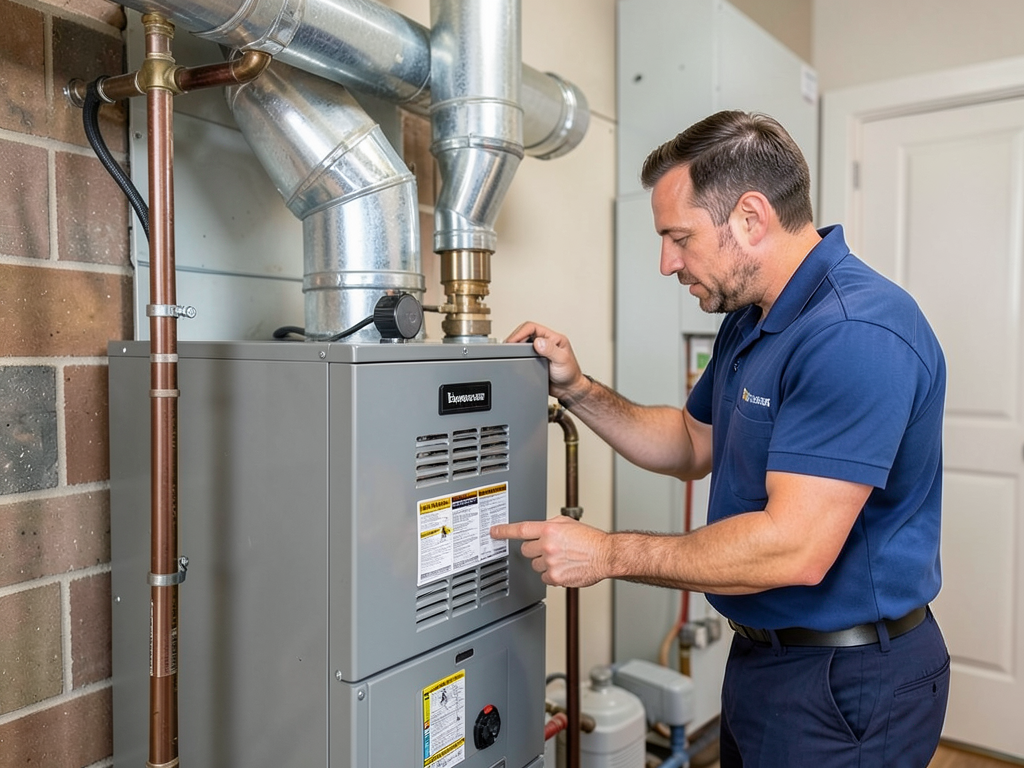
Deciphering the Noises Your Edgewood Furnace Makes and What They Mean
Living in Edgewood means your furnace works hard during those occasional Georgia cold snaps. When it starts making unusual sounds, your first instinct might be to worry. That instinct is right. Strange furnace noises rarely fix themselves and often signal developing problems that could lead to breakdowns or safety hazards.. Read more about Managing Outdoor HVAC Noise and Vibration for College Park Homes near the Airport.
Your furnace speaks a language of clicks, bangs, and hums. Learning to interpret these sounds helps you decide whether to schedule maintenance or call for emergency service. This guide breaks down the most common furnace noises Edgewood homeowners hear and what they mean for your system’s health. The Only HVAC Maintenance Plan Dunwoody Homeowners Actually Need.
Safety First: When to Shut Off Your Furnace Immediately
Before diving into specific sounds, know when to stop everything and call a professional. If you hear any of these along with your furnace noise, shut off the system and call for help:. Read more about Why your Avondale Estates furnace keeps turning on and off too quickly.
- Gas smell or rotten egg odor
- Smoke or burning plastic smell
- Carbon monoxide detector alarm
- Visible flames or sparks
These situations require immediate attention. Gas leaks can cause explosions. Carbon monoxide is odorless and deadly. Never take chances with these warning signs.. Read more about Essential carbon monoxide safety tips for Peachtree Corners families this winter.
Common Furnace Noises and Their Causes
Different sounds point to different problems. Here’s what your furnace might be telling you:
Banging or Booming Sounds
Those loud bangs when your furnace starts up often come from delayed ignition. When gas builds up before igniting, it creates a small explosion that sounds like a gunshot. This happens when:
- Soot or debris blocks burner ports
- The flame sensor fails to detect the flame
- Gas pressure is too high
Another cause is thermal expansion. As metal ductwork heats up, it expands and contracts, creating popping sounds. While less dangerous than ignition problems, repeated expansion noises can indicate undersized ducts or poor installation.
Screeching or Squealing Noises
High-pitched squeals usually come from moving parts. The most common culprits include:. Read more about Common Mistakes People Make When Buying a New Furnace in Norcross.
- Worn blower motor bearings
- Loose or frayed blower belt
- Dirty blower wheel
These sounds often start quietly and get louder over time. A failing blower motor can overheat and shut down your heating system entirely.
Rattling or Vibrating Sounds
Rattling often means something is loose. Check for:
- Loose access panels or screws
- Loose ductwork connections
- Cracked heat exchanger (serious)
A cracked heat exchanger produces a distinctive rattling sound and poses a carbon monoxide risk. If you hear rattling along with a yellow burner flame, shut off the system immediately.
Clicking Noises
Clicking is normal when your furnace starts up or shuts down. However, continuous clicking indicates problems with:
- Ignition system failure
- Faulty flame sensor
- Defective control board
Multiple clicks without ignition suggest the system is trying to start but can’t. This wastes energy and stresses components.
Whistling or Hissing Sounds
Whistling usually means airflow restrictions. Common causes include:
- Clogged air filter
- Closed or blocked vents
- Undersized ductwork
Hissing can indicate a gas leak or air escaping through small holes. Gas leaks require immediate evacuation and professional help.
Humming or Buzzing Noises
Low humming is normal for running motors. Loud humming or buzzing suggests:
- Failed capacitor
- Loose electrical connections
- Worn blower motor
A failing capacitor prevents the motor from starting properly, causing that distinctive humming sound.
Scraping or Grinding Noises
Metal-on-metal sounds indicate serious problems:
- Broken blower wheel
- Worn bearings
- Debris in the blower assembly
Scraping sounds often mean the blower wheel is hitting something. Continuing to run the furnace can destroy the motor.
Thumping or Knocking Sounds
Rhythmic thumping often comes from an unbalanced blower wheel. As the wheel spins off-center, it creates vibrations that sound like knocking. This can damage bearings and reduce efficiency.
Atlanta-Specific Furnace Issues
Edgewood’s climate creates unique challenges for furnaces. Georgia’s red clay soil shifts during freeze-thaw cycles, potentially affecting your furnace’s foundation. High humidity levels can cause condensation issues in venting systems. The mild winters mean furnaces often sit idle for months, allowing dust and debris to accumulate.
Older homes in Edgewood frequently have undersized ductwork designed for less efficient systems. When you upgrade to a high-efficiency furnace, the existing ducts may create whistling or banging sounds due to increased airflow pressure.
Power surges from summer thunderstorms can damage furnace control boards even during the off-season. Many Edgewood homeowners discover furnace problems when they first try to use heat in December or January.
DIY vs. Professional Troubleshooting
Some furnace noises have simple fixes you can handle yourself. Others require professional tools and expertise. Here’s what you can safely check:
- Check the Air Filter
Replace dirty filters. Clogged filters cause whistling and reduce efficiency. Edgewood homes near parks or wooded areas may need more frequent changes due to pollen and dust.
- Inspect Vents and Registers
Ensure all vents are open and unobstructed. Closed vents create pressure imbalances that cause whistling and reduce heating efficiency.
- Listen to the Burner Flame
A healthy flame should be blue and steady. Yellow or flickering flames indicate combustion problems requiring professional service.
- Check Thermostat Settings
Verify the thermostat is set correctly and the batteries are fresh. Sometimes the issue is as simple as incorrect settings.
Never attempt these repairs yourself:
- Gas line work
- Heat exchanger inspection or replacement
- Electrical repairs beyond basic checks
- Refrigerant handling (for heat pump systems)
Emergency Severity Scale for Furnace Noises
Understanding the urgency of different sounds helps you prioritize service calls. Here’s a simple severity scale:
| Noise Type | Severity Level | Action Required |
|---|---|---|
| Banging/booming | High | Schedule within 24-48 hours |
| Screeching/squealing | Medium | Schedule within a week |
| Rattling (with gas smell) | Critical | Shut off immediately, call emergency service |
| Clicking (continuous) | Medium-High | Schedule within 48 hours |
| Whistling | Low-Medium | Check filter, schedule if persists |
| Humming (loud) | Medium | Schedule within a week |
| Scraping | High | Shut off, call for service |
| Thumping | Medium | Schedule within a week |
Cost Factors for Common Furnace Repairs in Atlanta
Repair costs vary based on the problem’s complexity and your furnace’s age. Here are typical cost ranges for common issues: EPA Carbon Monoxide Safety Guide.
| Repair Type | Typical Cost Range | Urgency Level |
|---|---|---|
| Blower motor replacement | $400-$800 | Medium |
| Heat exchanger repair | $1,000-$2,500 | Critical |
| Ignition system repair | $150-$400 | Medium |
| Ductwork repair | $300-$1,000 | Low-Medium |
| Capacitor replacement | $150-$300 | Medium |
| Flame sensor cleaning/replacement | $100-$250 | Low-Medium |
These are 2026 estimates. Actual costs depend on your specific furnace model, the repair’s complexity, and whether emergency service is needed. Comparing Costs for a New AC Unit in Sandy Springs.
Preventing Furnace Noises Through Regular Maintenance
Most furnace problems develop gradually. Regular maintenance catches issues before they become noisy emergencies. A typical maintenance visit includes:
- Cleaning or replacing air filters
- Inspecting and cleaning burners
- Checking heat exchanger for cracks
- Testing safety controls
- Lubricating moving parts
- Checking electrical connections
- Testing carbon monoxide levels
For Edgewood homes, schedule maintenance in early fall before heating season begins. This timing allows technicians to address summer-related issues like dust buildup or pest damage.
Carbon Monoxide Safety
Carbon monoxide (CO) is a silent killer produced by incomplete combustion. Every home with gas appliances needs CO detectors on every level. Place detectors near sleeping areas and at least 15 feet from fuel-burning appliances.
Test CO detectors monthly and replace batteries annually. Detectors typically last 5-7 years. If your CO detector sounds, evacuate immediately and call emergency services.
Symptoms of CO poisoning include headache, dizziness, weakness, nausea, and confusion. These symptoms often affect multiple people in the home simultaneously.
When to Replace vs. Repair
Sometimes repairs aren’t worth the cost. Consider replacement if:
- Your furnace is over 15 years old
- Repair costs exceed 50% of replacement cost
- Energy bills are rising despite maintenance
- You’re experiencing frequent breakdowns
- The heat exchanger is cracked
New furnaces offer significant efficiency improvements. Modern units achieve 90-98% efficiency compared to 60-80% for older models. This efficiency translates to lower energy bills and more consistent heating.
Edgewood-Specific Considerations
Edgewood’s mix of historic and newer homes presents unique furnace challenges. Older homes often have original ductwork that’s too small for modern high-efficiency furnaces. This mismatch causes whistling and banging sounds.
Many Edgewood homes use natural gas, making proper venting crucial. Atlanta’s humidity can cause condensation in vent pipes, leading to corrosion and noise issues. Homes near the Atlanta BeltLine may experience more dust and debris infiltration, requiring more frequent filter changes.
The area’s mature trees can affect outdoor units if you have a heat pump system. Falling leaves and branches can damage components or block airflow, causing unusual sounds when the system runs.
Frequently Asked Questions
Why does my furnace make a loud bang when it turns on?
Loud bangs typically indicate delayed ignition. Gas builds up before igniting, creating a small explosion. This can damage your furnace and poses a safety risk. Schedule professional service immediately.
Is it normal for my furnace to make clicking sounds?
Clicking during startup and shutdown is normal. However, continuous clicking without ignition indicates problems with the ignition system or flame sensor. This requires professional diagnosis.
How often should I replace my furnace filter?
Replace standard 1-inch filters every 30-60 days. Edgewood homes near parks or with pets may need more frequent changes. High-efficiency filters can last up to 90 days but cost more.
What does a failing blower motor sound like?
Failing blower motors produce screeching, squealing, or humming sounds. You might also notice weak airflow or the furnace cycling on and off frequently. These symptoms indicate bearing wear or electrical problems.
Can I keep running my furnace if it’s making strange noises?
Only if you’ve ruled out safety issues like gas leaks or carbon monoxide. Many noises indicate developing problems that will worsen over time. Continuing to run a malfunctioning furnace can cause expensive damage.
How much does furnace repair cost in Atlanta?
Repair costs range from $100 for simple fixes to $2,500+ for major repairs like heat exchanger replacement. Most common repairs fall between $200-$800. Emergency service typically adds 25-50% to standard rates.
Take Action Before Small Noises Become Big Problems
Furnace noises are your system’s way of asking for help. Ignoring them often leads to complete system failure at the worst possible time. If you’re hearing unusual sounds from your Edgewood furnace, don’t wait for a breakdown.
Call Summit HVAC Atlanta at (770) 600-9611 for professional diagnosis and repair. Our NATE-certified technicians understand Edgewood’s unique heating challenges and provide fast, reliable service. We’ll identify the noise source, explain your options, and get your home comfortable again.
Don’t let strange furnace sounds leave you in the cold. Contact us today for emergency service or to schedule routine maintenance. Your comfort and safety are our priority. For more information, visit Department of Energy Furnace Efficiency Guide.
{
“@context”: “https://schema.org”,
“@type”: “BlogPosting”,
“headline”: “Deciphering the Noises Your Edgewood Furnace Makes and What They Mean”,
“description”: “Hear strange sounds from your Edgewood furnace? Learn what common furnace noises mean, when to call a pro, and how Atlanta’s climate affects your heating system.”,
“wordCount”: 1761,
“datePublished”: “2026-04-25T09:08:00.000Z”,
“dateModified”: “2026-04-25T09:08:00.000Z”,
“inLanguage”: “en-US”,
“mainEntityOfPage”: {
“@type”: “WebPage”,
“@id”: “https://summithvacatlanta.com”
},
“publisher”: {
“@type”: “LocalBusiness”,
“name”: “Summit HVAC Atlanta”,
“url”: “https://summithvacatlanta.com”
},
“author”: {
“@type”: “Organization”,
“name”: “Summit HVAC Atlanta”,
“url”: “https://summithvacatlanta.com”
},
“image”: {
“@type”: “ImageObject”,
“url”: “https://summithvacatlanta.com/wp-content/uploads/2026/03/deciphering-the-noises-your-edgewood-furnace-makes-1.png”
}
}
{
“@context”: “https://schema.org”,
“@type”: “HVACBusiness”,
“name”: “Summit HVAC Atlanta”,
“url”: “https://summithvacatlanta.com”,
“address”: {
“@type”: “PostalAddress”,
“addressLocality”: “Atlanta”
},
“areaServed”: {
“@type”: “City”,
“name”: “Atlanta”
}
}
{
“@context”: “https://schema.org”,
“@type”: “FAQPage”,
“mainEntity”: [
{
“@type”: “Question”,
“name”: “Why does my furnace make a loud bang when it turns on?”,
“acceptedAnswer”: {
“@type”: “Answer”,
“text”: “Loud bangs typically indicate delayed ignition. Gas builds up before igniting, creating a small explosion. This can damage your furnace and poses a safety risk. Schedule professional service immediately.”
}
},
{
“@type”: “Question”,
“name”: “Is it normal for my furnace to make clicking sounds?”,
“acceptedAnswer”: {
“@type”: “Answer”,
“text”: “Clicking during startup and shutdown is normal. However, continuous clicking without ignition indicates problems with the ignition system or flame sensor. This requires professional diagnosis.”
}
},
{
“@type”: “Question”,
“name”: “How often should I replace my furnace filter?”,
“acceptedAnswer”: {
“@type”: “Answer”,
“text”: “Replace standard 1-inch filters every 30-60 days. Edgewood homes near parks or with pets may need more frequent changes. High-efficiency filters can last up to 90 days but cost more.”
}
},
{
“@type”: “Question”,
“name”: “What does a failing blower motor sound like?”,
“acceptedAnswer”: {
“@type”: “Answer”,
“text”: “Failing blower motors produce screeching, squealing, or humming sounds. You might also notice weak airflow or the furnace cycling on and off frequently. These symptoms indicate bearing wear or electrical problems.”
}
},
{
“@type”: “Question”,
“name”: “Can I keep running my furnace if it’s making strange noises?”,
“acceptedAnswer”: {
“@type”: “Answer”,
“text”: “Only if you’ve ruled out safety issues like gas leaks or carbon monoxide. Many noises indicate developing problems that will worsen over time. Continuing to run a malfunctioning furnace can cause expensive damage.”
}
},
{
“@type”: “Question”,
“name”: “How much does furnace repair cost in Atlanta?”,
“acceptedAnswer”: {
“@type”: “Answer”,
“text”: “Repair costs range from $100 for simple fixes to $2,500+ for major repairs like heat exchanger replacement. Most common repairs fall between $200-$800. Emergency service typically adds 25-50% to standard rates.”
}
}
]
}
{
“@context”: “https://schema.org”,
“@type”: “HowTo”,
“name”: “Basic Furnace Troubleshooting”,
“step”: [
{
“@type”: “HowToStep”,
“position”: 1,
“name”: “Check the Air Filter”,
“text”: “Replace dirty filters. Clogged filters cause whistling and reduce efficiency. Edgewood homes near parks or wooded areas may need more frequent changes due to pollen and dust.”
},
{
“@type”: “HowToStep”,
“position”: 2,
“name”: “Inspect Vents and Registers”,
“text”: “Ensure all vents are open and unobstructed. Closed vents create pressure imbalances that cause whistling and reduce heating efficiency.”
},
{
“@type”: “HowToStep”,
“position”: 3,
“name”: “Listen to the Burner Flame”,
“text”: “A healthy flame should be blue and steady. Yellow or flickering flames indicate combustion problems requiring professional service.”
},
{
“@type”: “HowToStep”,
“position”: 4,
“name”: “Check Thermostat Settings”,
“text”: “Verify the thermostat is set correctly and the batteries are fresh. Sometimes the issue is as simple as incorrect settings.”
}
],
“image”: “https://summithvacatlanta.com/wp-content/uploads/2026/03/deciphering-the-noises-your-edgewood-furnace-makes-1.png”
}
{
“@context”: “https://schema.org”,
“@type”: “BreadcrumbList”,
“itemListElement”: [
{
“@type”: “ListItem”,
“position”: 1,
“name”: “Home”,
“item”: “https://summithvacatlanta.com”
},
{
“@type”: “ListItem”,
“position”: 2,
“name”: “Blog”,
“item”: “https://summithvacatlanta.com/blog”
},
{
“@type”: “ListItem”,
“position”: 3,
“name”: “Deciphering the Noises Your Edgewood Furnace Makes and What They Mean”
}
]
}
{
“@context”: “https://schema.org”,
“@type”: “Service”,
“serviceType”: “HVAC”,
“provider”: {
“@type”: “LocalBusiness”,
“name”: “Summit HVAC Atlanta”,
“url”: “https://summithvacatlanta.com”
},
“areaServed”: {
“@type”: “City”,
“name”: “Atlanta”
},
“description”: “Hear strange sounds from your Edgewood furnace? Learn what common furnace noises mean, when to call a pro, and how Atlanta’s climate affects your heating system.”
}