
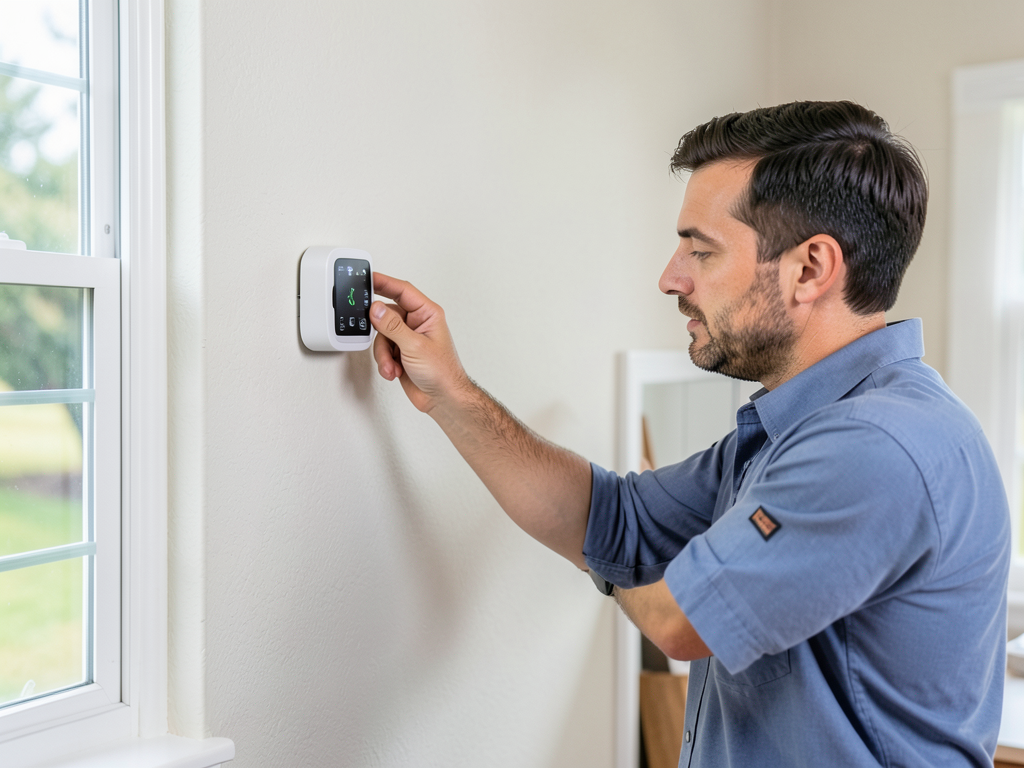
Finding the best spot for your thermostat in a Garden Hills ranch home can make the difference between a comfortable living space and a house that never feels quite right. Many homeowners in Atlanta’s historic Garden Hills neighborhood deal with uneven temperatures that leave some rooms too hot while others stay chilly. The problem often starts with where the thermostat lives.. Read more about Why Your Thermostat Location Might Be Ruining Your Comfort in Powder Springs.
Ranch homes in Garden Hills typically feature single-level layouts with open floor plans. These homes were built between the 1920s and 1950s, long before modern HVAC zoning systems became common. The single thermostat setup that works for many newer homes can struggle in these older ranch designs, especially when the thermostat sits in a poor location.. Read more about Integrating Your HVAC System into a Complete North Druid Hills Smart Home.
The first step to solving comfort issues is understanding how thermostat placement affects your entire HVAC system. A thermostat that reads the wrong temperature forces your system to run longer than necessary, wasting energy and wearing out components faster. In Atlanta’s humid climate, this becomes even more critical since your system needs to handle both temperature and moisture control.
The Golden Rule: The 5-Foot, Interior Wall Standard
The Department of Energy recommends mounting thermostats on interior walls at a height between 52 and 60 inches from the floor. This height matches the average human breathing zone and provides the most accurate temperature readings for occupied spaces.
Interior walls work best because they maintain more stable temperatures than exterior walls. Exterior walls experience significant temperature swings from direct sunlight, cold winter winds, and heat transfer through the building envelope. A thermostat on an exterior wall might read 75 degrees when the rest of your home sits at 70.
Garden Hills ranch homes often feature plaster walls and minimal insulation compared to modern construction. This makes interior wall placement even more important since exterior walls can vary by 10 degrees or more from room temperature.
5 Places You Should Never Install a Thermostat
Certain locations guarantee poor performance regardless of your HVAC system’s quality. These spots create what technicians call “ghost readings” – temperatures that don’t reflect actual living conditions. Improving the Air Quality in Your Brookhaven Home During Pollen Season.
- Above or near supply vents – The cold air blowing directly on the thermostat tricks it into thinking the room is cooler than it actually is. This causes your system to shut off too early, leaving other areas warm.
- Next to windows or exterior doors – Drafts and radiant heat from sunlight create false readings. A thermostat near a south-facing window in summer might read 10 degrees higher than the actual room temperature.
- In kitchens – Cooking appliances generate significant heat. A thermostat in the kitchen will signal your system to cool the entire house when only that room needs it.
- Near electronics or lamps – Heat from televisions, computers, and lighting can raise the local temperature enough to affect readings.
- In hallways or dead zones – These areas often don’t reflect the temperature of occupied rooms where you actually spend time.
Many Garden Hills homes have thermostats mounted above doorways or in hallways – classic examples of poor placement that leads to comfort complaints.
How Atlanta’s Humidity Affects Temperature Readings
Atlanta’s humid subtropical climate creates unique challenges for thermostat placement. High humidity makes air feel warmer than the actual temperature, and your HVAC system must remove both heat and moisture to maintain comfort.
When a thermostat sits in a location affected by humidity variations, it can cause your system to short-cycle. Short-cycling happens when the system turns on and off frequently without completing a full cooling cycle. This wastes energy and prevents proper dehumidification.
The Department of Energy notes that proper thermostat placement can improve HVAC efficiency by 10-15%. In Atlanta’s climate, this translates to better humidity control and lower energy bills.
Garden Hills homes often feature large windows and open layouts that expose thermostats to more humidity fluctuations. A thermostat near a bathroom or laundry area might register higher humidity levels, causing unnecessary cooling cycles.
Multi-Story Homes: Placement Strategies for Heat Rise
While this guide focuses on ranch homes, many Garden Hills properties have finished basements or split-level designs that create temperature stratification. Heat naturally rises, so upper levels stay warmer than lower ones.
For single-level homes, the main living area typically provides the best location. This usually means a central spot in the family room, living room, or dining area where people spend the most time.
If your ranch home has vaulted ceilings or an open loft area, consider how air circulation affects different zones. A thermostat placed too close to a ceiling fan or high window might read temperatures that don’t represent the occupied space below.. Read more about Managing Multiple HVAC Zones for Large Multi-Generational Homes in Sugar Hill.
Modern smart thermostats can help compensate for these challenges by learning your home’s patterns and adjusting accordingly. However, even the smartest thermostat can’t overcome fundamentally poor placement.
The Role of Remote Sensors in Modern HVAC Systems
Smart thermostat technology has revolutionized how we think about temperature control. Devices from Nest, Ecobee, and Honeywell now offer wireless remote sensors that can monitor temperatures in different rooms.
For Garden Hills ranch homes with challenging layouts, remote sensors provide a cost-effective alternative to full zoning systems. You can place sensors in bedrooms, home offices, or other frequently used spaces to get a more accurate picture of your home’s comfort level.
Ecobee’s sensors, for example, can average readings from multiple locations or prioritize specific rooms at certain times of day. This means your bedroom can stay cool at night while the living room remains comfortable during the day – all controlled by a single thermostat with multiple sensors.
The EPA recommends maintaining consistent temperatures throughout living spaces to reduce asthma and allergy triggers. Remote sensors help achieve this consistency without the expense of multiple thermostats.
When to Call an Atlanta HVAC Pro for Relocation
Some thermostat relocation projects require professional expertise. If your thermostat wiring runs through exterior walls or you need to add new wiring for a different location, calling a licensed HVAC technician makes sense.
Professional relocation typically costs between $150-300 in the Atlanta area, depending on the complexity of the job. This investment often pays for itself through improved comfort and energy savings within a year. Comparing Costs for a New AC Unit in Sandy Springs.
Summit HVAC Atlanta technicians understand the specific challenges of Garden Hills homes. They know how to work with plaster walls, navigate older electrical systems, and recommend optimal locations based on your home’s unique layout.
During a professional assessment, technicians evaluate your entire HVAC system, not just the thermostat location. They check for airflow issues, duct problems, and other factors that might contribute to comfort complaints.
Smart Thermostat Compatibility with Older Garden Hills Homes
Many Garden Hills ranch homes use older HVAC systems that may not be compatible with the latest smart thermostat features. Before investing in a new thermostat, verify compatibility with your existing equipment.
Most modern smart thermostats work with standard heating and cooling systems, but older heat pump systems or multi-stage equipment might need specific models. The Nest Learning Thermostat, Ecobee SmartThermostat, and Honeywell Home T9 all offer different compatibility profiles.
Professional installation ensures your new thermostat communicates correctly with your HVAC system. This prevents issues like short-cycling, improper heating or cooling stages, and system errors that can damage expensive equipment.
Common Thermostat Mistakes Garden Hills Homeowners Make
Beyond poor placement, several other mistakes can undermine your HVAC system’s performance. Understanding these helps you get the most from your investment in comfort.
- Ignoring manufacturer guidelines – Each thermostat model has specific requirements for placement, wiring, and operation. Following these guidelines prevents most common issues.
- Blocking airflow – Furniture, curtains, or decorations near the thermostat can interfere with temperature readings and system performance.
- Frequent manual adjustments – Constantly changing settings forces your system to work harder and reduces efficiency gains from programmable features.
- Neglecting maintenance – Dirty filters, blocked vents, and poorly maintained equipment make even perfectly placed thermostats ineffective.
Garden Hills residents often inherit thermostat setups from previous owners without considering whether the placement still makes sense for their family’s needs and usage patterns.
Atlanta Building Codes and Thermostat Installation
Georgia building codes don’t specify exact thermostat locations, but they do require proper installation and accessibility. The International Residential Code, adopted with Georgia amendments, requires HVAC controls to be readily accessible for operation and maintenance. The Only HVAC Maintenance Plan Dunwoody Homeowners Actually Need.
Professional installation ensures compliance with local codes and manufacturer warranties. Improper installation can void warranties and create safety hazards, especially in older homes with outdated wiring.
Summit HVAC Atlanta stays current with all Atlanta building codes and can handle any necessary permits for thermostat relocation or system upgrades. Their technicians understand the specific requirements for historic districts like Garden Hills.
Testing Your Current Thermostat Location
Before deciding whether to relocate your thermostat, test its current performance. Use a separate thermometer to compare readings in different rooms, especially areas where you spend the most time.
Place the test thermometer at sitting height (about 3-4 feet off the floor) in your main living area. Compare this reading to your thermostat’s display over several days, noting patterns during different times and weather conditions.
Significant discrepancies (more than 2-3 degrees) suggest your thermostat might be in a poor location. Consistent small differences are normal due to the thermostat’s height and the natural temperature gradient in your home.
Also note whether certain rooms feel too hot or cold compared to the thermostat setting. This can indicate placement issues even if the temperature readings seem accurate.
DIY vs. Professional Thermostat Relocation
Simple thermostat moves might seem like DIY projects, but several factors make professional installation worthwhile:
| Factor | DIY Consideration | Professional Advantage |
|---|---|---|
| Electrical Safety | Risk of shock or fire if wiring is incorrect | Proper handling of low-voltage and line-voltage components |
| Wall Repair | Visible patching of old and new locations | Professional drywall repair and painting |
| System Compatibility | Risk of damaging HVAC equipment | Proper configuration for your specific system |
| Warranty Protection | May void equipment warranties | Maintains all manufacturer warranties |
| Long-term Performance | Potential for recurring issues | Optimal placement for your home’s layout |
For most Garden Hills homeowners, the peace of mind and guaranteed results make professional installation the better choice.
Future-Proofing Your Thermostat Setup
As HVAC technology evolves, your thermostat needs may change. Consider these factors when evaluating your current setup:
Smart Home Integration – Modern thermostats connect with voice assistants, mobile apps, and home automation systems. Ensure your chosen location has Wi-Fi coverage and fits your smart home ecosystem.
Energy Monitoring – Many new thermostats track energy usage and provide optimization suggestions. These features work best when the thermostat accurately represents your home’s conditions.
Remote Access – Being able to adjust your home’s temperature from anywhere adds convenience but requires reliable connectivity. Consider how your chosen location affects signal strength.
System Upgrades – If you’re planning to upgrade your HVAC system in the next few years, discuss thermostat compatibility with your HVAC contractor to avoid future compatibility issues.
Making the Right Choice for Your Garden Hills Home
The best thermostat location balances several factors: accurate temperature readings, accessibility for adjustments, protection from heat sources, and integration with your home’s layout. For most Garden Hills ranch homes, this means an interior wall in the main living area, away from vents, windows, and heat-generating appliances.
If you’re experiencing comfort issues or high energy bills, don’t assume your HVAC system needs replacement. Often, simple adjustments like thermostat relocation or adding remote sensors can solve the problem at a fraction of the cost.
Summit HVAC Atlanta offers free consultations to evaluate your current setup and recommend solutions tailored to your specific home and needs. Their experienced technicians understand the unique characteristics of Garden Hills homes and can help you achieve the comfort and efficiency you deserve. Specialized HVAC Solutions for Historic Virginia-Highland Homes.
Don’t let poor thermostat placement cost you comfort and money. Contact Summit HVAC Atlanta today at (770) 600-9611 to schedule your evaluation. Their team will help you find the perfect spot for your thermostat and ensure your Garden Hills home stays comfortable year-round.
{
“@context”: “https://schema.org”,
“@type”: “BlogPosting”,
“headline”: “Finding the Best Spot for Your Thermostat in a Garden Hills Ranch Home”,
“description”: “Discover optimal thermostat placement for your Garden Hills ranch home. Learn how Atlanta’s humidity and ranch layouts affect comfort and efficiency.”,
“wordCount”: 2015,
“datePublished”: “2026-04-09T07:33:00.000Z”,
“dateModified”: “2026-04-09T07:33:00.000Z”,
“inLanguage”: “en-US”,
“mainEntityOfPage”: {
“@type”: “WebPage”,
“@id”: “https://summithvacatlanta.com”
},
“publisher”: {
“@type”: “LocalBusiness”,
“name”: “Summit HVAC Atlanta”,
“url”: “https://summithvacatlanta.com”
},
“author”: {
“@type”: “Organization”,
“name”: “Summit HVAC Atlanta”,
“url”: “https://summithvacatlanta.com”
},
“image”: {
“@type”: “ImageObject”,
“url”: “https://summithvacatlanta.com/wp-content/uploads/2026/03/finding-the-best-spot-for-your-thermostat-in-a-gar-1.png”
}
}
{
“@context”: “https://schema.org”,
“@type”: “HVACBusiness”,
“name”: “Summit HVAC Atlanta”,
“url”: “https://summithvacatlanta.com”,
“address”: {
“@type”: “PostalAddress”,
“addressLocality”: “Atlanta”
},
“areaServed”: {
“@type”: “City”,
“name”: “Atlanta”
}
}
{
“@context”: “https://schema.org”,
“@type”: “BreadcrumbList”,
“itemListElement”: [
{
“@type”: “ListItem”,
“position”: 1,
“name”: “Home”,
“item”: “https://summithvacatlanta.com”
},
{
“@type”: “ListItem”,
“position”: 2,
“name”: “Blog”,
“item”: “https://summithvacatlanta.com/blog”
},
{
“@type”: “ListItem”,
“position”: 3,
“name”: “Finding the Best Spot for Your Thermostat in a Garden Hills Ranch Home”
}
]
}
{
“@context”: “https://schema.org”,
“@type”: “Service”,
“serviceType”: “HVAC”,
“provider”: {
“@type”: “LocalBusiness”,
“name”: “Summit HVAC Atlanta”,
“url”: “https://summithvacatlanta.com”
},
“areaServed”: {
“@type”: “City”,
“name”: “Atlanta”
},
“description”: “Discover optimal thermostat placement for your Garden Hills ranch home. Learn how Atlanta’s humidity and ranch layouts affect comfort and efficiency.”
}