
How HVAC Leaks Can Lead to Termite Problems in Your Marietta Home
Living in Marietta means dealing with Georgia’s notorious humidity and the constant threat of termites. What many homeowners don’t realize is that their HVAC system could be creating the perfect conditions for these destructive pests to thrive right outside their foundation. When your air conditioning unit leaks or has poor drainage, it creates moisture-rich soil that attracts subterranean termites like a beacon.
Atlanta’s climate creates a unique challenge. Our hot summers mean air conditioners run constantly, producing significant condensation. When that moisture pools around your foundation instead of draining away properly, it creates an environment where termites can establish colonies and work their way into your home. The connection between HVAC condensation and termite infestations is direct and preventable with the right knowledge and maintenance. NC State University termite biology.
Understanding the Moisture-Termite Connection
Subterranean termites need moisture to survive. They build mud tubes to travel between their colony in the soil and the wood in your home. These tubes protect them from drying out while they forage for food. When your HVAC system creates excess moisture near your foundation, it provides exactly what termites need to establish and expand their colonies.
Georgia’s red clay soil compounds the problem. This dense soil doesn’t drain well, meaning water from HVAC condensation can pool for days after a storm or AC cycle. The combination of constant humidity from Atlanta summers and poor drainage creates a moisture trap that termites find irresistible. Once they establish a colony near your foundation, they can access your home through tiny cracks in the concrete or where pipes enter the structure.
Formosan termites, which are particularly aggressive and common in Georgia, can establish colonies of several million individuals. These colonies can cause extensive damage in just a few months. The moisture from HVAC leaks provides the perfect starting point for these destructive pests to begin their invasion of your Marietta home.
Common HVAC Issues That Create Termite-Conducive Conditions
Several HVAC problems can lead to excess moisture near your foundation. Understanding these issues helps you identify potential problems before termites take advantage of them. Here are the most common culprits:
Clogged Condensate Drain Lines
Your air conditioner’s evaporator coil pulls moisture from the air, which collects in a drain pan and flows through a condensate line. Over time, algae, mold, and debris can clog this line. When the drain line clogs, water backs up and overflows from the drain pan, often spilling near your foundation.
Many Marietta homes have their air handlers in crawl spaces or attics. A clogged drain line in these locations can cause water to pool in areas where you can’t see it, creating hidden moisture problems that attract termites. The musty smell of mold often accompanies these issues, but by the time you notice it, termites may already be active.
Cracked or Damaged Drain Pans
The drain pan under your evaporator coil can develop cracks over time, especially in older systems. These pans are often made of plastic or metal that can become brittle with age and temperature changes. A cracked drain pan allows water to leak directly onto your floor or into your crawl space.
Even small cracks can release significant amounts of water over time. This slow, consistent moisture release creates ideal conditions for termites to establish colonies near your foundation. The damage often goes unnoticed because the leaks are small and gradual.
Improper Drain Line Termination
Many HVAC installers terminate condensate drain lines too close to the foundation. Building codes typically require drain lines to extend at least 5 feet from the foundation, but this isn’t always followed. When drain lines terminate near the foundation, all the moisture from your AC system concentrates in one area.
Some drain lines terminate in landscaped areas with mulch or ground cover. These materials hold moisture and provide cover for termites to travel from the soil to your home. The constant moisture from the drain line keeps these areas perpetually damp, creating perfect termite habitat.
Failed Condensate Pumps
Homes with air handlers in basements or below-grade locations often use condensate pumps to move water uphill to drain lines. When these pumps fail, water can back up and overflow, creating significant moisture problems. The failure often happens gradually, with the pump running intermittently before stopping completely.
A failed condensate pump can release gallons of water in a short time, saturating the soil around your foundation. This sudden influx of moisture can trigger rapid termite activity and colony establishment.
Signs of Termite Activity Near Your HVAC System
Early detection of termite activity can save you thousands in repair costs. Here are the key signs to watch for around your HVAC system and foundation: EPA information on biological contaminants.
Mud Tubes Along Foundation Walls
Subterranean termites build pencil-thin mud tubes to travel between their colony and food sources. These tubes often appear along foundation walls, especially near HVAC equipment. The tubes protect termites from predators and dehydration while they forage.
Look for mud tubes that are about the width of a pencil and have a muddy, earthy appearance. They may appear suddenly, growing from small spots to several feet long in just a few weeks when conditions are right. Check the area around your outdoor condenser unit and along foundation walls where HVAC lines enter your home.
Soggy or Eroded Soil Near Foundation
Excess moisture from HVAC leaks creates visible changes in soil conditions. You may notice areas of soil that stay wet long after rain stops, or spots where the soil appears eroded or washed out. This moisture damage often appears as depressions or low spots near your foundation.
In Marietta’s red clay soil, these moisture problems can create standing water that persists for days. The soil may have a darker, muddier appearance than surrounding areas. This constant moisture is exactly what termites need to thrive.
Wood Damage Near HVAC Equipment
Check for wood damage around your air handler, furnace, or any wooden structures near your HVAC equipment. Termites often start by damaging wood that’s in direct contact with soil or in areas with high moisture. This might include floor joists in crawl spaces, wooden sill plates, or trim around basement windows.
Termite damage often appears as hollowed-out wood with a honeycomb pattern inside. The exterior may look intact while the interior is completely destroyed. Tap on suspect wood with a screwdriver handle – damaged wood will sound hollow or may even crumble when pressed.
Winged Termites Near Windows or Light Fixtures
Termite swarmers, or alates, emerge in large numbers during spring to establish new colonies. These winged termites are often mistaken for flying ants, but they have straight antennae and equal-length wings. Finding swarmers inside your home indicates an active colony nearby.
Swarmers are attracted to light, so you might find them near windows, light fixtures, or HVAC vents. The presence of swarmers means a mature colony is nearby and actively reproducing. This is a clear sign that moisture conditions around your home are supporting termite activity.
Prevention Strategies for Marietta Homeowners
Preventing termite problems requires addressing both the moisture source and creating barriers to termite entry. Here’s a comprehensive prevention checklist for Marietta homeowners:
Extend and Redirect Drain Lines
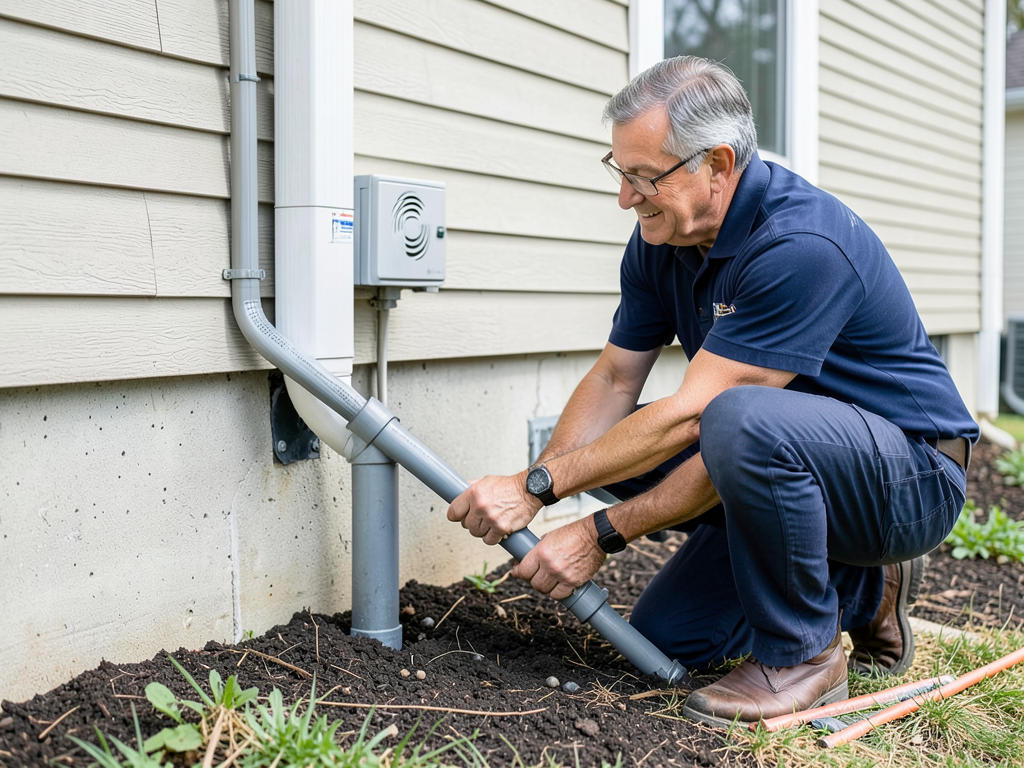
Ensure all condensate drain lines extend at least 5 feet from your foundation. Use PVC pipe extensions or flexible tubing to carry water away from your home. Direct the water toward areas with good drainage or into underground drainage systems.
Consider installing drain line extensions that can be buried underground. This keeps the drainage system out of sight while effectively moving water away from your foundation. Make sure the extensions slope downward to prevent water from backing up into the drain line.
Install Secondary Drain Pans with Float Switches
Secondary drain pans catch water if the primary pan overflows or develops leaks. Install these pans under air handlers in attics and crawl spaces. Connect the secondary pan to a separate drain line or install a float switch that shuts off the AC when the secondary pan fills with water.
Float switches provide automatic protection by turning off your AC when water levels get too high. This prevents overflow and gives you time to address the underlying problem before significant damage occurs. Many newer HVAC systems include these switches as standard equipment.
Regular HVAC Maintenance Schedule
Schedule annual HVAC maintenance with a qualified technician who understands local conditions. A thorough inspection should include checking drain lines for clogs, inspecting drain pans for cracks, testing condensate pumps, and verifying proper drainage. The Only HVAC Maintenance Plan Dunwoody Homeowners Actually Need.
During maintenance visits, technicians can clean algae and mold from drain lines, apply treatments to prevent future growth, and identify developing problems before they cause significant moisture issues. This proactive approach prevents the conditions that attract termites.
Foundation Moisture Barriers
Install moisture barriers around your foundation to prevent water from seeping into the soil near your home. These barriers might include waterproof membranes, proper grading to direct water away from your foundation, or French drains to collect and redirect subsurface water.
Ensure your landscaping slopes away from your foundation at a rate of at least 6 inches of fall over the first 10 feet. This simple grading adjustment can significantly reduce moisture accumulation near your foundation and make your home less attractive to termites.
Termite Monitoring Systems
Install termite monitoring stations around your property, especially near HVAC equipment and other moisture sources. These stations contain wood that attracts termites, allowing you to detect activity before termites reach your home. Professional pest control companies can install and monitor these systems.
Regular monitoring gives you early warning of termite activity so you can address moisture problems and implement treatment before significant damage occurs. This is particularly important in Marietta where termite pressure is high year-round.
Local Climate Factors Affecting Termite Activity
Atlanta’s climate creates ideal conditions for both HVAC condensation and termite activity. Understanding these local factors helps you appreciate why prevention is so important in Marietta.
Georgia experiences high humidity levels throughout much of the year, with summer humidity often exceeding 80%. This moisture in the air means your air conditioner must work harder to cool your home, producing more condensation. The constant moisture production creates ongoing opportunities for drainage problems to develop.
Atlanta’s mild winters mean termites remain active year-round. Unlike northern states where cold weather forces termites into dormancy, Georgia’s temperatures rarely stay below freezing long enough to significantly impact termite activity. This means moisture problems can lead to year-round termite pressure.
Spring and fall bring frequent rainfall to the Atlanta area. These seasonal rains can overwhelm drainage systems and create temporary flooding conditions. When your HVAC system is already producing moisture and seasonal rains add more water, the cumulative effect can create perfect termite habitat.
Recent climate data shows Georgia’s humidity levels have increased over the past decade, likely due to broader climate patterns. This increase in humidity means modern HVAC systems produce more condensation than older units, making proper drainage even more critical for termite prevention.
When to Call a Professional
While many prevention steps are DIY-friendly, certain situations require professional expertise. Here’s when to call in the experts:
Contact an HVAC professional if you notice water stains on ceilings or walls near air vents, musty odors from your HVAC system, or if your AC shuts off unexpectedly. These symptoms often indicate drainage problems that require professional diagnosis and repair.
Call a pest control professional if you discover mud tubes, see winged termites, or find wood damage that might be termite-related. Termite treatment requires specialized knowledge and equipment to be effective. Professional inspections can also identify moisture problems you might have missed. Specialized HVAC Solutions for Historic Virginia-Highland Homes.
Consider a combined inspection from both HVAC and pest control professionals if you’re buying a home in Marietta or if you’ve had recurring moisture or termite problems. This comprehensive approach addresses both the mechanical and biological aspects of the problem.
Professional HVAC technicians can install advanced drainage solutions like condensate pumps with backup systems, secondary drain pans with alarms, and smart monitoring systems that alert you to developing problems. These solutions provide peace of mind and protect your home from both water damage and termite infestations.
Local Building Codes and Best Practices
Georgia building codes include specific requirements for HVAC condensate disposal that help prevent moisture problems. The International Residential Code, with Georgia amendments, requires condensate to be disposed of properly to prevent damage to building components.
Local codes typically require condensate drain lines to terminate at least 5 feet from the foundation or connect to approved drainage systems. Some jurisdictions require secondary drain pans for equipment located in attics or other areas where leaks could cause damage. These requirements exist specifically to prevent the moisture problems that attract termites.
Many Marietta homes were built before current codes were adopted. If your home is older, your HVAC system may not meet current standards for condensate disposal. Upgrading your drainage system to meet modern standards can significantly reduce your termite risk.
Professional HVAC contractors in Atlanta understand these local requirements and can ensure your system meets or exceeds code standards. They can also recommend additional measures specific to Marietta’s climate and soil conditions that provide extra protection against moisture problems.
Cost Considerations for Prevention vs. Treatment
Investing in proper HVAC drainage and termite prevention costs significantly less than treating active infestations and repairing damage. Here’s a comparison of typical costs: Comparing Costs for a New AC Unit in Sandy Springs.
| Service Type | Typical Cost Range | Long-term Value |
|---|---|---|
| HVAC Drain Line Extension | $150 – $400 | Prevents foundation moisture issues |
| Secondary Drain Pan Installation | $200 – $500 | Protects against overflow damage |
| Annual HVAC Maintenance | $150 – $300 | Prevents costly repairs |
| Termite Monitoring System | $300 – $800 | Early detection of activity |
| Termite Treatment (Active Infestation) | $1,500 – $3,000 | Eliminates existing colonies |
| Wood Replacement & Repairs | $2,000 – $10,000+ | Restores structural integrity |
The data shows that prevention costs 5-10 times less than treatment and repairs. A $300 annual maintenance plan that includes drain line cleaning and inspection can prevent thousands in damage from both water leaks and termite infestations.
Protecting Your Investment
Your home is likely your largest investment, and protecting it from both HVAC problems and termite damage should be a priority. The connection between these two issues means addressing one often helps prevent the other.
Regular maintenance of your HVAC system not only ensures efficient operation and lower energy bills but also prevents the moisture conditions that attract termites. This dual benefit makes preventive maintenance one of the smartest investments you can make in your Marietta home.
Consider scheduling both HVAC maintenance and termite inspections in the same season each year. Many homeowners choose spring for this combined approach, as it allows them to address any winter damage and prepare for the humid summer months ahead.
Remember that termite prevention is an ongoing process, not a one-time event. The moisture-producing nature of HVAC systems means you’ll need to remain vigilant about drainage and moisture control throughout the life of your home.
Frequently Asked Questions
How can I tell if my HVAC system is causing moisture problems?
Look for water stains on walls or ceilings near vents, musty odors when your AC runs, or soggy soil around your outdoor unit. You might also notice your AC shutting off unexpectedly or see water pooling near your foundation after the system runs.
How often should I have my HVAC drain lines cleaned?
Professional cleaning once per year is typically sufficient, though homes with high humidity or older systems might benefit from twice-yearly cleaning. Many homeowners combine this service with their annual HVAC maintenance visit.
Can termites travel through HVAC ducts?
While rare, termites can enter ducts through small openings where ducts connect to the main system or through damaged duct insulation. However, they typically travel through mud tubes along surfaces rather than through the air.
What’s the best way to extend my condensate drain line?
Use PVC pipe or flexible tubing to extend the line at least 5 feet from your foundation. Ensure the extension slopes downward to prevent water from backing up. Burying the extension underground keeps it out of sight while maintaining effectiveness.
How much does termite damage typically cost to repair?
Repair costs vary widely depending on damage extent, but homeowners typically spend $2,000 to $10,000 on structural repairs. In severe cases, repairs can exceed $20,000. Early detection through moisture prevention can save you from these costs.
Take Action Today
Don’t wait until you see termites or water damage to protect your Marietta home. The connection between HVAC condensation and termite problems means that addressing moisture issues now can prevent costly damage later. Schedule a comprehensive HVAC inspection to check your drainage system, and consider a termite inspection if you haven’t had one recently.
Summit HVAC Atlanta offers expert inspections that can identify potential moisture problems before they attract termites. Our experienced technicians understand local conditions and can recommend solutions specific to Marietta’s climate and soil. Call us today at (770) 600-9611 to schedule your inspection and take the first step toward protecting your home from both HVAC failures and termite damage.
Remember, the best time to prevent termite problems is before they start. With proper HVAC maintenance and moisture control, you can enjoy Atlanta’s summers without worrying about what’s happening beneath your foundation.
You may also find this helpful. Why the English Ivy in Your Dunwoody Yard is a Secret Threat to Your AC Unit.
{
“@context”: “https://schema.org”,
“@type”: “BlogPosting”,
“headline”: “How HVAC Leaks Can Lead to Termite Problems in Your Marietta Home”,
“description”: “Discover how HVAC condensation attracts termites in Marietta homes. Learn prevention tips from Atlanta HVAC experts to protect your foundation from moisture-driven pests.”,
“wordCount”: 2902,
“datePublished”: “2026-06-10T06:17:00.000Z”,
“dateModified”: “2026-06-10T06:17:00.000Z”,
“inLanguage”: “en-US”,
“mainEntityOfPage”: {
“@type”: “WebPage”,
“@id”: “https://summithvacatlanta.com”
},
“publisher”: {
“@type”: “LocalBusiness”,
“name”: “Summit HVAC Atlanta”,
“url”: “https://summithvacatlanta.com”
},
“author”: {
“@type”: “Organization”,
“name”: “Summit HVAC Atlanta”,
“url”: “https://summithvacatlanta.com”
},
“image”: {
“@type”: “ImageObject”,
“url”: “https://summithvacatlanta.com/wp-content/uploads/2026/03/how-hvac-leaks-can-lead-to-termite-problems-in-you-1.png”
}
}
{
“@context”: “https://schema.org”,
“@type”: “HVACBusiness”,
“name”: “Summit HVAC Atlanta”,
“url”: “https://summithvacatlanta.com”,
“address”: {
“@type”: “PostalAddress”,
“addressLocality”: “Atlanta”
},
“areaServed”: {
“@type”: “City”,
“name”: “Atlanta”
}
}
{
“@context”: “https://schema.org”,
“@type”: “FAQPage”,
“mainEntity”: [
{
“@type”: “Question”,
“name”: “How can I tell if my HVAC system is causing moisture problems?”,
“acceptedAnswer”: {
“@type”: “Answer”,
“text”: “Look for water stains on walls or ceilings near vents, musty odors when your AC runs, or soggy soil around your outdoor unit. You might also notice your AC shutting off unexpectedly or see water pooling near your foundation after the system runs.”
}
},
{
“@type”: “Question”,
“name”: “How often should I have my HVAC drain lines cleaned?”,
“acceptedAnswer”: {
“@type”: “Answer”,
“text”: “Professional cleaning once per year is typically sufficient, though homes with high humidity or older systems might benefit from twice-yearly cleaning. Many homeowners combine this service with their annual HVAC maintenance visit.”
}
},
{
“@type”: “Question”,
“name”: “Can termites travel through HVAC ducts?”,
“acceptedAnswer”: {
“@type”: “Answer”,
“text”: “While rare, termites can enter ducts through small openings where ducts connect to the main system or through damaged duct insulation. However, they typically travel through mud tubes along surfaces rather than through the air.”
}
},
{
“@type”: “Question”,
“name”: “What’s the best way to extend my condensate drain line?”,
“acceptedAnswer”: {
“@type”: “Answer”,
“text”: “Use PVC pipe or flexible tubing to extend the line at least 5 feet from your foundation. Ensure the extension slopes downward to prevent water from backing up. Burying the extension underground keeps it out of sight while maintaining effectiveness.”
}
},
{
“@type”: “Question”,
“name”: “How much does termite damage typically cost to repair?”,
“acceptedAnswer”: {
“@type”: “Answer”,
“text”: “Repair costs vary widely depending on damage extent, but homeowners typically spend $2,000 to $10,000 on structural repairs. In severe cases, repairs can exceed $20,000. Early detection through moisture prevention can save you from these costs.”
}
}
]
}
{
“@context”: “https://schema.org”,
“@type”: “BreadcrumbList”,
“itemListElement”: [
{
“@type”: “ListItem”,
“position”: 1,
“name”: “Home”,
“item”: “https://summithvacatlanta.com”
},
{
“@type”: “ListItem”,
“position”: 2,
“name”: “Blog”,
“item”: “https://summithvacatlanta.com/blog”
},
{
“@type”: “ListItem”,
“position”: 3,
“name”: “How HVAC Leaks Can Lead to Termite Problems in Your Marietta Home”
}
]
}
{
“@context”: “https://schema.org”,
“@type”: “Service”,
“serviceType”: “HVAC”,
“provider”: {
“@type”: “LocalBusiness”,
“name”: “Summit HVAC Atlanta”,
“url”: “https://summithvacatlanta.com”
},
“areaServed”: {
“@type”: “City”,
“name”: “Atlanta”
},
“description”: “Discover how HVAC condensation attracts termites in Marietta homes. Learn prevention tips from Atlanta HVAC experts to protect your foundation from moisture-driven pests.”
}