
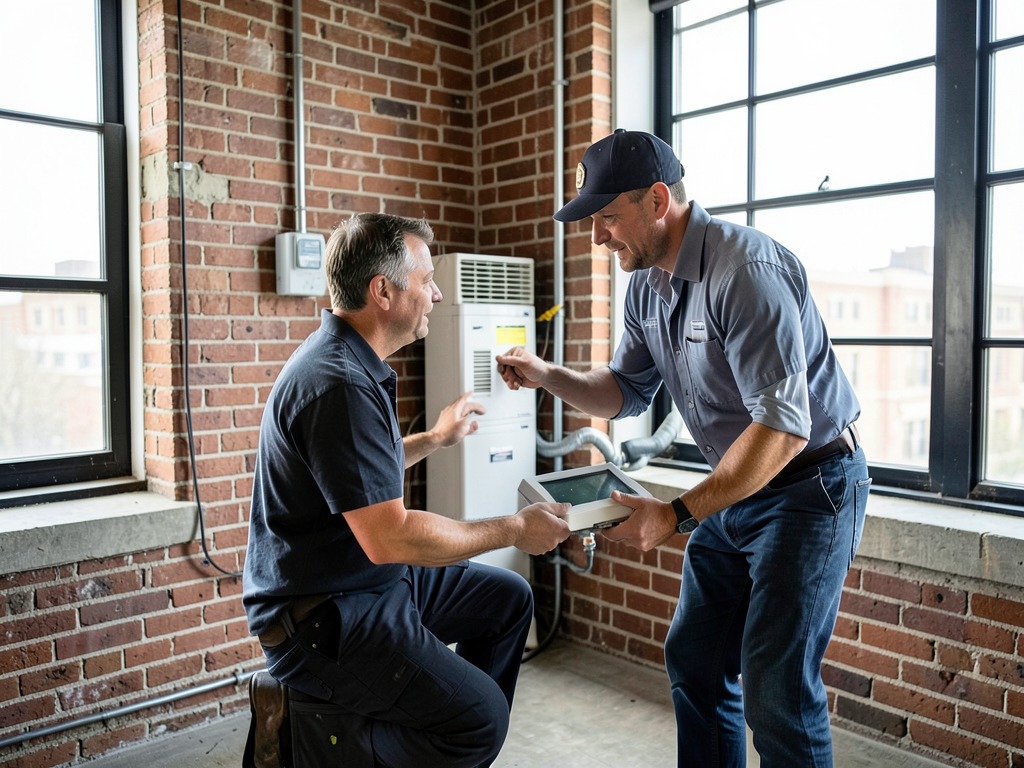
How to Stay Cool in Castleberry Hill Lofts with Large Industrial Windows
Living in a Castleberry Hill loft means enjoying high ceilings, open floor plans, and those stunning industrial windows that flood your space with natural light. But those same windows that make your loft beautiful can turn it into a heat trap during Atlanta’s brutal summers. The large glass surfaces absorb and radiate heat while the high ceilings create temperature stratification that leaves you sweating even with the AC running.
The unique architecture of Castleberry Hill lofts presents specific cooling challenges that standard HVAC solutions simply cannot address. Understanding these challenges is the first step toward creating a comfortable living environment that preserves the industrial charm you fell in love with. Specialized HVAC Solutions for Historic Virginia-Highland Homes.
The Unique Cooling Challenges of Castleberry Hill Lofts
Castleberry Hill’s historic industrial buildings were constructed before air conditioning existed. The large factory-style windows were designed for ventilation and natural light in manufacturing spaces, not for energy efficiency in modern living. Today’s loft dwellers face several interconnected problems that make cooling particularly difficult.
Heat gain through those expansive windows is the primary culprit. During Atlanta’s summer months when temperatures regularly climb above 90 degrees, sunlight streaming through large glass surfaces can increase indoor temperatures by 20 degrees or more. The problem compounds because industrial windows often have single-pane glass with minimal insulation value.
Thermal stratification creates another layer of discomfort. Hot air naturally rises, so in a loft with 12 to 20-foot ceilings, the air near your ceiling can be 10 to 15 degrees warmer than the air at floor level. This temperature difference means your thermostat reads cooler than the air you actually breathe while sitting on your couch or sleeping in your bed.. Read more about Why Your Thermostat Location Might Be Ruining Your Comfort in Powder Springs.
Atlanta’s notorious humidity makes everything worse. The Southeast’s moisture-laden air holds heat more effectively than dry air. When that humid air enters your loft and heats up against those industrial windows, the combination creates a muggy, uncomfortable environment that feels much hotter than the actual temperature.
Historic building constraints limit your options. Many Castleberry Hill buildings have restrictions on exterior modifications, ruling out some cooling solutions that might work in newer construction. The brick and concrete construction common in these buildings also retains heat, releasing it slowly throughout the evening hours.
Best HVAC Systems for Castleberry Hill Lofts
Traditional central air conditioning systems struggle in loft spaces. The high ceilings and open floor plans create air distribution problems that standard ducted systems cannot solve effectively. Several specialized approaches work much better for industrial loft living.
Ductless mini-split systems offer the most flexible solution for loft cooling. These systems consist of an outdoor compressor connected to one or more indoor air handlers mounted on walls or ceilings. The lack of ductwork eliminates the energy losses associated with long duct runs through unconditioned spaces.
Mini-splits excel in lofts because you can place multiple indoor units strategically throughout the space. One unit near the windows handles the heat gain from solar radiation, while another in the living area addresses the comfort needs of daily activities. This zoning capability means you are not cooling empty space near the ceiling.
Variable Refrigerant Flow systems represent the premium option for larger lofts or those with multiple levels. VRF technology allows dozens of indoor units to connect to a single outdoor system while varying the refrigerant flow to each unit based on demand. This provides precise temperature control throughout your space with excellent energy efficiency.
High-velocity cooling systems work well when you want to minimize visual impact. These systems use small, flexible ducts that can fit within existing walls and ceilings without major renovation. The high-velocity air creates better mixing than standard systems, helping to address the temperature stratification problem.
Exposed spiral ductwork has become popular in lofts for both functional and aesthetic reasons. The round ducts distribute air more efficiently than rectangular ones and create an industrial look that complements your building’s architecture. When properly designed, exposed ductwork can be both beautiful and highly effective.
Energy Efficiency and Humidity Management
Energy efficiency becomes critical in lofts because cooling high-ceiling spaces requires more energy than standard apartments. The good news is that several strategies can dramatically reduce your cooling costs while improving comfort. Comparing Costs for a New AC Unit in Sandy Springs.
Proper sizing matters more in lofts than in standard spaces. HVAC contractors typically calculate cooling needs based on square footage, but loft spaces require consideration of cubic footage. A 1,000 square foot loft with 15-foot ceilings has three times the volume of a standard 8-foot ceiling apartment. Undersized systems run constantly without achieving comfort, while oversized systems cycle on and off too frequently, wasting energy and failing to dehumidify effectively.
SEER2 ratings indicate cooling efficiency. For Atlanta’s climate, systems with SEER2 ratings of 16 or higher provide good efficiency. The highest efficiency units reach SEER2 ratings above 20 but come with premium price tags. Calculate the payback period based on your expected occupancy to determine if the investment makes sense.
Whole-home dehumidifiers address Atlanta’s humidity problem directly. These systems work alongside your air conditioner to remove moisture from the air without overcooling your space. In loft environments, dedicated dehumidification often provides more comfort improvement than additional cooling capacity.
Smart thermostats with remote sensors help manage temperature stratification. Models from Ecobee and Nest allow you to place sensors in different areas of your loft, ensuring the system responds to the temperature where you actually spend time rather than near the main thermostat.
Window treatments provide immediate relief. Cellular shades, solar screens, or even temporary window films can reduce heat gain through industrial windows by 50 percent or more. This simple step often provides the most cost-effective comfort improvement available.
Aesthetics vs. Performance: Finding the Right Balance
The industrial aesthetic that makes Castleberry Hill lofts appealing creates tension with traditional HVAC solutions. Exposed equipment and ductwork can clash with the minimalist, open feel many loft dwellers desire. Fortunately, modern technology offers options that balance performance with visual appeal.
Concealed mini-split air handlers mount above ceiling tiles or within soffits, hiding the equipment while maintaining the system’s efficiency benefits. The only visible elements are small supply and return grilles that blend with your ceiling. This approach works particularly well in open-concept lofts where visible equipment would disrupt the clean lines.
Linear slot diffusers provide subtle air distribution that disappears into your architecture. These narrow slots mount in ceilings or along walls, creating invisible air movement that maintains comfort without visible grilles or diffusers. The minimalist appearance suits modern loft aesthetics perfectly.
Industrial-style exposed ductwork can become a design feature rather than an eyesore. Black or galvanized spiral ducts painted to match your decor create visual interest while distributing air effectively. Many loft owners choose this route because it celebrates rather than hides the building’s industrial heritage.
Floor-mounted mini-split units offer an alternative when wall space is limited or you prefer not to mount equipment on exposed brick or concrete walls. These units sit discreetly on the floor and provide excellent performance while maintaining clean wall surfaces.
Sound considerations matter in open loft spaces. Industrial windows often transmit exterior noise, and HVAC equipment can add to the acoustic challenges. Choose indoor units with sound ratings below 30 decibels for quiet operation that does not disturb your living environment.
Recent Castleberry Hill Loft HVAC Case Studies
Understanding how similar spaces have been successfully cooled provides valuable insights. Several Castleberry Hill loft projects demonstrate effective approaches to the unique challenges these spaces present.
A 1,800 square foot corner loft in the Stacks development faced severe heat gain through floor-to-ceiling windows on two sides. The solution combined exterior solar screens on west-facing windows with a three-zone mini-split system. Each zone serves a specific area: one handles the window heat gain, another manages the open living space, and a third conditions the bedroom area. The system maintains consistent temperatures despite the challenging geometry.
A historic warehouse conversion on Walker Street preserved the building’s character while adding modern comfort. The project used exposed spiral ductwork painted matte black to run along the original wooden ceiling beams. This approach provided excellent air distribution while celebrating the building’s industrial heritage. The system includes a dedicated dehumidifier that runs independently of cooling, addressing Atlanta’s humidity without overcooling the space.
A multi-level loft in the Carnegie Building required creative solutions for its 20-foot ceilings and mezzanine bedroom. High-velocity cooling with small, flexible ducts solved the distribution problem without requiring major structural modifications. The system uses a smart thermostat with remote sensors to ensure comfort at both floor and mezzanine levels.
A live-work loft in the Metropolitan complex combined energy efficiency with noise reduction. The solution included spray foam insulation in the existing walls and ceiling, reducing heat gain and providing sound dampening. A variable-speed mini-split system maintains consistent temperatures while operating quietly enough not to disturb recording equipment in the workspace.
Maintenance Tips for Loft HVAC Systems
Proper maintenance ensures your cooling system performs efficiently throughout Atlanta’s long cooling season. Loft-specific maintenance requirements differ from standard residential systems due to the unique architecture and usage patterns. The Only HVAC Maintenance Plan Dunwoody Homeowners Actually Need.
Filter replacement frequency increases in loft spaces. The high ceilings and open floor plans often mean more air circulation, which can carry more dust and debris through your system. Check filters monthly during peak cooling season and replace them when they appear dirty, which may be every 30 to 60 days rather than the standard 90 days.
Coil cleaning becomes more critical when you have large windows that allow pollen and dust to enter your space. Dirty coils reduce system efficiency by up to 30 percent and can cause premature component failure. Schedule professional coil cleaning annually, preferably in spring before cooling season begins.
Condensate drain maintenance prevents water damage in your loft. The high humidity in Atlanta means your system removes significant moisture from the air. Check the condensate drain line monthly during cooling season to ensure it flows freely. A clogged drain can cause water to back up into your unit or overflow onto your floor.
Outdoor unit clearance matters more in dense urban environments like Castleberry Hill. Ensure at least two feet of clearance around your outdoor compressor for proper airflow. This may mean relocating potted plants, storage items, or other obstacles that have accumulated near the unit.
Smart thermostat calibration ensures accurate temperature readings in spaces with thermal stratification. If your thermostat is located near the floor but you spend most of your time on a mezzanine, consider adding remote sensors or relocating the thermostat to a more representative location.
Comparing Cooling Solutions for Loft Spaces
Choosing the right cooling solution requires understanding the tradeoffs between different approaches. The following comparison helps you evaluate options based on your specific needs and constraints.
| System Type | Installation Cost | Energy Efficiency | Aesthetic Impact | Best For |
|---|---|---|---|---|
| Ductless Mini-Split | $$ – $$$ | High | Moderate | Most lofts, zoning needs |
| Variable Refrigerant Flow | $$$ – $$$$ | Very High | Low to Moderate | Large lofts, multiple zones |
| High-Velocity System | $$ – $$$ | Moderate to High | Very Low | Minimal visual impact |
| Exposed Ductwork | $$ – $$$ | High | High (intentional) | Industrial aesthetic |
| Window Units | $ – $$ | Low | High (unattractive) | Temporary or budget solutions |
Cost factors extend beyond initial installation. Energy consumption over time often exceeds equipment costs, making efficiency ratings crucial for long-term satisfaction. Maintenance requirements also vary significantly between system types, affecting lifetime ownership costs.
Noise levels impact livability in open loft spaces. Systems with indoor sound levels below 30 decibels provide quiet operation that does not interfere with conversation or sleep. Higher noise levels become more noticeable in the hard-surfaced environments common in industrial lofts.
System longevity depends on proper sizing and installation quality. Oversized systems in loft spaces often experience short cycling, which reduces component life and increases energy consumption. Professional load calculations that account for cubic footage rather than just square footage ensure proper sizing. Improving the Air Quality in Your Brookhaven Home During Pollen Season.
Frequently Asked Questions
How much does it cost to cool a loft in Castleberry Hill?
Cooling costs vary significantly based on system type, loft size, and efficiency. A typical 1,500 square foot loft might spend $150 to $300 monthly during peak summer months with a properly sized system. High-efficiency systems and good insulation can reduce these costs by 30 percent or more.
Can I install a traditional central air system in my loft?
Traditional central air systems can work in lofts but often require extensive ductwork that may not fit within existing walls and ceilings. The high ceilings also create air distribution challenges that standard systems cannot address effectively. Ductless or high-velocity systems typically provide better results for loft applications.
How do I deal with the heat from those huge windows?
Window heat gain requires a three-pronged approach: reduce heat entering through exterior solar screens or window films, improve insulation value with cellular shades or shutters, and ensure your cooling system has adequate capacity to handle the remaining heat load. Exterior shading provides the most effective reduction.
What about historic preservation requirements?
Many Castleberry Hill buildings have historic preservation guidelines that restrict exterior modifications. This often eliminates options like exterior condenser units or window modifications. Work with contractors familiar with local requirements to find solutions that comply with preservation guidelines while providing modern comfort.
How long does loft HVAC installation take?
Installation time varies by system complexity but typically ranges from one to three days for most loft applications. Complex installations involving historic buildings or multiple zones may require additional time. Professional contractors can provide specific timelines after evaluating your space.
Should I get a whole-home dehumidifier?
Whole-home dehumidifiers prove valuable in Atlanta’s humid climate, especially for loft spaces where humidity control affects comfort significantly. These systems can maintain optimal humidity levels between 45 and 55 percent, improving comfort while allowing you to set higher thermostat temperatures and reduce cooling costs.
- Assess Your Heat Gain
Evaluate which windows receive direct sunlight and when. South and west-facing windows typically create the most heat gain in Atlanta. Note which areas feel hottest during different times of day.
- Choose the Right System Type
Select a cooling system based on your loft’s specific characteristics. Consider ductless mini-splits for flexibility, high-velocity systems for minimal visual impact, or exposed ductwork for industrial aesthetics.
- Address Humidity Control
Plan for dedicated dehumidification, especially if you entertain frequently or have multiple occupants. Atlanta’s humidity makes this step crucial for comfort.
- Optimize Window Treatments
Install appropriate window coverings before cooling season begins. Exterior solar screens provide the best heat reduction, but interior cellular shades also help significantly.
- Schedule Professional Installation
Work with HVAC contractors experienced in loft applications. They understand the unique challenges of high ceilings, thermal stratification, and historic building constraints.
Living comfortably in a Castleberry Hill loft with large industrial windows requires understanding the unique challenges these spaces present and choosing solutions specifically designed for them. The right combination of cooling technology, humidity control, and smart design choices can transform your loft from a heat trap into a comfortable urban retreat.
The investment in proper cooling pays dividends through improved comfort, lower energy bills, and preserved property value. Loft dwellers who address these challenges proactively enjoy their spaces year-round rather than suffering through Atlanta’s long cooling season.
Ready to transform your Castleberry Hill loft into a cool, comfortable space? Summit HVAC Atlanta specializes in loft-specific cooling solutions throughout Atlanta’s historic districts. Our experienced technicians understand the unique requirements of industrial windows, high ceilings, and historic preservation guidelines.
Call us today at (770) 600-9611 for a free consultation. We will evaluate your loft’s specific needs and recommend solutions that balance comfort, efficiency, and aesthetics. Don’t let another Atlanta summer make your beautiful loft unbearable. Contact Summit HVAC Atlanta and discover how comfortable loft living can be. For more information, visit U.S. Department of Energy on Central Air Conditioning. For more information, visit EPA Guide to Indoor Humidity Control.
{
“@context”: “https://schema.org”,
“@type”: “BlogPosting”,
“headline”: “How to Stay Cool in Castleberry Hill Lofts with Large Industrial Windows”,
“description”: “Discover expert HVAC solutions for Castleberry Hill lofts with large industrial windows. Learn about cooling systems, dehumidification, and energy efficiency for Atlanta’s historic loft district.”,
“wordCount”: 2670,
“datePublished”: “2026-04-18T06:38:00.000Z”,
“dateModified”: “2026-04-18T06:38:00.000Z”,
“inLanguage”: “en-US”,
“mainEntityOfPage”: {
“@type”: “WebPage”,
“@id”: “https://summithvacatlanta.com”
},
“publisher”: {
“@type”: “LocalBusiness”,
“name”: “Summit HVAC Atlanta”,
“url”: “https://summithvacatlanta.com”
},
“author”: {
“@type”: “Organization”,
“name”: “Summit HVAC Atlanta”,
“url”: “https://summithvacatlanta.com”
},
“image”: {
“@type”: “ImageObject”,
“url”: “https://summithvacatlanta.com/wp-content/uploads/2026/03/how-to-stay-cool-in-castleberry-hill-lofts-with-la-1.png”
}
}
{
“@context”: “https://schema.org”,
“@type”: “HVACBusiness”,
“name”: “Summit HVAC Atlanta”,
“url”: “https://summithvacatlanta.com”,
“address”: {
“@type”: “PostalAddress”,
“addressLocality”: “Atlanta”
},
“areaServed”: {
“@type”: “City”,
“name”: “Atlanta”
}
}
{
“@context”: “https://schema.org”,
“@type”: “FAQPage”,
“mainEntity”: [
{
“@type”: “Question”,
“name”: “How much does it cost to cool a loft in Castleberry Hill?”,
“acceptedAnswer”: {
“@type”: “Answer”,
“text”: “Cooling costs vary significantly based on system type, loft size, and efficiency. A typical 1,500 square foot loft might spend $150 to $300 monthly during peak summer months with a properly sized system. High-efficiency systems and good insulation can reduce these costs by 30 percent or more.”
}
},
{
“@type”: “Question”,
“name”: “Can I install a traditional central air system in my loft?”,
“acceptedAnswer”: {
“@type”: “Answer”,
“text”: “Traditional central air systems can work in lofts but often require extensive ductwork that may not fit within existing walls and ceilings. The high ceilings also create air distribution challenges that standard systems cannot address effectively. Ductless or high-velocity systems typically provide better results for loft applications.”
}
},
{
“@type”: “Question”,
“name”: “How do I deal with the heat from those huge windows?”,
“acceptedAnswer”: {
“@type”: “Answer”,
“text”: “Window heat gain requires a three-pronged approach: reduce heat entering through exterior solar screens or window films, improve insulation value with cellular shades or shutters, and ensure your cooling system has adequate capacity to handle the remaining heat load. Exterior shading provides the most effective reduction.”
}
},
{
“@type”: “Question”,
“name”: “What about historic preservation requirements?”,
“acceptedAnswer”: {
“@type”: “Answer”,
“text”: “Many Castleberry Hill buildings have historic preservation guidelines that restrict exterior modifications. This often eliminates options like exterior condenser units or window modifications. Work with contractors familiar with local requirements to find solutions that comply with preservation guidelines while providing modern comfort.”
}
},
{
“@type”: “Question”,
“name”: “How long does loft HVAC installation take?”,
“acceptedAnswer”: {
“@type”: “Answer”,
“text”: “Installation time varies by system complexity but typically ranges from one to three days for most loft applications. Complex installations involving historic buildings or multiple zones may require additional time. Professional contractors can provide specific timelines after evaluating your space.”
}
},
{
“@type”: “Question”,
“name”: “Should I get a whole-home dehumidifier?”,
“acceptedAnswer”: {
“@type”: “Answer”,
“text”: “Whole-home dehumidifiers prove valuable in Atlanta’s humid climate, especially for loft spaces where humidity control affects comfort significantly. These systems can maintain optimal humidity levels between 45 and 55 percent, improving comfort while allowing you to set higher thermostat temperatures and reduce cooling costs.”
}
}
]
}
{
“@context”: “https://schema.org”,
“@type”: “HowTo”,
“name”: “How to Stay Cool in Your Castleberry Hill Loft”,
“step”: [
{
“@type”: “HowToStep”,
“position”: 1,
“name”: “Assess Your Heat Gain”,
“text”: “Evaluate which windows receive direct sunlight and when. South and west-facing windows typically create the most heat gain in Atlanta. Note which areas feel hottest during different times of day.”
},
{
“@type”: “HowToStep”,
“position”: 2,
“name”: “Choose the Right System Type”,
“text”: “Select a cooling system based on your loft’s specific characteristics. Consider ductless mini-splits for flexibility, high-velocity systems for minimal visual impact, or exposed ductwork for industrial aesthetics.”
},
{
“@type”: “HowToStep”,
“position”: 3,
“name”: “Address Humidity Control”,
“text”: “Plan for dedicated dehumidification, especially if you entertain frequently or have multiple occupants. Atlanta’s humidity makes this step crucial for comfort.”
},
{
“@type”: “HowToStep”,
“position”: 4,
“name”: “Optimize Window Treatments”,
“text”: “Install appropriate window coverings before cooling season begins. Exterior solar screens provide the best heat reduction, but interior cellular shades also help significantly.”
},
{
“@type”: “HowToStep”,
“position”: 5,
“name”: “Schedule Professional Installation”,
“text”: “Work with HVAC contractors experienced in loft applications. They understand the unique challenges of high ceilings, thermal stratification, and historic building constraints.”
}
],
“image”: “https://summithvacatlanta.com/wp-content/uploads/2026/03/how-to-stay-cool-in-castleberry-hill-lofts-with-la-1.png”
}
{
“@context”: “https://schema.org”,
“@type”: “BreadcrumbList”,
“itemListElement”: [
{
“@type”: “ListItem”,
“position”: 1,
“name”: “Home”,
“item”: “https://summithvacatlanta.com”
},
{
“@type”: “ListItem”,
“position”: 2,
“name”: “Blog”,
“item”: “https://summithvacatlanta.com/blog”
},
{
“@type”: “ListItem”,
“position”: 3,
“name”: “How to Stay Cool in Castleberry Hill Lofts with Large Industrial Windows”
}
]
}
{
“@context”: “https://schema.org”,
“@type”: “Service”,
“serviceType”: “HVAC”,
“provider”: {
“@type”: “LocalBusiness”,
“name”: “Summit HVAC Atlanta”,
“url”: “https://summithvacatlanta.com”
},
“areaServed”: {
“@type”: “City”,
“name”: “Atlanta”
},
“description”: “Discover expert HVAC solutions for Castleberry Hill lofts with large industrial windows. Learn about cooling systems, dehumidification, and energy efficiency for Atlanta’s historic loft district.”
}