
Managing Multiple HVAC Zones for Large Multi-Generational Homes in Sugar Hill
Multi-generational living creates unique comfort challenges in Sugar Hill homes. When grandparents, parents, and children share a large house, everyone has different temperature preferences. Some rooms sit empty during the day while others need constant cooling or heating. A traditional single-zone HVAC system cannot keep up with these demands.. Read more about Smart vents vs traditional registers for better airflow in Collier Hills homes.
Zoning technology solves this problem by dividing your home into separate climate-controlled areas. Each zone has its own thermostat and damper system. This means you can keep the master bedroom cool while maintaining a warmer temperature in the living room. Empty guest rooms stay at minimal conditioning levels. The system delivers conditioned air only where and when it is needed. EPA indoor air quality guidelines.
Sugar Hill’s climate makes zoning especially valuable. Summer humidity often exceeds 80 percent. Winter temperatures can drop below freezing. A zoned system manages both temperature and humidity independently in different areas. This creates healthier indoor air quality and prevents mold growth in crawl spaces and attics. Improving the Air Quality in Your Brookhaven Home During Pollen Season.
How Multi-Zone HVAC Systems Work
A zoned system starts with your existing ductwork. Automatic dampers install at key junctions throughout the duct network. These motorized dampers open and close based on signals from individual zone thermostats. When a zone calls for heating or cooling, only the dampers serving that zone open. The others remain closed.
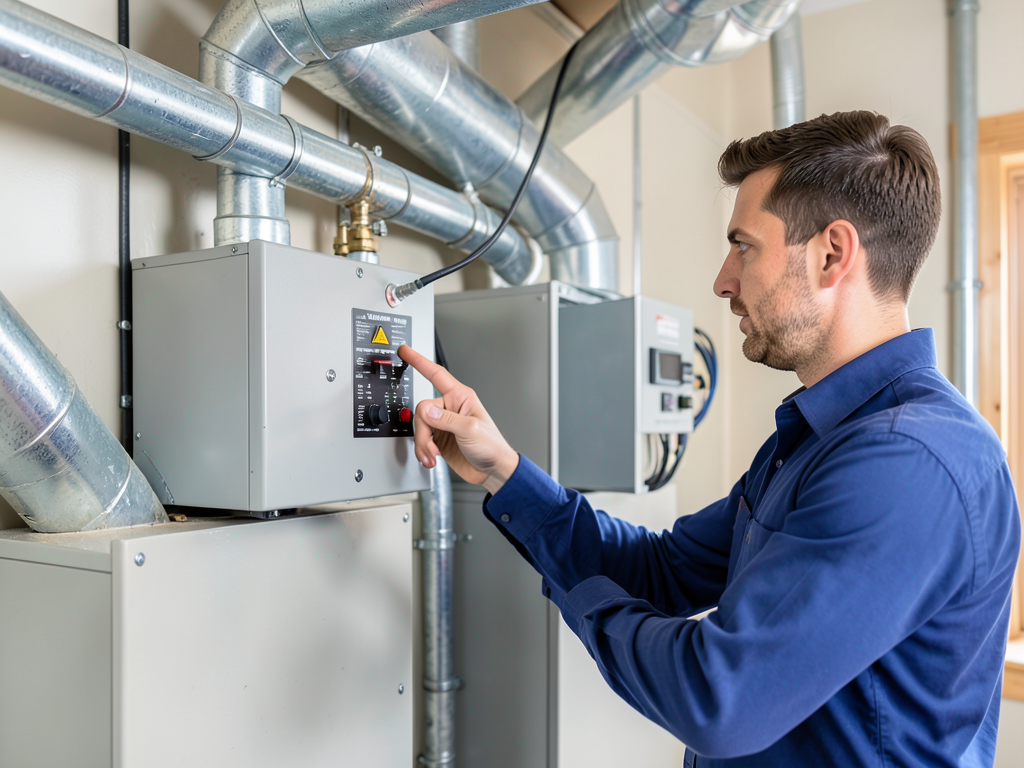
The central control panel acts as the system’s brain. It receives signals from all zone thermostats and coordinates damper operation. The control panel also communicates with your HVAC equipment to ensure proper airflow and prevent short cycling. Some advanced systems integrate with smart home platforms for remote control via smartphone apps.
Variable-speed equipment pairs perfectly with zoning. The compressor and blower motor adjust their output based on the total demand from all zones. Instead of running at full blast all the time, the system operates at lower speeds when fewer zones need conditioning. This dramatically reduces energy consumption and extends equipment life.
Benefits for Sugar Hill Multi-Generational Homes
Energy savings represent the most immediate benefit. Zoning can reduce heating and cooling costs by 25 to 30 percent compared to traditional systems. You stop wasting energy conditioning empty rooms or overheating areas with different insulation levels. The system only runs when and where needed. Comparing Costs for a New AC Unit in Sandy Springs.
Comfort improves dramatically. Each family member can set their preferred temperature in their living space. Grandparents might like warmer bedrooms while teenagers prefer cooler gaming rooms. The kitchen stays comfortable during cooking without affecting bedroom temperatures. Everyone wins.
System longevity increases because equipment runs more efficiently. Less cycling means fewer mechanical failures. The variable-speed operation reduces wear on compressors and motors. Many zoned systems last five to seven years longer than traditional setups before requiring replacement.
Indoor air quality benefits from zoned operation. The system can maintain optimal humidity levels in each area. Proper humidity control prevents dust mite growth and reduces airborne allergens. During Sugar Hill’s high pollen seasons, you can filter air more aggressively in bedrooms while maintaining normal filtration in less-used areas.. Read more about Choosing the Best Air Filtration for Homes Near Buford Industrial Zones.
Installation Considerations for Sugar Hill Homes
Existing ductwork determines much of the installation complexity. Homes built before 2000 often have undersized ducts that cannot handle the static pressure changes from zoning. A professional HVAC contractor must perform a Manual J load calculation to determine proper zone sizing. This analysis considers square footage, insulation levels, window orientation, and local climate factors.
New construction offers the easiest path to zoning. Builders can design duct systems specifically for zoned operation from the start. They install larger main trunk lines and plan zone boundaries around natural living patterns. Retrofitting existing homes requires more careful planning and sometimes additional ductwork modifications.
The number of zones depends on your home’s layout and family needs. Most Sugar Hill homes benefit from two to four zones. Common configurations include upstairs and downstairs zones, day-use and night-use areas, or individual room zones for master suites and home offices. Large estates might require six or more zones for optimal control.
Equipment compatibility matters significantly. Not all HVAC systems work well with zoning. High-efficiency variable-speed units integrate most seamlessly. Single-stage equipment can work but may experience more frequent cycling. Your contractor should evaluate your existing equipment’s suitability before recommending a zoning solution.
Cost Analysis for Sugar Hill Homeowners
Initial investment varies based on home size and existing infrastructure. Basic zoning retrofits for two to three zones typically range from $3,500 to $6,000. This includes dampers, thermostats, control panels, and professional installation. Homes requiring extensive duct modifications might see costs rise to $8,000 or more.
New construction zoning costs less because the work integrates with building plans. Budget $2,000 to $4,000 for basic zoning in a new home. This represents about 10 to 15 percent of total HVAC system costs. The investment pays for itself through energy savings within three to five years.
Operating costs decrease significantly with zoning. A typical Sugar Hill home saves $300 to $500 annually on utility bills. These savings increase during shoulder seasons when only one or two zones need conditioning. The system’s efficiency means it runs fewer hours overall while maintaining better comfort.
Maintenance requirements change slightly with zoning. You still need annual professional tune-ups, but the system experiences less wear. Filter changes become more important because the system runs more efficiently. Many homeowners find they can extend filter replacement intervals from every 30 days to every 60 to 90 days. The Only HVAC Maintenance Plan Dunwoody Homeowners Actually Need.
Smart Technology Integration
Modern zoning systems integrate seamlessly with smart home technology. Wi-Fi enabled thermostats allow remote control from anywhere. You can adjust temperatures before arriving home or monitor energy usage through smartphone apps. Some systems learn your family’s patterns and automatically adjust for optimal comfort and efficiency.
Voice control adds convenience for multi-generational households. Family members can adjust temperatures using Amazon Alexa, Google Assistant, or Apple HomeKit without touching a thermostat. This proves especially valuable for elderly residents or those with mobility challenges.
Energy monitoring features help track usage patterns and identify savings opportunities. Many smart zoning systems provide detailed reports showing which zones consume the most energy. This data helps families adjust habits and maximize efficiency. Some systems even integrate with utility company programs for time-of-use pricing optimization. Why Dunwoody Families Trust Our Seasonal HVAC Maintenance Plans.
Integration with other smart home devices creates powerful automation. Motion sensors can trigger temperature adjustments when rooms become occupied. Smart blinds can work with zoning to reduce solar heat gain. Whole-home air quality monitors can adjust ventilation rates based on real-time conditions.
Common Zoning Configurations for Sugar Hill Homes
Two-story homes benefit from simple upstairs-downstairs zoning. This configuration addresses the natural tendency of heat to rise. The upstairs zone stays cooler in summer while the downstairs maintains a comfortable temperature. During winter, the downstairs receives more heating while the upstairs stays moderately warm.
Open-concept homes require more creative zoning approaches. Large great rooms with kitchens often need separate zones from bedrooms and offices. The cooking area generates heat that affects the entire space. Zoning allows you to maintain comfort in the kitchen without overheating sleeping areas.
Finished basements present unique zoning opportunities. These spaces often have different insulation levels and moisture conditions than above-grade areas. A dedicated basement zone can maintain optimal humidity while the main floor operates independently. This prevents musty odors and protects stored items.
Master suite zoning provides ultimate comfort control. The bedroom, bathroom, and closet can each have independent temperature settings. This matters most for couples with different sleep temperature preferences. The bathroom can stay warm while the bedroom remains cool for optimal sleep conditions.
Maintenance and Troubleshooting
Regular maintenance keeps zoning systems operating efficiently. Annual professional inspections should check damper operation, control panel function, and thermostat calibration. Technicians also verify that static pressure remains within manufacturer specifications. Improper pressure can reduce efficiency and damage equipment.
DIY maintenance includes monthly filter changes and keeping vents unobstructed. Each zone should have adequate return air flow for proper operation. Furniture placement and closed doors can restrict airflow and reduce system effectiveness. Family members should understand basic zone operation to avoid conflicts.
Common issues include stuck dampers, thermostat communication failures, and control panel malfunctions. Most problems manifest as uneven temperatures or zones that won’t maintain set points. Many issues resolve through simple resets or battery replacements in wireless thermostats.
Professional troubleshooting requires specialized equipment. Technicians use static pressure gauges, airflow meters, and diagnostic software to identify problems. They can test individual components and verify proper system integration. Most zoning issues resolve within a single service visit when diagnosed correctly. Specialized HVAC Solutions for Historic Virginia-Highland Homes.
Choosing the Right Contractor in Sugar Hill
Experience matters significantly when selecting an HVAC contractor for zoning work. Look for companies with specific zoning installation experience rather than general HVAC contractors. Ask for references from other multi-generational homes in your area. Verify that they perform Manual J calculations and can explain their zoning recommendations.
Proper licensing and insurance protect your investment. Georgia requires HVAC contractors to hold state licenses. Verify current licensing through the Georgia Secretary of State website. Insurance should include general liability and workers’ compensation. Ask for proof of both before signing any contracts.
Written proposals should detail the complete scope of work. The document should specify equipment brands, model numbers, and warranty terms. It should also outline the installation timeline and payment schedule. Avoid contractors who provide verbal estimates or refuse to put details in writing.
Post-installation support proves crucial for zoning systems. Ask about warranty coverage for both equipment and labor. Find out if the company offers maintenance plans specifically for zoned systems. The best contractors provide 24/7 emergency service and have technicians trained on your specific equipment.
Energy Efficiency and Environmental Impact
Zoning systems significantly reduce energy consumption compared to traditional HVAC operation. The U.S. Department of Energy estimates that proper zoning can save 25 to 30 percent on heating and cooling costs. This translates to reduced carbon emissions and lower utility bills for Sugar Hill homeowners. U.S. Department of Energy on zoning efficiency.
Variable-speed operation minimizes energy waste. Traditional systems cycle on and off frequently, creating temperature swings and consuming extra power during startup. Zoning systems run longer at lower speeds, maintaining steady temperatures with minimal energy spikes. This smooth operation reduces overall power consumption.
Smart scheduling features maximize efficiency. The system can automatically adjust temperatures based on occupancy patterns. It reduces conditioning in empty zones during work hours and increases comfort in occupied areas. Some systems integrate with utility company demand response programs for additional savings.
Proper system sizing prevents energy waste. Oversized equipment cycles frequently and wastes energy. Zoning allows for right-sized equipment that operates efficiently across varying loads. The system can handle peak demands without being oversized for average conditions.
Future-Proofing Your Zoning System
Technology continues advancing in HVAC zoning. Current systems offer Wi-Fi connectivity, smartphone control, and integration with smart home platforms. When investing in zoning, consider equipment that supports future upgrades. Look for systems with open communication protocols rather than proprietary technologies that might become obsolete.
Expansion capability matters for growing families. Choose a zoning system that allows adding zones later if needed. Some systems support up to eight zones from a single control panel. This flexibility lets you start with basic zoning and expand as your needs change or home additions are built.
Energy efficiency standards continue evolving. Current zoning systems meet 2023 efficiency requirements, but future standards will likely increase. Investing in high-efficiency equipment now prepares your home for potential regulatory changes. Many utility companies offer rebates for high-efficiency upgrades that make advanced systems more affordable.
Indoor air quality technology advances rapidly. Modern zoning systems can integrate with air purification, humidity control, and ventilation systems. These features become increasingly important as homes become more airtight for energy efficiency. Future zoning systems will likely offer even more sophisticated IAQ management capabilities.
Frequently Asked Questions
Can I add zoning to my existing HVAC system?
Yes, most existing systems can be retrofitted with zoning technology. The process involves installing dampers in your ductwork, adding zone thermostats, and connecting a control panel. Some systems may need minor modifications to handle the additional static pressure. A professional assessment determines the best approach for your specific setup.
How many zones does my home need?
Most Sugar Hill homes benefit from two to four zones. Two-story homes typically need upstairs and downstairs zones. Homes with finished basements might add a third zone. Large open-concept homes might require separate zones for living areas and bedrooms. The ideal number depends on your home’s layout and family needs.
Will zoning void my HVAC equipment warranty?
Professional zoning installation should not void equipment warranties when performed correctly. However, improper installation or using incompatible equipment might cause issues. Always use licensed contractors who understand manufacturer requirements. Many zoning system manufacturers offer their own warranties that complement your existing equipment coverage.
How much can I expect to save on energy bills?
Most homeowners save 25 to 30 percent on heating and cooling costs with proper zoning. A typical Sugar Hill home might save $300 to $500 annually. These savings vary based on home size, insulation quality, and family habits. The system pays for itself within three to five years through reduced utility bills.
Do zoning systems require special maintenance?
Zoning systems need the same annual professional maintenance as traditional HVAC equipment. Additional considerations include checking damper operation and verifying control panel function. Filter changes remain important, and you should keep vents unobstructed. Most maintenance tasks are similar to traditional systems with minor zoning-specific checks.
{
“@context”: “https://schema.org”,
“@type”: “BlogPosting”,
“headline”: “Managing Multiple HVAC Zones for Large Multi-Generational Homes in Sugar Hill”,
“description”: “Learn how multi-zone HVAC systems keep every room in your Sugar Hill multi-generational home comfortable while saving energy. Expert advice from Atlanta HVAC specialists.”,
“wordCount”: 2286,
“datePublished”: “2026-05-04T13:46:00.000Z”,
“dateModified”: “2026-05-04T13:46:00.000Z”,
“inLanguage”: “en-US”,
“mainEntityOfPage”: {
“@type”: “WebPage”,
“@id”: “https://summithvacatlanta.com”
},
“publisher”: {
“@type”: “LocalBusiness”,
“name”: “Summit HVAC Atlanta”,
“url”: “https://summithvacatlanta.com”
},
“author”: {
“@type”: “Organization”,
“name”: “Summit HVAC Atlanta”,
“url”: “https://summithvacatlanta.com”
},
“image”: {
“@type”: “ImageObject”,
“url”: “https://summithvacatlanta.com/wp-content/uploads/2026/03/managing-multiple-hvac-zones-for-large-multi-gener-1.png”
}
}
{
“@context”: “https://schema.org”,
“@type”: “HVACBusiness”,
“name”: “Summit HVAC Atlanta”,
“url”: “https://summithvacatlanta.com”,
“address”: {
“@type”: “PostalAddress”,
“addressLocality”: “Atlanta”
},
“areaServed”: {
“@type”: “City”,
“name”: “Atlanta”
}
}
{
“@context”: “https://schema.org”,
“@type”: “FAQPage”,
“mainEntity”: [
{
“@type”: “Question”,
“name”: “Can I add zoning to my existing HVAC system?”,
“acceptedAnswer”: {
“@type”: “Answer”,
“text”: “Yes, most existing systems can be retrofitted with zoning technology. The process involves installing dampers in your ductwork, adding zone thermostats, and connecting a control panel. Some systems may need minor modifications to handle the additional static pressure. A professional assessment determines the best approach for your specific setup.”
}
},
{
“@type”: “Question”,
“name”: “How many zones does my home need?”,
“acceptedAnswer”: {
“@type”: “Answer”,
“text”: “Most Sugar Hill homes benefit from two to four zones. Two-story homes typically need upstairs and downstairs zones. Homes with finished basements might add a third zone. Large open-concept homes might require separate zones for living areas and bedrooms. The ideal number depends on your home’s layout and family needs.”
}
},
{
“@type”: “Question”,
“name”: “Will zoning void my HVAC equipment warranty?”,
“acceptedAnswer”: {
“@type”: “Answer”,
“text”: “Professional zoning installation should not void equipment warranties when performed correctly. However, improper installation or using incompatible equipment might cause issues. Always use licensed contractors who understand manufacturer requirements. Many zoning system manufacturers offer their own warranties that complement your existing equipment coverage.”
}
},
{
“@type”: “Question”,
“name”: “How much can I expect to save on energy bills?”,
“acceptedAnswer”: {
“@type”: “Answer”,
“text”: “Most homeowners save 25 to 30 percent on heating and cooling costs with proper zoning. A typical Sugar Hill home might save $300 to $500 annually. These savings vary based on home size, insulation quality, and family habits. The system pays for itself within three to five years through reduced utility bills.”
}
},
{
“@type”: “Question”,
“name”: “Do zoning systems require special maintenance?”,
“acceptedAnswer”: {
“@type”: “Answer”,
“text”: “Zoning systems need the same annual professional maintenance as traditional HVAC equipment. Additional considerations include checking damper operation and verifying control panel function. Filter changes remain important, and you should keep vents unobstructed. Most maintenance tasks are similar to traditional systems with minor zoning-specific checks.”
}
}
]
}
{
“@context”: “https://schema.org”,
“@type”: “BreadcrumbList”,
“itemListElement”: [
{
“@type”: “ListItem”,
“position”: 1,
“name”: “Home”,
“item”: “https://summithvacatlanta.com”
},
{
“@type”: “ListItem”,
“position”: 2,
“name”: “Blog”,
“item”: “https://summithvacatlanta.com/blog”
},
{
“@type”: “ListItem”,
“position”: 3,
“name”: “Managing Multiple HVAC Zones for Large Multi-Generational Homes in Sugar Hill”
}
]
}
{
“@context”: “https://schema.org”,
“@type”: “Service”,
“serviceType”: “HVAC”,
“provider”: {
“@type”: “LocalBusiness”,
“name”: “Summit HVAC Atlanta”,
“url”: “https://summithvacatlanta.com”
},
“areaServed”: {
“@type”: “City”,
“name”: “Atlanta”
},
“description”: “Learn how multi-zone HVAC systems keep every room in your Sugar Hill multi-generational home comfortable while saving energy. Expert advice from Atlanta HVAC specialists.”
}