
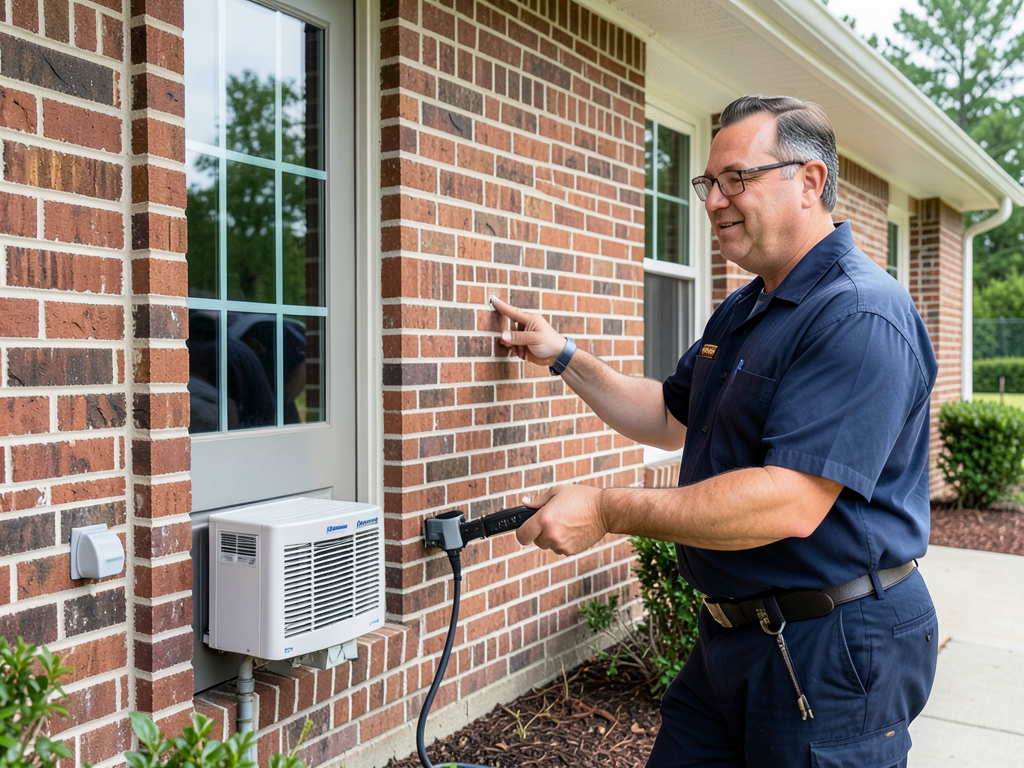
Optimizing Airflow for Classic Brick Ranch Homes in East Point
East Point’s classic brick ranch homes built in the 1950s and 1960s present unique heating and cooling challenges that many modern HVAC systems simply weren’t designed to handle. These single-story homes with their characteristic low-pitched roofs and sprawling layouts often suffer from poor air circulation creating hot spots in distant bedrooms and uncomfortable temperature variations throughout the house.
The thermal mass of brick construction adds another layer of complexity. Brick walls absorb heat during Atlanta’s scorching summer days and release it slowly at night making it difficult for traditional HVAC systems to maintain consistent temperatures. When you combine this with the original ductwork designs from decades ago you end up with a system that struggles to keep up with modern comfort expectations.
Why East Point’s Brick Ranch Architecture Creates Airflow Problems
The layout of classic ranch homes creates inherent airflow challenges. Long hallways that stretch 30 to 40 feet from the air handler to distant bedrooms create pressure drops that reduce airflow to the farthest rooms. Many of these homes feature L-shaped or U-shaped designs that force air through multiple turns in the ductwork further reducing efficiency.
Brick construction in Atlanta’s climate zone means these homes have different thermal properties than wood-framed houses. The dense masonry walls have high thermal mass which means they absorb and store heat energy differently. During summer months brick walls can reach temperatures of 120 degrees Fahrenheit or higher on the exterior surface creating a heat load that standard HVAC calculations often underestimate.
Many East Point ranches were built on crawl spaces or slab foundations each presenting distinct airflow challenges. Crawl spaces can trap moisture and create humid conditions that affect indoor air quality while slab foundations limit access for ductwork modifications. The original vents and returns in these homes were often undersized for today’s air conditioning demands. Improving the Air Quality in Your Brookhaven Home During Pollen Season.
Understanding Atlanta’s Climate Impact on Brick Ranch HVAC Performance
Atlanta’s humid subtropical climate creates conditions that strain older HVAC systems in brick homes. Summer humidity levels regularly exceed 70 percent and the combination of heat and moisture creates a perfect environment for mold growth in poorly ventilated spaces. The Georgia Piedmont region’s red clay soil also affects foundation stability which can cause settling that impacts ductwork alignment and creates air leaks.. Read more about How to prevent mold growth in your Riverside air ducts and vents.
The seasonal temperature swings in Atlanta mean these homes need both heating and cooling capabilities that can handle rapid changes. Winter temperatures occasionally drop below freezing while summer heat often exceeds 95 degrees Fahrenheit. This wide temperature range requires HVAC systems with good modulation capabilities to maintain comfort without wasting energy.
Pollen counts in Atlanta rank among the highest in the nation particularly during spring months. This creates additional filtration needs for homes with older duct systems that may have accumulated dust and debris over decades. The combination of high humidity and pollen can overwhelm standard filters leading to reduced airflow and system strain.
Modern Solutions for Classic Brick Ranch Airflow Optimization
Today’s HVAC technology offers several solutions specifically suited for East Point’s brick ranch homes. Variable-speed air handlers can adjust their output based on demand providing better humidity control and more consistent temperatures than single-stage systems. These units run at lower speeds for longer periods which helps maintain even temperatures throughout the home. Specialized HVAC Solutions for Historic Virginia-Highland Homes.
High-velocity mini-duct systems represent an excellent option for homes where traditional ductwork modifications are impractical. These systems use smaller more flexible ducts that can be routed through existing wall cavities without major demolition. The high-velocity air delivery creates better mixing and eliminates hot spots more effectively than conventional systems.
Zoning systems allow you to control temperatures in different areas of your home independently. For L-shaped or sprawling ranch layouts zoning can solve the problem of distant bedrooms being too hot or too cold. Each zone has its own thermostat and damper controls allowing for customized comfort settings throughout the house.
Ductless Mini-Split Heat Pumps: The Perfect Fit for Ranch Homes
Ductless mini-split systems offer exceptional flexibility for East Point’s brick ranch homes. These systems eliminate the need for extensive ductwork while providing both heating and cooling capabilities. Each indoor unit can be mounted on walls or ceilings and multiple zones can be controlled independently from a single outdoor condenser.
The efficiency of modern mini-splits often exceeds that of traditional systems with some units achieving SEER2 ratings above 20. This high efficiency translates to lower energy bills which is particularly important for older homes that may have less insulation than newer construction. The ability to heat and cool without relying on ductwork also eliminates potential air leaks and energy losses.. Read more about Choosing the right MERV rating for your North Buckhead air filters.
Installation of mini-splits in brick ranch homes typically requires only a small three-inch hole for refrigerant lines and electrical connections. This minimal intrusion preserves the home’s original character while providing modern comfort. The indoor units can be mounted high on walls where they’re less noticeable and don’t interfere with furniture placement.
Addressing the ‘Long Hallway’ Problem with Smart Duct Design
The classic ranch home problem of hot or cold spots in distant bedrooms often stems from inadequate duct design. When air must travel 30 feet or more through undersized ducts pressure drops significantly by the time it reaches the farthest rooms. This creates a situation where the rooms closest to the air handler are comfortable while distant bedrooms remain uncomfortable.
Proper duct sizing using Manual J load calculations specifically for brick construction can dramatically improve airflow distribution. These calculations account for the thermal mass of brick walls the home’s orientation and the specific layout challenges of ranch designs. Oversized ducts with smooth gradual turns can maintain air velocity and pressure throughout the system.
Supply register placement also plays a crucial role in long ranch homes. Ceiling-mounted registers in hallways can help distribute air more evenly while floor registers near exterior walls can counteract heat gain from brick surfaces. The goal is to create air movement patterns that naturally circulate throughout the entire home rather than creating stagnant zones.. Read more about Why the Third Floor of Your Smyrna Townhome is Always Unbearably Hot.
Humidity Control: Essential for Atlanta’s Brick Construction
Humidity control becomes critical in East Point’s brick ranch homes due to the combination of Atlanta’s climate and the moisture-retentive properties of brick. When indoor humidity exceeds 60 percent it creates conditions favorable for mold growth dust mites and other allergens. This is particularly problematic in homes with crawl spaces where moisture can rise through the floor system.
Whole-house dehumidifiers integrated with your HVAC system can maintain optimal humidity levels between 40 and 50 percent year-round. These units work in conjunction with your air conditioner to remove excess moisture without overcooling the space. For homes with severe humidity problems standalone dehumidifiers may be necessary in addition to the main HVAC system.
Proper ventilation is equally important for humidity control. Energy recovery ventilators (ERVs) can bring in fresh air while exhausting stale humid air without sacrificing energy efficiency. This is particularly valuable in tightly sealed modern homes where natural air infiltration is minimal.
Case Study: Modernizing a 1960s Brick Ranch in East Point
A recent project in the Brookview neighborhood of East Point demonstrates how modern HVAC solutions can transform a classic brick ranch. The 1800-square-foot home built in 1962 had original ductwork that was leaking and undersized for the home’s cooling needs. The homeowners experienced significant temperature differences between the living room and the master bedroom at the opposite end of the house.
The solution involved installing a variable-speed air handler with properly sized ductwork based on Manual J calculations that accounted for the brick thermal mass. A zoning system was added to control the living area and bedroom areas independently. The result was a 30 percent reduction in energy consumption and consistent temperatures throughout the home with the master bedroom staying within two degrees of the living room thermostat setting.
The project also included sealing and insulating the ductwork which alone improved system efficiency by 15 percent. The homeowners reported that their home now maintains comfortable temperatures even during Atlanta’s hottest summer days and their energy bills decreased despite keeping the house cooler.
Energy Efficiency and Cost Considerations
Upgrading HVAC systems in East Point’s brick ranch homes requires balancing initial investment against long-term energy savings. While high-efficiency systems cost more upfront they often pay for themselves through reduced energy consumption within three to five years. The specific payback period depends on factors like local utility rates the home’s insulation levels and the efficiency of the existing system.
Georgia Power offers rebates for high-efficiency HVAC equipment which can offset some of the initial costs. Federal tax credits are also available for qualifying heat pump installations providing additional financial incentives for energy-efficient upgrades. These programs make modern HVAC technology more accessible for homeowners looking to improve comfort while reducing operating costs. Comparing Costs for a New AC Unit in Sandy Springs.
The age and condition of existing ductwork significantly impact upgrade costs. Homes requiring complete duct replacement will have higher installation costs than those where existing ducts can be sealed and insulated. However even homes with poor existing ductwork often see the best return on investment from comprehensive system upgrades that address both the equipment and distribution system.
Maintenance Requirements for Optimal Performance
Maintaining optimal airflow in brick ranch homes requires regular attention to several key areas. Air filters should be checked monthly and replaced when dirty as restricted airflow reduces system efficiency and can lead to premature equipment failure. For homes in Atlanta’s high-pollen environment more frequent filter changes may be necessary during spring months.
Ductwork inspections should be performed annually to check for leaks insulation damage or pest intrusion. Even small leaks in duct connections can reduce system efficiency by 20 percent or more. Professional duct cleaning every three to five years helps maintain airflow and indoor air quality particularly in older homes where dust and debris may have accumulated over decades.
Thermostat calibration and zoning system checks ensure that all components work together properly. Smart thermostats can provide valuable data about system performance and help identify issues before they become major problems. Regular professional maintenance visits can catch developing issues early preventing costly emergency repairs during peak cooling season. EPA indoor air quality basics.
Choosing the Right HVAC Contractor for Your Brick Ranch
Selecting a contractor experienced with East Point’s brick ranch homes is crucial for successful HVAC optimization. Look for professionals who understand the unique challenges of mid-century construction including the thermal properties of brick the limitations of original ductwork and the specific climate demands of Atlanta’s humid subtropical environment.
Ask potential contractors about their experience with Manual J load calculations for brick homes and their familiarity with high-velocity or mini-split systems. A qualified contractor should be able to explain different options in terms you can understand and provide detailed proposals that address your specific comfort concerns. They should also be knowledgeable about local building codes and permit requirements for HVAC modifications in East Point.
References from other East Point homeowners with similar brick ranch properties can provide valuable insights into a contractor’s capabilities. Look for reviews that mention successful solutions for long hallways humidity control or other common ranch home challenges. A contractor who has successfully completed similar projects will be better equipped to handle the unique aspects of your home.
Future-Proofing Your East Point Brick Ranch HVAC System
Planning for future HVAC needs involves considering both technological advances and potential home modifications. As smart home technology continues to evolve systems with Wi-Fi connectivity and smart thermostat integration offer enhanced control and monitoring capabilities. These features can help optimize energy usage and provide early warning of potential issues.
Considering potential home additions or renovations when selecting HVAC equipment can prevent costly modifications later. If you’re planning to finish a basement or add a room discuss these plans with your HVAC contractor to ensure the system can accommodate future changes. Oversizing the system slightly or planning for easy zoning additions can provide flexibility for future modifications.
Energy costs and environmental concerns continue to influence HVAC technology development. Systems with higher SEER2 ratings and improved humidity control capabilities are becoming standard rather than premium options. Investing in slightly more capacity than currently needed can provide better performance as Atlanta’s summers potentially become hotter and more humid due to climate change.
Frequently Asked Questions
Why does my brick ranch home have such inconsistent temperatures between rooms?
Inconsistent temperatures in brick ranch homes typically result from inadequate duct design thermal mass effects of brick walls and long duct runs that create pressure drops. The original ductwork was often undersized for modern cooling demands and brick walls absorb and release heat differently than wood-framed construction. Zoning systems and properly sized ductwork can solve these issues.
Are mini-split systems really effective for heating in Atlanta’s occasional cold snaps?
Modern mini-split heat pumps are highly effective for Atlanta’s climate providing efficient heating even when outdoor temperatures drop into the 20s. Most systems maintain over 70 percent of their rated heating capacity at 17 degrees Fahrenheit which covers typical Atlanta winter conditions. For extreme cold events supplemental heating may be needed but mini-splits handle the vast majority of Atlanta’s heating season efficiently.
How much does it cost to upgrade HVAC in a typical East Point brick ranch?
Costs vary significantly based on the scope of work but a complete HVAC replacement in a 1500 to 2000 square foot brick ranch typically ranges from $8000 to $15000. This includes new equipment ductwork modifications and installation. High-efficiency systems with zoning or mini-split installations may cost more initially but often provide better long-term value through energy savings and improved comfort.
Can I keep my home’s original character while upgrading the HVAC system?
Absolutely. Modern HVAC solutions like mini-splits and high-velocity systems are designed to minimize visual impact while maximizing comfort. Mini-splits require only small wall penetrations and high-velocity ducts can be routed through existing wall cavities. Many East Point homeowners successfully upgrade their systems without compromising the architectural integrity of their classic brick ranch homes.
How long does a typical HVAC upgrade take in a brick ranch home?
Most complete HVAC replacements in brick ranch homes can be completed in one to three days depending on the complexity of the installation. Simple equipment swaps may take only a day while projects involving new ductwork zoning systems or mini-split installations typically require two to three days. Your contractor should provide a detailed timeline during the planning phase.
- Schedule a Professional Assessment
Have an HVAC contractor perform a complete evaluation of your current system including Manual J load calculations that account for brick thermal mass and your home’s specific layout challenges.
- Identify Problem Areas
Document which rooms are consistently too hot or too cold and note any humidity issues or unusual noises from your current system. This information helps the contractor recommend targeted solutions.
- Explore Modern System Options
Discuss variable-speed systems zoning capabilities mini-splits and high-velocity options with your contractor. Each solution offers different benefits for brick ranch homes’ unique airflow challenges.
- Plan for Proper Installation
Ensure your contractor accounts for Atlanta’s humidity brick thermal properties and your home’s specific layout when designing the new system. Proper sizing and duct design are crucial for optimal performance.
Take Control of Your Home’s Comfort Today
Your East Point brick ranch deserves an HVAC system that delivers consistent comfort throughout every room regardless of Atlanta’s challenging climate. Whether you’re dealing with hot spots in distant bedrooms humidity problems or an aging system that can’t keep up with modern demands solutions exist that can transform your home’s comfort while preserving its classic character.
Don’t let another summer of inconsistent temperatures and high energy bills pass by. Our team understands the unique challenges of East Point’s brick ranch homes because we’ve been solving these exact problems for Atlanta homeowners for years. We’ll assess your specific situation explain your options clearly and recommend solutions that fit your home your comfort needs and your budget.
Call us today at (770) 600-9611 to schedule your free HVAC assessment. We’ll show you how modern technology can solve the airflow challenges that have been making your brick ranch uncomfortable for years. Your home’s comfort transformation starts with a simple phone call.
Ready to experience consistent temperatures throughout your East Point brick ranch? Contact us now and let’s discuss how we can optimize your home’s airflow for year-round comfort. Our satisfaction guarantee means you can trust that we’ll get it right the first time or we’ll make it right at no additional cost to you.
Don’t wait until the next heat wave hits. Call (770) 600-9611 today and take the first step toward the comfortable efficient home you deserve. Your East Point brick ranch will thank you. For more information, visit U.S. Department of Energy heat pump guide.
{
“@context”: “https://schema.org”,
“@type”: “BlogPosting”,
“headline”: “Optimizing Airflow for Classic Brick Ranch Homes in East Point”,
“description”: “Discover HVAC solutions for East Point’s brick ranch homes. Learn about mini-splits, zoning, and ductwork upgrades to eliminate hot spots and improve comfort.”,
“wordCount”: 2803,
“datePublished”: “2026-05-27T15:35:00.000Z”,
“dateModified”: “2026-05-27T15:35:00.000Z”,
“inLanguage”: “en-US”,
“mainEntityOfPage”: {
“@type”: “WebPage”,
“@id”: “https://summithvacatlanta.com”
},
“publisher”: {
“@type”: “LocalBusiness”,
“name”: “Summit HVAC Atlanta”,
“url”: “https://summithvacatlanta.com”
},
“author”: {
“@type”: “Organization”,
“name”: “Summit HVAC Atlanta”,
“url”: “https://summithvacatlanta.com”
},
“image”: {
“@type”: “ImageObject”,
“url”: “https://summithvacatlanta.com/wp-content/uploads/2026/03/optimizing-airflow-for-classic-brick-ranch-homes-i-1.png”
}
}
{
“@context”: “https://schema.org”,
“@type”: “HVACBusiness”,
“name”: “Summit HVAC Atlanta”,
“url”: “https://summithvacatlanta.com”,
“address”: {
“@type”: “PostalAddress”,
“addressLocality”: “Atlanta”
},
“areaServed”: {
“@type”: “City”,
“name”: “Atlanta”
}
}
{
“@context”: “https://schema.org”,
“@type”: “FAQPage”,
“mainEntity”: [
{
“@type”: “Question”,
“name”: “Why does my brick ranch home have such inconsistent temperatures between rooms?”,
“acceptedAnswer”: {
“@type”: “Answer”,
“text”: “Inconsistent temperatures in brick ranch homes typically result from inadequate duct design thermal mass effects of brick walls and long duct runs that create pressure drops. The original ductwork was often undersized for modern cooling demands and brick walls absorb and release heat differently than wood-framed construction. Zoning systems and properly sized ductwork can solve these issues.”
}
},
{
“@type”: “Question”,
“name”: “Are mini-split systems really effective for heating in Atlanta’s occasional cold snaps?”,
“acceptedAnswer”: {
“@type”: “Answer”,
“text”: “Modern mini-split heat pumps are highly effective for Atlanta’s climate providing efficient heating even when outdoor temperatures drop into the 20s. Most systems maintain over 70 percent of their rated heating capacity at 17 degrees Fahrenheit which covers typical Atlanta winter conditions. For extreme cold events supplemental heating may be needed but mini-splits handle the vast majority of Atlanta’s heating season efficiently.”
}
},
{
“@type”: “Question”,
“name”: “How much does it cost to upgrade HVAC in a typical East Point brick ranch?”,
“acceptedAnswer”: {
“@type”: “Answer”,
“text”: “Costs vary significantly based on the scope of work but a complete HVAC replacement in a 1500 to 2000 square foot brick ranch typically ranges from $8000 to $15000. This includes new equipment ductwork modifications and installation. High-efficiency systems with zoning or mini-split installations may cost more initially but often provide better long-term value through energy savings and improved comfort.”
}
},
{
“@type”: “Question”,
“name”: “Can I keep my home’s original character while upgrading the HVAC system?”,
“acceptedAnswer”: {
“@type”: “Answer”,
“text”: “Absolutely. Modern HVAC solutions like mini-splits and high-velocity systems are designed to minimize visual impact while maximizing comfort. Mini-splits require only small wall penetrations and high-velocity ducts can be routed through existing wall cavities. Many East Point homeowners successfully upgrade their systems without compromising the architectural integrity of their classic brick ranch homes.”
}
},
{
“@type”: “Question”,
“name”: “How long does a typical HVAC upgrade take in a brick ranch home?”,
“acceptedAnswer”: {
“@type”: “Answer”,
“text”: “Most complete HVAC replacements in brick ranch homes can be completed in one to three days depending on the complexity of the installation. Simple equipment swaps may take only a day while projects involving new ductwork zoning systems or mini-split installations typically require two to three days. Your contractor should provide a detailed timeline during the planning phase.”
}
}
]
}
{
“@context”: “https://schema.org”,
“@type”: “HowTo”,
“name”: “How to Optimize Airflow in Your Brick Ranch Homes”,
“step”: [
{
“@type”: “HowToStep”,
“position”: 1,
“name”: “Schedule a Professional Assessment”,
“text”: “Have an HVAC contractor perform a complete evaluation of your current system including Manual J load calculations that account for brick thermal mass and your home’s specific layout challenges.”
},
{
“@type”: “HowToStep”,
“position”: 2,
“name”: “Identify Problem Areas”,
“text”: “Document which rooms are consistently too hot or too cold and note any humidity issues or unusual noises from your current system. This information helps the contractor recommend targeted solutions.”
},
{
“@type”: “HowToStep”,
“position”: 3,
“name”: “Explore Modern System Options”,
“text”: “Discuss variable-speed systems zoning capabilities mini-splits and high-velocity options with your contractor. Each solution offers different benefits for brick ranch homes’ unique airflow challenges.”
},
{
“@type”: “HowToStep”,
“position”: 4,
“name”: “Plan for Proper Installation”,
“text”: “Ensure your contractor accounts for Atlanta’s humidity brick thermal properties and your home’s specific layout when designing the new system. Proper sizing and duct design are crucial for optimal performance.”
}
],
“image”: “https://summithvacatlanta.com/wp-content/uploads/2026/03/optimizing-airflow-for-classic-brick-ranch-homes-i-1.png”
}
{
“@context”: “https://schema.org”,
“@type”: “BreadcrumbList”,
“itemListElement”: [
{
“@type”: “ListItem”,
“position”: 1,
“name”: “Home”,
“item”: “https://summithvacatlanta.com”
},
{
“@type”: “ListItem”,
“position”: 2,
“name”: “Blog”,
“item”: “https://summithvacatlanta.com/blog”
},
{
“@type”: “ListItem”,
“position”: 3,
“name”: “Optimizing Airflow for Classic Brick Ranch Homes in East Point”
}
]
}
{
“@context”: “https://schema.org”,
“@type”: “Service”,
“serviceType”: “HVAC”,
“provider”: {
“@type”: “LocalBusiness”,
“name”: “Summit HVAC Atlanta”,
“url”: “https://summithvacatlanta.com”
},
“areaServed”: {
“@type”: “City”,
“name”: “Atlanta”
},
“description”: “Discover HVAC solutions for East Point’s brick ranch homes. Learn about mini-splits, zoning, and ductwork upgrades to eliminate hot spots and improve comfort.”
}