
Protecting Your Expensive HVAC Electronics from Summer Storms in Fairburn
Summer thunderstorms in Fairburn can strike without warning. One lightning bolt or power surge can destroy your HVAC control board and compressor costing thousands in repairs. Georgia ranks among the top states for lightning strikes and our aging electrical infrastructure in metro Atlanta neighborhoods like Fairburn, Peachtree City, and Tyrone makes surge protection essential for every homeowner. Home energy audits.
Your outdoor AC unit contains sensitive electronics that operate on 24-volt control circuits. These low-voltage systems cannot withstand the massive voltage spikes that occur when lightning hits nearby power lines or when the grid experiences sudden fluctuations. A single surge can instantly fry capacitors, control boards, and the compressor motor leaving you without cooling during the hottest days of summer.
Professional HVAC surge protection installation provides a critical barrier between your expensive equipment and electrical damage. Unlike cheap power strips that protect small electronics, whole-home and HVAC-specific surge protectors are designed to absorb and redirect massive electrical surges before they reach your system. The investment typically pays for itself the first time it prevents damage from a nearby lightning strike.
Why Fairburn Homes Need HVAC Surge Protection
Fairburn sits in the heart of Georgia’s thunderstorm alley where summer afternoons routinely produce lightning strikes. The combination of high humidity Gulf Coast air masses colliding with cooler mountain air creates perfect conditions for electrical storms from May through September. These storms generate power surges that travel through electrical lines at nearly the speed of light. UL 1449 surge protector certification.
Older neighborhoods in Fairburn and surrounding areas like Tyrone and Peachtree City often have electrical infrastructure dating back decades. Transformers, underground cables, and service panels in these communities experience more frequent voltage fluctuations due to their age and the heavy electrical loads from modern HVAC systems. When a transformer fails or a tree branch hits a power line the resulting surge can destroy unprotected HVAC electronics.
The financial impact of surge damage extends beyond just replacement costs. When your AC fails during a heat wave you face emergency service calls often costing hundreds of dollars in after-hours fees. Parts may need to be ordered taking days to restore cooling. During this time your home becomes uncomfortable and potentially dangerous for elderly residents or those with health conditions. Comparing Costs for a New AC Unit in Sandy Springs.
Cost-Benefit Analysis of Surge Protection
Replacing a damaged HVAC control board typically costs between $300 and $600 including parts and labor. A fried compressor can cost $1,500 to $2,500 to replace. These are conservative estimates for basic residential systems. High-efficiency units or complex multi-zone systems can see repair bills exceeding $3,000 when surge damage occurs.
Professional HVAC surge protector installation costs between $250 and $400 depending on your system size and the specific protection device required. Quality surge protectors carry warranties often covering up to $50,000 in connected equipment damage if the protector fails to stop a surge. This warranty provides peace of mind that your investment is protected. Improving the Air Quality in Your Brookhaven Home During Pollen Season.
Consider the math. One surge event prevented saves you potentially $1,000 to $2,500 in repairs. The protector pays for itself after preventing just one or two surge incidents over its 5 to 10-year lifespan. Factor in the convenience of avoiding emergency repairs and the protection becomes an obvious choice for Fairburn homeowners.
Our Installation Process What to Expect
Professional surge protector installation begins with a comprehensive system assessment. Our technicians examine your outdoor condenser unit’s electrical connections, verify voltage requirements, and check the condition of existing wiring. This evaluation ensures we select the correct surge protection device for your specific HVAC model and electrical setup.
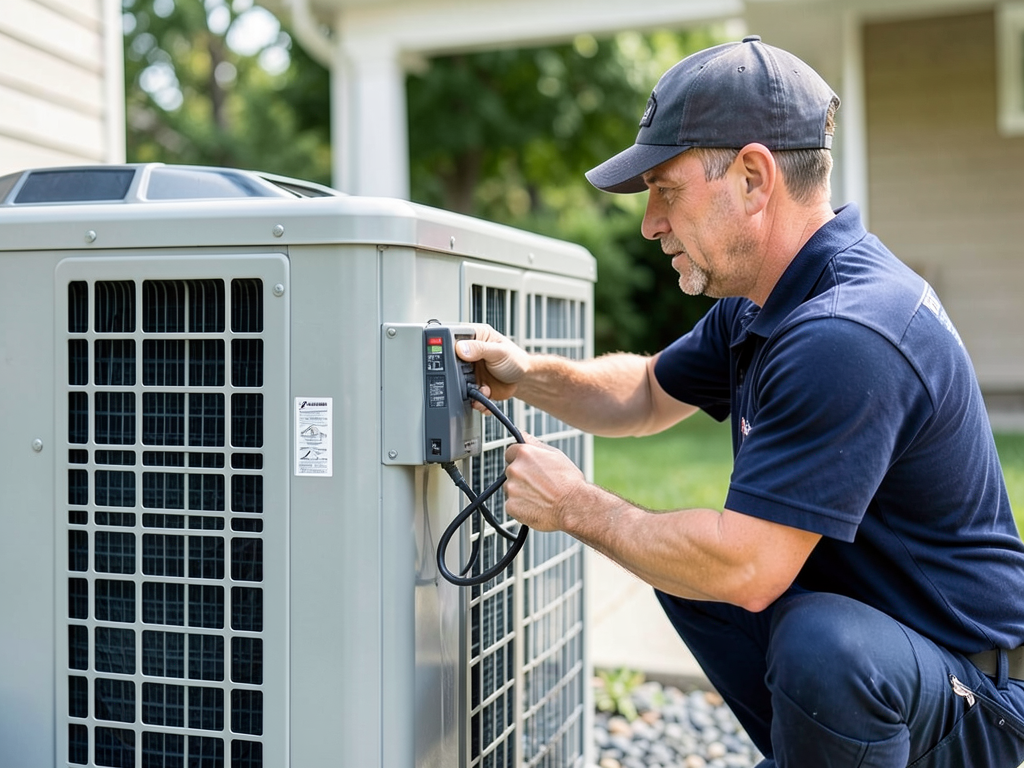
We then install a Surge Protective Device (SPD) directly into your system’s disconnect box. This location provides the most effective protection by intercepting surges before they enter your HVAC control circuits. The installation typically takes 60 to 90 minutes and requires only basic hand tools and electrical testing equipment.
During installation we verify proper grounding since surge protectors require solid earth ground to function correctly. Many older Fairburn homes have grounding issues that we identify and correct as part of the service. This additional step ensures maximum protection and system safety.
After installation we test the entire system to confirm proper operation. We verify that the surge protector activates correctly during simulated surge conditions and that all safety features function as designed. Finally, we activate the manufacturer’s warranty and provide you with documentation for your records.
Point-of-Use vs Whole-Home Surge Protectors
Point-of-use surge protectors plug directly into standard wall outlets and protect individual devices. While these work well for computers and entertainment systems they cannot handle the massive energy surges that affect HVAC systems. Your outdoor AC unit operates on 240-volt circuits with amperages ranging from 15 to 60 amps depending on size.
Whole-home surge protectors install at your main electrical panel and protect all circuits in your home. These devices provide broad protection but may not offer the specialized protection needed for sensitive HVAC electronics. HVAC-specific surge protectors combine the benefits of both approaches by providing targeted protection at the equipment level. Specialized HVAC Solutions for Historic Virginia-Highland Homes.
The most effective protection strategy combines whole-home surge protection at your electrical panel with dedicated HVAC surge protection at your outdoor unit. This layered approach ensures maximum defense against both external surges from lightning strikes and internal surges from your home’s electrical system cycling on and off.
Understanding Surge Protection Technology
Modern surge protectors use Metal Oxide Varistors (MOVs) to absorb excess voltage. These components act like pressure relief valves for electricity. When voltage exceeds safe levels the MOVs conduct the excess energy to ground preventing it from reaching your HVAC electronics.
Quality surge protectors respond in nanoseconds providing near-instantaneous protection. The best devices include thermal fuses that disconnect the protector if it becomes too hot from repeated surges preventing fire hazards. LED status indicators show when the protector is functioning correctly or needs replacement.
UL 1449 4th Edition certification ensures your surge protector meets rigorous safety standards. This certification requires the device to withstand multiple surge tests without failing. Always verify that any surge protector you install carries this certification and the appropriate warranty coverage.
Common Causes of HVAC Electrical Damage
Lightning strikes represent the most dramatic cause of surge damage but they are not the only threat. Power grid switching operations cause thousands of small surges daily as utilities manage electricity distribution. These cumulative effects can degrade HVAC electronics over time leading to premature failure.
Internal electrical issues also pose risks. Faulty wiring, loose connections, or aging circuit breakers can create voltage irregularities that damage sensitive control boards. Homes with aluminum wiring particularly those built in the 1960s and 1970s face higher risks of electrical problems affecting HVAC systems.
Even normal operation creates electrical stress. When your AC compressor starts it draws a large inrush current that can cause minor voltage dips throughout your home. While built-in protections handle these routine events additional surge protection provides an extra safety margin.
Maintenance and Monitoring
Surge protectors require minimal maintenance but periodic inspection ensures continued protection. LED indicators on quality devices show operational status. A green light indicates normal operation while a red or off light signals the need for replacement. The Only HVAC Maintenance Plan Dunwoody Homeowners Actually Need.
Most surge protectors last 5 to 10 years depending on the number of surges they absorb. Areas with frequent thunderstorms may see protectors wear out faster. Annual HVAC maintenance appointments provide perfect opportunities to check surge protector status and replace units as needed.
Some advanced surge protectors include remote monitoring capabilities that alert you via smartphone when replacement is needed. These smart devices provide added convenience and ensure you never operate without protection unknowingly.
Financial Protection and Insurance
Many homeowner insurance policies cover lightning damage but claims processes can be lengthy and deductibles often exceed the cost of preventive protection. Installing certified surge protection demonstrates due diligence that may help with insurance claims if damage occurs despite protection.
Manufacturer warranties on HVAC equipment sometimes require surge protection for coverage to remain valid. Check your system’s warranty documentation as installing protection may be necessary to maintain full warranty benefits. Some manufacturers specifically exclude surge damage from coverage unless protection is installed.
The warranty on quality surge protectors often includes connected equipment protection. If a surge gets through and damages your HVAC despite the protector being installed and functioning correctly the manufacturer may reimburse repair costs up to the warranty limit typically $25,000 to $50,000.
Installation Timing and Seasonal Considerations
The best time to install surge protection is before the summer thunderstorm season begins. Schedule installation in early spring when demand is lower and you can ensure protection before the first summer storms hit. However installation can be completed year-round since the work is performed outdoors and weather delays are minimal.
If your area has experienced recent lightning activity or if you notice flickering lights when your AC starts installation becomes more urgent. These symptoms indicate electrical system stress that could lead to surge damage without protection.
New HVAC system installations present ideal opportunities to add surge protection. Including it during the initial setup ensures your new investment has comprehensive protection from day one rather than risking damage during the first electrical storm.
Frequently Asked Questions
How long does installation take?
Most HVAC surge protector installations require 60 to 90 minutes. The process involves system assessment, device installation, grounding verification, and operational testing. Weather rarely delays installation since the work is performed at your outdoor unit.
Does it protect against direct lightning strikes?
No surge protector can guarantee protection against a direct lightning strike which can contain millions of volts. However protection devices significantly reduce damage from nearby strikes and power grid surges which are far more common causes of HVAC damage.
Will this lower my insurance premiums?
Some insurance companies offer discounts for homes with whole-home surge protection systems. While HVAC-specific protection may not qualify for direct discounts it demonstrates preventive maintenance that could help with claims processes if damage occurs.
Can I install this myself?
DIY installation is not recommended. Proper installation requires electrical testing, correct device selection for your specific system, and verification of grounding. Incorrect installation can create safety hazards or void equipment warranties.
How do I know if my protector is working?
Quality surge protectors include LED status indicators. A green light typically indicates normal operation while other colors or no light suggests replacement is needed. Annual HVAC maintenance includes protector status checks.
What if my area rarely gets thunderstorms?
Even areas with infrequent lightning experience power grid surges from utility operations, appliance cycling, and electrical faults. These smaller surges accumulate over time degrading HVAC electronics. Protection benefits extend beyond just lightning defense.
Does this affect my HVAC warranty?
Installing manufacturer-approved surge protection typically maintains or extends warranty coverage. Some manufacturers require protection for warranty validity. Always check your specific equipment warranty terms before installation.
Protecting Your Investment
Your HVAC system represents one of the largest investments in your home’s infrastructure. The outdoor condenser unit alone can cost $2,000 to $5,000 for standard residential systems with premium models exceeding $8,000. Adding surge protection for a few hundred dollars provides insurance against losing this investment to electrical damage.
Beyond the financial considerations surge protection provides peace of mind. You can sleep through summer thunderstorms knowing your HVAC system has defense against the electrical surges that commonly accompany Georgia’s intense weather patterns. This confidence proves invaluable during the peak cooling season when system reliability becomes critical.
The combination of Georgia’s lightning frequency, aging electrical infrastructure in Fairburn and surrounding communities, and the high cost of HVAC repairs makes surge protection a smart investment for every homeowner. The small upfront cost delivers substantial long-term benefits through damage prevention, warranty protection, and system reliability.
Ready to protect your HVAC system from summer storms? Call Summit HVAC Atlanta today at (770) 600-9611 to schedule your professional surge protector installation. Our experienced technicians serve Fairburn, Peachtree City, Tyrone, and all surrounding Atlanta communities with fast reliable service backed by our satisfaction guarantee.
Don’t wait for the next thunderstorm to damage your expensive HVAC electronics. Take action now to ensure your cooling system survives Georgia’s summer weather and keeps your home comfortable for years to come. For more information, visit NOAA lightning statistics.
{
“@context”: “https://schema.org”,
“@type”: “BlogPosting”,
“headline”: “Protecting Your Expensive HVAC Electronics from Summer Storms in Fairburn”,
“description”: “Protect your HVAC system from lightning and power surges in Fairburn. Learn about surge protection costs, installation, and why it’s essential for Georgia homeowners.”,
“wordCount”: 2076,
“datePublished”: “2026-04-22T09:28:00.000Z”,
“dateModified”: “2026-04-22T09:28:00.000Z”,
“inLanguage”: “en-US”,
“mainEntityOfPage”: {
“@type”: “WebPage”,
“@id”: “https://summithvacatlanta.com”
},
“publisher”: {
“@type”: “LocalBusiness”,
“name”: “Summit HVAC Atlanta”,
“url”: “https://summithvacatlanta.com”
},
“author”: {
“@type”: “Organization”,
“name”: “Summit HVAC Atlanta”,
“url”: “https://summithvacatlanta.com”
},
“image”: {
“@type”: “ImageObject”,
“url”: “https://summithvacatlanta.com/wp-content/uploads/2026/03/protecting-your-expensive-hvac-electronics-from-su-1.png”
}
}
{
“@context”: “https://schema.org”,
“@type”: “HVACBusiness”,
“name”: “Summit HVAC Atlanta”,
“url”: “https://summithvacatlanta.com”,
“address”: {
“@type”: “PostalAddress”,
“addressLocality”: “Atlanta”
},
“areaServed”: {
“@type”: “City”,
“name”: “Atlanta”
}
}
{
“@context”: “https://schema.org”,
“@type”: “FAQPage”,
“mainEntity”: [
{
“@type”: “Question”,
“name”: “How long does installation take?”,
“acceptedAnswer”: {
“@type”: “Answer”,
“text”: “Most HVAC surge protector installations require 60 to 90 minutes. The process involves system assessment, device installation, grounding verification, and operational testing. Weather rarely delays installation since the work is performed at your outdoor unit.”
}
},
{
“@type”: “Question”,
“name”: “Does it protect against direct lightning strikes?”,
“acceptedAnswer”: {
“@type”: “Answer”,
“text”: “No surge protector can guarantee protection against a direct lightning strike which can contain millions of volts. However protection devices significantly reduce damage from nearby strikes and power grid surges which are far more common causes of HVAC damage.”
}
},
{
“@type”: “Question”,
“name”: “Will this lower my insurance premiums?”,
“acceptedAnswer”: {
“@type”: “Answer”,
“text”: “Some insurance companies offer discounts for homes with whole-home surge protection systems. While HVAC-specific protection may not qualify for direct discounts it demonstrates preventive maintenance that could help with claims processes if damage occurs.”
}
},
{
“@type”: “Question”,
“name”: “Can I install this myself?”,
“acceptedAnswer”: {
“@type”: “Answer”,
“text”: “DIY installation is not recommended. Proper installation requires electrical testing, correct device selection for your specific system, and verification of grounding. Incorrect installation can create safety hazards or void equipment warranties.”
}
},
{
“@type”: “Question”,
“name”: “How do I know if my protector is working?”,
“acceptedAnswer”: {
“@type”: “Answer”,
“text”: “Quality surge protectors include LED status indicators. A green light typically indicates normal operation while other colors or no light suggests replacement is needed. Annual HVAC maintenance includes protector status checks.”
}
},
{
“@type”: “Question”,
“name”: “What if my area rarely gets thunderstorms?”,
“acceptedAnswer”: {
“@type”: “Answer”,
“text”: “Even areas with infrequent lightning experience power grid surges from utility operations, appliance cycling, and electrical faults. These smaller surges accumulate over time degrading HVAC electronics. Protection benefits extend beyond just lightning defense.”
}
},
{
“@type”: “Question”,
“name”: “Does this affect my HVAC warranty?”,
“acceptedAnswer”: {
“@type”: “Answer”,
“text”: “Installing manufacturer-approved surge protection typically maintains or extends warranty coverage. Some manufacturers require protection for warranty validity. Always check your specific equipment warranty terms before installation.”
}
}
]
}
{
“@context”: “https://schema.org”,
“@type”: “BreadcrumbList”,
“itemListElement”: [
{
“@type”: “ListItem”,
“position”: 1,
“name”: “Home”,
“item”: “https://summithvacatlanta.com”
},
{
“@type”: “ListItem”,
“position”: 2,
“name”: “Blog”,
“item”: “https://summithvacatlanta.com/blog”
},
{
“@type”: “ListItem”,
“position”: 3,
“name”: “Protecting Your Expensive HVAC Electronics from Summer Storms in Fairburn”
}
]
}
{
“@context”: “https://schema.org”,
“@type”: “Service”,
“serviceType”: “HVAC”,
“provider”: {
“@type”: “LocalBusiness”,
“name”: “Summit HVAC Atlanta”,
“url”: “https://summithvacatlanta.com”
},
“areaServed”: {
“@type”: “City”,
“name”: “Atlanta”
},
“description”: “Protect your HVAC system from lightning and power surges in Fairburn. Learn about surge protection costs, installation, and why it’s essential for Georgia homeowners.”
}