
Protecting Your Fine Art and Antiques in Virginia-Highland with Precision Humidity Control
Your Virginia-Highland bungalow houses more than furniture. Original paintings hang on the walls. Antique furniture fills the rooms. Rare musical instruments wait in climate-controlled cases. Each piece represents years of careful collecting and significant financial investment.
Atlanta’s climate threatens these treasures every day. Summer humidity regularly climbs above 70%. Winter temperatures fluctuate wildly. These conditions cause irreversible damage to fine art and antiques through cracking, warping, and mold growth.
Standard residential HVAC systems cannot provide the precise environmental control these valuable items require. Museum-quality systems maintain consistent temperature and humidity levels that protect your collection for generations. Improving the Air Quality in Your Brookhaven Home During Pollen Season.
Why Virginia-Highland Collections Need Specialized Climate Control
Virginia-Highland’s historic homes present unique challenges for art preservation. Many Craftsman bungalows and Tudor Revival homes lack modern insulation. Original windows leak conditioned air. Attic spaces trap heat and moisture.
The Atlanta climate compounds these problems. Summer dew points often reach 70°F, creating conditions where indoor humidity naturally rises above 60%. Fine art requires humidity levels between 45-55% with minimal fluctuations.
Oil paintings suffer when humidity changes rapidly. Canvas expands and contracts, causing paint to crack and flake. Wooden antiques warp when exposed to inconsistent moisture levels. Musical instruments go out of tune permanently when wood fibers stretch and compress repeatedly.
Without proper climate control, your collection loses value every year. Restoration costs for damaged art often exceed the price of preventive HVAC installation. Comparing Costs for a New AC Unit in Sandy Springs.
The Science Behind Museum-Quality Climate Control
Museum-grade systems use advanced technology to maintain precise environmental conditions. Variable-speed compressors adjust cooling output in small increments rather than cycling on and off. This prevents temperature swings that stress delicate materials.
Steam humidification systems add moisture to air more evenly than traditional evaporative humidifiers. Electronic sensors monitor humidity levels every minute and make micro-adjustments to maintain stability within ±2%.
High-efficiency particulate air filters remove dust, pollen, and other contaminants that settle on artwork. Activated carbon filters absorb volatile organic compounds that can damage finishes and accelerate aging.
Professional systems monitor multiple zones independently. Your living room might need different conditions than your bedroom or gallery space. Smart controls allow you to set different parameters for each area.
Key Components of Fine Art HVAC Systems
Precision humidistats measure relative humidity to within 1% accuracy. These sensors communicate with the system’s controller to activate humidification or dehumidification as needed.
Variable refrigerant flow technology adjusts refrigerant flow based on cooling demand. This provides consistent temperatures without the temperature drops that occur when standard systems cycle off.
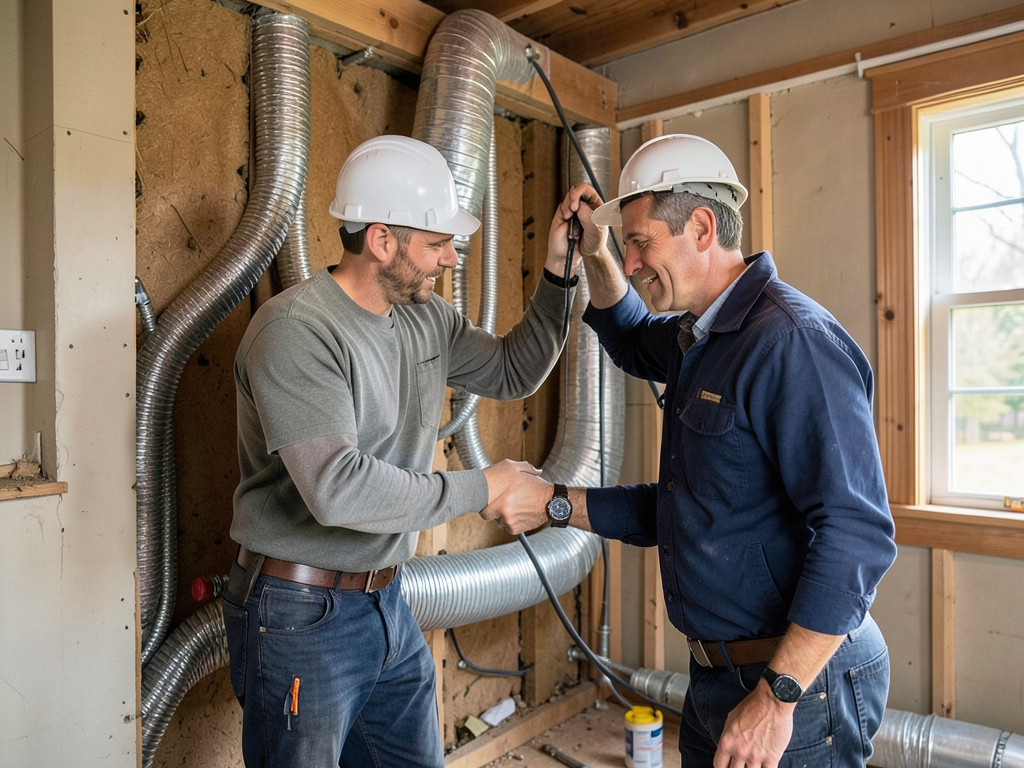
High-velocity air distribution systems use smaller ducts that fit within historic home walls. These systems deliver conditioned air quietly and evenly without disrupting architectural features.
UV-C light systems installed in ductwork kill mold spores and bacteria before they circulate through your home. This prevents biological growth on valuable surfaces.
Energy recovery ventilators exchange stale indoor air with fresh outdoor air while transferring heat and moisture. This maintains air quality without compromising temperature or humidity control.
Common Threats to Fine Art in Atlanta Homes
Rapid temperature changes cause the most damage to collections. A painting stored at 70°F that experiences a 20-degree drop may develop craquelure patterns in the paint surface. These cracks cannot be repaired completely.
High humidity promotes mold growth on organic materials. Paper, canvas, wood, and natural fibers all provide food for mold spores when moisture levels exceed 60%.
UV radiation from sunlight fades colors and weakens materials. Even indirect sunlight through windows can cause cumulative damage over years.
Pollution and dust settle on surfaces, creating micro-abrasions that dull finishes. Atlanta’s pollen season deposits fine particles that attract moisture and create chemical reactions with surface materials.
Physical stress from building movement affects mounted artwork. Foundation settling common in Virginia-Highland’s clay soil can cause wall-mounted pieces to shift and sustain impact damage.
Installation Considerations for Historic Virginia-Highland Homes
Historic district regulations require careful planning for HVAC modifications. Many Virginia-Highland homes are protected by local preservation ordinances that limit exterior changes.
High-velocity systems offer solutions for homes where traditional ductwork cannot be installed. Small, flexible ducts run through walls and ceilings without requiring major structural modifications. Specialized HVAC Solutions for Historic Virginia-Highland Homes.
Zone control becomes essential in multi-story homes. Upper floors heat faster than lower levels. Separate thermostats for each floor maintain consistent conditions throughout the home.
Equipment placement requires strategic thinking. Mechanical rooms should be accessible for maintenance but isolated from living spaces to minimize noise. The Only HVAC Maintenance Plan Dunwoody Homeowners Actually Need.
Electrical systems in older homes may need upgrades to support precision HVAC equipment. Modern systems require dedicated circuits and consistent power quality.
Monitoring and Maintenance Requirements
Precision systems need regular calibration to maintain accuracy. Humidity sensors drift over time and require adjustment to stay within ±2% tolerance.
Filter replacement schedules differ from standard HVAC systems. HEPA filters in museum-quality setups may need replacement every three months rather than annually.
UV-C lamps lose effectiveness over time. Lamps should be replaced annually to maintain mold prevention capabilities.
Condensate drains require special attention. Standing water in drain pans breeds bacteria and mold that can circulate through the system.. Read more about Why Hard Water in Sandy Springs Could Be Ruining Your HVAC Humidifier.
Smart monitoring systems alert you to problems before damage occurs. Remote sensors track conditions 24/7 and send notifications when parameters drift outside acceptable ranges.
Cost Considerations and ROI
Museum-quality HVAC systems cost significantly more than standard residential equipment. A complete system for a 2,000-square-foot home typically ranges from $15,000 to $30,000 installed.
Individual components have different price points. High-efficiency air handlers cost $3,000-5,000 each. Precision humidistats add $500-1,000 per zone. Steam humidification systems range from $2,000-4,000.
Energy costs run higher with precision systems. Maintaining constant conditions requires more operation time than standard cycling systems. However, the protection value often justifies the expense.
Insurance companies may offer premium discounts for homes with certified climate control systems. Some policies require documented environmental control for high-value collections.
The primary return on investment comes from preservation. A $50,000 painting damaged by improper humidity may lose 50% of its value. Prevention costs far less than restoration.
Comparison of HVAC System Types for Art Preservation
| System Type | Humidity Control | Noise Level | Installation Complexity | Best For |
|---|---|---|---|---|
| Standard Split System | ±5-10% | Moderate | Low | Basic comfort |
| High-Efficiency Variable Speed | ±3-5% | Low | Medium | Improved comfort |
| Museum-Grade Precision | ±1-2% | Very Low | High | Fine art preservation |
| High-Velocity System | ±2-3% | Very Low | High | Historic homes |
Environmental Standards for Art Preservation
The American Society of Heating, Refrigerating and Air-Conditioning Engineers (ASHRAE) publishes standards for museum environments. Class AA conditions require temperature control within ±2°F and humidity control within ±5%. ASHRAE museum environment standards.
The Image Permanence Institute recommends stricter standards for photographic materials. These require temperature control within ±1°F and humidity control within ±3%. Image Permanence Institute preservation guidelines.
Many art conservators recommend even tighter control for valuable paintings and antiques. Temperature stability within ±1°F and humidity stability within ±2% provides optimal preservation conditions.
Atlanta’s climate makes achieving these standards challenging. Summer outdoor humidity often exceeds 80%, requiring substantial dehumidification capacity. Winter heating creates dry conditions that need humidification.
Smart Technology Integration
Modern preservation systems connect to smartphone apps for remote monitoring. You can check temperature and humidity readings from anywhere and receive alerts when conditions change.
Cloud-based systems store historical data, allowing you to track environmental patterns over months or years. This information helps identify problems before they cause damage.
Integration with home automation systems allows coordinated control of lighting, window shades, and HVAC. Automated shading reduces UV exposure during peak sunlight hours.
Voice control through systems like Amazon Alexa or Google Home provides convenient adjustments. You can ask for temperature readings or make changes without touching controls.
Case Study: Virginia-Highland Art Collector
A Virginia-Highland homeowner with a valuable collection of 19th-century American paintings installed a museum-grade system in their 1925 Craftsman bungalow. The home had original windows and minimal insulation, creating significant climate control challenges.
The installation included a high-velocity air distribution system with dedicated zones for the gallery, living room, and bedrooms. Steam humidification maintained 48% relative humidity year-round. HEPA filtration removed airborne contaminants that could settle on artwork.
Before installation, humidity levels fluctuated between 35% and 65% throughout the year. Temperature varied by up to 8 degrees between rooms. After installation, humidity stayed within 2% of the target, and temperature variation reduced to less than 2 degrees.
The collector reported no signs of canvas stress or paint cracking in the three years since installation. The system cost $28,000 but eliminated $5,000-7,000 in annual restoration expenses.
Frequently Asked Questions
How much does museum-quality HVAC cost for a typical Virginia-Highland home?
Complete systems typically range from $15,000 to $30,000 depending on home size, number of zones, and equipment specifications. High-velocity systems for historic homes may cost more due to installation complexity.
Can I install museum-quality HVAC in my historic Virginia-Highland home without changing the exterior?
Yes. High-velocity systems use small ducts that fit within existing walls and ceilings. Equipment can be placed in basements, attics, or mechanical closets without exterior modifications.
How often should I calibrate humidity sensors in a precision HVAC system?
Professional calibration should occur annually. Some systems include self-calibration features that check accuracy monthly and alert you when professional service is needed.
Will a museum-quality system reduce my energy bills?
Energy costs typically increase because the system runs more continuously to maintain stable conditions. However, high-efficiency components and smart controls help minimize waste.
What humidity level is best for my art collection?
Most art conservators recommend 45-55% relative humidity with minimal fluctuation. Some materials like photographs may require slightly different ranges, which your HVAC specialist can accommodate.
Protecting Your Investment
Fine art and antiques represent significant financial and emotional investments. Atlanta’s challenging climate makes professional climate control essential for preservation.
Standard HVAC systems cannot provide the precision required for valuable collections. Museum-quality equipment maintains the stable conditions that prevent irreversible damage.
Virginia-Highland’s historic homes present unique challenges, but modern technology offers solutions that preserve both your collection and your home’s character.
Professional assessment determines your specific needs based on your collection, home construction, and local climate conditions. Custom design ensures optimal performance for your situation.
Regular maintenance keeps precision systems operating correctly. Calibration, filter replacement, and component inspection prevent problems before they cause damage.
Your collection deserves the same environmental control provided in world-class museums. Professional museum-quality HVAC protects your investment for generations.
Get Expert Assessment Today
Don’t risk damage to your valuable collection. Professional assessment identifies your specific climate control needs and recommends appropriate solutions.
Summit HVAC Atlanta specializes in precision systems for fine art preservation. Our technicians understand the unique requirements of valuable collections and historic homes.
We provide detailed proposals with equipment specifications, installation plans, and cost estimates. Our work includes warranty protection and maintenance planning.
Call (770) 600-9611 today for your free consultation. Protect your collection with museum-quality climate control designed for Virginia-Highland homes.
Your art deserves professional care. Contact us now to schedule your assessment and take the first step toward preserving your valuable collection for future generations.
{
“@context”: “https://schema.org”,
“@type”: “BlogPosting”,
“headline”: “Protecting Your Fine Art and Antiques in Virginia-Highland with Precision Humidity Control”,
“description”: “Learn how Virginia-Highland collectors protect valuable art and antiques from Atlanta’s humidity using museum-grade HVAC systems. Precision climate control for preservation.”,
“wordCount”: 1853,
“datePublished”: “2026-06-15T09:03:00.000Z”,
“dateModified”: “2026-06-15T09:03:00.000Z”,
“inLanguage”: “en-US”,
“mainEntityOfPage”: {
“@type”: “WebPage”,
“@id”: “https://summithvacatlanta.com”
},
“publisher”: {
“@type”: “LocalBusiness”,
“name”: “Summit HVAC Atlanta”,
“url”: “https://summithvacatlanta.com”
},
“author”: {
“@type”: “Organization”,
“name”: “Summit HVAC Atlanta”,
“url”: “https://summithvacatlanta.com”
},
“image”: {
“@type”: “ImageObject”,
“url”: “https://summithvacatlanta.com/wp-content/uploads/2026/03/protecting-your-fine-art-and-antiques-in-virginia-1.png”
}
}
{
“@context”: “https://schema.org”,
“@type”: “HVACBusiness”,
“name”: “Summit HVAC Atlanta”,
“url”: “https://summithvacatlanta.com”,
“address”: {
“@type”: “PostalAddress”,
“addressLocality”: “Atlanta”
},
“areaServed”: {
“@type”: “City”,
“name”: “Atlanta”
}
}
{
“@context”: “https://schema.org”,
“@type”: “FAQPage”,
“mainEntity”: [
{
“@type”: “Question”,
“name”: “How much does museum-quality HVAC cost for a typical Virginia-Highland home?”,
“acceptedAnswer”: {
“@type”: “Answer”,
“text”: “Complete systems typically range from $15,000 to $30,000 depending on home size, number of zones, and equipment specifications. High-velocity systems for historic homes may cost more due to installation complexity.”
}
},
{
“@type”: “Question”,
“name”: “Can I install museum-quality HVAC in my historic Virginia-Highland home without changing the exterior?”,
“acceptedAnswer”: {
“@type”: “Answer”,
“text”: “Yes. High-velocity systems use small ducts that fit within existing walls and ceilings. Equipment can be placed in basements, attics, or mechanical closets without exterior modifications.”
}
},
{
“@type”: “Question”,
“name”: “How often should I calibrate humidity sensors in a precision HVAC system?”,
“acceptedAnswer”: {
“@type”: “Answer”,
“text”: “Professional calibration should occur annually. Some systems include self-calibration features that check accuracy monthly and alert you when professional service is needed.”
}
},
{
“@type”: “Question”,
“name”: “Will a museum-quality system reduce my energy bills?”,
“acceptedAnswer”: {
“@type”: “Answer”,
“text”: “Energy costs typically increase because the system runs more continuously to maintain stable conditions. However, high-efficiency components and smart controls help minimize waste.”
}
},
{
“@type”: “Question”,
“name”: “What humidity level is best for my art collection?”,
“acceptedAnswer”: {
“@type”: “Answer”,
“text”: “Most art conservators recommend 45-55% relative humidity with minimal fluctuation. Some materials like photographs may require slightly different ranges, which your HVAC specialist can accommodate.”
}
}
]
}
{
“@context”: “https://schema.org”,
“@type”: “BreadcrumbList”,
“itemListElement”: [
{
“@type”: “ListItem”,
“position”: 1,
“name”: “Home”,
“item”: “https://summithvacatlanta.com”
},
{
“@type”: “ListItem”,
“position”: 2,
“name”: “Blog”,
“item”: “https://summithvacatlanta.com/blog”
},
{
“@type”: “ListItem”,
“position”: 3,
“name”: “Protecting Your Fine Art and Antiques in Virginia-Highland with Precision Humidity Control”
}
]
}
{
“@context”: “https://schema.org”,
“@type”: “Service”,
“serviceType”: “HVAC”,
“provider”: {
“@type”: “LocalBusiness”,
“name”: “Summit HVAC Atlanta”,
“url”: “https://summithvacatlanta.com”
},
“areaServed”: {
“@type”: “City”,
“name”: “Atlanta”
},
“description”: “Learn how Virginia-Highland collectors protect valuable art and antiques from Atlanta’s humidity using museum-grade HVAC systems. Precision climate control for preservation.”
}