
Quiet AC Solutions That Meet Virginia-Highland Property Line Noise Rules
Living in Virginia-Highland means enjoying historic charm, tree-lined streets, and close-knit community vibes. But it also means dealing with strict property line noise rules when your air conditioner kicks on. The last thing you want is a neighbor complaint or a code enforcement visit during Atlanta’s sweltering summers. Atlanta Code of Ordinances Chapter 74 Article IV.
The City of Atlanta enforces specific decibel limits for residential HVAC equipment, measured directly from your property line. These rules exist to maintain peaceful neighborhoods while still allowing homeowners to stay cool. Understanding these regulations and choosing the right equipment can save you from fines and keep your relationships with neighbors intact.
Virginia-Highland’s older homes often have outdoor units close to property lines or even near sidewalks where sound travels easily. The area’s dense housing layout means your AC noise doesn’t just affect your household—it impacts everyone nearby. This guide breaks down Atlanta’s noise ordinances and shows you how to meet them without sacrificing comfort.. Read more about Protecting Your Fine Art and Antiques in Virginia-Highland with Precision Humidity Control.
Atlanta’s Residential Noise Limits for HVAC Equipment
The City of Atlanta Code of Ordinances sets clear standards for outdoor equipment noise. For residential properties, the daytime limit is typically 55 decibels measured at the property line. Nighttime hours between 10 PM and 7 AM require even lower levels, usually around 50 decibels.
These measurements use A-weighted decibels (dBA), which account for how the human ear perceives sound. A normal conversation registers around 60 dBA, so your AC unit needs to be significantly quieter than everyday speech to comply with local codes.
Virginia-Highland falls under Atlanta’s standard residential noise regulations. However, the area’s historic district status can sometimes mean additional HOA restrictions. Some neighborhood associations have even stricter requirements than the city code, so checking both is essential before installation.
Commercial zones in Atlanta allow slightly higher noise levels, but most Virginia-Highland properties are strictly residential. The code specifically addresses “air conditioning and refrigeration equipment” as potential noise sources requiring compliance. Commercial HVAC.
How Noise Measurements Work at Your Property Line
Atlanta’s noise ordinance measures sound from the “receiving property”—your neighbor’s land where the noise is heard. This means your AC unit’s sound level gets measured from the exact point where it crosses onto someone else’s property.
Code enforcement officers use professional sound level meters to take these measurements. They typically measure during the complaint time period and may take multiple readings to establish an average level. The meter must be positioned at the property line closest to the noise source.
Background noise also matters. If your neighborhood has high ambient sound levels, your AC might need to be even quieter to stay compliant. Officers measure the existing noise level first, then add your equipment’s contribution to determine if you exceed the limit.
Weather conditions affect sound travel. Hot, humid Atlanta summers can carry sound farther than cooler days. Wind direction also matters—sound travels farther downwind. These factors make compliance more challenging during peak cooling season.
Common Noise Violations in Virginia-Highland
The most frequent violations occur with older AC units that weren’t designed with noise reduction in mind. Standard units from the 1990s and early 2000s often produce 70-80 dBA at the source, which can easily exceed property line limits when measured from a neighbor’s yard.
Improper installation causes many issues. Units placed on uninsulated concrete pads can vibrate and amplify noise. Compressors that aren’t properly isolated transmit vibrations through the structure, creating low-frequency rumbling that travels farther than expected.
Undersized ductwork forces air through smaller openings at higher velocities, creating whistling sounds. This not only violates noise codes but also reduces system efficiency. The combination of high velocity and turbulence generates noise that carries across property lines.
Maintenance neglect leads to noise violations too. Dirty condenser coils make compressors work harder, increasing vibration and noise output. Loose panels or components can rattle in the wind, creating intermittent sounds that neighbors find particularly annoying. The Only HVAC Maintenance Plan Dunwoody Homeowners Actually Need.
Sound-Reducing HVAC Technologies
Modern AC units offer several noise-reduction features. Variable-speed compressors operate at lower speeds most of the time, producing 50-60 dBA compared to 70-80 dBA from single-stage units. These systems ramp up gradually rather than cycling on with a loud bang.
Sound blankets wrap around compressors to absorb vibration and reduce noise output by 2-5 dBA. While this might not sound like much, a 3 dBA reduction cuts perceived loudness by about 25 percent. For units near property lines, this difference matters significantly.
Fan blade design has improved dramatically. Modern fans use advanced aerodynamics to move the same amount of air at lower speeds, reducing turbulence noise. Some high-end units feature multiple smaller fans instead of one large one, distributing sound more evenly.
Insulated compressor compartments prevent noise from escaping through the unit’s casing. Double-walled construction with sound-deadening material can reduce noise by 3-7 dBA. This technology works especially well for heat pumps, which run year-round and need consistent quiet operation.
Installation Techniques for Maximum Quiet
Proper mounting makes a huge difference in noise transmission. Vibration isolation pads between the unit and mounting surface prevent structural vibration from traveling into your home or across the property line. These rubber or composite pads can reduce noise by 3-5 dBA.
Strategic placement helps avoid violations. Positioning the unit as far from property lines as possible, ideally on the side of your house opposite your closest neighbor, reduces the sound level at their property line. Even 10 extra feet can make a noticeable difference in measured decibels.
Sound barriers provide additional protection. Acoustic fences or walls built around the AC unit can block and absorb sound waves. These barriers need to be solid and at least as tall as the unit to be effective. Materials like mass-loaded vinyl or specialized acoustic panels work best. Specialized HVAC Solutions for Historic Virginia-Highland Homes.
Landscaping also helps. Dense evergreen shrubs planted around the unit can absorb and deflect sound. While plants alone won’t bring a violating unit into compliance, they can reduce noise by 2-3 dBA when combined with other measures.
Comparing Quiet AC Models for Atlanta Homes
High-efficiency units from major manufacturers offer the quietest operation. Carrier’s Infinity series, for example, operates at 51 dBA in low-stage mode, well below Atlanta’s daytime limit. These premium units cost more upfront but prevent noise-related headaches and potential fines.
Trane’s XV20i variable-speed heat pump produces just 43 dBA at minimum capacity. This ultra-quiet operation makes it ideal for Virginia-Highland’s close-quarter living. The unit adjusts its output in tiny increments, maintaining comfort while minimizing noise output.
Rheem’s Prestige series features a unique “EcoNet” system that optimizes both efficiency and noise. The units communicate with smart thermostats to anticipate cooling needs, often preventing the loud initial power draw that disturbs neighbors during startup.
Budget-friendly options still exist for noise-conscious homeowners. Goodman’s GSX series, while not as whisper-quiet as premium models, includes sound-reduction features that keep noise under 70 dBA at the source. Combined with proper installation, these units can meet local requirements.
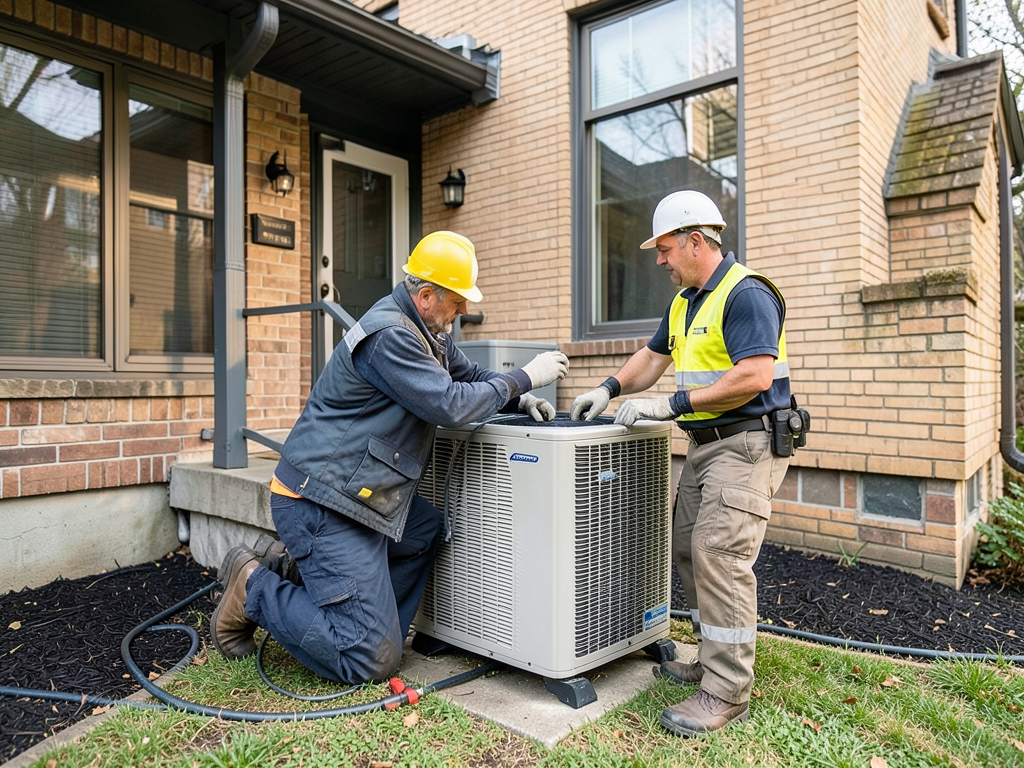
Step-by-Step Guide to Measuring Your AC Noise
Before calling for service, you can check if your unit might violate local codes. This simple test helps you understand your current noise situation and decide if upgrades are necessary.
- Gather Equipment
You’ll need a smartphone with a decibel meter app (like Decibel X or Sound Meter) and a tape measure. For more accurate results, rent a professional sound level meter from an audio equipment store.
- Choose the Right Time
Measure during typical operating hours, usually mid-afternoon on a hot day when the AC runs constantly. For nighttime compliance, test after 10 PM when the stricter limits apply.
- Find the Measurement Point
Measure from your property line closest to the AC unit. If you’re checking compliance for a potential violation, measure from your neighbor’s property line toward your unit.
- Take Multiple Readings
Record the noise level for at least 60 seconds while the AC runs. Note the highest reading and the average. Units cycle on and off, so one reading might not show the true maximum noise level.
- Compare to Local Limits
Daytime readings should stay under 55 dBA. Nighttime readings need to remain below 50 dBA. If you’re consistently above these levels, your unit likely violates local ordinances.
This DIY testing gives you a baseline, but professional measurements provide the documentation needed for code compliance verification. If your readings approach the limits, schedule a professional assessment before any neighbor complaints arise.
HOA vs. City Noise Requirements
Virginia-Highland residents often face dual noise regulation layers. The City of Atlanta sets minimum standards, but many HOAs impose stricter requirements. Some neighborhood associations require noise levels below 50 dBA even during daytime hours.
HOA rules typically appear in the covenants, conditions, and restrictions (CC&Rs) that homeowners agree to when purchasing property. These documents may specify exact decibel limits, prohibited equipment types, or required installation methods that go beyond city codes.
Enforcement differs between the two authorities. City code enforcement responds to formal complaints and conducts official inspections. HOA violations usually start with warning letters and may escalate to fines or legal action if unaddressed.
Some HOAs require pre-installation approval for HVAC equipment. This process ensures new units meet both noise and aesthetic standards before installation begins. Skipping this approval can result in costly removal orders even if the unit meets city codes.
Historic district designations add another layer. Virginia-Highland’s historic status means exterior modifications, including HVAC installations, may require approval from preservation boards. These boards consider visual impact alongside noise concerns.
Responding to Noise Complaints and Code Violations
If you receive a noise complaint, don’t panic. Many issues have simple solutions that bring you into compliance without replacing the entire system. The key is responding promptly and professionally.
First, verify the complaint by measuring your unit’s noise level using the steps above. If you’re over the limit, identify which specific regulation you’re violating—city code, HOA rules, or both. This determines your next steps.
Common quick fixes include tightening loose components, cleaning dirty coils, and adding vibration isolation pads. These improvements often reduce noise by 3-5 dBA, potentially bringing a borderline unit into compliance.
For units that still violate limits after basic fixes, consider sound barriers or strategic landscaping. These physical modifications can provide the extra noise reduction needed without full system replacement.
If replacement becomes necessary, document everything. Keep records of measurements, complaints, and all attempted solutions. This documentation helps if disputes escalate and proves you’ve made good-faith efforts to comply.
Professional mediation can help resolve neighbor disputes. Many communities have dispute resolution services that can facilitate discussions and find mutually acceptable solutions without involving code enforcement.
Cost Factors for Quiet HVAC Upgrades
Upgrading to a quiet, compliant system involves several cost considerations. Premium variable-speed units cost 20-30 percent more than standard models but offer the best noise reduction and energy efficiency. These units often pay for themselves through lower utility bills within 3-5 years.
Installation modifications add to the total cost. Vibration isolation pads cost $50-100 per unit, while professional sound barrier installation runs $500-2,000 depending on materials and complexity. Strategic placement might require additional electrical work or refrigerant line extensions.
Sound blankets range from $100-300 depending on the compressor size. While relatively inexpensive, they provide significant noise reduction and work well with existing units that are slightly over the limit.
Professional noise assessment services charge $150-300 for comprehensive testing and recommendations. This investment helps you target specific problems rather than guessing at solutions, potentially saving money on unnecessary upgrades.
Consider long-term costs too. Quieter units often mean higher efficiency ratings, reducing monthly utility bills. They also tend to have fewer maintenance issues since they don’t work as hard to achieve the same cooling output. Comparing Costs for a New AC Unit in Sandy Springs.
Maintaining Quiet Operation Year After Year
Regular maintenance keeps your system quiet and compliant. Annual professional tune-ups should include noise level checks, vibration analysis, and component tightening. These preventive measures catch small issues before they become major noise problems.
Clean coils operate more quietly than dirty ones. When coils get clogged with pollen, dust, and debris—common in Atlanta’s humid climate—the compressor works harder and produces more noise. Professional coil cleaning once yearly maintains optimal quiet operation.
Lubricate moving parts according to manufacturer specifications. Dry bearings and unlubricated motors create friction noise that increases over time. This simple maintenance step prevents the gradual noise increase that often leads to complaints.
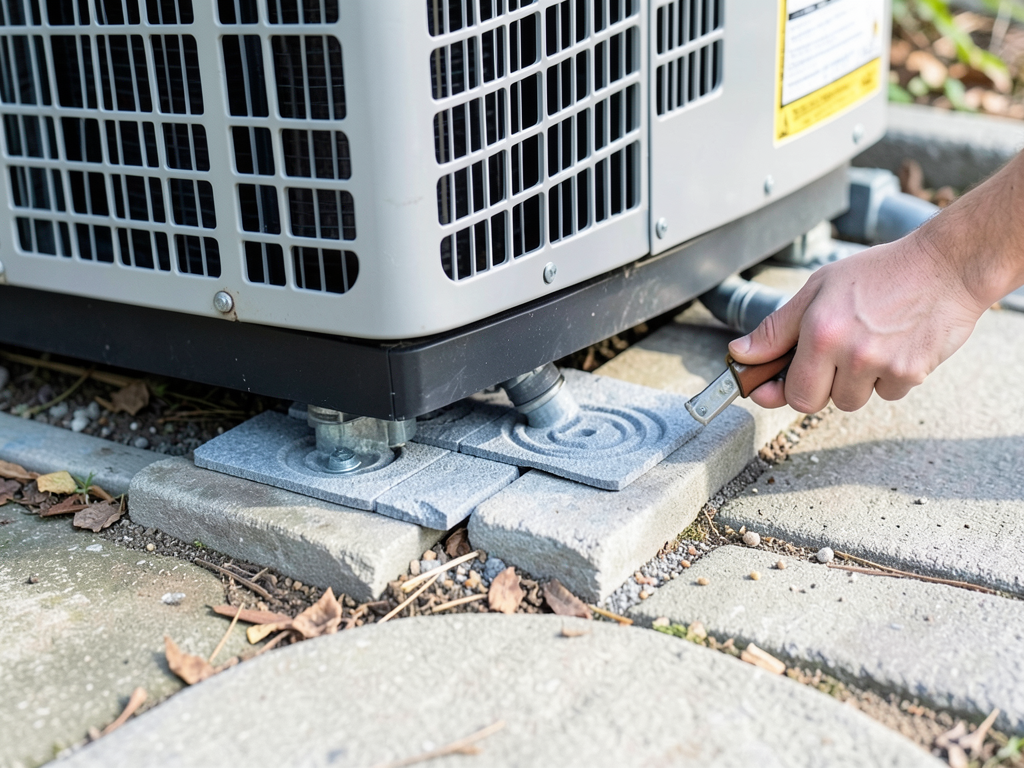
Check mounting hardware seasonally. Vibration pads compress over time, and mounting bolts can loosen with thermal cycling. Tightening connections and replacing worn pads maintains the noise reduction your system had when new.
Monitor for new noise sources. Animals nesting near outdoor units, tree branches rubbing against equipment, or ice buildup in winter can all create unexpected sounds. Regular visual inspections help catch these issues early.
Keep the area around your unit clear. Debris accumulation can cause rattling, and plants growing too close can interfere with airflow and create turbulence noise. Maintain at least 2 feet of clearance on all sides of the equipment.
Local Success Stories in Virginia-Highland
Several Virginia-Highland homeowners have successfully navigated noise compliance while upgrading their comfort. One Craftsman bungalow owner replaced a 15-year-old unit that was generating 78 dBA with a modern variable-speed system operating at 52 dBA. The upgrade cost $6,500 but eliminated neighbor complaints and reduced summer electric bills by 25 percent.
A nearby duplex had persistent noise issues due to improper installation on a shared concrete pad. Adding vibration isolation and sound barriers brought the units into compliance for under $1,000—far less than the $8,000 cost of replacement.
One historic district property faced strict HOA requirements of 48 dBA maximum. The solution involved a premium unit with sound blankets, strategic placement behind a decorative screen, and dense landscaping. Total cost was $9,200, but the homeowner avoided potential fines and maintained good neighbor relations.
These examples show that compliance is achievable through various approaches. The right solution depends on your specific situation, budget, and the severity of your noise issues.
Frequently Asked Questions
What are the exact decibel limits for AC units in Atlanta?
Atlanta’s daytime limit is 55 dBA and nighttime limit is 50 dBA for residential properties, measured at the property line. These limits apply to all outdoor HVAC equipment including air conditioners and heat pumps.
How do I know if my AC violates local noise codes?
Measure the noise level at your property line using a decibel meter app during typical operating hours. If readings exceed 55 dBA during the day or 50 dBA at night, your unit likely violates local codes.
Can I just add a fence around my AC to reduce noise?
A solid acoustic fence can help reduce noise by 3-7 dBA, but it must be properly designed and positioned. Simple privacy fences often don’t provide enough sound blocking to bring a violating unit into compliance.
Do historic district rules affect HVAC installations in Virginia-Highland?
Yes, historic district properties may require additional approvals for exterior modifications including HVAC installations. Some historic guidelines also address visual impact and may restrict certain equipment types or placement options.
How much does it cost to upgrade to a quiet AC system?
Premium quiet systems cost 20-30 percent more than standard units, typically $1,500-3,000 extra. Additional sound reduction measures like barriers or vibration pads add $500-2,000 to the total cost.
Take Action Before Complaints Arise
Don’t wait for a neighbor complaint or code enforcement notice to address your AC noise issues. Virginia-Highland’s close-knit community means noise problems affect relationships as much as they affect compliance.
Start with a professional noise assessment to understand your current situation. Our technicians can measure your unit’s output, identify specific noise sources, and recommend targeted solutions that bring you into compliance without unnecessary expenses.
Whether you need a simple sound blanket, strategic placement changes, or a complete system upgrade, we have the expertise to solve your noise problems while maintaining your comfort. We understand Atlanta’s unique climate challenges and local code requirements.
Call Summit HVAC Atlanta today at (770) 600-9611 to schedule your noise assessment. We’ll help you stay cool, keep your neighbors happy, and avoid costly fines. Your comfort shouldn’t come at the expense of your community relationships.
Don’t let AC noise violations ruin your summer. Contact us now and take the first step toward quiet, compliant cooling that works for everyone in your Virginia-Highland neighborhood.
Summit HVAC Atlanta serves Virginia-Highland and all surrounding Atlanta neighborhoods with expert HVAC solutions tailored to local requirements. We’re your trusted partner for quiet, efficient cooling that meets all city codes and HOA standards. For more information, visit EPA noise guidelines.
You may also find this helpful. Why the English Ivy in Your Dunwoody Yard is a Secret Threat to Your AC Unit.
{
“@context”: “https://schema.org”,
“@type”: “BlogPosting”,
“headline”: “Quiet AC Solutions That Meet Virginia-Highland Property Line Noise Rules”,
“description”: “Find quiet AC solutions that comply with Virginia-Highland noise ordinances. Learn Atlanta’s decibel limits and soundproofing options from local HVAC experts.”,
“wordCount”: 2773,
“datePublished”: “2026-06-06T13:15:00.000Z”,
“dateModified”: “2026-06-06T13:15:00.000Z”,
“inLanguage”: “en-US”,
“mainEntityOfPage”: {
“@type”: “WebPage”,
“@id”: “https://summithvacatlanta.com”
},
“publisher”: {
“@type”: “LocalBusiness”,
“name”: “Summit HVAC Atlanta”,
“url”: “https://summithvacatlanta.com”
},
“author”: {
“@type”: “Organization”,
“name”: “Summit HVAC Atlanta”,
“url”: “https://summithvacatlanta.com”
},
“image”: {
“@type”: “ImageObject”,
“url”: “https://summithvacatlanta.com/wp-content/uploads/2026/03/quiet-ac-solutions-that-meet-virginia-highland-pro-1.png”
}
}
{
“@context”: “https://schema.org”,
“@type”: “HVACBusiness”,
“name”: “Summit HVAC Atlanta”,
“url”: “https://summithvacatlanta.com”,
“address”: {
“@type”: “PostalAddress”,
“addressLocality”: “Atlanta”
},
“areaServed”: {
“@type”: “City”,
“name”: “Atlanta”
}
}
{
“@context”: “https://schema.org”,
“@type”: “FAQPage”,
“mainEntity”: [
{
“@type”: “Question”,
“name”: “What are the exact decibel limits for AC units in Atlanta?”,
“acceptedAnswer”: {
“@type”: “Answer”,
“text”: “Atlanta’s daytime limit is 55 dBA and nighttime limit is 50 dBA for residential properties, measured at the property line. These limits apply to all outdoor HVAC equipment including air conditioners and heat pumps.”
}
},
{
“@type”: “Question”,
“name”: “How do I know if my AC violates local noise codes?”,
“acceptedAnswer”: {
“@type”: “Answer”,
“text”: “Measure the noise level at your property line using a decibel meter app during typical operating hours. If readings exceed 55 dBA during the day or 50 dBA at night, your unit likely violates local codes.”
}
},
{
“@type”: “Question”,
“name”: “Can I just add a fence around my AC to reduce noise?”,
“acceptedAnswer”: {
“@type”: “Answer”,
“text”: “A solid acoustic fence can help reduce noise by 3-7 dBA, but it must be properly designed and positioned. Simple privacy fences often don’t provide enough sound blocking to bring a violating unit into compliance.”
}
},
{
“@type”: “Question”,
“name”: “Do historic district rules affect HVAC installations in Virginia-Highland?”,
“acceptedAnswer”: {
“@type”: “Answer”,
“text”: “Yes, historic district properties may require additional approvals for exterior modifications including HVAC installations. Some historic guidelines also address visual impact and may restrict certain equipment types or placement options.”
}
},
{
“@type”: “Question”,
“name”: “How much does it cost to upgrade to a quiet AC system?”,
“acceptedAnswer”: {
“@type”: “Answer”,
“text”: “Premium quiet systems cost 20-30 percent more than standard units, typically $1,500-3,000 extra. Additional sound reduction measures like barriers or vibration pads add $500-2,000 to the total cost.”
}
}
]
}
{
“@context”: “https://schema.org”,
“@type”: “HowTo”,
“name”: “How to Measure AC Noise”,
“step”: [
{
“@type”: “HowToStep”,
“position”: 1,
“name”: “Gather Equipment”,
“text”: “You’ll need a smartphone with a decibel meter app (like Decibel X or Sound Meter) and a tape measure. For more accurate results, rent a professional sound level meter from an audio equipment store.”
},
{
“@type”: “HowToStep”,
“position”: 2,
“name”: “Choose the Right Time”,
“text”: “Measure during typical operating hours, usually mid-afternoon on a hot day when the AC runs constantly. For nighttime compliance, test after 10 PM when the stricter limits apply.”
},
{
“@type”: “HowToStep”,
“position”: 3,
“name”: “Find the Measurement Point”,
“text”: “Measure from your property line closest to the AC unit. If you’re checking compliance for a potential violation, measure from your neighbor’s property line toward your unit.”
},
{
“@type”: “HowToStep”,
“position”: 4,
“name”: “Take Multiple Readings”,
“text”: “Record the noise level for at least 60 seconds while the AC runs. Note the highest reading and the average. Units cycle on and off, so one reading might not show the true maximum noise level.”
},
{
“@type”: “HowToStep”,
“position”: 5,
“name”: “Compare to Local Limits”,
“text”: “Daytime readings should stay under 55 dBA. Nighttime readings need to remain below 50 dBA. If you’re consistently above these levels, your unit likely violates local ordinances.”
}
],
“image”: “https://summithvacatlanta.com/wp-content/uploads/2026/03/quiet-ac-solutions-that-meet-virginia-highland-pro-1.png”
}
{
“@context”: “https://schema.org”,
“@type”: “BreadcrumbList”,
“itemListElement”: [
{
“@type”: “ListItem”,
“position”: 1,
“name”: “Home”,
“item”: “https://summithvacatlanta.com”
},
{
“@type”: “ListItem”,
“position”: 2,
“name”: “Blog”,
“item”: “https://summithvacatlanta.com/blog”
},
{
“@type”: “ListItem”,
“position”: 3,
“name”: “Quiet AC Solutions That Meet Virginia-Highland Property Line Noise Rules”
}
]
}
{
“@context”: “https://schema.org”,
“@type”: “Service”,
“serviceType”: “HVAC”,
“provider”: {
“@type”: “LocalBusiness”,
“name”: “Summit HVAC Atlanta”,
“url”: “https://summithvacatlanta.com”
},
“areaServed”: {
“@type”: “City”,
“name”: “Atlanta”
},
“description”: “Find quiet AC solutions that comply with Virginia-Highland noise ordinances. Learn Atlanta’s decibel limits and soundproofing options from local HVAC experts.”
}