
Solving the mystery of frozen AC coils in your Summerhill bungalow
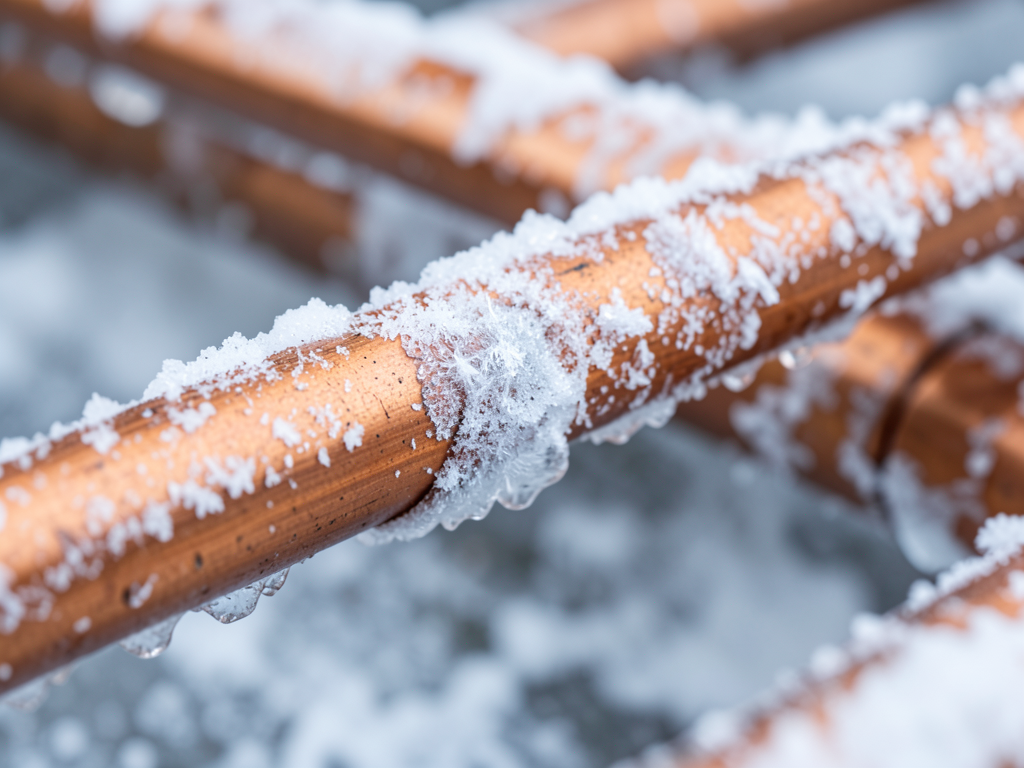
Your AC is blowing warm air and you notice ice forming on the copper lines. This is a classic sign of frozen evaporator coils. In Summerhill bungalows with their historic charm and compact attic spaces, this problem hits hard during Atlanta’s brutal summer heat.
When your AC freezes, the system can’t cool your home. The ice blocks airflow across the coils and prevents heat exchange. If you keep running it, you risk permanent compressor damage. That means a $2,000+ repair instead of a simple fix. EPA information on R-22 refrigerant phaseout.
Let’s walk through what causes this, what you can do right now, and when to call a professional.
What to do immediately when you see ice on your AC
Turn the system off at the thermostat. Do not switch to heat mode. Heat can damage the outdoor unit. Set the fan to ‘on’ so it runs continuously. This helps thaw the ice faster.
Check your air filter. If it’s clogged with dust or pet hair, replace it now. A dirty filter is the most common cause of frozen coils.
Look at the condensate drain line outside. If you see water pooling, the drain might be clogged. This can cause ice to form on the coil.. Read more about Why your Candler Park AC is leaking water inside and how to stop the mess.
Wait 2-4 hours for the ice to melt completely. Do not try to scrape it off. That can bend the delicate fins on the coil.
After thawing, turn the system back on. If it runs cold for 10-15 minutes then starts warming again, you have a deeper issue.
Common causes of frozen evaporator coils
Airflow restriction is the leading cause. When air can’t move across the coil, the refrigerant gets too cold and freezes the moisture in the air. This creates a snowball effect.
Low refrigerant levels cause the coil to drop below freezing. Small leaks in the copper lines let refrigerant escape over time. You might hear a hissing sound near the indoor unit.
Blower motor failure stops air from circulating. If the motor isn’t spinning at full speed, the coil gets too cold. You might notice weak airflow from your vents.
Thermostat issues can cause short cycling. If the system turns on and off too frequently, the coil never gets warm enough to melt accumulated ice.
Dirty coils themselves restrict airflow. Dust and grime build up over months of use, especially in homes near busy streets or construction sites.
How Atlanta humidity affects your AC freezing
Atlanta’s humidity averages 70% in summer. That moisture in the air condenses on your cold coils. When everything works right, this water drips into the drain pan and flows outside.
But when airflow is restricted or refrigerant is low, that condensation freezes instead of draining. The ice builds up layer by layer until the entire coil is covered.
Summerhill bungalows often have compact attic spaces where the air handler sits. Poor insulation around ducts can cause temperature swings that make freezing more likely.
The Georgia red clay soil around your home can shift, causing the outdoor unit to tilt slightly. This affects refrigerant flow and can contribute to freezing issues.
DIY troubleshooting steps homeowners can take
Start with the air filter. Replace it if it’s more than 30 days old. Use a MERV 8-11 filter for Atlanta’s pollen season. Higher MERV ratings can restrict airflow in older systems.
Check all supply and return vents. Make sure none are blocked by furniture, curtains, or closed registers. Your system needs unobstructed airflow to work properly.
Inspect the outdoor condenser unit. Clear away leaves, grass clippings, and debris. Make sure there’s at least 2 feet of clearance on all sides.
Listen for unusual noises. A clicking sound might indicate a failing capacitor. A humming noise with no fan movement suggests a bad motor.
Check your thermostat settings. Set it to ‘cool’ and the fan to ‘auto.’ Avoid drastic temperature changes that make the system work harder.
Test the condensate drain by pouring a cup of water into the drain pan. It should flow freely outside. If it backs up, you have a clog.
When to call a professional HVAC technician
Call immediately if you see ice on the lines or hear hissing sounds. These indicate refrigerant leaks that need professional repair.
Contact a technician if the system thaws but freezes again within 24 hours. This suggests a mechanical issue beyond simple airflow problems.
Schedule service if you notice weak airflow even after replacing the filter. This could mean a failing blower motor or duct issues.
Call for help if your energy bills spike without increased usage. A frozen system works harder and uses more electricity.
Professional diagnosis typically takes 30-60 minutes. The technician will check refrigerant levels, test electrical components, and inspect the entire system.
Preventing future freeze-ups with proper maintenance
Schedule professional maintenance twice yearly. Spring tune-ups prepare your system for summer heat. Fall checks ensure heating works properly. The Only HVAC Maintenance Plan Dunwoody Homeowners Actually Need.
Change your air filter every 30-60 days during peak usage. More often if you have pets or live near construction.
Keep the area around your outdoor unit clear. Trim bushes back at least 2 feet. Remove leaves and debris monthly.
Install a programmable thermostat. Set it 2-3 degrees higher when you’re away. This reduces strain on the system.
Consider a maintenance plan. Annual contracts often include priority service and discounted repairs.
Check your condensate drain monthly. Pour a cup of vinegar down the line every few months to prevent algae growth.
Understanding your AC system components
The evaporator coil sits inside your air handler. It’s a series of copper tubes with aluminum fins. Cold refrigerant flows through these tubes, absorbing heat from your home’s air.
The condenser coil is outside. It releases the heat absorbed from your home into the outdoor air. The compressor pumps refrigerant between these two coils.
The blower motor moves air across the evaporator coil. If it fails, no air moves across the cold coil and freezing occurs.
The expansion valve controls refrigerant flow. If it sticks open or closed, it can cause temperature problems that lead to freezing.
The thermostat controls when the system runs. A faulty thermostat can cause short cycling that prevents proper heat exchange.
Cost factors for frozen coil repairs in Atlanta
Simple fixes like replacing a filter or clearing a drain line cost $75-150 for a service call. Most technicians waive this fee if you approve repairs.
Refrigerant recharge for a small leak runs $200-400. This includes leak detection and adding R-410A refrigerant.
Blower motor replacement costs $400-600 including parts and labor. This is common in systems over 10 years old. Comparing Costs for a New AC Unit in Sandy Springs.
Coil cleaning and treatment ranges from $150-300. This removes buildup that restricts airflow.
Major repairs like compressor replacement run $1,500-2,500. This often means it’s time to consider system replacement.
Emergency service calls during heat waves may cost 1.5x normal rates. Many companies charge extra for nights and weekends.
Atlanta neighborhoods most affected by AC freezing
Summerhill homes built before 1970 often have original ductwork that’s prone to leaks. The compact attic spaces trap heat and make airflow management difficult.
Bungalows in Grant Park and Candler Park face similar challenges. Their historic charm means older systems that weren’t designed for today’s cooling demands.
Midtown high-rises with rooftop units deal with different issues. Poor drainage on flat roofs can cause water to back up into the system.
Decatur’s tree-lined streets mean more pollen and debris around outdoor units. This requires more frequent cleaning to prevent freezing.
Virginia-Highland’s mix of historic and renovated homes shows varied system ages. Newer additions might have modern HVAC while original sections struggle.
Summer AC maintenance checklist for Atlanta homeowners
- Replace air filter every 30 days during peak summer
- Clear 2 feet of space around outdoor unit
- Check condensate drain for clogs monthly
- Listen for unusual noises during operation
- Monitor energy bills for unexpected increases
- Test system cooling before heat waves arrive
- Schedule professional tune-up in early spring
Following this checklist can prevent 80% of common AC problems. The few minutes you spend monthly can save you from emergency repairs during Atlanta’s hottest days.
Understanding refrigerant types and their impact
Most modern systems use R-410A refrigerant. It operates at higher pressures than older R-22 systems. This means leaks can cause more severe cooling problems.
R-22 systems are being phased out. If you have one, repairs get more expensive each year as refrigerant becomes scarce. A small leak might cost $300 to fix now but $600 next year.
Refrigerant leaks don’t fix themselves. The system will continue losing charge until it can’t cool at all. You might notice ice forming on the larger copper line outside.
Proper refrigerant charge is critical. Too much or too little causes the same freezing problems. Only certified technicians should handle refrigerant due to environmental regulations.
Pressure testing takes 15-30 minutes. The technician uses gauges to check if your system has the correct refrigerant level.
The role of indoor air quality in AC performance
Atlanta’s high pollen counts affect more than just your allergies. Pollen and dust accumulate on coils and in filters, restricting airflow.
Pet dander creates similar problems. Homes with multiple pets might need filter changes every 2-3 weeks instead of monthly.
Smoking indoors leaves residue on coils and in ductwork. This greasy buildup attracts more dust and reduces efficiency.
High indoor humidity makes your AC work harder. The system must remove moisture before it can cool effectively. This extra load can contribute to freezing.
UV light systems installed in ductwork can reduce mold growth on coils. This helps maintain proper heat exchange and prevents freezing.
Energy efficiency and frozen coils
A frozen system uses 30-50% more electricity. The compressor runs constantly trying to achieve the set temperature.
SEER ratings measure cooling efficiency. A 16 SEER system uses about 20% less energy than a 14 SEER unit. This efficiency helps prevent freezing by reducing system strain.
Variable speed blowers adjust airflow based on cooling demand. They prevent the constant on/off cycling that can cause freezing in single-speed systems.
Smart thermostats learn your patterns and adjust accordingly. They can prevent the short cycling that leads to frozen coils.
Proper system sizing prevents short cycling. An oversized unit cools too quickly, never running long enough to remove humidity and causing temperature swings.
Emergency AC repair during Atlanta heat waves
Heat waves push systems to their limits. When temperatures exceed 95 degrees, your AC works 30% harder to maintain comfort.
Most companies offer priority service for frozen systems. The ice must be fully thawed before diagnosis, adding 2-4 hours to repair time.
Portable AC units or fans can provide temporary relief while waiting for repairs. Window units cost $200-500 and cool one room effectively.
Hotels fill up quickly during widespread AC failures. Book early if you need temporary housing for your family.
Many companies offer flat-rate emergency pricing during heat waves. This protects you from escalating costs as demand increases.
Understanding your warranty coverage
Most AC warranties cover parts for 5-10 years but not labor. A frozen coil might be covered if it’s due to a manufacturing defect.
Extended warranties often include annual maintenance. Skipping these tune-ups can void your coverage.
DIY repairs typically void warranties. Always check coverage before attempting fixes yourself.
Installation quality affects warranty claims. Poor installation voids most manufacturer warranties regardless of part defects. Improving the Air Quality in Your Brookhaven Home During Pollen Season.
Keep all service records. They prove you maintained the system properly if warranty issues arise.
Comparing repair vs replacement decisions
Systems over 10 years old with major issues often need replacement. Repair costs approach $500? Replacement might be more cost-effective.
New systems offer 30-50% better efficiency. The energy savings can offset replacement costs over 3-5 years.
Refrigerant type matters. R-22 systems face rising repair costs as the refrigerant becomes unavailable.
Multiple repairs in one season signal end-of-life. If you’ve spent $500+ on repairs, replacement might be wiser.
Consider your plans. If you’ll move within 2 years, repair makes sense. If you’re staying long-term, replacement offers better value.
Frequently Asked Questions
Will my AC fix itself if it freezes?
No. A frozen AC won’t thaw and work properly on its own. The ice blocks heat exchange, and the underlying problem continues. You must turn it off and address the cause.
How long does it take for AC coils to thaw?
Complete thawing typically takes 2-4 hours. Factors include ice thickness, indoor temperature, and whether you run the fan. Never rush this process by scraping ice.
Can I prevent my AC from freezing in the future?
Yes. Regular filter changes, annual maintenance, and keeping the area around your outdoor unit clear prevent most freezing issues. Address problems early before they cause ice buildup.
Is a frozen AC dangerous to my system?
Yes. Running a frozen system can damage the compressor, the most expensive component. The ice can also cause water damage when it melts. Turn it off immediately if you see ice.
How much does it cost to fix a frozen AC coil?
Costs range from $75 for a simple fix to $2,000+ for major repairs. Most frozen coil issues cost $150-400 to resolve. Emergency service during heat waves may cost more.
Should I turn my AC off if it’s frozen?
Yes. Turn it off immediately at the thermostat. Switch the fan to ‘on’ to help circulate air and speed thawing. Do not try to run it until the ice is completely gone.
Can dirty air filters cause AC freezing?
Absolutely. Dirty filters restrict airflow across the coils. Without proper airflow, the refrigerant gets too cold and freezes the condensation on the coils. This is the most common cause.
What does a frozen AC coil look like?
You’ll see ice on the copper refrigerant lines, especially the larger one. The evaporator coil inside might have visible frost or ice buildup. The system will blow warm air instead of cold.
Does low refrigerant cause AC freezing?
Yes. Low refrigerant causes pressure drops that make the coil temperature fall below freezing. This creates ice on the coils. You’ll need a professional to find and fix the leak.
Can I use my AC if it’s frozen?
No. Running a frozen system can damage the compressor. The ice blocks heat exchange and the system can’t cool properly. Turn it off and call for service if thawing doesn’t fix it.
- Turn off the system
Switch the thermostat to ‘off’ and the fan to ‘on’ to circulate air and speed thawing.
- Replace the air filter
Install a clean filter to restore proper airflow once the system restarts.
- Wait 2-4 hours
Allow all ice to melt completely. Do not scrape or chip at the ice.
- Check the drain line
Ensure water flows freely from the condensate drain once thawing completes.
- Test the system
Turn the AC back on and monitor for 15-20 minutes to ensure proper cooling.
Ready to solve your frozen AC problem?
Don’t let a frozen AC coil ruin your Atlanta summer. The team at Summit HVAC Atlanta understands the unique challenges Summerhill bungalows face during our humid summers.
We offer same-day service for frozen systems and emergency repairs during heat waves. Our NATE-certified technicians diagnose problems accurately and fix them right the first time.
Call us today at (770) 600-9611. We’ll have your system running cold again before the ice even melts completely. For more information, visit U.S. Department of Energy AC efficiency guide.
{
“@context”: “https://schema.org”,
“@type”: “BlogPosting”,
“headline”: “Solving the mystery of frozen AC coils in your Summerhill bungalow”,
“description”: “Frozen AC coils are common in Summerhill bungalows during Atlanta’s humid summers. Learn why it happens and how to fix it fast before your compressor fails.”,
“wordCount”: 2588,
“datePublished”: “2026-04-29T08:20:00.000Z”,
“dateModified”: “2026-04-29T08:20:00.000Z”,
“inLanguage”: “en-US”,
“mainEntityOfPage”: {
“@type”: “WebPage”,
“@id”: “https://summithvacatlanta.com”
},
“publisher”: {
“@type”: “LocalBusiness”,
“name”: “Summit HVAC Atlanta”,
“url”: “https://summithvacatlanta.com”
},
“author”: {
“@type”: “Organization”,
“name”: “Summit HVAC Atlanta”,
“url”: “https://summithvacatlanta.com”
},
“image”: {
“@type”: “ImageObject”,
“url”: “https://summithvacatlanta.com/wp-content/uploads/2026/03/solving-the-mystery-of-frozen-ac-coils-in-your-sum-1.png”
}
}
{
“@context”: “https://schema.org”,
“@type”: “HVACBusiness”,
“name”: “Summit HVAC Atlanta”,
“url”: “https://summithvacatlanta.com”,
“address”: {
“@type”: “PostalAddress”,
“addressLocality”: “Atlanta”
},
“areaServed”: {
“@type”: “City”,
“name”: “Atlanta”
}
}
{
“@context”: “https://schema.org”,
“@type”: “FAQPage”,
“mainEntity”: [
{
“@type”: “Question”,
“name”: “Will my AC fix itself if it freezes?”,
“acceptedAnswer”: {
“@type”: “Answer”,
“text”: “No. A frozen AC won’t thaw and work properly on its own. The ice blocks heat exchange, and the underlying problem continues. You must turn it off and address the cause.”
}
},
{
“@type”: “Question”,
“name”: “How long does it take for AC coils to thaw?”,
“acceptedAnswer”: {
“@type”: “Answer”,
“text”: “Complete thawing typically takes 2-4 hours. Factors include ice thickness, indoor temperature, and whether you run the fan. Never rush this process by scraping ice.”
}
},
{
“@type”: “Question”,
“name”: “Can I prevent my AC from freezing in the future?”,
“acceptedAnswer”: {
“@type”: “Answer”,
“text”: “Yes. Regular filter changes, annual maintenance, and keeping the area around your outdoor unit clear prevent most freezing issues. Address problems early before they cause ice buildup.”
}
},
{
“@type”: “Question”,
“name”: “Is a frozen AC dangerous to my system?”,
“acceptedAnswer”: {
“@type”: “Answer”,
“text”: “Yes. Running a frozen system can damage the compressor, the most expensive component. The ice can also cause water damage when it melts. Turn it off immediately if you see ice.”
}
},
{
“@type”: “Question”,
“name”: “How much does it cost to fix a frozen AC coil?”,
“acceptedAnswer”: {
“@type”: “Answer”,
“text”: “Costs range from $75 for a simple fix to $2,000+ for major repairs. Most frozen coil issues cost $150-400 to resolve. Emergency service during heat waves may cost more.”
}
},
{
“@type”: “Question”,
“name”: “Should I turn my AC off if it’s frozen?”,
“acceptedAnswer”: {
“@type”: “Answer”,
“text”: “Yes. Turn it off immediately at the thermostat. Switch the fan to ‘on’ to help circulate air and speed thawing. Do not try to run it until the ice is completely gone.”
}
},
{
“@type”: “Question”,
“name”: “Can dirty air filters cause AC freezing?”,
“acceptedAnswer”: {
“@type”: “Answer”,
“text”: “Absolutely. Dirty filters restrict airflow across the coils. Without proper airflow, the refrigerant gets too cold and freezes the condensation on the coils. This is the most common cause.”
}
},
{
“@type”: “Question”,
“name”: “What does a frozen AC coil look like?”,
“acceptedAnswer”: {
“@type”: “Answer”,
“text”: “You’ll see ice on the copper refrigerant lines, especially the larger one. The evaporator coil inside might have visible frost or ice buildup. The system will blow warm air instead of cold.”
}
},
{
“@type”: “Question”,
“name”: “Does low refrigerant cause AC freezing?”,
“acceptedAnswer”: {
“@type”: “Answer”,
“text”: “Yes. Low refrigerant causes pressure drops that make the coil temperature fall below freezing. This creates ice on the coils. You’ll need a professional to find and fix the leak.”
}
},
{
“@type”: “Question”,
“name”: “Can I use my AC if it’s frozen?”,
“acceptedAnswer”: {
“@type”: “Answer”,
“text”: “No. Running a frozen system can damage the compressor. The ice blocks heat exchange and the system can’t cool properly. Turn it off and call for service if thawing doesn’t fix it.”
}
},
{
“@type”: “Question”,
“name”: “Ready to solve your frozen AC problem?”,
“acceptedAnswer”: {
“@type”: “Answer”,
“text”: “Don’t let a frozen AC coil ruin your Atlanta summer. The team at Summit HVAC Atlanta understands the unique challenges Summerhill bungalows face during our humid summers.”
}
}
]
}
{
“@context”: “https://schema.org”,
“@type”: “HowTo”,
“name”: “How to thaw frozen AC coils”,
“step”: [
{
“@type”: “HowToStep”,
“position”: 1,
“name”: “Turn off the system”,
“text”: “Switch the thermostat to ‘off’ and the fan to ‘on’ to circulate air and speed thawing.”
},
{
“@type”: “HowToStep”,
“position”: 2,
“name”: “Replace the air filter”,
“text”: “Install a clean filter to restore proper airflow once the system restarts.”
},
{
“@type”: “HowToStep”,
“position”: 3,
“name”: “Wait 2-4 hours”,
“text”: “Allow all ice to melt completely. Do not scrape or chip at the ice.”
},
{
“@type”: “HowToStep”,
“position”: 4,
“name”: “Check the drain line”,
“text”: “Ensure water flows freely from the condensate drain once thawing completes.”
},
{
“@type”: “HowToStep”,
“position”: 5,
“name”: “Test the system”,
“text”: “Turn the AC back on and monitor for 15-20 minutes to ensure proper cooling.”
}
],
“image”: “https://summithvacatlanta.com/wp-content/uploads/2026/03/solving-the-mystery-of-frozen-ac-coils-in-your-sum-1.png”
}
{
“@context”: “https://schema.org”,
“@type”: “BreadcrumbList”,
“itemListElement”: [
{
“@type”: “ListItem”,
“position”: 1,
“name”: “Home”,
“item”: “https://summithvacatlanta.com”
},
{
“@type”: “ListItem”,
“position”: 2,
“name”: “Blog”,
“item”: “https://summithvacatlanta.com/blog”
},
{
“@type”: “ListItem”,
“position”: 3,
“name”: “Solving the mystery of frozen AC coils in your Summerhill bungalow”
}
]
}
{
“@context”: “https://schema.org”,
“@type”: “Service”,
“serviceType”: “HVAC”,
“provider”: {
“@type”: “LocalBusiness”,
“name”: “Summit HVAC Atlanta”,
“url”: “https://summithvacatlanta.com”
},
“areaServed”: {
“@type”: “City”,
“name”: “Atlanta”
},
“description”: “Frozen AC coils are common in Summerhill bungalows during Atlanta’s humid summers. Learn why it happens and how to fix it fast before your compressor fails.”
}