
Why Dust Keeps Coming Back in Your North Druid Hills Home Even After Cleaning
Every week you vacuum. You wipe down surfaces. You change your air filters. Yet within days, that familiar layer of dust returns to your North Druid Hills home like clockwork. You are not alone. This frustrating cycle affects thousands of Atlanta homeowners and the culprit is often hiding in plain sight: your HVAC system.
The unique combination of Atlanta’s humid climate, Georgia’s red clay soil, and the pollen-rich environment creates a perfect storm for dust accumulation. When your heating and cooling system is not working optimally, it can actually make your dust problem worse by continuously circulating fine particles throughout your living space.
Understanding why dust keeps coming back requires looking beyond the surface. The issue is rarely about how often you clean. Instead it is about how your home handles and filters the air it breathes. Let’s explore the hidden factors that turn your home into a dust magnet and what you can do to finally break free from this endless cycle.
The Hidden Role of Your HVAC System in Dust Accumulation
Your heating and cooling system does more than regulate temperature. It serves as the lungs of your home constantly moving air through a network of ducts and vents. When this system is compromised dust does not just settle. It gets redistributed throughout every room.
Leaky Ductwork: How Air Pressure Pulls Dust Into Your Living Space
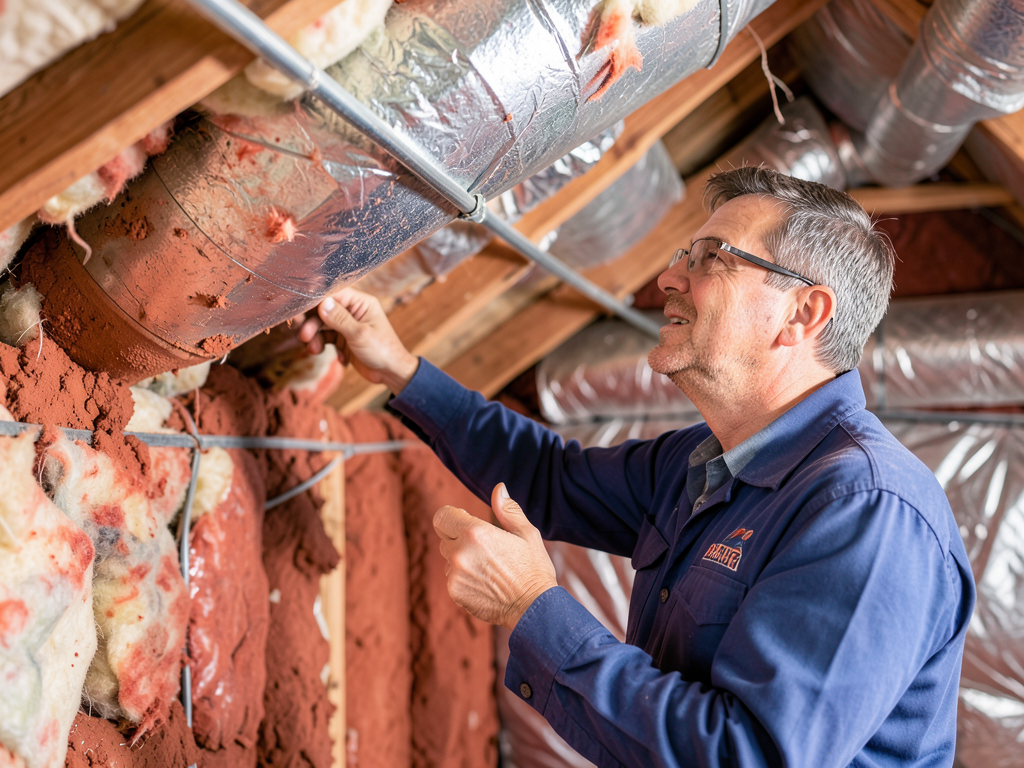
Most homes lose 20 to 30 percent of their conditioned air through duct leaks according to the U.S. Department of Energy. In North Druid Hills many homes have ductwork running through attics or crawl spaces where dust from insulation and construction debris accumulates. When your HVAC system turns on it creates pressure differences that can actually suck this dust into your living areas through small gaps and cracks. U.S. Department of Energy on duct sealing.
Think of it like drinking through a straw with tiny holes. You might still get some liquid but you also pull in air from outside the straw. Your ducts work the same way. Those small leaks become entry points for attic dust red clay particles and even insulation fibers to enter your airstream.
Incorrect Air Filters: The MERV Rating Trade-off
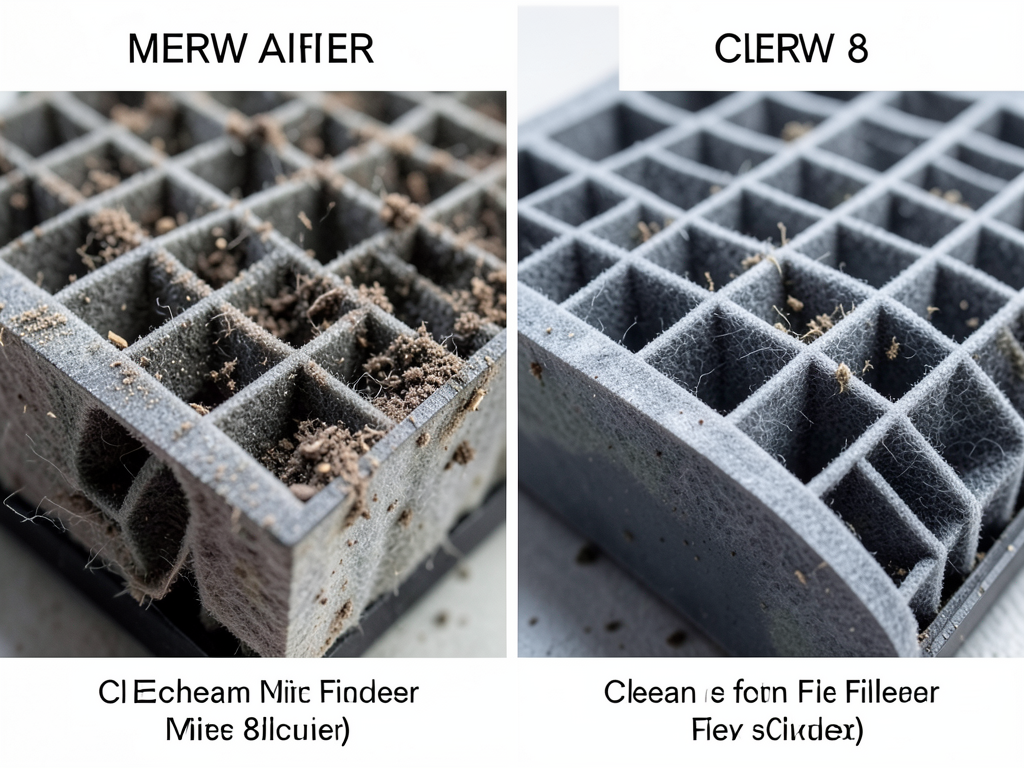
Not all air filters are created equal. The Minimum Efficiency Reporting Value or MERV rating tells you how effectively a filter captures particles. However higher is not always better. A MERV 13 filter might trap more dust but it can also restrict airflow causing your system to work harder and potentially creating negative pressure that draws more dust in from other sources.
Most Atlanta homes function best with MERV 8 to MERV 11 filters. These strike the right balance between filtration and airflow. Using the wrong filter is like trying to breathe through a coffee stirrer. You might filter more but you also strain the system and create new problems.
Clogged AC Coils: When Moisture Meets Dust
Your air conditioner’s evaporator coils do more than cool the air. They also remove moisture. When these coils become coated with dust the combination creates an ideal environment for biological growth. That fuzzy substance you sometimes see is not just dust. It is a mixture of dust particles and moisture that can harbor mold spores and bacteria.
This biological growth then gets blown back into your home every time the system runs. The result is not just more dust but potentially harmful airborne contaminants that settle on your furniture and circulate through your breathing space.
External Factors Unique to Atlanta and the Southeast
Living in North Druid Hills means dealing with environmental challenges that homeowners in other regions simply do not face. The Atlanta area’s specific combination of climate vegetation and soil creates a dust problem that requires targeted solutions. Specialized HVAC Solutions for Historic Virginia-Highland Homes.
Pollen and Pine: Atlanta’s Seasonal Spikes
Georgia is famous for its pine trees and in spring these trees release massive amounts of yellow pollen. During peak season Atlanta often ranks among the worst cities in the nation for pollen counts. This fine yellow dust does not just coat your car. It infiltrates your home through open doors windows and even the tiniest gaps in your building envelope.
The problem extends beyond pine pollen. Atlanta’s diverse tree population including oak maple and birch releases different types of pollen throughout the year. Each type of pollen particle has different sizes and shapes affecting how easily they penetrate your home’s defenses.
Red Clay and Construction: Atlanta’s Particulate Matter Problem
Georgia’s famous red clay is more than just a soil type. It is a source of fine red dust particles that become airborne easily especially during dry periods. When construction activity increases in growing areas like North Druid Hills Brookhaven and Decatur this red clay dust becomes a constant presence in the outdoor air.
Urban development in Atlanta means more construction more excavation and more opportunities for this red clay to become airborne dust. Even if you live in an established neighborhood nearby construction can send fine particles drifting through the air for miles.
High Humidity: Making Dust Sticky and Harder to Remove
Atlanta’s humidity is legendary. While this moisture is great for our trees it creates problems for indoor air quality. When relative humidity levels stay above 50 to 60 percent dust particles absorb moisture from the air. This makes them heavier and causes them to stick to surfaces more aggressively. Improving the Air Quality in Your Brookhaven Home During Pollen Season.
High humidity also creates the perfect environment for dust mites. These microscopic creatures thrive in humid conditions and their waste products become part of the dust you see accumulating on your furniture. The combination of sticky dust and dust mite debris creates a cycle that seems impossible to break.
Lifestyle and Structural Culprits
Sometimes the source of your dust problem is not environmental at all. Your daily habits and your home’s physical characteristics play significant roles in how much dust accumulates and how quickly it returns after cleaning.
Pet Dander and Textile Fibers
If you have pets you are already fighting an uphill battle against dust. Dogs and cats shed not just fur but also microscopic skin flakes called dander. These particles are small enough to become airborne and circulate through your HVAC system. Even hypoallergenic breeds produce some dander.
Your clothing and furniture contribute to the problem as well. Every time you sit on a fabric couch or walk across a carpet you release tiny textile fibers into the air. These fibers then settle on surfaces or get caught in your HVAC system’s air stream creating a continuous source of household dust.
Gaps in Windows and Door Seals
Your home’s building envelope is not as airtight as you might think. Even new construction has small gaps around windows doors and where different building materials meet. These gaps allow outdoor air to infiltrate your home bringing with it dust pollen and other airborne particles.
Weatherstripping and caulking can help but many older homes in North Druid Hills have settled over time creating new gaps that were not there when the house was built. These tiny openings act like straws drawing outdoor air and the dust it carries directly into your living space.
Vacuum Cleaner Efficiency: HEPA vs. Non-HEPA
The vacuum cleaner you use might be making your dust problem worse. Standard vacuum cleaners often have exhaust filters that are not fine enough to trap the smallest dust particles. When you vacuum you might actually be blowing these particles back into the air where they resettle on your furniture.
High-efficiency particulate air or HEPA filters can capture 99.97 percent of particles 0.3 microns in size. That is small enough to trap most dust pollen and pet dander. If your vacuum does not have a HEPA filter you might be fighting a losing battle every time you clean. EPA information on indoor air quality.
Professional Solutions to Eliminate Excessive Dust
While regular cleaning is important it will not solve a dust problem rooted in your HVAC system or building structure. Professional solutions target the source of the problem rather than just treating the symptoms.
Aeroseal Duct Sealing Technology
Traditional duct sealing methods involve manually applying mastic or tape to accessible duct joints. However most duct leaks occur in places that are impossible to reach without tearing open walls or ceilings. Aeroseal technology solves this problem by pressurizing your duct system and injecting a polymer mist that finds and seals leaks from the inside.
This process can seal leaks as small as 5/8 inch and has been shown to reduce duct leakage by up to 90 percent. For North Druid Hills homes with ductwork in attics or crawl spaces this technology can dramatically reduce the amount of dust pulled into your living space through duct leaks.
Whole-Home Air Purifiers and Electronic Air Cleaners
While standard furnace filters catch larger particles they miss many of the fine dusts that cause the most problems. Whole-home air purifiers install directly into your HVAC system and use advanced filtration technologies to capture particles as small as 0.1 microns.
Electronic air cleaners use electrostatic attraction to trap particles that would pass through standard filters. These systems can capture smoke pollen bacteria and even some viruses. For Atlanta’s high pollen environment these systems can make a noticeable difference in indoor air quality.
The Importance of Professional Blower Door Testing
Before you can solve an air infiltration problem you need to understand where the air is coming from. Blower door testing uses a powerful fan to depressurize your home and measure air leakage. This test can identify specific areas where outdoor air and the dust it carries are entering your home.
For North Druid Hills homeowners this testing can reveal surprising sources of dust infiltration from gaps around plumbing penetrations to unsealed attic access points. Once these problem areas are identified you can take targeted action to seal them and reduce dust entry.
Comparing MERV Filters for Atlanta Homes
Choosing the right air filter is crucial for balancing dust control with system performance. Here is how different MERV ratings perform in Atlanta’s climate.
| MERV Rating | Dust Capture Efficiency | Best For | Considerations for Atlanta |
|---|---|---|---|
| MERV 6-8 | 20-35% of fine particles | Basic protection | Good for homes without pets or allergies |
| MERV 9-11 | 60-80% of fine particles | Most Atlanta homes | Balances filtration with airflow for our climate |
| MERV 12-13 | 80-90% of fine particles | Allergy sufferers | May restrict airflow in older systems |
| MERV 14-16 | 95%+ of fine particles | Medical facilities | Often too restrictive for residential HVAC |
Quick Fixes vs. Long-Term Solutions
Before calling a professional there are several steps you can take to reduce dust in your North Druid Hills home. These solutions range from simple maintenance tasks to more involved home improvements. The Only HVAC Maintenance Plan Dunwoody Homeowners Actually Need.
- Replace your air filter every 30 to 60 days instead of the standard 90 days
- Vacuum with a HEPA filter vacuum cleaner at least twice weekly
- Wash bedding weekly in hot water to reduce dust mites
- Use microfiber cloths for dusting which trap particles instead of just moving them around
- Keep indoor humidity between 30 and 50 percent to reduce dust mite populations
- Seal visible gaps around windows and doors with weatherstripping
- Clean or replace your HVAC system’s return air vent covers regularly
These steps can provide immediate relief but they treat the symptoms rather than the cause. If you have tried these solutions and still battle persistent dust it is time to consider professional intervention.
Creating Your Dust Reduction Plan
Eliminating excessive dust requires a systematic approach that addresses all potential sources. Here is how to create a comprehensive plan for your North Druid Hills home.
- Assess Your Current Situation
Document when and where dust appears most heavily. Note if it correlates with HVAC operation pollen season or construction in your area.
- Test Your System
Have a professional inspect your ductwork for leaks and measure your home’s air infiltration rate with blower door testing.
- Upgrade Your Filtration
Choose the right MERV rating for your system and replace filters on a consistent schedule.
- Address Structural Issues
Seal gaps in your building envelope and consider duct sealing if leaks are found.
- Implement Advanced Solutions
Install whole-home air purification if needed based on your specific dust sources.
- Maintain Consistently
Establish a regular maintenance schedule for all dust reduction measures.
The most successful dust reduction plans combine immediate actions with long-term solutions. Start with the quick fixes while planning for professional services that address the root causes of your dust problem.
Frequently Asked Questions
Why does my house get so dusty so quickly even though I clean regularly?
Rapid dust accumulation usually indicates that your HVAC system is pulling dust from areas like attics or crawl spaces through duct leaks. It can also be caused by high outdoor dust levels in Atlanta’s environment or inadequate air filtration. The dust you see is often being continuously circulated through your home rather than settling from a one-time event.
How often should I change my air filter to reduce dust?
For most Atlanta homes changing your air filter every 30 to 60 days provides optimal dust control. If you have pets live near construction or suffer from allergies you might need to change it every 30 days. A clogged filter not only fails to trap dust but can also cause your system to pull dust through other pathways.
Can duct cleaning really help with dust problems?
Duct cleaning can help if your ducts contain significant debris buildup but it is not a complete solution for dust problems. Cleaning removes existing dust but does not prevent new dust from entering through leaks. For lasting results duct cleaning should be combined with duct sealing to prevent future contamination.
Is it worth investing in a whole-home air purifier for dust control?
Whole-home air purifiers can significantly reduce dust especially in Atlanta’s high pollen environment. They are worth considering if you have severe allergies live near construction or have tried other solutions without success. The investment typically pays off in improved air quality and reduced cleaning time.
How do I know if my home has excessive negative pressure causing dust problems?
Signs of negative pressure include doors that are hard to open feeling drafts near windows and dust accumulation near return air vents. You might also notice that your home feels stuffy or that odors linger. A professional can measure your home’s pressure with specialized equipment to determine if negative pressure is contributing to your dust issues.
Take Control of Your Home’s Air Quality Today
Living with constant dust is not just annoying. It affects your health your comfort and your quality of life. The good news is that most dust problems have identifiable causes and effective solutions. Whether you need simple filter changes or comprehensive duct sealing the key is understanding that dust is a symptom not the core problem.
At Summit HVAC Atlanta we have helped hundreds of North Druid Hills homeowners eliminate their dust problems through targeted solutions that address the unique challenges of Atlanta’s climate and environment. Our team understands how local factors like red clay pollen and humidity affect your home’s air quality and we have the tools and expertise to solve even the most stubborn dust issues.
Stop letting dust control your cleaning schedule and your comfort. Call Summit HVAC Atlanta today at (770) 600-9611 to schedule your comprehensive dust assessment. We will identify the sources of your dust problem and create a customized plan to eliminate it for good. Your home should be a sanctuary not a dust bowl and with the right approach it can be exactly that.
Clean air starts with understanding your home’s unique needs. Let our experienced team show you how to finally break free from the endless cycle of dusting and enjoy the fresh clean air you deserve in your North Druid Hills home.
You may also find this helpful. Why Your Chamblee Kitchen Range Hood Might Be Making Your AC Work Harder.
{
“@context”: “https://schema.org”,
“@type”: “BlogPosting”,
“headline”: “Why Dust Keeps Coming Back in Your North Druid Hills Home Even After Cleaning”,
“description”: “Tired of dust reappearing right after cleaning? Discover the HVAC-related causes of persistent dust in North Druid Hills homes and how to finally eliminate it.”,
“wordCount”: 2659,
“datePublished”: “2026-06-19T13:01:00.000Z”,
“dateModified”: “2026-06-19T13:01:00.000Z”,
“inLanguage”: “en-US”,
“mainEntityOfPage”: {
“@type”: “WebPage”,
“@id”: “https://summithvacatlanta.com”
},
“publisher”: {
“@type”: “LocalBusiness”,
“name”: “Summit HVAC Atlanta”,
“url”: “https://summithvacatlanta.com”
},
“author”: {
“@type”: “Organization”,
“name”: “Summit HVAC Atlanta”,
“url”: “https://summithvacatlanta.com”
},
“image”: {
“@type”: “ImageObject”,
“url”: “https://summithvacatlanta.com/wp-content/uploads/2026/03/why-dust-keeps-coming-back-in-your-north-druid-hil-1.png”
}
}
{
“@context”: “https://schema.org”,
“@type”: “HVACBusiness”,
“name”: “Summit HVAC Atlanta”,
“url”: “https://summithvacatlanta.com”,
“address”: {
“@type”: “PostalAddress”,
“addressLocality”: “Atlanta”
},
“areaServed”: {
“@type”: “City”,
“name”: “Atlanta”
}
}
{
“@context”: “https://schema.org”,
“@type”: “FAQPage”,
“mainEntity”: [
{
“@type”: “Question”,
“name”: “Why does my house get so dusty so quickly even though I clean regularly?”,
“acceptedAnswer”: {
“@type”: “Answer”,
“text”: “Rapid dust accumulation usually indicates that your HVAC system is pulling dust from areas like attics or crawl spaces through duct leaks. It can also be caused by high outdoor dust levels in Atlanta’s environment or inadequate air filtration. The dust you see is often being continuously circulated through your home rather than settling from a one-time event.”
}
},
{
“@type”: “Question”,
“name”: “How often should I change my air filter to reduce dust?”,
“acceptedAnswer”: {
“@type”: “Answer”,
“text”: “For most Atlanta homes changing your air filter every 30 to 60 days provides optimal dust control. If you have pets live near construction or suffer from allergies you might need to change it every 30 days. A clogged filter not only fails to trap dust but can also cause your system to pull dust through other pathways.”
}
},
{
“@type”: “Question”,
“name”: “Can duct cleaning really help with dust problems?”,
“acceptedAnswer”: {
“@type”: “Answer”,
“text”: “Duct cleaning can help if your ducts contain significant debris buildup but it is not a complete solution for dust problems. Cleaning removes existing dust but does not prevent new dust from entering through leaks. For lasting results duct cleaning should be combined with duct sealing to prevent future contamination.”
}
},
{
“@type”: “Question”,
“name”: “Is it worth investing in a whole-home air purifier for dust control?”,
“acceptedAnswer”: {
“@type”: “Answer”,
“text”: “Whole-home air purifiers can significantly reduce dust especially in Atlanta’s high pollen environment. They are worth considering if you have severe allergies live near construction or have tried other solutions without success. The investment typically pays off in improved air quality and reduced cleaning time.”
}
},
{
“@type”: “Question”,
“name”: “How do I know if my home has excessive negative pressure causing dust problems?”,
“acceptedAnswer”: {
“@type”: “Answer”,
“text”: “Signs of negative pressure include doors that are hard to open feeling drafts near windows and dust accumulation near return air vents. You might also notice that your home feels stuffy or that odors linger. A professional can measure your home’s pressure with specialized equipment to determine if negative pressure is contributing to your dust issues.”
}
}
]
}
{
“@context”: “https://schema.org”,
“@type”: “HowTo”,
“name”: “How to Create a Dust Reduction Plan”,
“step”: [
{
“@type”: “HowToStep”,
“position”: 1,
“name”: “Assess Your Current Situation”,
“text”: “Document when and where dust appears most heavily. Note if it correlates with HVAC operation pollen season or construction in your area.”
},
{
“@type”: “HowToStep”,
“position”: 2,
“name”: “Test Your System”,
“text”: “Have a professional inspect your ductwork for leaks and measure your home’s air infiltration rate with blower door testing.”
},
{
“@type”: “HowToStep”,
“position”: 3,
“name”: “Upgrade Your Filtration”,
“text”: “Choose the right MERV rating for your system and replace filters on a consistent schedule.”
},
{
“@type”: “HowToStep”,
“position”: 4,
“name”: “Address Structural Issues”,
“text”: “Seal gaps in your building envelope and consider duct sealing if leaks are found.”
},
{
“@type”: “HowToStep”,
“position”: 5,
“name”: “Implement Advanced Solutions”,
“text”: “Install whole-home air purification if needed based on your specific dust sources.”
},
{
“@type”: “HowToStep”,
“position”: 6,
“name”: “Maintain Consistently”,
“text”: “Establish a regular maintenance schedule for all dust reduction measures.”
}
],
“image”: “https://summithvacatlanta.com/wp-content/uploads/2026/03/why-dust-keeps-coming-back-in-your-north-druid-hil-1.png”
}
{
“@context”: “https://schema.org”,
“@type”: “BreadcrumbList”,
“itemListElement”: [
{
“@type”: “ListItem”,
“position”: 1,
“name”: “Home”,
“item”: “https://summithvacatlanta.com”
},
{
“@type”: “ListItem”,
“position”: 2,
“name”: “Blog”,
“item”: “https://summithvacatlanta.com/blog”
},
{
“@type”: “ListItem”,
“position”: 3,
“name”: “Why Dust Keeps Coming Back in Your North Druid Hills Home Even After Cleaning”
}
]
}
{
“@context”: “https://schema.org”,
“@type”: “Service”,
“serviceType”: “HVAC”,
“provider”: {
“@type”: “LocalBusiness”,
“name”: “Summit HVAC Atlanta”,
“url”: “https://summithvacatlanta.com”
},
“areaServed”: {
“@type”: “City”,
“name”: “Atlanta”
},
“description”: “Tired of dust reappearing right after cleaning? Discover the HVAC-related causes of persistent dust in North Druid Hills homes and how to finally eliminate it.”
}