
Why your Candler Park AC is leaking water inside and how to stop the mess
Your air conditioner should keep you cool. Not soak your floor. If you see a puddle under your indoor unit you are not alone. Candler Park homes built before the 1990s often have attic or crawlspace air handlers that leak when Atlanta humidity spikes in summer. The good news is that most leaks have simple causes and you can stop them quickly before they cause mold or ceiling stains.
Quick triage: What to do in the first 60 seconds
Turn off your thermostat immediately. This stops the system from making more water and gives you time to check the problem without making it worse. Look for a safety float switch near the drain pan. If it has tripped the system will not run until the switch resets. If you see water pooling on the floor move any valuables and place towels or a shallow pan to catch drips. Do not try to run the AC again until you know why it leaked.
The five most common reasons ACs leak in Atlanta homes
Atlanta’s humidity means your AC pulls gallons of water from the air every day. That moisture collects on the evaporator coil and drips into a drain pan. From there it should flow through a condensate line to the outside. When any part of that path fails water backs up and spills inside.
Clogged condensate drain line
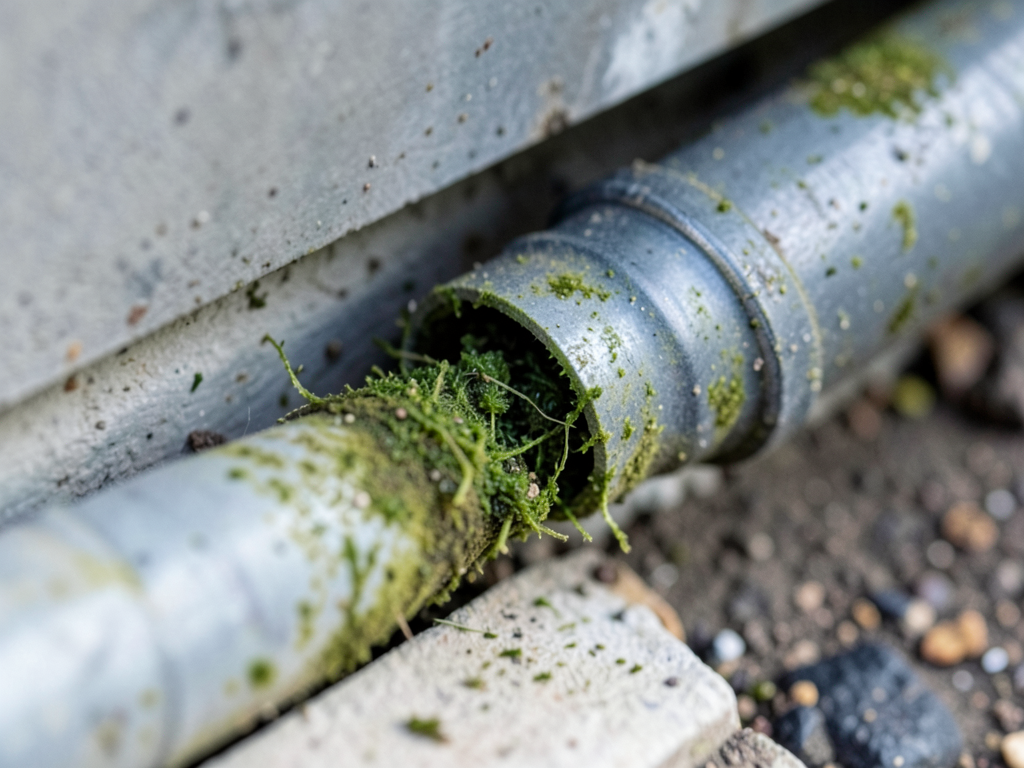
Algae slime mold and dust mix with the constant moisture to create a thick sludge inside the drain line. A one-eighth inch blockage can stop flow entirely. Candler Park homes with older PVC lines are especially vulnerable because the pipes often lack cleanouts for easy clearing.
Cracked or rusted drain pan
The primary pan under the coil can rust through after a decade of use. Secondary pans are meant to catch overflow but if they are missing or cracked you get a wet floor. Rust is more common in attic units where temperature swings cause condensation on the pan itself.
Frozen evaporator coil
Low refrigerant or a dirty air filter can cause the coil to freeze. When it thaws you get a sudden rush of water that overwhelms the drain system. This is more likely during heat waves when the system runs nonstop.
Failed condensate pump
Units in basements or low crawlspaces often use a small pump to lift water to the drain. If the pump motor fails the pan fills and overflows. The pump should have a built-in alarm that chirps when it fails but many older pumps lack this feature.
Disconnected or sagging drain line
PVC fittings can loosen over time. If a connection separates you get a slow drip that can go unnoticed for weeks. Sagging lines without proper slope also trap water and become a breeding ground for bacteria. EPA – Environmental Protection Agency.
How to clear a clogged drain line yourself
If you feel comfortable with basic tools you can often fix a clog without calling a pro. Always turn off the breaker to the air handler before starting.
- Locate the drain line
Find the white PVC pipe near your indoor unit. It should have a T-shaped vent with a cap.
- Remove the cap
Place a wet-dry vacuum hose over the open end of the drain line outside your home.
- Seal and vacuum
Use a wet rag to seal the gap and run the vacuum for about one minute to suck out the clog.
- Flush with vinegar
Pour a cup of white vinegar into the vent opening to kill algae and slow future buildup.
- Test the system
Turn the breaker back on and run the AC for 15 minutes to confirm water flows freely outside.
The Atlanta factor: Why our humidity makes leaks more likely
Atlanta averages 70 percent relative humidity in summer. That means your AC can produce five to seven gallons of condensate per day. In neighborhoods like Candler Park and Decatur older drain lines were sized for milder climates. The constant moisture load combined with Georgia red clay dust and spring pollen creates a perfect recipe for clogs. Homes near the Beltline often have tighter construction that traps humidity indoors making the problem worse.
When to call a professional
Some signs mean you need expert help right away. If you see ice on the copper lines the system has a refrigerant issue that requires EPA certification to repair. If the float switch keeps tripping there may be a cracked pan or failed pump. If you smell mold or see black spots near the drain pan you likely have active mold growth that needs remediation. Electrical issues such as a tripped breaker or burnt smell also require a licensed technician.
Preventing future leaks
Routine maintenance can cut your risk of leaks by more than half. Have your drain line flushed annually with a commercial-grade algaecide. Replace one-inch air filters every 30 to 60 days during cooling season. Install a safety float switch if your unit does not have one. Consider a condensate overflow shutoff kit that cuts power to the system if water backs up. For older Candler Park homes upgrading to a larger diameter drain line can handle the heavy summer loads. The Only HVAC Maintenance Plan Dunwoody Homeowners Actually Need.
Quick comparison: DIY vs. professional repair
| Problem | DIY Fix | Professional Repair |
|---|---|---|
| Slight clog | Vacuum + vinegar (30 minutes) | Flush with compressed nitrogen ($75-$125) |
| Cracked pan | Not recommended | Replace pan and test for leaks ($200-$400) |
| Failed pump | Not recommended | Install new pump with alarm ($250-$450) |
| Low refrigerant | Not possible | Leak test, repair, recharge ($300-$800) |
Real cost impact in Atlanta
A simple drain line cleaning costs between $75 and $125 in the metro area. Replacing a drain pan runs $200 to $400 depending on attic accessibility. A new condensate pump with alarm is $250 to $450. If mold remediation is needed costs can jump to $1,500 or more. Acting fast when you first see water can save you thousands in drywall and flooring repairs. Comparing Costs for a New AC Unit in Sandy Springs.
Protect your home before the next storm
Atlanta’s summer thunderstorms often knock out power and when electricity returns your AC can freeze up from rapid temperature change. Installing a surge protector and keeping your drain line clear reduces the chance of a flood when you need cooling most. For Candler Park’s older homes a quick pre-season check can prevent the panic of a mid-July leak.
Frequently Asked Questions
Why is my AC leaking water all of a sudden?
Sudden leaks are usually caused by a clogged drain line, frozen coil, or pump failure. Atlanta’s high humidity accelerates these issues.
Can I keep running my AC if it is leaking?
No. Turn it off to prevent water damage and mold growth. Running it can also damage electrical components.
How much does it cost to fix a leaking AC in Atlanta?
Drain line cleaning costs $75-$125. Pan or pump replacement runs $200-$450. Mold remediation can exceed $1,500.
Is a leaking AC an emergency?
Yes if water is spreading to ceilings, walls, or electrical areas. Shut off the system and call a pro immediately.
How can I prevent my AC from leaking again?
Annual drain line cleaning, monthly filter changes, and installing a safety float switch greatly reduce the risk.
Stop the leak before it stops you
Water damage spreads fast and mold can start in less than 48 hours. If your Candler Park AC is leaking do not wait. Turn off the system, contain the water, and call Summit HVAC Atlanta at (770) 600-9611 for fast same-day service. We will find the cause, fix it right, and help you prevent the next flood so you can enjoy Atlanta summers without the mess. For more information, visit ASHRAE – Air Conditioning and Refrigeration. For more information, visit Energy.gov – HVAC Efficiency.
{
“@context”: “https://schema.org”,
“@type”: “BlogPosting”,
“headline”: “Why your Candler Park AC is leaking water inside and how to stop the mess”,
“description”: “AC leaking water inside your Candler Park home? Learn the 5 common causes and DIY fixes to stop the mess before mold and ceiling damage occur.”,
“wordCount”: 1317,
“datePublished”: “2026-04-27T13:16:00.000Z”,
“dateModified”: “2026-04-27T13:16:00.000Z”,
“inLanguage”: “en-US”,
“mainEntityOfPage”: {
“@type”: “WebPage”,
“@id”: “https://summithvacatlanta.com”
},
“publisher”: {
“@type”: “LocalBusiness”,
“name”: “Summit HVAC Atlanta”,
“url”: “https://summithvacatlanta.com”
},
“author”: {
“@type”: “Organization”,
“name”: “Summit HVAC Atlanta”,
“url”: “https://summithvacatlanta.com”
},
“image”: {
“@type”: “ImageObject”,
“url”: “https://summithvacatlanta.com/wp-content/uploads/2026/03/why-your-candler-park-ac-is-leaking-water-inside-a-1.png”
}
}
{
“@context”: “https://schema.org”,
“@type”: “HVACBusiness”,
“name”: “Summit HVAC Atlanta”,
“url”: “https://summithvacatlanta.com”,
“address”: {
“@type”: “PostalAddress”,
“addressLocality”: “Atlanta”
},
“areaServed”: {
“@type”: “City”,
“name”: “Atlanta”
}
}
{
“@context”: “https://schema.org”,
“@type”: “FAQPage”,
“mainEntity”: [
{
“@type”: “Question”,
“name”: “Why is my AC leaking water all of a sudden?”,
“acceptedAnswer”: {
“@type”: “Answer”,
“text”: “Sudden leaks are usually caused by a clogged drain line, frozen coil, or pump failure. Atlanta’s high humidity accelerates these issues.”
}
},
{
“@type”: “Question”,
“name”: “Can I keep running my AC if it is leaking?”,
“acceptedAnswer”: {
“@type”: “Answer”,
“text”: “No. Turn it off to prevent water damage and mold growth. Running it can also damage electrical components.”
}
},
{
“@type”: “Question”,
“name”: “How much does it cost to fix a leaking AC in Atlanta?”,
“acceptedAnswer”: {
“@type”: “Answer”,
“text”: “Drain line cleaning costs $75-$125. Pan or pump replacement runs $200-$450. Mold remediation can exceed $1,500.”
}
},
{
“@type”: “Question”,
“name”: “Is a leaking AC an emergency?”,
“acceptedAnswer”: {
“@type”: “Answer”,
“text”: “Yes if water is spreading to ceilings, walls, or electrical areas. Shut off the system and call a pro immediately.”
}
},
{
“@type”: “Question”,
“name”: “How can I prevent my AC from leaking again?”,
“acceptedAnswer”: {
“@type”: “Answer”,
“text”: “Annual drain line cleaning, monthly filter changes, and installing a safety float switch greatly reduce the risk.”
}
}
]
}
{
“@context”: “https://schema.org”,
“@type”: “HowTo”,
“name”: “How to clear a clogged AC drain line”,
“step”: [
{
“@type”: “HowToStep”,
“position”: 1,
“name”: “Locate the drain line”,
“text”: “Find the white PVC pipe near your indoor unit. It should have a T-shaped vent with a cap.”
},
{
“@type”: “HowToStep”,
“position”: 2,
“name”: “Remove the cap”,
“text”: “Place a wet-dry vacuum hose over the open end of the drain line outside your home.”
},
{
“@type”: “HowToStep”,
“position”: 3,
“name”: “Seal and vacuum”,
“text”: “Use a wet rag to seal the gap and run the vacuum for about one minute to suck out the clog.”
},
{
“@type”: “HowToStep”,
“position”: 4,
“name”: “Flush with vinegar”,
“text”: “Pour a cup of white vinegar into the vent opening to kill algae and slow future buildup.”
},
{
“@type”: “HowToStep”,
“position”: 5,
“name”: “Test the system”,
“text”: “Turn the breaker back on and run the AC for 15 minutes to confirm water flows freely outside.”
}
],
“image”: “https://summithvacatlanta.com/wp-content/uploads/2026/03/why-your-candler-park-ac-is-leaking-water-inside-a-1.png”
}
{
“@context”: “https://schema.org”,
“@type”: “BreadcrumbList”,
“itemListElement”: [
{
“@type”: “ListItem”,
“position”: 1,
“name”: “Home”,
“item”: “https://summithvacatlanta.com”
},
{
“@type”: “ListItem”,
“position”: 2,
“name”: “Blog”,
“item”: “https://summithvacatlanta.com/blog”
},
{
“@type”: “ListItem”,
“position”: 3,
“name”: “Why your Candler Park AC is leaking water inside and how to stop the mess”
}
]
}
{
“@context”: “https://schema.org”,
“@type”: “Service”,
“serviceType”: “HVAC”,
“provider”: {
“@type”: “LocalBusiness”,
“name”: “Summit HVAC Atlanta”,
“url”: “https://summithvacatlanta.com”
},
“areaServed”: {
“@type”: “City”,
“name”: “Atlanta”
},
“description”: “AC leaking water inside your Candler Park home? Learn the 5 common causes and DIY fixes to stop the mess before mold and ceiling damage occur.”
}