
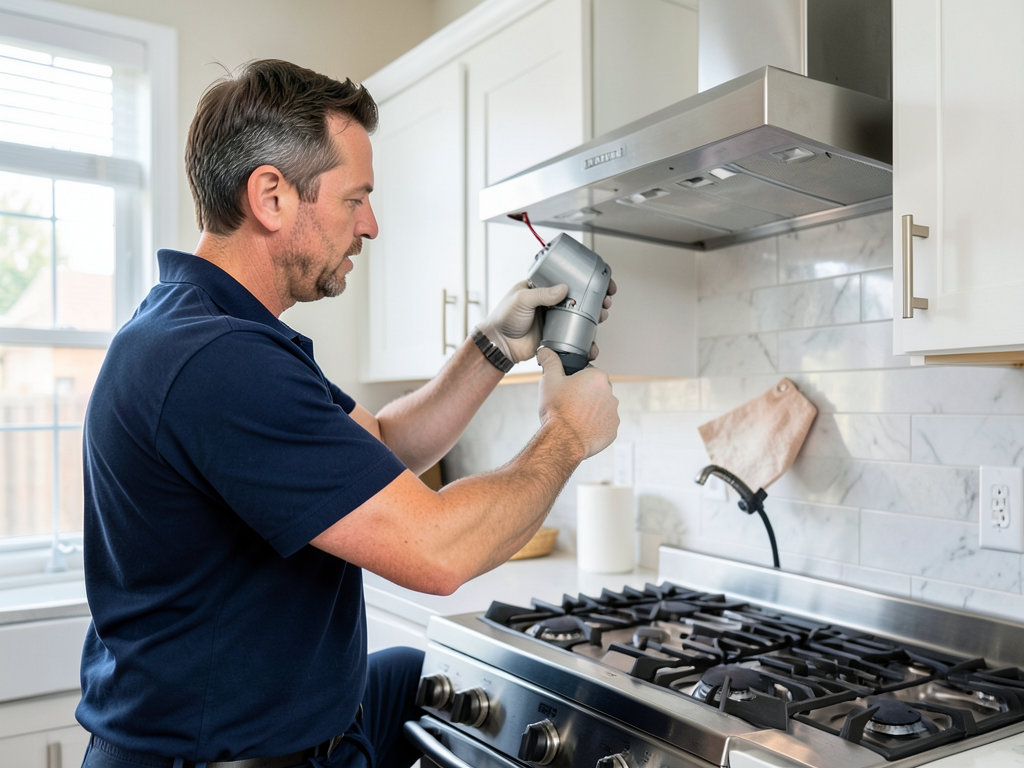
Why Your Chamblee Kitchen Range Hood Might Be Making Your AC Work Harder
Have you noticed your air conditioner running constantly even when your range hood isn’t on? That powerful ventilation system you installed to clear cooking fumes might be doing more than just removing smoke. When kitchen exhaust fans move large volumes of air out of your home they create negative pressure that can force your AC to work overtime and even pull dangerous gases back into your living space.
In Chamblee where summer humidity regularly exceeds 80 percent this problem becomes even more critical. The physics are simple. When your range hood exhausts air without replacement it creates a vacuum effect that pulls unconditioned air through every crack and crevice in your home. This means your AC must cool and dehumidify that incoming air constantly driving up energy bills and wear on your system.
The issue goes beyond comfort. Without proper makeup air systems you risk backdrafting carbon monoxide from gas appliances and allowing moisture-laden air to condense inside walls. Understanding how your kitchen ventilation interacts with your HVAC system is essential for both safety and efficiency.
How Range Hoods Create Negative Pressure
When your range hood operates it moves air out of your home at rates measured in cubic feet per minute. A typical residential hood might move 300 to 1200 CFM. That air has to come from somewhere. In older homes with plenty of leaks the makeup air simply infiltrates through windows doors and other openings. But modern Chamblee homes built to tighter standards trap that air creating a pressure imbalance.
This pressure differential acts like a vacuum pulling air through your home’s weakest points. You might notice drafts around doors or feel air moving through electrical outlets. The system pulls in hot humid outdoor air that your AC must then cool and dehumidify. During Georgia summers this means your air conditioner could be running continuously just to keep up with the air your range hood is removing. Georgia State Minimum Standard Mechanical Code.
The problem intensifies with multiple exhaust appliances. A powerful range hood combined with a clothes dryer and bathroom fans can move thousands of cubic feet of air per minute out of your home. Without proper makeup air systems this creates conditions where your HVAC system simply cannot maintain comfortable temperatures.
Georgia Building Code Requirements for Makeup Air
The International Residential Code Section M1503.6 establishes clear requirements for makeup air when exhaust systems exceed certain capacities. In Georgia these requirements are enforced through the Georgia State Minimum Standard Mechanical Code which adopts the IRC with state-specific amendments. International Residential Code Section M1503.6.
For residential kitchens the critical threshold is 400 CFM. Any range hood that moves more than 400 cubic feet per minute of air must have a dedicated makeup air system. This means many of the high-performance hoods popular in Chamblee kitchens require additional ventilation infrastructure.
The code requires that makeup air be provided at a rate approximately equal to the exhaust air being removed. This equalization prevents the negative pressure that forces your AC to work harder. The system must also include dampers that close when the exhaust is not operating to prevent energy waste.
Local jurisdictions including DeKalb County where Chamblee is located may have additional requirements. Some areas require permits for range hood installations exceeding certain CFM ratings. The permitting process often includes verification that proper makeup air systems are installed.
Dangers of Inadequate Makeup Air
Beyond increased energy costs inadequate makeup air creates several serious safety hazards. The most dangerous is backdrafting where combustion gases from gas water heaters furnaces or fireplaces get pulled back into your home instead of venting outside. Comparing Costs for a New AC Unit in Sandy Springs.
When negative pressure exists in your home it can reverse the flow in your chimney or water heater flue. This pulls carbon monoxide and other combustion byproducts into living spaces. Carbon monoxide is odorless colorless and can be fatal. Even low-level exposure causes headaches dizziness and nausea.
High humidity infiltration creates another set of problems. When hot humid air enters your home through cracks it can condense inside walls and attics. This moisture creates ideal conditions for mold growth which damages your home and affects indoor air quality. In Chamblee’s climate where outdoor dew points often exceed 70 degrees this condensation risk is substantial. Improving the Air Quality in Your Brookhaven Home During Pollen Season.
Additional issues include poor indoor air quality from unfiltered air infiltration and potential damage to wood flooring and cabinetry from humidity fluctuations. The constant air movement can also stir up dust and allergens making your home less comfortable.
Types of Makeup Air Systems
Several approaches exist for providing makeup air each with different benefits for Atlanta’s climate. The simplest is a passive fresh air intake. This involves installing a duct that allows outdoor air to enter when the range hood operates. While inexpensive this approach brings in unconditioned air that your AC must still process.
A more sophisticated option is an interlocked motorized damper system. This setup uses sensors to detect when your range hood operates then opens a damper to allow outdoor air entry. Some systems include filters to remove pollen and other particles before the air enters your home. This approach provides better control but still delivers unconditioned air.
For maximum efficiency heated or cooled makeup air systems temper the incoming air before it enters your home. These systems can be integrated with your existing HVAC equipment to provide air that’s closer to your indoor temperature. While more expensive upfront they reduce the load on your air conditioner and improve comfort.
Another option is a dedicated makeup air unit that conditions incoming air independently. These units can heat cool and dehumidify air before distribution. In Chamblee’s climate where humidity control is crucial this type of system can significantly improve comfort while protecting your AC from excessive runtime.
Atlanta-Specific Considerations for Makeup Air
Georgia’s climate creates unique challenges for makeup air systems. Summer humidity levels regularly exceed 80 percent meaning any unconditioned air entering your home carries substantial moisture. This moisture must be removed by your AC or it will raise indoor humidity levels and create condensation risks.
During spring and fall when outdoor temperatures are moderate but humidity remains high makeup air systems face different challenges. Your AC might not run enough to remove the moisture from incoming air leading to elevated indoor humidity even when temperatures feel comfortable.
The pollen seasons in Atlanta particularly spring create additional filtration needs. Makeup air systems must include high-quality filters to prevent pollen from entering your home. This is especially important for households with allergy sufferers.
Winter presents different considerations. While Georgia winters are mild occasional cold snaps mean makeup air systems need freeze protection. Dampers must close completely when not in use to prevent heat loss and some systems include pre-heating elements for the coldest days.
Local building practices also influence makeup air design. Many Chamblee homes have crawl spaces or attics where makeup air ducts can be routed. The specific construction of your home affects the best placement for intake and distribution points.
Installation and Maintenance Requirements
Professional installation of makeup air systems requires careful planning and execution. The system must be properly sized to match your range hood’s exhaust capacity. Oversized systems waste energy while undersized systems fail to prevent negative pressure.
Installation typically involves cutting through walls or roofs for intake ducts. These penetrations must be properly sealed and flashed to prevent water intrusion. The intake location should be away from pollutant sources like driveways or dryer vents.
Electrical connections for motorized dampers and controls must comply with local codes. Many systems integrate with your range hood’s controls so they operate automatically. This integration requires proper wiring and sometimes low-voltage control wiring.
Maintenance requirements include regular filter changes for systems with filtration. Dirty filters restrict airflow and reduce system effectiveness. Damper mechanisms need periodic inspection to ensure they open and close properly. Some systems include sensors that alert you when maintenance is needed. The Only HVAC Maintenance Plan Dunwoody Homeowners Actually Need.
Seasonal adjustments might be necessary. During high pollen seasons you might need more frequent filter changes. In winter you might adjust system operation to minimize cold air introduction. A professional HVAC technician can help optimize your system for each season.
Cost Factors for Makeup Air Systems
Several factors influence the cost of installing a makeup air system in your Chamblee home. The type of system you choose has the biggest impact. Passive intake systems cost the least often under $500 for equipment and installation. Motorized damper systems typically run $800 to $1500. Conditioned makeup air systems can cost $2000 to $5000 or more depending on features.
Installation complexity affects pricing. Homes with accessible attics or crawl spaces for duct routing cost less to equip than those requiring extensive wall modifications. The distance from your range hood to the exterior also impacts cost as longer duct runs require more materials and labor.
Existing HVAC infrastructure influences costs. If your system can easily integrate with a new makeup air unit installation is simpler. Homes requiring new electrical circuits or control wiring see higher installation costs.
Permit requirements add to the total cost. DeKalb County and other local jurisdictions charge permit fees that vary by project scope. Some areas require inspections which add scheduling considerations to your project timeline.
Energy costs should factor into your decision. While passive systems cost less upfront they increase your AC’s energy consumption. More sophisticated systems might pay for themselves through energy savings over time especially in Atlanta’s long cooling season.
Benefits of Proper Makeup Air Systems
Installing a proper makeup air system provides multiple benefits beyond preventing AC overwork. Your air conditioner will run less frequently maintaining more consistent temperatures and reducing wear on components. This can extend your system’s lifespan and reduce repair needs.
Indoor air quality improves significantly. Instead of pulling unfiltered air through cracks your system delivers filtered air through controlled pathways. This reduces dust pollen and other allergens in your home. The controlled air exchange also helps maintain consistent humidity levels.
Safety improves dramatically. Proper makeup air prevents backdrafting ensuring combustion gases vent correctly. This protects your family from carbon monoxide exposure and other harmful gases. The system also helps maintain proper operation of all fuel-burning appliances.
Comfort increases throughout your home. No more drafts around doors or cold spots from infiltrating air. Your HVAC system can maintain set temperatures more effectively. You might notice your home stays comfortable longer during power outages since temperature changes happen more gradually.
Energy efficiency improves overall. While the makeup air system uses some energy it prevents your AC from running excessively. The net effect often reduces total energy consumption especially during peak cooling months. Some homeowners report 10 to 20 percent reductions in cooling costs after installing proper makeup air systems.
Choosing the Right System for Your Home
Selecting the appropriate makeup air system depends on several factors specific to your Chamblee home. Start by evaluating your range hood’s specifications. Hoods over 400 CFM absolutely require makeup air. Even hoods under this threshold might benefit from makeup air if you experience comfort issues.
Consider your home’s construction. Tightly sealed modern homes benefit more from sophisticated makeup air systems than older homes with natural air leakage. If you’ve recently upgraded insulation or windows your home might be tighter than you realize.
Evaluate your HVAC system’s capacity. If your air conditioner struggles during peak summer months adding unconditioned makeup air could overwhelm it. In these cases a conditioned makeup air system might be necessary.
Think about your cooking habits. If you frequently use high-BTU burners or do a lot of frying you generate more pollutants requiring stronger ventilation. This might justify investing in a more sophisticated makeup air system.
Budget considerations matter but shouldn’t be the only factor. While passive systems cost less they might not solve all your problems. Consider the total cost of ownership including energy savings and potential damage prevention when making your decision.
Professional Assessment and Installation
Proper makeup air system design requires professional assessment. An experienced HVAC technician will evaluate your home’s air leakage measure your range hood’s actual performance and assess your existing HVAC system. This assessment ensures you get a system that actually solves your problems.
During the assessment the technician will likely perform a blower door test to measure your home’s air tightness. This test reveals how much natural air leakage exists and helps determine the appropriate makeup air capacity. They’ll also inspect your existing ductwork and HVAC equipment to ensure compatibility.
Professional installation ensures code compliance and proper system operation. Technicians understand local building codes and permit requirements. They’ll ensure your system includes necessary safety features like backdraft dampers and proper electrical protection.
Post-installation testing verifies system performance. The technician will check pressure differentials measure airflow rates and ensure all controls operate correctly. They’ll also show you how to operate and maintain your new system.
Many HVAC companies offer maintenance agreements that include annual system checks. These checkups ensure your makeup air system continues operating efficiently and safely for years to come.
Frequently Asked Questions
Do I really need makeup air if my house is old and drafty?
Even older homes often benefit from makeup air systems. While they have more natural air leakage modern building practices including added insulation and sealed attics have reduced this leakage. Plus makeup air ensures controlled filtered air entry rather than random infiltration through dirty cracks and crevices.
Will a makeup air system make my house too dry in winter?
Properly designed systems include humidity control features. In Atlanta’s relatively mild winters humidity typically isn’t a major concern. Most systems bring in outdoor air that’s similar to indoor humidity levels. If needed your HVAC system can add humidity through your existing equipment.
How much does a makeup air system cost to operate?
Operating costs vary by system type but are generally modest. Passive systems use no energy. Motorized systems use minimal power for dampers and controls. Conditioned systems use more energy but this is offset by reduced AC runtime. Most homeowners see minimal increases in utility bills.
Can I install a makeup air system myself?
DIY installation is not recommended. These systems involve electrical work duct modifications and integration with fuel-burning appliances. Improper installation can create serious safety hazards including carbon monoxide risks. Professional installation ensures code compliance and safe operation.
How long does installation take?
Most installations take one to two days depending on complexity. Simple passive systems might install in a few hours. Complex conditioned systems requiring new electrical circuits or extensive ductwork take longer. Your HVAC contractor can provide a timeline after assessing your specific situation.
Protect Your Home and Comfort Today
Your powerful range hood should make cooking more enjoyable not create household problems. If you’re experiencing high cooling bills drafts or humidity issues your kitchen ventilation might be working against your HVAC system. The solution isn’t to stop using your range hood but to ensure it has proper makeup air.
Summit HVAC Atlanta understands the unique challenges Chamblee homeowners face with Georgia’s humidity and building codes. Our experienced technicians can assess your current setup recommend the right makeup air solution and install it properly the first time. We’ll ensure your system complies with all local codes and operates efficiently to protect your family’s comfort and safety.
Don’t let an unbalanced ventilation system drive up your energy bills or create safety hazards in your home. Call Summit HVAC Atlanta today at (770) 600-9611 to schedule your professional assessment. We’ll help you enjoy powerful kitchen ventilation without the negative side effects so you can cook comfortably all year long.
{
“@context”: “https://schema.org”,
“@type”: “BlogPosting”,
“headline”: “Why Your Chamblee Kitchen Range Hood Might Be Making Your AC Work Harder”,
“description”: “Powerful range hoods in Chamblee kitchens can suck out cooled air and create dangerous backdrafting. Learn how makeup air systems protect your home and AC efficiency.”,
“wordCount”: 2628,
“datePublished”: “2026-06-17T06:39:00.000Z”,
“dateModified”: “2026-06-17T06:39:00.000Z”,
“inLanguage”: “en-US”,
“mainEntityOfPage”: {
“@type”: “WebPage”,
“@id”: “https://summithvacatlanta.com”
},
“publisher”: {
“@type”: “LocalBusiness”,
“name”: “Summit HVAC Atlanta”,
“url”: “https://summithvacatlanta.com”
},
“author”: {
“@type”: “Organization”,
“name”: “Summit HVAC Atlanta”,
“url”: “https://summithvacatlanta.com”
},
“image”: {
“@type”: “ImageObject”,
“url”: “https://summithvacatlanta.com/wp-content/uploads/2026/03/why-your-chamblee-kitchen-range-hood-might-be-maki-1.png”
}
}
{
“@context”: “https://schema.org”,
“@type”: “HVACBusiness”,
“name”: “Summit HVAC Atlanta”,
“url”: “https://summithvacatlanta.com”,
“address”: {
“@type”: “PostalAddress”,
“addressLocality”: “Atlanta”
},
“areaServed”: {
“@type”: “City”,
“name”: “Atlanta”
}
}
{
“@context”: “https://schema.org”,
“@type”: “FAQPage”,
“mainEntity”: [
{
“@type”: “Question”,
“name”: “Do I really need makeup air if my house is old and drafty?”,
“acceptedAnswer”: {
“@type”: “Answer”,
“text”: “Even older homes often benefit from makeup air systems. While they have more natural air leakage modern building practices including added insulation and sealed attics have reduced this leakage. Plus makeup air ensures controlled filtered air entry rather than random infiltration through dirty cracks and crevices.”
}
},
{
“@type”: “Question”,
“name”: “Will a makeup air system make my house too dry in winter?”,
“acceptedAnswer”: {
“@type”: “Answer”,
“text”: “Properly designed systems include humidity control features. In Atlanta’s relatively mild winters humidity typically isn’t a major concern. Most systems bring in outdoor air that’s similar to indoor humidity levels. If needed your HVAC system can add humidity through your existing equipment.”
}
},
{
“@type”: “Question”,
“name”: “How much does a makeup air system cost to operate?”,
“acceptedAnswer”: {
“@type”: “Answer”,
“text”: “Operating costs vary by system type but are generally modest. Passive systems use no energy. Motorized systems use minimal power for dampers and controls. Conditioned systems use more energy but this is offset by reduced AC runtime. Most homeowners see minimal increases in utility bills.”
}
},
{
“@type”: “Question”,
“name”: “Can I install a makeup air system myself?”,
“acceptedAnswer”: {
“@type”: “Answer”,
“text”: “DIY installation is not recommended. These systems involve electrical work duct modifications and integration with fuel-burning appliances. Improper installation can create serious safety hazards including carbon monoxide risks. Professional installation ensures code compliance and safe operation.”
}
},
{
“@type”: “Question”,
“name”: “How long does installation take?”,
“acceptedAnswer”: {
“@type”: “Answer”,
“text”: “Most installations take one to two days depending on complexity. Simple passive systems might install in a few hours. Complex conditioned systems requiring new electrical circuits or extensive ductwork take longer. Your HVAC contractor can provide a timeline after assessing your specific situation.”
}
}
]
}
{
“@context”: “https://schema.org”,
“@type”: “BreadcrumbList”,
“itemListElement”: [
{
“@type”: “ListItem”,
“position”: 1,
“name”: “Home”,
“item”: “https://summithvacatlanta.com”
},
{
“@type”: “ListItem”,
“position”: 2,
“name”: “Blog”,
“item”: “https://summithvacatlanta.com/blog”
},
{
“@type”: “ListItem”,
“position”: 3,
“name”: “Why Your Chamblee Kitchen Range Hood Might Be Making Your AC Work Harder”
}
]
}
{
“@context”: “https://schema.org”,
“@type”: “Service”,
“serviceType”: “HVAC”,
“provider”: {
“@type”: “LocalBusiness”,
“name”: “Summit HVAC Atlanta”,
“url”: “https://summithvacatlanta.com”
},
“areaServed”: {
“@type”: “City”,
“name”: “Atlanta”
},
“description”: “Powerful range hoods in Chamblee kitchens can suck out cooled air and create dangerous backdrafting. Learn how makeup air systems protect your home and AC efficiency.”
}