
Why Your Mableton Crawl Space is Making Your HVAC Work Overtime
Your crawl space is more than just a hidden area under your home. It is a major factor in how hard your HVAC system works every day. In Mableton where humidity stays high and red clay soil holds moisture crawl space conditions can quietly sabotage your comfort and drive up your energy bills.. Read more about Scheduling a Professional Energy Audit to Save on Hapeville Cooling Costs.
Most homeowners never think about what is happening beneath their feet. But the air in your crawl space does not stay there. It rises through your home in a process called the stack effect pulling dust mold spores and excess humidity into your living space. That damp air forces your air conditioner to run longer and harder than it should.
This guide explains exactly how your crawl space impacts your HVAC system. You will learn the science behind it. You will see how Mableton’s unique climate makes the problem worse. And you will discover practical solutions to protect your system and lower your energy costs.
How Crawl Space Air Enters Your Home
The stack effect is a natural process where warm air rises and escapes through the upper parts of your home. As that air leaves it creates negative pressure that pulls air from lower areas like your crawl space. In Mableton that air is often damp and filled with allergens.
Studies show that up to fifty percent of the air you breathe on the first floor comes from the crawl space. That means if your crawl space is humid moldy or dusty your indoor air quality suffers too. The constant flow of moist air also makes your HVAC system work harder to cool and dehumidify your home. Improving the Air Quality in Your Brookhaven Home During Pollen Season.
Red clay soil common in Mableton retains water and releases it as vapor into the crawl space. Without a proper vapor barrier that moisture builds up and creates the perfect environment for mold and mildew. Over time this can damage your ductwork insulation and even the wooden structure of your home.
Humidity and Your HVAC System
Humidity is one of the biggest threats to HVAC efficiency. Your air conditioner does two jobs. It cools the air and it removes moisture. When your crawl space adds extra humidity your AC has to work overtime just to keep your home comfortable.
Ideal indoor relative humidity is between thirty and fifty percent. In Mableton summer humidity often climbs above seventy percent outside. If your crawl space is not sealed that moisture seeps into your home and forces your AC to run longer cycles. This not only raises your energy bill but also shortens the life of your equipment.
High humidity also affects your system’s SEER rating. SEER measures cooling efficiency. When your AC runs longer to remove excess moisture its effective SEER drops. That means you pay more for the same cooling power. Over a summer this can add hundreds of dollars to your utility costs.
Indoor Air Quality Risks
Damp crawl spaces are breeding grounds for mold dust mites and bacteria. These contaminants travel through your ductwork and into your living space. If anyone in your home has allergies asthma or respiratory issues this can trigger symptoms and reduce overall comfort.
Condensation on ductwork is another common problem. When warm humid air hits cold ducts it forms water droplets. Over time this causes insulation to fail and creates a habitat for mold inside your ducts. Once mold is inside your HVAC system it spreads every time the blower runs.
Poor indoor air quality also means more frequent filter changes and cleaning. Your system has to work harder to push air through clogged filters. This reduces airflow and can cause your AC to freeze up or your furnace to overheat in winter.
Mableton’s Climate and Crawl Space Challenges
Mableton sits in USDA Plant Hardiness Zone 8a. That means hot humid summers and mild winters. The high dew point during summer months keeps moisture levels elevated even at night. This constant humidity makes crawl space management critical for HVAC performance.. Read more about Solving Constant Condensate Pump Failures in Older Grant Park Basements.
Red clay soil in Mableton holds water like a sponge. After heavy rains the soil stays saturated for days. Without proper drainage that water evaporates into your crawl space. Over time this leads to wood rot rusted metal and damaged insulation.
Many homes in Mableton were built before modern building codes required sealed crawl spaces. These older homes often have vents that were meant to dry the space but actually let more humid air in. In today’s climate that design makes the problem worse not better.
Energy Savings from Crawl Space Encapsulation
Sealing your crawl space can reduce your HVAC energy use by fifteen to twenty five percent. That means lower utility bills and less wear on your system. The upfront cost of encapsulation pays for itself in three to five years through energy savings and fewer repairs. EPA mold information.
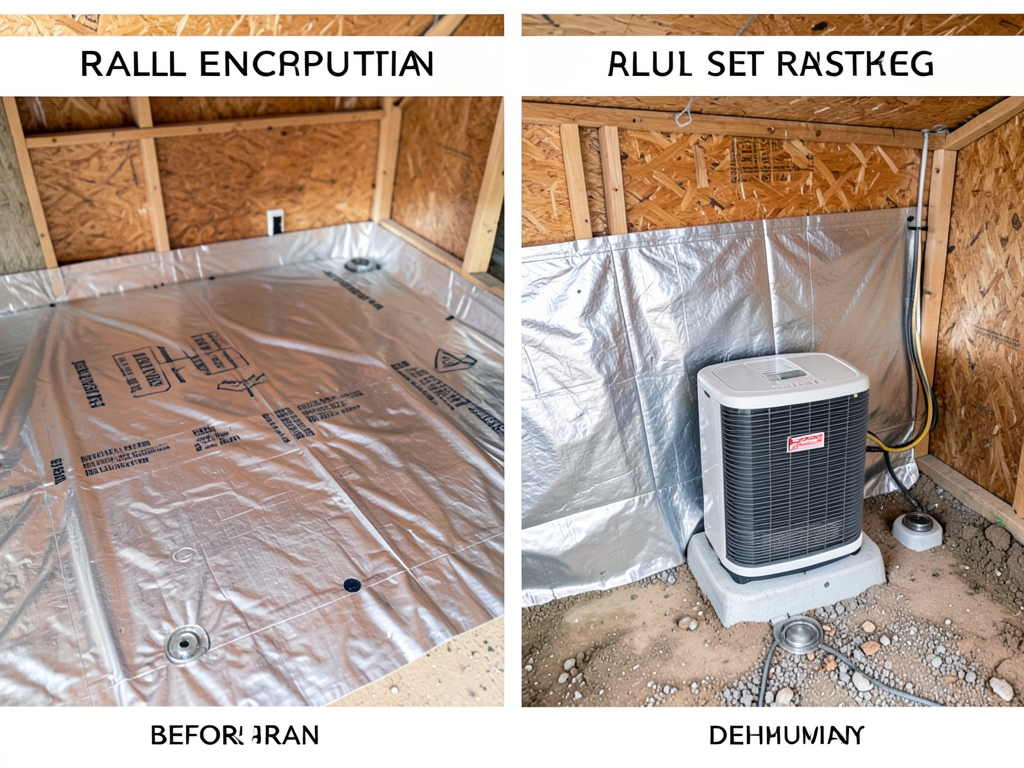
Encapsulation involves installing a heavy-duty vapor barrier on the floor and walls. It may also include sealing vents adding insulation and installing a dedicated dehumidifier. Some homeowners connect the crawl space to their HVAC system to keep it conditioned year round.. Read more about Adding a Whole House Dehumidifier to Your Avondale Estates Home Without Replacing the AC.
Conditioned crawl spaces stay closer to the temperature of your living space. This reduces the temperature difference that drives the stack effect. As a result your HVAC does not have to work as hard to maintain comfort and your indoor air stays cleaner.
Signs Your Crawl Space is Hurting Your HVAC
Musty odors in your home often come from mold in the crawl space. If you notice a damp smell especially after rain your crawl space may be the source. High humidity levels in your living space are another red flag.
Dusty air vents or frequent filter clogs can mean your system is pulling dirty air from below. If your energy bills spike during summer without a clear reason your AC may be running longer due to excess moisture.
Uneven cooling is another symptom. If some rooms feel clammy while others are cold your system may be struggling to remove humidity. This often happens when the crawl space adds more moisture than your AC can handle.
Solutions for a Healthier Crawl Space
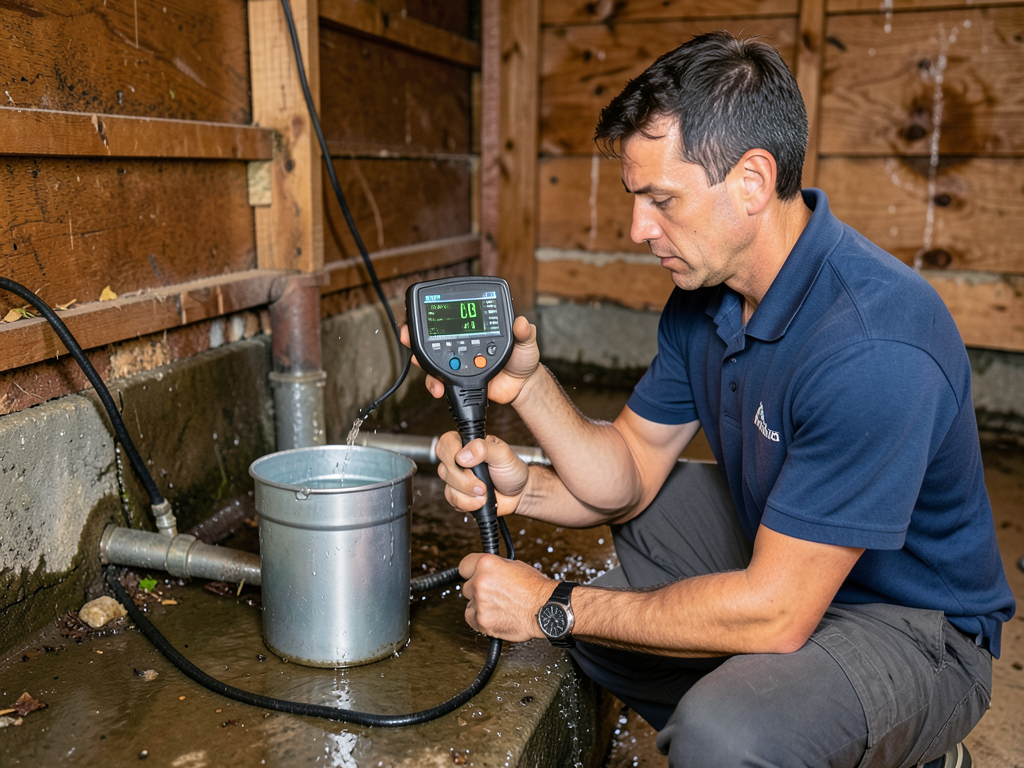
The first step is a professional inspection. A trained technician can check for moisture levels mold and damage to insulation and ductwork. They can also measure how much air is leaking from your crawl space into your home.
Vapor barriers are the most basic fix. These thick plastic sheets cover the ground and walls to block moisture from rising. For best results the barrier should be sealed at all seams and anchored to the walls.
Dehumidifiers designed for crawl spaces can keep humidity below fifty five percent year round. Some models include pumps to remove collected water automatically. This is especially useful in Mableton where humidity stays high for months.
Sealing vents and adding insulation to the crawl space walls can further reduce moisture intrusion. In some cases homeowners connect the crawl space to their HVAC system with small supply and return ducts. This keeps the space conditioned and dry.
Comparing Crawl Space Conditions and HVAC Impact
| Crawl Space Condition | Typical Humidity Level | Estimated HVAC Energy Use | Common Issues |
|---|---|---|---|
| Vented with bare soil | 70-90% | High | Mold growth duct sweating |
| Vented with thin vapor barrier | 60-75% | Medium-High | Dusty air musty odors |
| Encapsulated with dehumidifier | 45-55% | Low-Medium | Minimal issues |
Cost Factors for Crawl Space Improvements
| Improvement | Typical Cost Range | Expected ROI | Best For |
|---|---|---|---|
| Vapor barrier only | 1500-3000 | 3-5 years | Basic moisture control |
| Full encapsulation | 5000-10000 | 3-4 years | Maximum energy savings |
| Encapsulation + dehumidifier | 6000-12000 | 2-3 years | Year round comfort |
Benefits of a Sealed Crawl Space
- Lower energy bills from reduced HVAC runtime
- Improved indoor air quality with less dust and allergens
- Longer HVAC system life due to less moisture stress
- Fewer repairs from mold damage and duct condensation
- Increased home value with modern moisture control
Frequently Asked Questions
How does my crawl space affect my energy bill?
Moist air from your crawl space makes your AC work harder to cool and dehumidify your home. This increases runtime and energy use which raises your utility bill.
What is the stack effect and why does it matter?
The stack effect is when warm air rises and pulls cooler air from below into your home. If that air is damp and dirty it affects comfort and air quality.
Can I fix crawl space issues myself?
Basic vapor barriers can be DIY but full encapsulation and dehumidifier installation should be done by professionals to ensure proper sealing and moisture control.
How long does encapsulation take?
Most encapsulation projects take two to five days depending on crawl space size and condition. A professional inspection will give a more accurate timeline.
Will sealing my crawl space eliminate musty odors?
Yes. Most musty smells come from mold and mildew in damp crawl spaces. Sealing and dehumidifying removes the source of the odor.
[IMAGE_PLACEHOLDER_3>
Take Control of Your Home’s Comfort
Your crawl space is not just a forgotten corner of your home. It is a hidden factor in your comfort energy costs and air quality. In Mableton’s humid climate a damp crawl space can quietly sabotage your HVAC system and drive up your bills.
If you have noticed musty odors high humidity or rising energy costs it is time to act. A professional inspection can reveal the true condition of your crawl space and recommend the best solution for your home.
Call Summit HVAC Atlanta today at (770) 600-9611 to schedule your crawl space evaluation. Stop letting hidden moisture steal your comfort and your money. Let our experts help you create a healthier more efficient home.
Learn more about HVAC efficiency in nearby Sandy Springs
See how historic homes benefit from modern HVAC solutions
Discover seasonal maintenance plans trusted by Dunwoody families For more information, visit Energy.gov air sealing guide.
{
“@context”: “https://schema.org”,
“@type”: “BlogPosting”,
“headline”: “Why Your Mableton Crawl Space is Making Your HVAC Work Overtime”,
“description”: “Discover how crawl space moisture in Mableton forces your HVAC to overwork. Learn the science behind the stack effect and how to cut energy bills.”,
“wordCount”: 1646,
“datePublished”: “2026-04-15T14:47:00.000Z”,
“dateModified”: “2026-04-15T14:47:00.000Z”,
“inLanguage”: “en-US”,
“mainEntityOfPage”: {
“@type”: “WebPage”,
“@id”: “https://summithvacatlanta.com”
},
“publisher”: {
“@type”: “LocalBusiness”,
“name”: “Summit HVAC Atlanta”,
“url”: “https://summithvacatlanta.com”
},
“author”: {
“@type”: “Organization”,
“name”: “Summit HVAC Atlanta”,
“url”: “https://summithvacatlanta.com”
},
“image”: {
“@type”: “ImageObject”,
“url”: “https://summithvacatlanta.com/wp-content/uploads/2026/03/why-your-mableton-crawl-space-is-making-your-hvac-1.png”
}
}
{
“@context”: “https://schema.org”,
“@type”: “HVACBusiness”,
“name”: “Summit HVAC Atlanta”,
“url”: “https://summithvacatlanta.com”,
“address”: {
“@type”: “PostalAddress”,
“addressLocality”: “Atlanta”
},
“areaServed”: {
“@type”: “City”,
“name”: “Atlanta”
}
}
{
“@context”: “https://schema.org”,
“@type”: “FAQPage”,
“mainEntity”: [
{
“@type”: “Question”,
“name”: “How does my crawl space affect my energy bill?”,
“acceptedAnswer”: {
“@type”: “Answer”,
“text”: “Moist air from your crawl space makes your AC work harder to cool and dehumidify your home. This increases runtime and energy use which raises your utility bill.”
}
},
{
“@type”: “Question”,
“name”: “What is the stack effect and why does it matter?”,
“acceptedAnswer”: {
“@type”: “Answer”,
“text”: “The stack effect is when warm air rises and pulls cooler air from below into your home. If that air is damp and dirty it affects comfort and air quality.”
}
},
{
“@type”: “Question”,
“name”: “Can I fix crawl space issues myself?”,
“acceptedAnswer”: {
“@type”: “Answer”,
“text”: “Basic vapor barriers can be DIY but full encapsulation and dehumidifier installation should be done by professionals to ensure proper sealing and moisture control.”
}
},
{
“@type”: “Question”,
“name”: “How long does encapsulation take?”,
“acceptedAnswer”: {
“@type”: “Answer”,
“text”: “Most encapsulation projects take two to five days depending on crawl space size and condition. A professional inspection will give a more accurate timeline.”
}
},
{
“@type”: “Question”,
“name”: “Will sealing my crawl space eliminate musty odors?”,
“acceptedAnswer”: {
“@type”: “Answer”,
“text”: “Yes. Most musty smells come from mold and mildew in damp crawl spaces. Sealing and dehumidifying removes the source of the odor.”
}
}
]
}
{
“@context”: “https://schema.org”,
“@type”: “BreadcrumbList”,
“itemListElement”: [
{
“@type”: “ListItem”,
“position”: 1,
“name”: “Home”,
“item”: “https://summithvacatlanta.com”
},
{
“@type”: “ListItem”,
“position”: 2,
“name”: “Blog”,
“item”: “https://summithvacatlanta.com/blog”
},
{
“@type”: “ListItem”,
“position”: 3,
“name”: “Why Your Mableton Crawl Space is Making Your HVAC Work Overtime”
}
]
}
{
“@context”: “https://schema.org”,
“@type”: “Service”,
“serviceType”: “HVAC”,
“provider”: {
“@type”: “LocalBusiness”,
“name”: “Summit HVAC Atlanta”,
“url”: “https://summithvacatlanta.com”
},
“areaServed”: {
“@type”: “City”,
“name”: “Atlanta”
},
“description”: “Discover how crawl space moisture in Mableton forces your HVAC to overwork. Learn the science behind the stack effect and how to cut energy bills.”
}