
Your beautiful hardwood floors are under constant attack from Atlanta’s humid climate. In Peachtree Battle where luxury homes showcase expensive wood flooring the battle against moisture is relentless. The sticky summer air seeps into every crack and crevice threatening to warp cup and buckle your investment.
Georgia’s subtropical climate creates unique challenges for hardwood flooring. With average summer humidity levels often exceeding 80% in the morning and afternoon thunderstorms rolling through regularly the moisture content in your home’s air fluctuates dramatically. This constant change in moisture causes wood to expand and contract leading to visible damage and expensive repairs.
The Science of Wood and Water
Wood is hygroscopic which means it naturally absorbs and releases moisture from the surrounding air. When humidity rises the wood fibers absorb water causing the boards to expand. When humidity drops the wood releases moisture and contracts. This cycle of expansion and contraction is normal but excessive moisture causes problems.
The National Wood Flooring Association recommends maintaining indoor relative humidity between 35% and 55% for optimal hardwood performance. In Peachtree Battle where outdoor humidity often reaches 90% during summer months your HVAC system must work overtime to maintain these safe levels. National Wood Flooring Association humidity recommendations.
Ideal Humidity Levels for Georgia Homes
Maintaining the right humidity level protects your floors and your comfort. Too little humidity causes wood to shrink creating unsightly gaps between boards. Too much humidity causes boards to swell potentially pushing against each other until they buckle or cup.
The sweet spot for Georgia hardwood floors is 40-50% relative humidity. This range prevents the extreme expansion and contraction that damages wood while also maintaining comfortable indoor air quality. Smart thermostats with humidity sensors can help you monitor these levels throughout your home. Improving the Air Quality in Your Brookhaven Home During Pollen Season.
Signs of Humidity Damage: Cupping, Crowning, and Gapping
Understanding the warning signs helps you catch problems early. Cupping occurs when the edges of wood boards rise higher than the center creating a concave shape. This happens when moisture absorbs into the bottom of the boards causing them to expand more than the top surface.
Crowning is the opposite problem where the center of the board rises above the edges creating a convex shape. This typically occurs when the top surface of the wood holds more moisture than the bottom or when previously cupped floors dry out too quickly.
Gapping appears as visible spaces between floorboards. While some seasonal gapping is normal excessive gaps indicate chronically low humidity levels. In Peachtree Battle homes with crawl spaces the problem often starts below your floors where Georgia’s red clay soil holds moisture against your home’s foundation.
Why Your AC Alone Might Not Be Enough
Standard air conditioning systems prioritize temperature control over moisture removal. While your AC does remove some humidity through condensation it’s not designed to maintain the consistent 40-50% relative humidity levels that protect hardwood floors.
Modern variable-speed HVAC systems offer better humidity control by running longer at lower speeds. These systems remove more moisture per hour than single-stage units but even they struggle during Georgia’s most humid months. When outdoor dew points exceed 70 degrees your AC must work so hard to cool your home that moisture removal becomes secondary.
The psychrometric properties of Atlanta’s air make this challenge worse. Our high dew points mean the air holds more absolute moisture requiring more energy to remove it. Your AC might keep you cool but it may not be removing enough moisture to protect your floors. Energy Department information on whole-home dehumidifiers.
The Solution: Whole-Home Dehumidification
Whole-home dehumidifiers work alongside your HVAC system to maintain optimal humidity levels. These units can remove 70-135 pints of moisture per day depending on the model and your home’s size. They integrate directly with your existing ductwork and drain automatically.
The key advantage is consistent moisture removal regardless of cooling demand. Even on mild days when your AC rarely runs the dehumidifier continues protecting your floors. This is crucial in spring and fall when Atlanta experiences high humidity but moderate temperatures.. Read more about The Best Heating and Cooling Options for Your Year-Round Sunroom in Lake Claire.
Energy efficiency matters too. Modern whole-home dehumidifiers use less electricity than running your AC just for moisture control. They also reduce the cooling load on your AC allowing it to operate more efficiently during summer months.
Atlanta Seasonal Maintenance Checklist
Spring in Peachtree Battle brings pollen and high humidity. Before the season hits have your HVAC system serviced and consider installing a whole-home dehumidifier if you haven’t already. Check for any signs of moisture damage from winter and address crawl space moisture issues.
Summer requires the most vigilance. Monitor humidity levels daily using a hygrometer. Run ceiling fans to improve air circulation and keep your AC filters clean. If you notice cupping or crowning contact an HVAC professional immediately. The damage will worsen until humidity is controlled.
Fall often brings relief but Atlanta’s fall humidity can still damage floors. Continue using your dehumidifier and watch for moisture problems as leaves trap moisture around your home’s foundation. This is also the time to inspect your vapor barriers and address any foundation cracks.
Winter in Georgia might seem safe but our mild winters with occasional cold snaps create condensation problems. When warm humid indoor air hits cold windows or poorly insulated walls moisture forms. Maintain consistent humidity levels and ensure proper insulation around your hardwood floors.
Wood Acclimation Periods in Georgia
Proper wood acclimation prevents many moisture problems. New hardwood flooring should adjust to your home’s specific humidity levels before installation. In Georgia this means allowing planks to sit for 72-96 hours in the installation space with HVAC running normally.
The acclimation period is critical because wood from different sources may have varying moisture content. Georgia mills often ship wood with 6-8% moisture content while wood from northern suppliers might arrive at 8-10%. Your Peachtree Battle home needs wood adjusted to local conditions.
During installation maintain your normal humidity levels. Don’t try to rush the process by cranking up the heat or AC. This creates moisture gradients within the wood that cause problems later. Professional installers in Atlanta understand these local requirements.
Smart Thermostats with Humidity Sensors
Modern smart thermostats do more than control temperature. Models with built-in humidity sensors let you monitor moisture levels from your phone and set alerts when humidity exceeds safe ranges. Some can even integrate with dehumidifiers to maintain optimal conditions automatically.
The best smart thermostats for Georgia homes include features like remote humidity monitoring geofencing to adjust settings when you’re away and energy usage reports. These tools help you stay ahead of moisture problems before they damage your floors.
Look for thermostats that provide detailed humidity trends not just current readings. Understanding how humidity fluctuates throughout the day helps you identify problems with your HVAC system or whole-home dehumidifier.
Crawl Space Vapor Barriers
Many Peachtree Battle homes have crawl spaces where Georgia’s high water table creates persistent moisture problems. Without proper vapor barriers moisture rises through your home’s structure affecting hardwood floors from below.
A quality vapor barrier is 6-mil or thicker polyethylene sheeting covering the entire crawl space floor. For Georgia’s conditions many experts recommend 10-mil or 20-mil reinforced barriers. These heavier materials resist tears from crawl space maintenance and provide better moisture protection. The Only HVAC Maintenance Plan Dunwoody Homeowners Actually Need.
Proper installation includes sealing all seams and extending the barrier up foundation walls at least 6 inches. The barrier should also cover any exposed soil in the crawl space. This comprehensive approach prevents ground moisture from affecting your home’s structure.
HVAC Static Pressure and Moisture Removal
Static pressure in your HVAC system affects how well it removes moisture. When static pressure is too high airflow decreases reducing the system’s ability to dehumidify. When static pressure is too low air moves too quickly through the coils preventing proper moisture condensation.
Common causes of improper static pressure include dirty filters undersized ductwork and closed vents. In older Peachtree Battle homes with original ductwork static pressure problems are especially common. A professional HVAC technician can measure and adjust static pressure for optimal performance.
Variable-speed blowers help maintain proper static pressure across different operating conditions. These systems adjust their speed based on your home’s needs rather than simply turning on and off at full power. This improves both temperature control and moisture removal.
Common Georgia Hardwood Species and Their Reactions
Different wood species react differently to humidity changes. Oak which is extremely popular in Peachtree Battle homes handles moisture well but still requires proper humidity control. White oak is more dimensionally stable than red oak making it slightly better for humid climates.
Heart pine which is common in historic Atlanta homes is beautiful but more prone to moisture movement than modern engineered products. This species can develop significant gaps in winter and cupping in summer without proper humidity control.
Engineered hardwood offers better stability in Georgia’s climate. The cross-layered construction resists moisture movement better than solid wood. However even engineered products need humidity control to prevent delamination and other moisture-related problems.
Energy Efficiency Considerations
Balancing floor protection with energy costs requires smart strategies. Whole-home dehumidifiers use less energy than overcooling your home to remove moisture. Many models include energy-saving features like programmable operation and smart sensors that activate only when needed. Comparing Costs for a New AC Unit in Sandy Springs.
Proper HVAC maintenance improves efficiency and moisture removal. Clean coils allow better heat transfer and condensation. Proper refrigerant charge ensures optimal cooling and dehumidification. Regular filter changes maintain proper airflow and system efficiency.
Consider the long-term costs. Replacing hardwood floors damaged by humidity costs thousands of dollars. A quality whole-home dehumidifier might cost $2,000-$4,000 installed but protects floors worth $10,000 or more. The energy savings on your AC system often offset much of the dehumidifier’s operating cost.
Professional Assessment and Installation
Every home in Peachtree Battle has unique moisture challenges based on construction age orientation and landscaping. A professional HVAC assessment identifies specific problems and recommends solutions tailored to your home. Specialized HVAC Solutions for Historic Virginia-Highland Homes.
Professional installation ensures your whole-home dehumidifier integrates properly with your existing HVAC system. This includes proper sizing ductwork modifications and condensate drainage. DIY installation often leads to poor performance and wasted money.
Look for HVAC contractors with specific experience in humidity control and hardwood floor protection. They should understand Georgia’s climate challenges and have solutions that work in our unique conditions. Ask about their experience with luxury homes and expensive flooring installations.

Cost Comparison: Prevention vs. Repair
| Solution | Initial Cost | Annual Operating Cost | Protection Level |
|---|---|---|---|
| Standard AC Only | $0 | $0 | Minimal |
| Smart Thermostat | $200-400 | $0 | Monitoring Only |
| Whole-Home Dehumidifier | $2,000-4,000 | $150-300 | Excellent |
| Floor Replacement | $8,000-15,000 | $0 | None (after damage) |
Frequently Asked Questions
How do I know if my hardwood floors have moisture damage?
Look for cupping where edges rise above the center crowning where the middle bulges gaps between boards buckling where boards lift from the subfloor or discoloration. Use a moisture meter to check if readings exceed 12% in most areas or vary more than 2% across the floor.
Can I use portable dehumidifiers instead of whole-home systems?
Portable units only treat one room and require daily emptying. They cannot maintain consistent humidity throughout your home or protect floors in areas away from the unit. Whole-home systems integrate with your HVAC ductwork providing comprehensive protection.
How often should I check humidity levels in my home?
Monitor daily during summer months and weekly during other seasons. Use a hygrometer to check multiple rooms since humidity varies throughout your home. Pay special attention to rooms with hardwood flooring and areas near exterior walls.
Will a whole-home dehumidifier make my home too dry?
Quality whole-home dehumidifiers include humidistats that maintain your target humidity level typically 40-50%. They remove excess moisture without over-drying your home. This is different from portable units that may run continuously and create overly dry conditions.
How long does it take to see results after installing humidity control?
You’ll notice improved comfort within 24-48 hours. Existing minor cupping may improve within a week as wood adjusts to proper moisture levels. Severe damage like buckling requires professional assessment and may need board replacement regardless of humidity control.
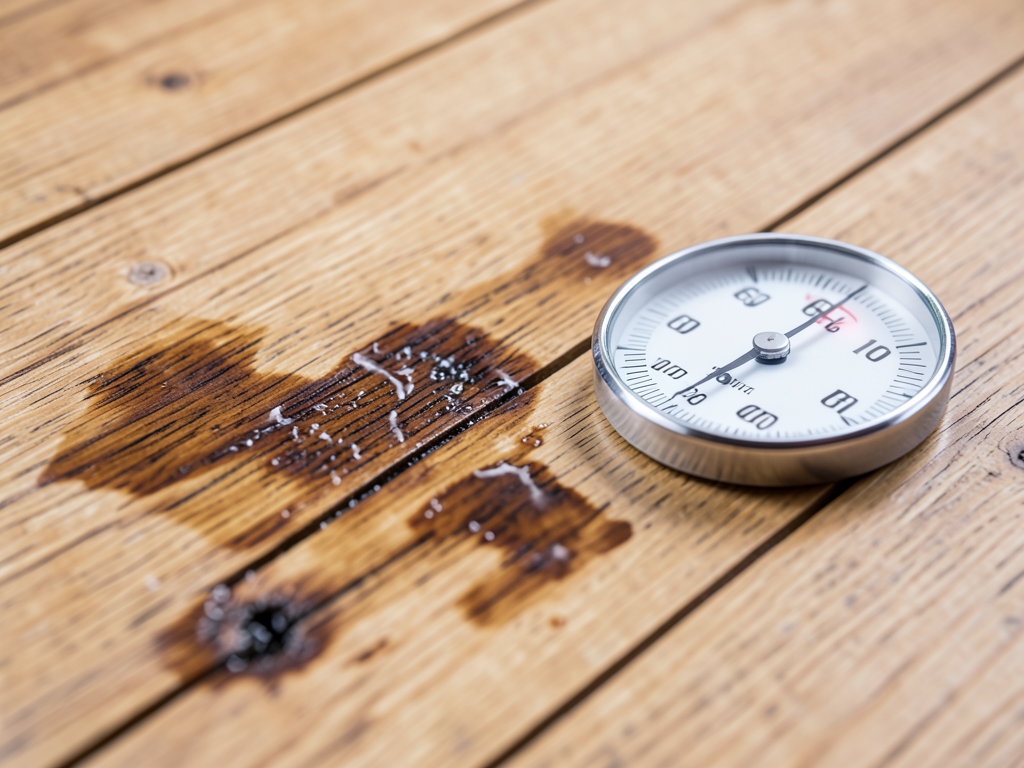
Your expensive hardwood floors in Peachtree Battle deserve protection from Georgia’s relentless humidity. The combination of whole-home dehumidification proper HVAC maintenance and smart monitoring creates the ideal environment for your flooring investment. Don’t wait until you see damage to take action.
Summit HVAC Atlanta understands the unique challenges facing Peachtree Battle homeowners. Our technicians have years of experience protecting luxury homes from moisture damage while maintaining energy efficiency and comfort. We offer free assessments to evaluate your home’s specific needs and recommend solutions that fit your budget.
Call Summit HVAC Atlanta today at (770) 600-9611 to schedule your free humidity assessment. Protect your hardwood floors before expensive damage occurs. Our team serves Peachtree Battle and all of Atlanta with fast professional service and lasting results. Don’t let Georgia’s humidity ruin your beautiful floors.
{
“@context”: “https://schema.org”,
“@type”: “BlogPosting”,
“headline”: “Protecting your expensive hardwood floors in Peachtree Battle from Georgia humidity”,
“description”: “Learn how Georgia’s humidity damages hardwood floors in Peachtree Battle and how whole-home dehumidification protects your investment.”,
“wordCount”: 2167,
“datePublished”: “2026-05-12T12:08:00.000Z”,
“dateModified”: “2026-05-12T12:08:00.000Z”,
“inLanguage”: “en-US”,
“mainEntityOfPage”: {
“@type”: “WebPage”,
“@id”: “https://summithvacatlanta.com”
},
“publisher”: {
“@type”: “LocalBusiness”,
“name”: “Summit HVAC Atlanta”,
“url”: “https://summithvacatlanta.com”
},
“author”: {
“@type”: “Organization”,
“name”: “Summit HVAC Atlanta”,
“url”: “https://summithvacatlanta.com”
},
“image”: {
“@type”: “ImageObject”,
“url”: “https://summithvacatlanta.com/wp-content/uploads/2026/03/protecting-your-expensive-hardwood-floors-in-peach-1.png”
}
}
{
“@context”: “https://schema.org”,
“@type”: “HVACBusiness”,
“name”: “Summit HVAC Atlanta”,
“url”: “https://summithvacatlanta.com”,
“address”: {
“@type”: “PostalAddress”,
“addressLocality”: “Atlanta”
},
“areaServed”: {
“@type”: “City”,
“name”: “Atlanta”
}
}
{
“@context”: “https://schema.org”,
“@type”: “FAQPage”,
“mainEntity”: [
{
“@type”: “Question”,
“name”: “How do I know if my hardwood floors have moisture damage?”,
“acceptedAnswer”: {
“@type”: “Answer”,
“text”: “Look for cupping where edges rise above the center crowning where the middle bulges gaps between boards buckling where boards lift from the subfloor or discoloration. Use a moisture meter to check if readings exceed 12% in most areas or vary more than 2% across the floor.”
}
},
{
“@type”: “Question”,
“name”: “Can I use portable dehumidifiers instead of whole-home systems?”,
“acceptedAnswer”: {
“@type”: “Answer”,
“text”: “Portable units only treat one room and require daily emptying. They cannot maintain consistent humidity throughout your home or protect floors in areas away from the unit. Whole-home systems integrate with your HVAC ductwork providing comprehensive protection.”
}
},
{
“@type”: “Question”,
“name”: “How often should I check humidity levels in my home?”,
“acceptedAnswer”: {
“@type”: “Answer”,
“text”: “Monitor daily during summer months and weekly during other seasons. Use a hygrometer to check multiple rooms since humidity varies throughout your home. Pay special attention to rooms with hardwood flooring and areas near exterior walls.”
}
},
{
“@type”: “Question”,
“name”: “Will a whole-home dehumidifier make my home too dry?”,
“acceptedAnswer”: {
“@type”: “Answer”,
“text”: “Quality whole-home dehumidifiers include humidistats that maintain your target humidity level typically 40-50%. They remove excess moisture without over-drying your home. This is different from portable units that may run continuously and create overly dry conditions.”
}
},
{
“@type”: “Question”,
“name”: “How long does it take to see results after installing humidity control?”,
“acceptedAnswer”: {
“@type”: “Answer”,
“text”: “You’ll notice improved comfort within 24-48 hours. Existing minor cupping may improve within a week as wood adjusts to proper moisture levels. Severe damage like buckling requires professional assessment and may need board replacement regardless of humidity control.”
}
}
]
}
{
“@context”: “https://schema.org”,
“@type”: “BreadcrumbList”,
“itemListElement”: [
{
“@type”: “ListItem”,
“position”: 1,
“name”: “Home”,
“item”: “https://summithvacatlanta.com”
},
{
“@type”: “ListItem”,
“position”: 2,
“name”: “Blog”,
“item”: “https://summithvacatlanta.com/blog”
},
{
“@type”: “ListItem”,
“position”: 3,
“name”: “Protecting your expensive hardwood floors in Peachtree Battle from Georgia humidity”
}
]
}
{
“@context”: “https://schema.org”,
“@type”: “Service”,
“serviceType”: “HVAC”,
“provider”: {
“@type”: “LocalBusiness”,
“name”: “Summit HVAC Atlanta”,
“url”: “https://summithvacatlanta.com”
},
“areaServed”: {
“@type”: “City”,
“name”: “Atlanta”
},
“description”: “Learn how Georgia’s humidity damages hardwood floors in Peachtree Battle and how whole-home dehumidification protects your investment.”
}