
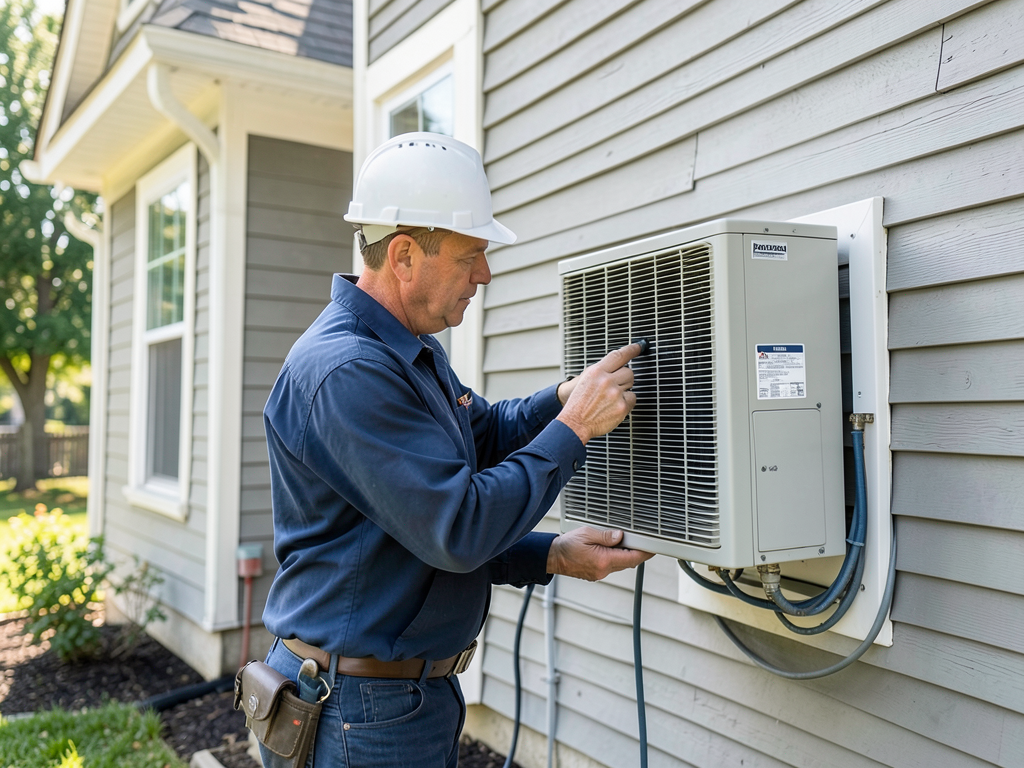
Making the Move to a Fully Electric Home in Decatur
Thinking about ditching gas and going all-electric in your Decatur home? You are not alone. More Atlanta homeowners are making the switch to cleaner energy and lower utility bills. This guide walks you through the process step by step so you can make informed decisions about your home’s future.
Why Electrify Your Decatur Home
Decatur’s mix of historic bungalows and newer craftsman-style homes makes it a perfect place to start your electrification journey. The city’s mild winters and hot humid summers create ideal conditions for modern heat pump technology. You will also benefit from Georgia’s growing clean energy grid and the peace of mind that comes with eliminating gas lines. Georgia Power rebates and incentives.
Local homeowners report lower monthly energy costs after switching to high-efficiency electric systems. Modern heat pumps handle both heating and cooling with better humidity control than traditional systems. You will also reduce your carbon footprint and increase your home’s resale value. Comparing Costs for a New AC Unit in Sandy Springs.
Understanding the Basics of Home Electrification
Whole home electrification means replacing gas-burning appliances with efficient electric alternatives. This includes your heating system, water heater, stove, and even your car charger. The process requires careful planning to ensure your electrical panel can handle the increased load.. Read more about Syncing Your Alpharetta HVAC with Your Whole Home Automation System.
Most Decatur homes built before 2000 have 100-amp electrical panels. Modern all-electric homes typically need 200-amp service or more. This upgrade allows you to run multiple high-draw appliances simultaneously without tripping breakers.
Heat Pumps: The Heart of Your Electric Home
Air-source heat pumps replace both your furnace and air conditioner. They move heat rather than create it, making them up to three times more efficient than gas systems. Modern cold-climate heat pumps work efficiently even when temperatures drop below freezing.
For Decatur’s climate, a heat pump with a SEER2 rating of 18 or higher provides excellent performance. The system handles our humid summers by removing moisture from the air while cooling. During mild winters, it provides quiet efficient heating without the need for backup systems.
Geothermal heat pumps offer even greater efficiency but require significant upfront investment. They work by tapping into the stable ground temperature beneath your home. Many Decatur residents with larger properties are choosing this option for long-term energy savings.
Water Heating Without Gas
Heat pump water heaters use the same technology as space heating heat pumps but focus on heating water. They can be two to three times more efficient than traditional electric or gas water heaters. These units work well in Decatur’s climate and can be installed in basements or utility closets.
Tankless electric water heaters provide another option for smaller homes. They heat water on demand, eliminating the need for a storage tank. This saves space and ensures you never run out of hot water during peak usage times.. Read more about Why You Should Demand a Manual J Load Calculation for Your Kirkwood Renovation.
Induction Cooking: Better Than Gas
Induction cooktops heat food faster and more precisely than gas stoves. They use electromagnetic energy to heat your cookware directly, keeping your kitchen cooler. Many professional chefs now prefer induction for its responsiveness and safety features.
Induction cooking eliminates indoor air pollution from gas combustion. This improves your home’s air quality and reduces health risks associated with gas appliances. The smooth glass surface also makes cleanup much easier than traditional electric or gas cooktops. Improving the Air Quality in Your Brookhaven Home During Pollen Season.
EV Charging at Home
Adding a Level 2 EV charger to your garage completes your electrification journey. These chargers provide faster charging than standard wall outlets and can be integrated with your home’s electrical system. Many Decatur residents are installing chargers as they transition to electric vehicles.
Smart charging systems allow you to schedule charging during off-peak hours when electricity rates are lower. This maximizes your savings and reduces strain on the electrical grid during high-demand periods.
Smart Energy Management
Modern smart electrical panels let you monitor and control your home’s energy usage from your smartphone. You can see which appliances are using power and adjust settings to optimize efficiency. Some systems can even predict your energy needs based on weather forecasts and your daily routines.
Battery storage systems store excess solar energy for use during power outages or peak rate periods. When combined with smart panels, they create a resilient home energy system that keeps you comfortable even during Georgia’s occasional severe weather events.
Financial Incentives for Decatur Homeowners
The Inflation Reduction Act provides significant tax credits for home electrification projects. You can receive up to 30% of your project costs back as a federal tax credit. This applies to heat pumps, heat pump water heaters, electrical panel upgrades, and insulation improvements.. Read more about How to Claim Federal Tax Credits for New HVAC Installations in Scottdale.
Georgia Power offers rebates for high-efficiency heat pumps and heat pump water heaters. These rebates can reduce your upfront costs by several hundred dollars. The utility also provides free home energy assessments to help you identify the most cost-effective improvements.
Local utility programs may offer additional incentives for Decatur residents. Check with your electric provider about current promotions and financing options for energy-efficient upgrades.
Step-by-Step Electrification Process
Start with a professional energy audit to understand your home’s current efficiency. An auditor will identify air leaks, inadequate insulation, and inefficient appliances. This assessment helps you prioritize improvements for maximum impact.
Next, evaluate your electrical panel capacity. Most homes need a 200-amp upgrade to support all-electric appliances. This upgrade must be performed by a licensed electrician and may require coordination with your utility company.
Replace your HVAC system with a heat pump that matches your home’s size and layout. Proper sizing is crucial for efficiency and comfort. A Manual J calculation determines the exact capacity needed for your home.
Install your water heater, cooking appliances, and EV charger according to your budget and timeline. Many homeowners phase these upgrades over several years to spread out costs.
Real Decatur Electrification Projects
A Druid Hills family replaced their 20-year-old gas furnace and AC with a single heat pump system. Their energy bills dropped by 35% in the first year. The new system also eliminated the need for separate heating and cooling maintenance. The Only HVAC Maintenance Plan Dunwoody Homeowners Actually Need.
In Oakhurst, a homeowner converted their 1940s bungalow to all-electric over three years. They started with the HVAC system, then added a heat pump water heater, and finally installed solar panels. Their monthly utility costs are now lower than before any upgrades.
A Decatur craftsman home owner installed a geothermal system with radiant floor heating. While the upfront cost was significant, their heating and cooling costs are now 60% lower than similar homes in the area.
Common Challenges and Solutions
Many older Decatur homes have limited space for new equipment. Creative installation solutions like compact heat pump designs and outdoor unit relocation can overcome these constraints. Some homeowners convert unused closets or attic spaces for equipment. Specialized HVAC Solutions for Historic Virginia-Highland Homes.
Historic district regulations may restrict visible exterior changes. Low-profile heat pump designs and strategic landscaping can help these systems blend with your home’s architecture. Always check with local preservation boards before making exterior modifications.
Initial costs can seem daunting, but phased implementation makes electrification more affordable. Start with the highest-impact improvements like HVAC replacement, then add other upgrades as your budget allows.
Environmental Impact
Switching to electric appliances reduces your home’s carbon emissions significantly. As Georgia’s electric grid incorporates more renewable energy, your environmental impact continues to decrease over time. An all-electric home produces zero on-site emissions.
Modern heat pumps also improve indoor air quality by eliminating combustion byproducts. This creates a healthier living environment, especially important for families with children or elderly residents. Why Dunwoody Families Trust Our Seasonal HVAC Maintenance Plans.
Choosing the Right Contractor
Look for HVAC contractors with specific heat pump experience and proper licensing. Ask about their training with the latest heat pump technologies and their familiarity with local building codes. A good contractor will perform detailed load calculations and explain all your options.
Check references from other Decatur homeowners who have completed electrification projects. Ask about system performance, installation quality, and ongoing support. The right contractor becomes a long-term partner in your home’s energy efficiency.
Timeline for Your Electrification Project
| Phase | Typical Duration | Key Activities |
|---|---|---|
| Planning | 1-2 months | Energy audit, research incentives, get quotes |
| Electrical Upgrade | 1-3 days | Panel replacement, wiring updates |
| HVAC Replacement | 1-2 days | Remove old system, install heat pump |
| Other Appliances | 1-2 days each | Water heater, stove, EV charger installation |
| Final Inspection | 1 day | Permit approval, system testing |
Cost Considerations
Heat pump systems typically cost $8,000-$15,000 installed, depending on size and features. Heat pump water heaters range from $1,500-$3,000. Induction cooktops start around $1,000-$2,500. A Level 2 EV charger costs $500-$1,500 plus installation.
Electrical panel upgrades cost $1,500-$3,000. While these upfront costs seem high, federal tax credits and utility rebates can reduce your net expense by 30-50%. Many homeowners find that energy savings offset the monthly payment on financing options.
Preparing Your Home
Before installing new systems, address any air leaks or insulation issues. Proper weatherization ensures your new equipment operates at peak efficiency. This might include sealing ductwork, adding attic insulation, or replacing old windows.
Consider your home’s layout and usage patterns when planning equipment placement. Heat pump outdoor units need adequate airflow and should be positioned away from bedrooms to minimize noise. Indoor units work best in central locations with good air circulation.
Maintenance Requirements
Heat pumps require annual professional maintenance, similar to traditional HVAC systems. This includes checking refrigerant levels, cleaning coils, and testing electrical connections. Most manufacturers recommend bi-annual service for optimal performance.
Heat pump water heaters need periodic filter cleaning and anode rod inspection. Induction cooktops require minimal maintenance beyond keeping the glass surface clean. These appliances generally have fewer moving parts than their gas counterparts, potentially reducing long-term maintenance needs.
Future-Proofing Your Home
Design your electrification project with future upgrades in mind. Install conduit for potential solar panels, oversize your electrical panel slightly if budget allows, and choose equipment with smart capabilities. This flexibility makes it easier to add new technologies as they become available.
Consider your long-term plans for the property. If you plan to stay in your Decatur home for many years, investing in higher-efficiency equipment often provides better returns. If you might sell soon, focus on improvements that increase resale value.
Community Impact
As more Decatur homeowners electrify, the community benefits from reduced emissions and improved air quality. This collective action supports Atlanta’s sustainability goals and creates demand for clean energy solutions. Your electrification project contributes to a healthier environment for all residents.
Local contractors gain experience with electric technologies, improving service quality for everyone. As the market grows, costs typically decrease, making electrification more accessible to all income levels.
Getting Started Today
Begin by scheduling a home energy assessment with a qualified professional. This evaluation provides the foundation for your electrification plan and identifies the most cost-effective improvements. Many assessments are free or low-cost through utility programs.
Research available incentives and calculate potential savings using online tools. Understanding the financial benefits helps you make informed decisions about timing and scope. Don’t forget to factor in the comfort improvements and environmental benefits.
Connect with other Decatur homeowners who have completed electrification projects. Their experiences provide valuable insights and help you avoid common pitfalls. Local community groups and sustainability organizations often share resources and recommendations.
Ready to make your Decatur home more efficient and comfortable? Call Summit HVAC Atlanta at (770) 600-9611 to schedule your energy assessment. Our experienced team understands the unique needs of Atlanta homes and can guide you through every step of the electrification process. We will help you create a customized plan that fits your budget and goals while ensuring your home stays comfortable year-round.
Frequently Asked Questions
How long does it take to complete a whole home electrification project?
Most electrification projects take 3-6 months from initial planning to final installation. The actual installation time varies by project scope but typically requires 3-5 days of active work spread over several weeks.
Will I need to replace my electrical panel?
Most homes built before 2000 have 100-amp panels that need upgrading to 200 amps for full electrification. A professional assessment will determine your specific needs based on your home’s size and planned equipment.
Are heat pumps effective in Georgia’s climate?
Yes. Modern heat pumps excel in Georgia’s climate, handling both the hot humid summers and mild winters efficiently. They provide excellent humidity control and maintain comfort even during occasional cold snaps.
What rebates are available for Decatur homeowners?
Federal tax credits cover up to 30% of project costs through the Inflation Reduction Act. Georgia Power offers additional rebates for heat pumps and heat pump water heaters. Local utility programs may provide further incentives.
Can I electrify my home in phases?
Absolutely. Many homeowners start with HVAC replacement, then add water heating, cooking appliances, and EV charging over time. This approach spreads costs and allows you to learn about your energy usage patterns.
How much can I save on utility bills?
Most homeowners see 20-40% reductions in utility costs after full electrification, though savings vary based on your current systems and energy usage patterns. Heat pumps typically provide the largest savings.
Will electrification increase my home’s value?
Yes. Energy-efficient homes with modern electric systems typically sell for 3-5% more than comparable homes with older systems. Buyers increasingly value lower utility costs and environmental benefits.
What if I have a historic Decatur home?
Historic homes can be electrified with careful planning. Low-profile equipment designs and strategic placement help maintain architectural integrity. Always check with local preservation boards before making exterior modifications.
Do I need solar panels for electrification?
No. While solar panels enhance your energy independence, they are not required for electrification. Many homeowners electrify first, then add solar later as budget allows.
How do I choose between different heat pump options?
Consider your climate, home size, budget, and efficiency goals. Air-source heat pumps work well for most Decatur homes. Geothermal systems offer greater efficiency but require higher upfront investment and suitable property conditions. For more information, visit Department of Energy energy savings guide.
You may also find this helpful. Trane vs Carrier vs Rheem — which HVAC brand handles the Atlanta heat best.
{
“@context”: “https://schema.org”,
“@type”: “BlogPosting”,
“headline”: “Making the Move to a Fully Electric Home in Decatur”,
“description”: “Learn how to transition your Decatur home from gas to electric. Discover heat pumps, EV chargers, and local rebates for Atlanta’s electrification movement.”,
“wordCount”: 2359,
“datePublished”: “2026-06-12T09:46:00.000Z”,
“dateModified”: “2026-06-12T09:46:00.000Z”,
“inLanguage”: “en-US”,
“mainEntityOfPage”: {
“@type”: “WebPage”,
“@id”: “https://summithvacatlanta.com”
},
“publisher”: {
“@type”: “LocalBusiness”,
“name”: “Summit HVAC Atlanta”,
“url”: “https://summithvacatlanta.com”
},
“author”: {
“@type”: “Organization”,
“name”: “Summit HVAC Atlanta”,
“url”: “https://summithvacatlanta.com”
},
“image”: {
“@type”: “ImageObject”,
“url”: “https://summithvacatlanta.com/wp-content/uploads/2026/03/making-the-move-to-a-fully-electric-home-in-decatu-1.png”
}
}
{
“@context”: “https://schema.org”,
“@type”: “HVACBusiness”,
“name”: “Summit HVAC Atlanta”,
“url”: “https://summithvacatlanta.com”,
“address”: {
“@type”: “PostalAddress”,
“addressLocality”: “Atlanta”
},
“areaServed”: {
“@type”: “City”,
“name”: “Atlanta”
}
}
{
“@context”: “https://schema.org”,
“@type”: “FAQPage”,
“mainEntity”: [
{
“@type”: “Question”,
“name”: “How long does it take to complete a whole home electrification project?”,
“acceptedAnswer”: {
“@type”: “Answer”,
“text”: “Most electrification projects take 3-6 months from initial planning to final installation. The actual installation time varies by project scope but typically requires 3-5 days of active work spread over several weeks.”
}
},
{
“@type”: “Question”,
“name”: “Will I need to replace my electrical panel?”,
“acceptedAnswer”: {
“@type”: “Answer”,
“text”: “Most homes built before 2000 have 100-amp panels that need upgrading to 200 amps for full electrification. A professional assessment will determine your specific needs based on your home’s size and planned equipment.”
}
},
{
“@type”: “Question”,
“name”: “Are heat pumps effective in Georgia’s climate?”,
“acceptedAnswer”: {
“@type”: “Answer”,
“text”: “Yes. Modern heat pumps excel in Georgia’s climate, handling both the hot humid summers and mild winters efficiently. They provide excellent humidity control and maintain comfort even during occasional cold snaps.”
}
},
{
“@type”: “Question”,
“name”: “What rebates are available for Decatur homeowners?”,
“acceptedAnswer”: {
“@type”: “Answer”,
“text”: “Federal tax credits cover up to 30% of project costs through the Inflation Reduction Act. Georgia Power offers additional rebates for heat pumps and heat pump water heaters. Local utility programs may provide further incentives.”
}
},
{
“@type”: “Question”,
“name”: “Can I electrify my home in phases?”,
“acceptedAnswer”: {
“@type”: “Answer”,
“text”: “Absolutely. Many homeowners start with HVAC replacement, then add water heating, cooking appliances, and EV charging over time. This approach spreads costs and allows you to learn about your energy usage patterns.”
}
},
{
“@type”: “Question”,
“name”: “How much can I save on utility bills?”,
“acceptedAnswer”: {
“@type”: “Answer”,
“text”: “Most homeowners see 20-40% reductions in utility costs after full electrification, though savings vary based on your current systems and energy usage patterns. Heat pumps typically provide the largest savings.”
}
},
{
“@type”: “Question”,
“name”: “Will electrification increase my home’s value?”,
“acceptedAnswer”: {
“@type”: “Answer”,
“text”: “Yes. Energy-efficient homes with modern electric systems typically sell for 3-5% more than comparable homes with older systems. Buyers increasingly value lower utility costs and environmental benefits.”
}
},
{
“@type”: “Question”,
“name”: “What if I have a historic Decatur home?”,
“acceptedAnswer”: {
“@type”: “Answer”,
“text”: “Historic homes can be electrified with careful planning. Low-profile equipment designs and strategic placement help maintain architectural integrity. Always check with local preservation boards before making exterior modifications.”
}
},
{
“@type”: “Question”,
“name”: “Do I need solar panels for electrification?”,
“acceptedAnswer”: {
“@type”: “Answer”,
“text”: “No. While solar panels enhance your energy independence, they are not required for electrification. Many homeowners electrify first, then add solar later as budget allows.”
}
},
{
“@type”: “Question”,
“name”: “How do I choose between different heat pump options?”,
“acceptedAnswer”: {
“@type”: “Answer”,
“text”: “Consider your climate, home size, budget, and efficiency goals. Air-source heat pumps work well for most Decatur homes. Geothermal systems offer greater efficiency but require higher upfront investment and suitable property conditions. For more information, visit Department of Energy energy savings guide.”
}
}
]
}
{
“@context”: “https://schema.org”,
“@type”: “BreadcrumbList”,
“itemListElement”: [
{
“@type”: “ListItem”,
“position”: 1,
“name”: “Home”,
“item”: “https://summithvacatlanta.com”
},
{
“@type”: “ListItem”,
“position”: 2,
“name”: “Blog”,
“item”: “https://summithvacatlanta.com/blog”
},
{
“@type”: “ListItem”,
“position”: 3,
“name”: “Making the Move to a Fully Electric Home in Decatur”
}
]
}
{
“@context”: “https://schema.org”,
“@type”: “Service”,
“serviceType”: “HVAC”,
“provider”: {
“@type”: “LocalBusiness”,
“name”: “Summit HVAC Atlanta”,
“url”: “https://summithvacatlanta.com”
},
“areaServed”: {
“@type”: “City”,
“name”: “Atlanta”
},
“description”: “Learn how to transition your Decatur home from gas to electric. Discover heat pumps, EV chargers, and local rebates for Atlanta’s electrification movement.”
}