
The Impact of Hartsfield-Jackson Emissions on Indoor Air Quality
Living near Hartsfield-Jackson Atlanta International Airport means dealing with more than just airplane noise. The jet fuel smell that drifts into neighborhoods like College Park East Point and Hapeville comes from a complex mix of combustion byproducts. When aircraft descend on final approach their engines release ultrafine particles that can penetrate standard residential air filters. These microscopic particles often measure less than 0.1 microns making them invisible to the naked eye but problematic for respiratory health.. Read more about Why Red Clay Dust is the Hidden Enemy of Your HVAC Filters in New Construction Communities.
The airport’s location creates a unique pollution pattern. During peak flight hours between 6 AM and 10 PM the concentration of nitrogen dioxide and sulfur compounds increases dramatically in surrounding communities. These pollutants settle on outdoor surfaces and eventually make their way indoors through open windows HVAC systems and even tiny cracks in building envelopes. The black carbon soot that coats outdoor furniture and vehicles in these areas represents just the visible portion of a much larger air quality problem. Improving the Air Quality in Your Brookhaven Home During Pollen Season.
Recent air quality monitoring in the College Park area shows that indoor air can contain up to 40 percent more particulate matter during high-traffic flight periods compared to neighborhoods farther from the airport. This elevated exposure particularly affects children elderly residents and those with asthma or other respiratory conditions. The persistent kerosene-like odor that many residents describe isn’t just unpleasant it represents volatile organic compounds that can trigger headaches and eye irritation.
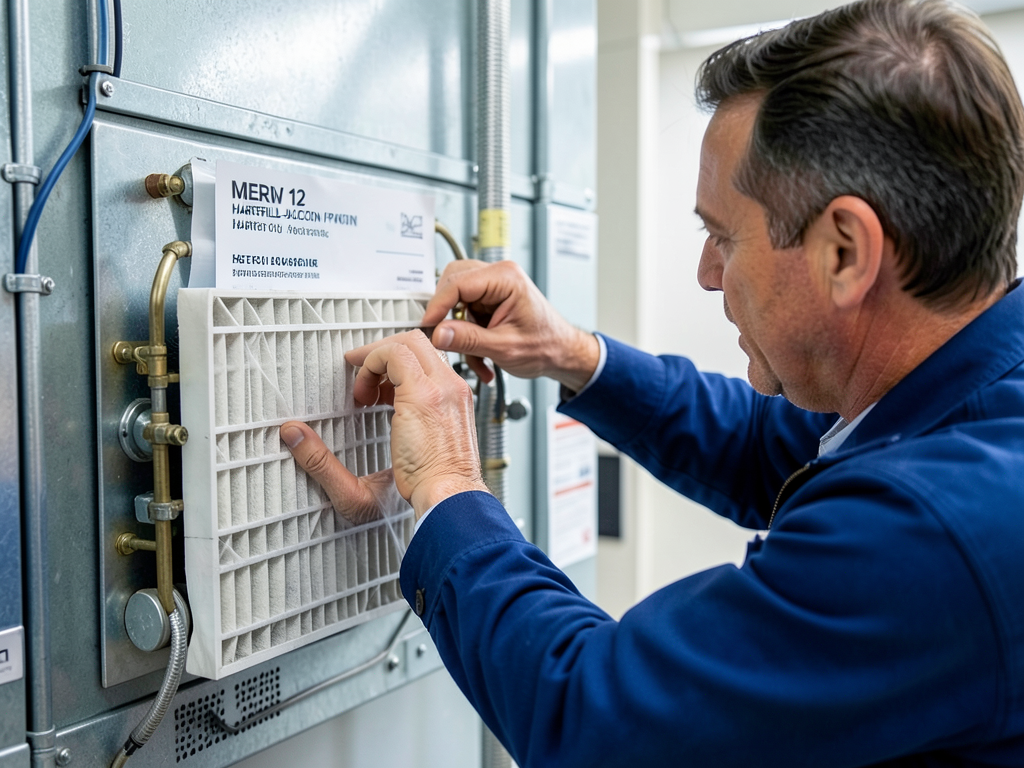
Why Standard HVAC Filters Fail Against Airport Pollution
Most residential HVAC systems come equipped with basic MERV 8 filters that capture dust pollen and larger particles. These standard filters cannot stop the ultrafine particles released by jet engines. The combustion process creates particles as small as 0.01 microns while typical MERV 8 filters only trap particles down to about 3 microns. This size gap means that 90 percent of aviation-related particulates pass directly through standard residential filtration systems.
The pressure drop across HVAC filters also becomes a critical factor. Higher-efficiency filters create more resistance to airflow which can strain residential blowers not designed for dense filtration media. When homeowners upgrade to MERV 13 filters without proper system evaluation they often experience reduced airflow frozen coils and premature system failure. The sweet spot for airport-adjacent homes requires balancing filtration efficiency with system compatibility.
Activated carbon filters offer another layer of protection against odors but have limitations. While carbon excels at trapping volatile organic compounds it cannot capture the solid particulates that make up most aviation pollution. A comprehensive solution requires multiple filtration stages working together. The first stage removes larger particles the second captures ultrafine matter and the third addresses gaseous pollutants and odors.
Recommended Filter Grades: MERV 13 vs. HEPA vs. Carbon
| Filter Type | Particle Size Captured | Odor/VOC Removal | Pressure Drop | Best For |
|---|---|---|---|---|
| MERV 13 Pleated | 0.3-1.0 microns (95%) | Minimal | Moderate | Soot and dust near airport |
| HEPA | 0.3 microns (99.97%) | None | High | Ultrafine particles only |
| Activated Carbon | N/A | Excellent | Low | Jet fuel odors and VOCs |
| MERV 16 | 0.3-1.0 microns (95%) | Minimal | High | Maximum particle capture |
For homes in College Park East Point and Hapeville the most effective approach combines MERV 13 pleated filters with activated carbon panels. This dual-stage system captures both the solid particulates from jet exhaust and the gaseous compounds that create the characteristic fuel smell. The MERV 13 layer handles the majority of soot and dust while the carbon layer neutralizes odors before they circulate through living spaces.
HEPA filtration provides the highest particle capture rate but requires significant system modifications. Standard residential HVAC units cannot accommodate true HEPA filters without upgraded blowers and modified ductwork. However standalone HEPA air purifiers placed in frequently used rooms can provide supplemental protection without taxing the main HVAC system. These portable units work well in bedrooms and living areas where people spend the most time. EPA Indoor Air Quality guidelines.
Filter replacement schedules become more critical near the airport. While standard recommendations suggest changing filters every 90 days homes in high-traffic flight paths should replace MERV 13 filters every 30-45 days. The increased particulate load causes filters to clog faster reducing both air quality and system efficiency. Setting calendar reminders for regular replacement helps maintain consistent protection against airport pollution.
The Role of Active Air Purification in Atlanta Homes
Beyond traditional filtration active air purification technologies offer additional protection against aviation emissions. Ultraviolet germicidal irradiation installed in ductwork kills airborne microorganisms and breaks down some volatile organic compounds. While UV-C light cannot capture particles it works synergistically with mechanical filtration to improve overall air quality.
Needlepoint bipolar ionization represents another advanced option for airport-adjacent homes. These systems release charged ions that attach to airborne particles causing them to clump together and fall out of the air or become large enough for standard filters to capture. The ionization process also neutralizes some odors and can reduce the viability of airborne pathogens. Installation requires professional evaluation to ensure compatibility with existing HVAC equipment.
Electronic air cleaners provide yet another approach to pollution control. These devices use electrostatic attraction to capture particles as air passes through the system. Unlike passive filters that rely on mechanical trapping electronic cleaners actively charge particles making them easier to collect. The washable collection plates require regular cleaning but eliminate the ongoing cost of disposable filters.
For comprehensive protection many Atlanta homeowners combine multiple technologies. A typical setup might include MERV 13 filtration with activated carbon bipolar ionization and a UV-C light. This layered approach addresses particles odors and microorganisms simultaneously. The initial investment pays dividends through improved health outcomes and reduced cleaning requirements as less outdoor pollution enters the home.
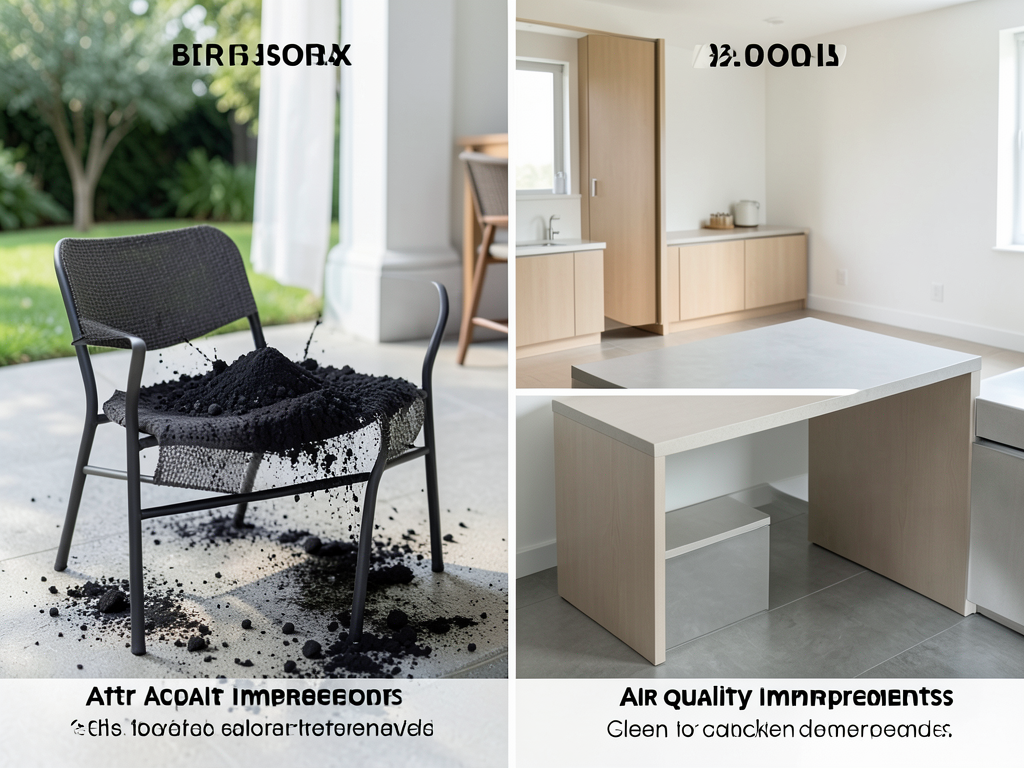
Local Case Study: Improving IAQ in College Park
A recent installation in the College Park Estates neighborhood demonstrates the effectiveness of comprehensive air quality solutions. The homeowner reported persistent jet fuel odors and visible black dust accumulation despite regular cleaning. Indoor air quality testing revealed particulate levels 2.5 times higher than EPA recommendations with elevated VOC readings during peak flight hours. Specialized HVAC Solutions for Historic Virginia-Highland Homes.
The solution involved upgrading from standard MERV 8 filters to a MERV 13 plus activated carbon system with bipolar ionization. The HVAC contractor also installed a standalone HEPA air purifier in the primary bedroom. After three months of operation particulate readings dropped by 78 percent and VOC levels normalized. The homeowner reported immediate improvement in air quality and a noticeable reduction in the characteristic fuel smell.
Energy consumption increased slightly due to the higher-efficiency filters but the difference proved minimal compared to the health benefits. The system required filter changes every six weeks instead of every three months but the improved air quality justified the additional maintenance. The investment of approximately $1,200 for equipment and installation paid for itself through reduced cleaning costs and improved quality of life. Comparing Costs for a New AC Unit in Sandy Springs.
This case represents a typical scenario for airport-adjacent neighborhoods. The combination of mechanical filtration ionization and supplemental air purification addresses the unique challenges posed by aviation emissions. Regular monitoring helps optimize system performance and filter replacement schedules based on actual pollution levels rather than generic timelines.
Maintenance Schedule Adjustments for Atlanta Residents
Living near Hartsfield-Jackson requires adjusting standard HVAC maintenance practices. The increased particulate load means filters clog faster and systems work harder to maintain airflow. Monthly visual inspections help identify when filters need replacement rather than relying on arbitrary timelines. Filters that appear dark or show visible debris require immediate replacement regardless of age. The Only HVAC Maintenance Plan Dunwoody Homeowners Actually Need.
Professional HVAC maintenance becomes more critical in airport-adjacent areas. Annual tune-ups should include airflow testing and static pressure measurements to ensure the system handles upgraded filtration without strain. Technicians can identify early signs of filter-related issues like frozen coils or reduced heating and cooling capacity. These preventive checks cost less than emergency repairs caused by neglected maintenance.
Duct cleaning frequency may need adjustment based on environmental conditions. While standard recommendations suggest cleaning every 3-5 years homes near the airport might benefit from inspection every two years. The combination of increased particulate matter and Atlanta’s humidity creates conditions where dust and debris accumulate faster in ductwork. Professional cleaning removes accumulated contaminants that bypass even high-quality filters.
Humidity control plays an unexpected role in air quality management. Atlanta’s high humidity levels combined with aviation emissions can create conditions where particulates stick to moist surfaces and become more difficult to filter. Whole-house dehumidifiers help maintain optimal humidity levels between 40-50 percent reducing the adhesion of airborne contaminants to indoor surfaces. This additional control layer improves both comfort and air quality.
Smart air quality monitors provide real-time feedback on system performance. These devices track particulate levels VOCs and humidity allowing homeowners to adjust settings based on actual conditions. Some advanced systems can automatically increase fan speeds or activate supplemental purification when pollution levels spike. This data-driven approach ensures optimal protection without unnecessary energy consumption.
Health Impacts and When to Seek Professional Help
The health effects of aviation-related air pollution extend beyond simple discomfort. Chronic exposure to ultrafine particles can cause respiratory inflammation reduced lung function and increased susceptibility to infections. Children and elderly individuals face higher risks as their respiratory systems may be more vulnerable to particulate irritation. The persistent exposure in airport-adjacent neighborhoods makes these health concerns particularly relevant for local residents.
Symptoms that indicate inadequate air quality protection include persistent coughing sneezing or throat irritation that worsens during high-traffic flight periods. Unusual fatigue or headaches that occur primarily at home may signal elevated VOC levels. Visible dust accumulation on surfaces despite regular cleaning suggests the filtration system cannot keep pace with the pollution load. These warning signs warrant professional evaluation of both HVAC equipment and indoor air quality.
Professional air quality testing provides objective data on home conditions. Certified technicians use specialized equipment to measure particulate matter VOCs and other pollutants. This testing identifies specific contaminants and their concentrations helping determine the most effective mitigation strategies. The investment in professional assessment often reveals issues that homeowners cannot detect through observation alone.
For residents experiencing health effects related to airport pollution upgrading HVAC filtration represents the most cost-effective intervention. The combination of proper filter selection system optimization and supplemental purification can dramatically improve indoor air quality. Professional installation ensures all components work together effectively without compromising system performance or energy efficiency.
Beyond filtration source control measures help reduce pollution exposure. Keeping windows closed during peak flight hours using high-quality door seals and maintaining positive indoor air pressure all limit the entry of outdoor contaminants. These simple steps complement mechanical filtration and maximize the effectiveness of air quality improvements.
Frequently Asked Questions
Will upgrading my HVAC filter void my system warranty?
Most residential HVAC warranties remain valid when upgrading to MERV 13 filters as long as the system can maintain proper airflow. However installing filters that create excessive pressure drop may cause issues. Professional evaluation ensures compatibility and maintains warranty protection.
How much does a comprehensive air quality system cost for a typical Atlanta home?
A complete system including upgraded filtration ionization and UV-C treatment typically costs between $800 and $2,500 depending on home size and existing equipment. Standalone HEPA purifiers range from $200 to $800 each. The investment varies based on specific needs and home configuration.
Can I install these upgrades myself or do I need a professional?
While basic filter replacement remains a DIY task comprehensive upgrades require professional installation. Proper system evaluation ensures compatibility and optimal performance. Incorrect installation can damage equipment reduce efficiency or create safety hazards. Professional service guarantees proper integration with existing systems.
How long until I notice improvements in air quality?
Most homeowners notice immediate improvements in odor reduction within 24-48 hours of installation. Particulate levels typically improve within the first week as the system captures accumulated contaminants. Full optimization may take 30 days as the entire home environment adjusts to the upgraded filtration.
Are there any tax credits or rebates for air quality improvements?
Some energy-efficient HVAC upgrades qualify for federal tax credits and utility rebates. However specific air quality improvements may not qualify for direct incentives. Check with local utilities and the Department of Energy for current programs. Professional contractors often know about available rebates and can help with documentation.
Take Control of Your Indoor Air Quality Today
Living near Hartsfield-Jackson doesn’t mean accepting poor indoor air quality as inevitable. The right combination of filtration ionization and professional maintenance can transform your home environment removing jet fuel odors and protecting your family from harmful particulates. College Park East Point and Hapeville residents deserve clean healthy air regardless of their proximity to the airport.
Summit HVAC Atlanta understands the unique challenges facing airport-adjacent communities. Our technicians have extensive experience with the specific pollution patterns affecting Atlanta neighborhoods and can recommend solutions tailored to your home’s needs. We provide comprehensive evaluations system upgrades and ongoing maintenance to ensure optimal performance year-round.
Don’t let aviation emissions compromise your family’s health and comfort. Contact Summit HVAC Atlanta today at (770) 600-9611 for a professional air quality assessment. Our team will evaluate your current system recommend appropriate upgrades and provide transparent pricing with no hidden fees. Experience the difference that expert HVAC service makes for homes in Atlanta’s most challenging air quality environments.
Schedule your consultation now and breathe easier tomorrow. Your family’s health deserves professional attention from technicians who understand the unique needs of Atlanta’s airport-adjacent communities. Call (770) 600-9611 or visit our website to book your appointment. Clean air isn’t a luxury it’s a necessity and Summit HVAC Atlanta delivers results you can trust. For more information, visit FAA Airport Air Quality information.
You may also find this helpful. Why Dust Keeps Coming Back in Your North Druid Hills Home Even After Cleaning.
You may also find this helpful. Solving Cooking Smells and Poor Ventilation in Your Midtown High Rise Condo.
{
“@context”: “https://schema.org”,
“@type”: “BlogPosting”,
“headline”: “Dealing with Jet Fuel Odors and Airport Dust in Your College Park Home”,
“description”: “College Park residents near Hartsfield-Jackson face unique air quality challenges. Learn how to combat jet fuel odors and ultrafine particles with advanced HVAC filtration.”,
“wordCount”: 2282,
“datePublished”: “2026-06-11T13:56:00.000Z”,
“dateModified”: “2026-06-11T13:56:00.000Z”,
“inLanguage”: “en-US”,
“mainEntityOfPage”: {
“@type”: “WebPage”,
“@id”: “https://summithvacatlanta.com”
},
“publisher”: {
“@type”: “LocalBusiness”,
“name”: “Summit HVAC Atlanta”,
“url”: “https://summithvacatlanta.com”
},
“author”: {
“@type”: “Organization”,
“name”: “Summit HVAC Atlanta”,
“url”: “https://summithvacatlanta.com”
},
“image”: {
“@type”: “ImageObject”,
“url”: “https://summithvacatlanta.com/wp-content/uploads/2026/03/dealing-with-jet-fuel-odors-and-airport-dust-in-yo-1.png”
}
}
{
“@context”: “https://schema.org”,
“@type”: “HVACBusiness”,
“name”: “Summit HVAC Atlanta”,
“url”: “https://summithvacatlanta.com”,
“address”: {
“@type”: “PostalAddress”,
“addressLocality”: “Atlanta”
},
“areaServed”: {
“@type”: “City”,
“name”: “Atlanta”
}
}
{
“@context”: “https://schema.org”,
“@type”: “FAQPage”,
“mainEntity”: [
{
“@type”: “Question”,
“name”: “Will upgrading my HVAC filter void my system warranty?”,
“acceptedAnswer”: {
“@type”: “Answer”,
“text”: “Most residential HVAC warranties remain valid when upgrading to MERV 13 filters as long as the system can maintain proper airflow. However installing filters that create excessive pressure drop may cause issues. Professional evaluation ensures compatibility and maintains warranty protection.”
}
},
{
“@type”: “Question”,
“name”: “How much does a comprehensive air quality system cost for a typical Atlanta home?”,
“acceptedAnswer”: {
“@type”: “Answer”,
“text”: “A complete system including upgraded filtration ionization and UV-C treatment typically costs between $800 and $2,500 depending on home size and existing equipment. Standalone HEPA purifiers range from $200 to $800 each. The investment varies based on specific needs and home configuration.”
}
},
{
“@type”: “Question”,
“name”: “Can I install these upgrades myself or do I need a professional?”,
“acceptedAnswer”: {
“@type”: “Answer”,
“text”: “While basic filter replacement remains a DIY task comprehensive upgrades require professional installation. Proper system evaluation ensures compatibility and optimal performance. Incorrect installation can damage equipment reduce efficiency or create safety hazards. Professional service guarantees proper integration with existing systems.”
}
},
{
“@type”: “Question”,
“name”: “How long until I notice improvements in air quality?”,
“acceptedAnswer”: {
“@type”: “Answer”,
“text”: “Most homeowners notice immediate improvements in odor reduction within 24-48 hours of installation. Particulate levels typically improve within the first week as the system captures accumulated contaminants. Full optimization may take 30 days as the entire home environment adjusts to the upgraded filtration.”
}
},
{
“@type”: “Question”,
“name”: “Are there any tax credits or rebates for air quality improvements?”,
“acceptedAnswer”: {
“@type”: “Answer”,
“text”: “Some energy-efficient HVAC upgrades qualify for federal tax credits and utility rebates. However specific air quality improvements may not qualify for direct incentives. Check with local utilities and the Department of Energy for current programs. Professional contractors often know about available rebates and can help with documentation.”
}
}
]
}
{
“@context”: “https://schema.org”,
“@type”: “BreadcrumbList”,
“itemListElement”: [
{
“@type”: “ListItem”,
“position”: 1,
“name”: “Home”,
“item”: “https://summithvacatlanta.com”
},
{
“@type”: “ListItem”,
“position”: 2,
“name”: “Blog”,
“item”: “https://summithvacatlanta.com/blog”
},
{
“@type”: “ListItem”,
“position”: 3,
“name”: “Dealing with Jet Fuel Odors and Airport Dust in Your College Park Home”
}
]
}
{
“@context”: “https://schema.org”,
“@type”: “Service”,
“serviceType”: “HVAC”,
“provider”: {
“@type”: “LocalBusiness”,
“name”: “Summit HVAC Atlanta”,
“url”: “https://summithvacatlanta.com”
},
“areaServed”: {
“@type”: “City”,
“name”: “Atlanta”
},
“description”: “College Park residents near Hartsfield-Jackson face unique air quality challenges. Learn how to combat jet fuel odors and ultrafine particles with advanced HVAC filtration.”
}