
Everything You Need to Know About Zoned Cooling for Old Fourth Ward Lofts
Living in a loft in Atlanta’s Old Fourth Ward means enjoying unique architecture and vibrant city life. However many loft owners face a common challenge. The temperature upstairs feels like a sauna while downstairs stays cool and comfortable. This is where zoned cooling systems become essential.
Old Fourth Ward lofts often feature open floor plans high ceilings and multi-level designs that create natural airflow problems. The upper levels trap heat while lower levels stay cooler. This temperature imbalance makes traditional single-thermostat systems inefficient and uncomfortable.
Zoned cooling divides your home into separate temperature areas. Each zone has its own thermostat and control system. This allows you to cool different areas independently based on your needs and occupancy patterns. EPA indoor air quality information.
Why does this matter in Old Fourth Ward? The neighborhood features a mix of converted warehouses historic buildings and modern loft developments. Many of these structures have unique architectural challenges that standard HVAC systems cannot address effectively.. Read more about Navigating HVAC Challenges for High Rise Condo Owners in Atlantic Station.
Georgia’s hot humid summers make temperature control even more critical. The combination of Atlanta heat and loft design creates perfect conditions for uneven cooling. A zoned system provides the solution you need for year-round comfort.
How Zoned Cooling Systems Work
Zoned cooling systems use motorized dampers installed in your ductwork. These dampers open and close automatically based on thermostat signals. When a zone needs cooling the damper opens to allow conditioned air to flow. When cooling is not needed the damper closes to prevent energy waste.
Each zone has its own thermostat. This means the upstairs bedroom can stay cool while the downstairs living area maintains a different temperature. The system uses a central control panel to coordinate all zone operations.
Modern zoned systems integrate with smart home technology. You can control temperatures from your smartphone adjust schedules and monitor energy usage. Some systems even learn your preferences over time.
The key components include zone dampers thermostats control panels and bypass dampers. Bypass dampers prevent pressure buildup when some zones close their dampers. This protects your HVAC system from damage.
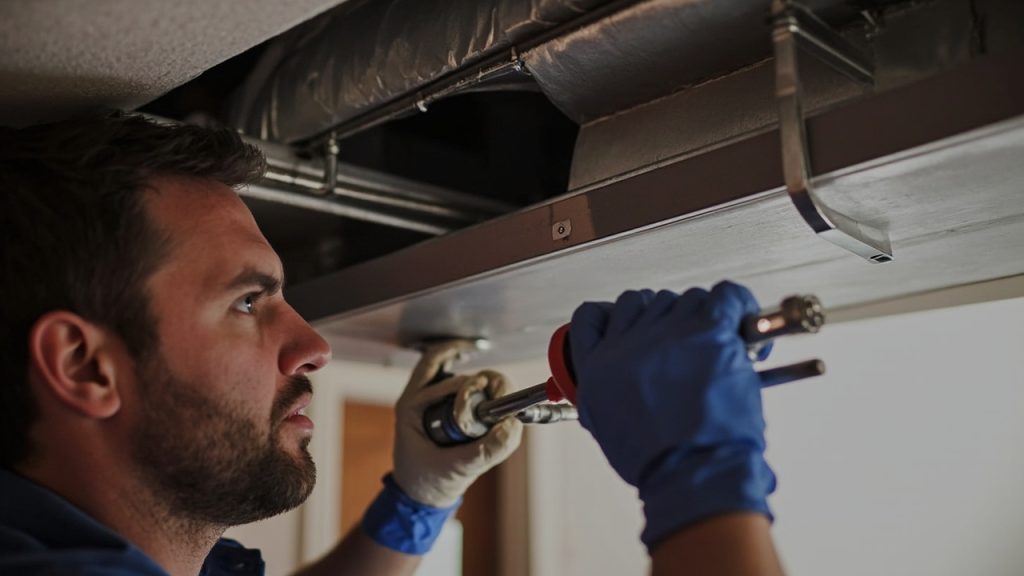
Installation requires professional expertise. The technician must evaluate your existing ductwork determine optimal zone placement and program the control system. Proper design ensures efficient operation and maximum comfort.
Benefits of Zoned Cooling for Old Fourth Ward Lofts
Energy savings represent the biggest advantage. You only cool the areas you use. This can reduce your energy bills by up to 30 percent compared to traditional systems. In Atlanta where cooling costs are high this savings adds up quickly. Comparing Costs for a New AC Unit in Sandy Springs.
Customized comfort is another major benefit. Different family members have different temperature preferences. With zoned cooling everyone gets their ideal comfort level. The home office can stay cool for daytime work while bedrooms remain warmer at night.
Multi-level lofts benefit most from zoning. Heat naturally rises creating temperature differences of 8 to 12 degrees between floors. A zoned system eliminates these uncomfortable variations.
Humidity control improves with zoning. Atlanta’s humidity makes comfort difficult to achieve. Zoned systems run longer cycles at lower speeds. This removes more moisture from the air and creates a more comfortable environment.
System longevity increases with zoning. Instead of cooling the entire home the system only conditions occupied zones. This reduces wear and tear on equipment and extends system life.
Property value can increase with zoned systems. Energy-efficient upgrades appeal to buyers. A zoned system demonstrates thoughtful home improvement and modern comfort features.
Old Fourth Ward Specific Considerations
Old Fourth Ward features diverse architecture. Converted warehouses have large open spaces and exposed ductwork. Historic buildings may have limited space for new equipment. Modern lofts often feature high ceilings and large windows.
The neighborhood’s proximity to the Beltline means many lofts experience afternoon sun exposure. South and west-facing windows create significant heat gain. Zoning allows you to compensate for these solar effects.
Many Old Fourth Ward buildings have limited attic space. This affects where equipment can be installed. Professional installers must work within these constraints to create effective zoning solutions. Specialized HVAC Solutions for Historic Virginia-Highland Homes.
The area’s historic character means some buildings have restrictions on exterior modifications. Zoning systems can often be installed with minimal visible changes to the building’s appearance.
Local building codes in Fulton County require proper permits for HVAC modifications. Professional installation ensures compliance with all regulations. This protects your investment and maintains property value.
Nearby neighborhoods like Inman Park and Grant Park face similar challenges. The architectural patterns extend throughout this part of Atlanta creating consistent zoning needs.
Installation Process and Timeline
Professional assessment begins the process. The technician evaluates your current system ductwork and home layout. They identify optimal zone boundaries and equipment requirements.
Design planning follows assessment. The installer creates a detailed plan showing damper locations thermostat placement and control panel positioning. This plan ensures efficient operation and meets building codes.
Installation typically takes two to three days for existing homes. New construction can integrate zoning during initial building phases. The timeline depends on your home’s complexity and existing system condition.
Day one involves equipment installation and damper placement. Technicians access ductwork through existing vents or create new access points. They install zone dampers and connect control wiring.
Day two focuses on thermostat installation and system programming. The control panel gets mounted in an accessible location. Thermostats install in each zone and connect to the central system.
Testing and calibration complete the process. Technicians verify proper damper operation check airflow and program temperature settings. They also train you on system operation and maintenance. The Only HVAC Maintenance Plan Dunwoody Homeowners Actually Need.
Post-installation support ensures everything works correctly. Most installers provide follow-up visits to address any issues. They also explain warranty coverage and maintenance requirements.
Cost Factors for Zoned Systems
Several factors influence zoned system costs. Your home’s size determines the number of zones needed. Larger homes require more dampers and thermostats increasing overall cost.
Existing ductwork condition affects pricing. Damaged or poorly designed ducts need repair or replacement before zoning installation. This adds to the total investment but ensures system efficiency.
The number of zones directly impacts cost. A two-zone system costs less than a four-zone system. However the comfort improvement often justifies the additional investment.
Equipment quality varies significantly. High-efficiency variable-speed systems cost more upfront but save money long-term through reduced energy bills. The right balance depends on your budget and priorities. Improving the Air Quality in Your Brookhaven Home During Pollen Season.
Smart thermostat features add functionality but increase cost. Basic zoning works without smart features. However the convenience and energy monitoring capabilities often provide good value.
Professional installation quality matters. Experienced installers ensure proper system design and efficient operation. This prevents costly problems and maximizes your investment return.
Energy savings offset installation costs over time. Most homeowners recover their investment through reduced utility bills within three to five years. This makes zoning a smart long-term investment.
Maintenance Requirements
Zoned systems need regular maintenance like any HVAC equipment. However the maintenance tasks differ slightly from traditional systems. Understanding these requirements helps you protect your investment.
Dampers require periodic inspection. Dust and debris can interfere with damper operation. Annual cleaning ensures smooth movement and proper sealing. Technicians check damper motors and control wiring during maintenance visits.
Thermostats need occasional calibration. Smart thermostats update automatically but battery-powered units need battery replacement. Proper thermostat function ensures accurate temperature control.
Air filters affect system performance. Dirty filters reduce airflow and strain equipment. Change filters every one to three months depending on your home’s dust levels and occupancy.
Control panel connections require inspection. Loose wiring can cause system malfunctions. Professional technicians check all electrical connections and tighten any that have loosened over time.
Bypass dampers need occasional adjustment. These components prevent pressure buildup when zones close. Proper adjustment ensures system efficiency and protects equipment.
Seasonal tune-ups maintain system efficiency. Spring and fall maintenance prepares your system for peak cooling and heating seasons. This prevents breakdowns during extreme weather.
Zone-specific issues may arise. A zone that stays too hot or cold might need damper adjustment or thermostat recalibration. Quick professional attention prevents minor issues from becoming major problems.
Energy Efficiency and Environmental Impact
Zoned systems significantly reduce energy consumption. By only conditioning occupied spaces you eliminate waste. This directly translates to lower utility bills and reduced environmental impact.
Atlanta’s energy rates make efficiency particularly important. Georgia Power charges higher rates during peak summer months. Zoning reduces your peak usage helping you avoid these expensive periods.
Variable-speed equipment enhances efficiency. Modern zoned systems often pair with variable-speed compressors. These units adjust their output to match actual cooling needs rather than cycling on and off.
Smart controls optimize energy usage. Programmable thermostats learn your schedule and adjust automatically. They can also integrate with utility company programs that offer incentives for reduced usage during peak times.
Environmental benefits extend beyond energy savings. Reduced energy consumption means lower carbon emissions. Many zoned systems use environmentally friendly refrigerants that minimize ozone depletion.
Indoor air quality improves with zoning. Longer run times at lower speeds filter air more effectively. This removes more allergens and pollutants from your home’s air.
Future energy codes increasingly favor zoned systems. Building regulations continue to emphasize efficiency. Installing zoned cooling now prepares your home for future requirements.
Comparing Zoning Options
Several zoning approaches exist for different situations. Understanding these options helps you choose the best solution for your Old Fourth Ward loft.
Traditional ducted zoning works well for homes with existing ductwork. This approach adds dampers and controls to your current system. It provides comprehensive zoning at a reasonable cost.
Ductless mini-split systems offer an alternative. These units cool individual rooms without ductwork. They work well for additions or homes where duct installation is impractical.
High-velocity systems suit historic buildings. These systems use small flexible ducts that fit in tight spaces. They provide effective cooling without major structural modifications.
Hybrid systems combine approaches. You might use ducted zoning for most of your home and ductless units for problem areas. This flexibility addresses unique architectural challenges.
Smart zoning integrates with home automation. These systems learn your patterns and adjust automatically. They can also respond to weather forecasts and utility pricing signals.
Basic zoning provides essential functionality. Simple systems use standard thermostats and manual controls. While less sophisticated they still provide significant comfort improvements.
Cost varies by approach. Traditional ducted zoning typically costs less than ductless systems. However ductless units often provide better efficiency and easier installation in challenging spaces.
Local Rebates and Incentives
Several programs help offset zoned system costs in Atlanta. Georgia Power offers rebates for high-efficiency HVAC equipment. These rebates can reduce your installation costs by several hundred dollars.
Federal tax credits apply to qualifying high-efficiency systems. The Inflation Reduction Act extended these credits through 2032. You can claim up to 30 percent of installation costs with maximum credits of $2000.
Local utility programs vary by provider. Atlanta Gas Light customers may qualify for additional incentives. Check with your specific utility company for current offers.
Manufacturer rebates provide seasonal savings. Carrier Trane and other major brands offer promotional rebates during spring and fall. These can significantly reduce your upfront costs.
Energy efficiency programs through utilities often include free energy audits. These audits identify opportunities for improvement. They may recommend zoning as part of a comprehensive efficiency plan.
Non-profit organizations sometimes offer weatherization assistance. Low-income homeowners may qualify for free or reduced-cost efficiency upgrades including zoning systems.
Timing your purchase strategically maximizes savings. Many rebates align with peak installation seasons. Plan your project during these periods to take advantage of all available incentives.
Choosing the Right Contractor
Selecting the right contractor ensures successful zoning installation. Look for specific qualifications and experience with your home type.
NATE certification indicates technical expertise. This certification requires passing rigorous exams on HVAC systems. Certified technicians understand complex zoning designs and proper installation techniques.
Local experience matters significantly. Contractors familiar with Old Fourth Ward understand the unique challenges of loft conversions and historic buildings. They know which approaches work best in your area.
Proper licensing protects you. Georgia requires HVAC contractors to hold specific licenses. Verify your contractor’s license through the Georgia Secretary of State website.
Insurance coverage is essential. Contractors should carry both liability and workers’ compensation insurance. This protects you from liability if accidents occur during installation.
References reveal contractor quality. Ask for recent references from similar projects. Contact these references to learn about their experience and satisfaction with the work.
Detailed proposals prevent surprises. Your contractor should provide written estimates showing equipment specifications and installation details. This documentation helps you compare options fairly.
Warranty coverage varies by contractor. Ask about both equipment and labor warranties. Longer warranties often indicate contractor confidence in their work quality.
Communication skills matter. Your contractor should explain options clearly and answer questions patiently. Good communication prevents misunderstandings and ensures your satisfaction.
Common Zoning Problems and Solutions
Even well-designed systems can develop issues. Understanding common problems helps you identify and address them quickly.
Temperature inconsistencies often indicate damper problems. A zone that stays too hot or cold might have a stuck damper. Professional cleaning or replacement usually resolves this issue.
Thermostat malfunctions create comfort problems. Batteries die calibration drifts or wiring fails. Regular maintenance catches these issues before they become major problems.
Control panel failures affect entire systems. The central controller coordinates all zone operations. When it fails zones may not respond properly or may operate erratically.
Airflow imbalances cause uneven cooling. Some zones may receive too much air while others get too little. Professional adjustment of dampers and registers corrects these imbalances.
Zone coordination problems create conflicts. Multiple zones calling for cooling simultaneously can overwhelm the system. Proper control programming prevents these conflicts.
Humidity control issues affect comfort. Zoning systems must balance temperature and humidity control. Improper settings can leave your home feeling clammy or too dry.
Noise complaints sometimes arise. Dampers opening and closing can create clicking sounds. Proper installation minimizes these noises but some sound is normal.
Zone isolation failures prevent proper operation. If zones cannot maintain separate temperatures the system loses its efficiency advantage. Professional diagnosis identifies the cause.
Future Trends in Zoning Technology
Zoning technology continues to evolve. New developments promise even greater comfort and efficiency for Old Fourth Ward homeowners.
Artificial intelligence integration enhances system intelligence. AI systems learn your patterns and preferences automatically. They can predict your needs and adjust settings proactively.
Voice control capabilities expand. Integration with Amazon Alexa Google Assistant and other platforms allows hands-free temperature control. This convenience appeals to many homeowners.
Energy monitoring becomes more sophisticated. Advanced systems track usage patterns and identify waste opportunities. They can suggest adjustments that save money without sacrificing comfort.
Remote diagnostics improve service efficiency. Technicians can often identify problems before visiting your home. This reduces service calls and speeds repairs.
Integration with renewable energy systems grows. Zoning can optimize the use of solar power and other renewables. This maximizes environmental benefits and reduces utility costs.
Health monitoring capabilities expand. Some systems now track indoor air quality and adjust operation accordingly. They can increase ventilation when pollutants rise or during illness outbreaks.
Predictive maintenance becomes standard. Systems monitor their own performance and predict failures before they occur. This prevents breakdowns and extends equipment life.
Frequently Asked Questions
Can I add zoning to my existing HVAC system?
Yes most existing systems can be retrofitted with zoning. The feasibility depends on your ductwork condition and system capacity. A professional assessment determines your options.
How many zones does my loft need?
Most lofts benefit from two to four zones. Common configurations include separate zones for upstairs downstairs and any bonus rooms. Your specific layout determines the optimal number.
Will zoning increase my home’s value?
Yes zoned systems appeal to buyers seeking energy efficiency and comfort. They demonstrate thoughtful home improvement and can differentiate your property in the market.
How long do zoned systems last?
With proper maintenance zoned systems last 15 to 20 years. Individual components like thermostats may need replacement sooner. Regular service extends system life significantly.
Can I install zoning myself?
Professional installation is strongly recommended. Zoning requires electrical work ductwork modification and system programming. DIY installation can void warranties and create safety hazards.
What maintenance does zoning require?
Annual professional maintenance plus regular filter changes keeps your system running efficiently. Dampers may need occasional cleaning and thermostats require periodic calibration.
How much can I save on energy bills?
Most homeowners save 20 to 30 percent on cooling costs with zoning. Savings depend on your usage patterns and the extent of temperature imbalances in your current system.
Does zoning work with all HVAC brands?
Most major brands support zoning. However some high-efficiency systems integrate better with zoning controls. Your contractor can recommend compatible equipment for your needs.
Making Your Decision
Zoned cooling offers compelling benefits for Old Fourth Ward lofts. The combination of energy savings customized comfort and improved humidity control addresses the specific challenges these homes face.
Consider your priorities when making decisions. If energy costs concern you zoning provides significant savings. If comfort matters most zoning eliminates temperature variations throughout your home.
Professional assessment helps you understand your options. A qualified contractor can evaluate your current system identify zoning opportunities and provide detailed recommendations.
Budget planning ensures you make informed decisions. While zoning requires upfront investment the long-term savings and comfort improvements often justify the cost. Explore financing options and available rebates to make the investment more manageable.
Timing matters for installation. Spring and fall offer ideal conditions for HVAC work. Plan your project during these seasons to minimize disruption and take advantage of off-season pricing.
Your Old Fourth Ward loft deserves the best comfort solution available. Zoned cooling provides the efficiency and customization you need to enjoy your unique home year-round.
Ready to explore zoned cooling for your loft? Call Summit HVAC Atlanta at (770) 600-9611 today. Our experienced technicians understand Old Fourth Ward’s unique challenges and can design the perfect zoning solution for your home.
Don’t let another summer pass with uncomfortable upstairs temperatures. Take control of your home’s comfort with professional zoned cooling installation. Your loft will thank you with lower energy bills and year-round comfort. For more information, visit Energy.gov central air conditioning guide.
{
“@context”: “https://schema.org”,
“@type”: “BlogPosting”,
“headline”: “Everything You Need to Know About Zoned Cooling for Old Fourth Ward Lofts”,
“description”: “Learn how zoned HVAC systems solve uneven cooling in Old Fourth Ward lofts. Expert guide for Atlanta’s historic and modern multi-level homes.”,
“wordCount”: 3050,
“datePublished”: “2026-03-10T08:38:00.000Z”,
“dateModified”: “2026-03-10T08:38:00.000Z”,
“inLanguage”: “en-US”,
“mainEntityOfPage”: {
“@type”: “WebPage”,
“@id”: “https://summithvacatlanta.com”
},
“publisher”: {
“@type”: “LocalBusiness”,
“name”: “Summit HVAC Atlanta”,
“url”: “https://summithvacatlanta.com”
},
“author”: {
“@type”: “Organization”,
“name”: “Summit HVAC Atlanta”,
“url”: “https://summithvacatlanta.com”
},
“image”: {
“@type”: “ImageObject”,
“url”: “https://summithvacatlanta.com/wp-content/uploads/2026/03/everything-you-need-to-know-about-zoned-cooling-fo-1.jpg”
}
}
{
“@context”: “https://schema.org”,
“@type”: “HVACBusiness”,
“name”: “Summit HVAC Atlanta”,
“url”: “https://summithvacatlanta.com”,
“address”: {
“@type”: “PostalAddress”,
“addressLocality”: “Atlanta”
},
“areaServed”: {
“@type”: “City”,
“name”: “Atlanta”
}
}
{
“@context”: “https://schema.org”,
“@type”: “FAQPage”,
“mainEntity”: [
{
“@type”: “Question”,
“name”: “Can I add zoning to my existing HVAC system?”,
“acceptedAnswer”: {
“@type”: “Answer”,
“text”: “Yes most existing systems can be retrofitted with zoning. The feasibility depends on your ductwork condition and system capacity. A professional assessment determines your options.”
}
},
{
“@type”: “Question”,
“name”: “How many zones does my loft need?”,
“acceptedAnswer”: {
“@type”: “Answer”,
“text”: “Most lofts benefit from two to four zones. Common configurations include separate zones for upstairs downstairs and any bonus rooms. Your specific layout determines the optimal number.”
}
},
{
“@type”: “Question”,
“name”: “Will zoning increase my home’s value?”,
“acceptedAnswer”: {
“@type”: “Answer”,
“text”: “Yes zoned systems appeal to buyers seeking energy efficiency and comfort. They demonstrate thoughtful home improvement and can differentiate your property in the market.”
}
},
{
“@type”: “Question”,
“name”: “How long do zoned systems last?”,
“acceptedAnswer”: {
“@type”: “Answer”,
“text”: “With proper maintenance zoned systems last 15 to 20 years. Individual components like thermostats may need replacement sooner. Regular service extends system life significantly.”
}
},
{
“@type”: “Question”,
“name”: “Can I install zoning myself?”,
“acceptedAnswer”: {
“@type”: “Answer”,
“text”: “Professional installation is strongly recommended. Zoning requires electrical work ductwork modification and system programming. DIY installation can void warranties and create safety hazards.”
}
},
{
“@type”: “Question”,
“name”: “What maintenance does zoning require?”,
“acceptedAnswer”: {
“@type”: “Answer”,
“text”: “Annual professional maintenance plus regular filter changes keeps your system running efficiently. Dampers may need occasional cleaning and thermostats require periodic calibration.”
}
},
{
“@type”: “Question”,
“name”: “How much can I save on energy bills?”,
“acceptedAnswer”: {
“@type”: “Answer”,
“text”: “Most homeowners save 20 to 30 percent on cooling costs with zoning. Savings depend on your usage patterns and the extent of temperature imbalances in your current system.”
}
},
{
“@type”: “Question”,
“name”: “Does zoning work with all HVAC brands?”,
“acceptedAnswer”: {
“@type”: “Answer”,
“text”: “Most major brands support zoning. However some high-efficiency systems integrate better with zoning controls. Your contractor can recommend compatible equipment for your needs.”
}
}
]
}
{
“@context”: “https://schema.org”,
“@type”: “BreadcrumbList”,
“itemListElement”: [
{
“@type”: “ListItem”,
“position”: 1,
“name”: “Home”,
“item”: “https://summithvacatlanta.com”
},
{
“@type”: “ListItem”,
“position”: 2,
“name”: “Blog”,
“item”: “https://summithvacatlanta.com/blog”
},
{
“@type”: “ListItem”,
“position”: 3,
“name”: “Everything You Need to Know About Zoned Cooling for Old Fourth Ward Lofts”
}
]
}
{
“@context”: “https://schema.org”,
“@type”: “Service”,
“serviceType”: “HVAC”,
“provider”: {
“@type”: “LocalBusiness”,
“name”: “Summit HVAC Atlanta”,
“url”: “https://summithvacatlanta.com”
},
“areaServed”: {
“@type”: “City”,
“name”: “Atlanta”
},
“description”: “Learn how zoned HVAC systems solve uneven cooling in Old Fourth Ward lofts. Expert guide for Atlanta’s historic and modern multi-level homes.”
}