
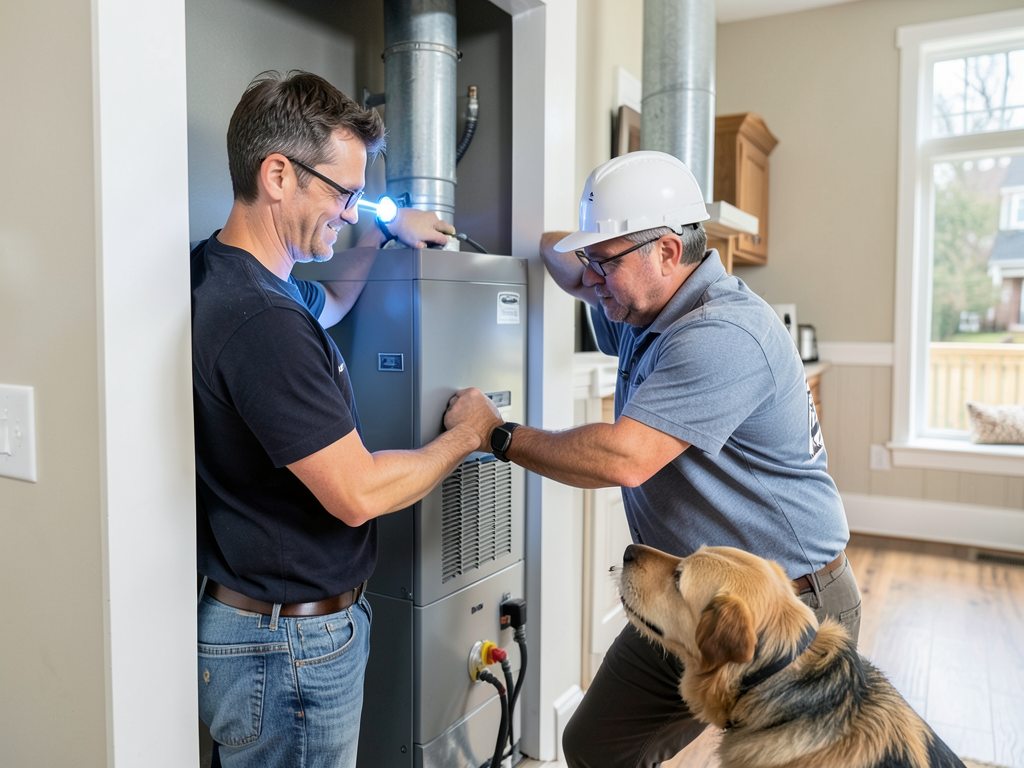
Keeping your Piedmont Heights home smelling fresh even with multiple pets
Pet odors can quickly overwhelm a home especially in Atlanta’s humid climate. Your HVAC system either helps or hurts the situation. When you have multiple pets in Piedmont Heights the system circulates dander fur and odor molecules through every room. That ‘wet dog’ smell after rain or the ammonia scent from litter boxes does not stay contained. It spreads through your ductwork and settles into carpets and furniture.
The problem is not just the pets. Atlanta’s summer humidity creates the perfect environment for odor-causing bacteria and mold to grow inside your HVAC components. Your evaporator coils and ductwork trap pet hair and dander. Over time these particles break down and release volatile organic compounds into your indoor air. The result is a persistent smell that cleaning alone cannot fix.
Understanding how pet odors interact with your HVAC system is the first step to solving the problem. Your system moves air constantly. When that air carries pet-related particles it deposits them on every surface it touches. The solution requires both cleaning those surfaces and preventing future buildup.
Why Your HVAC System Smells Like ‘Wet Dog’ or Ammonia
Pet odors in your HVAC system come from several sources. Dog fur and skin cells create dander that floats through the air. Cats produce finer dander that settles deeper into fabrics. Both types of dander contain proteins that break down and release odors over time. When humidity rises these odors become more noticeable.
Urine accidents near vents or in carpets release ammonia compounds. These compounds evaporate and get pulled into your HVAC system. Once inside they coat your evaporator coils and ductwork. The coils stay damp from normal operation which allows bacteria to grow on the urine residue.
Pet hair causes another problem. When it gets sucked into your return vents it can wrap around blower motor shafts and fan blades. This creates friction that generates heat. The heat can cause pet oils to cook onto components creating a burnt hair smell that circulates whenever the system runs.
Atlanta’s climate makes these problems worse. Summer humidity keeps your evaporator coils wet for longer periods. This extended moisture time allows more microbial growth. When you combine Atlanta’s high pollen counts with pet dander you get a mixture that clogs filters faster and reduces system efficiency.
The Role of Pet Dander and Fur in Airflow Restriction
Pet dander is microscopic. A single cat can produce up to 2 milligrams of dander per day. Dog dander production varies by breed but even short-haired dogs create significant amounts. When this dander mixes with fur it creates clusters that your HVAC filter must catch.
Standard one-inch filters catch larger particles but allow most dander through. This means dander builds up on your evaporator coils and inside your ductwork. As buildup increases your system must work harder to move air. This creates hot and cold spots in your Piedmont Heights home and raises your energy bills.
Fur presents an even bigger airflow problem. When pets shed heavily the fur can completely block return vents. This forces your system to pull air through other paths often bringing in dusty air from attics or crawl spaces. The result is dirty air being distributed throughout your home.
The solution starts with understanding your filter’s limitations. Most standard filters are rated MERV 6 to MERV 8. These catch dust and larger particles but miss most pet dander. Upgrading to MERV 11 or MERV 13 filters catches more dander but also restricts airflow more. Finding the right balance is critical for homes with multiple pets.
5 Professional Solutions to Neutralize Pet Odors Permanently
Solving pet odor problems requires addressing both the symptoms and the sources. Professional HVAC solutions target the specific ways pet-related particles affect your system. These solutions work together to create lasting results rather than temporary fixes. Specialized HVAC Solutions for Historic Virginia-Highland Homes.
High-Efficiency Air Filters (MERV 11-13)
Upgrading your air filter is the first and most important step. MERV 11 filters catch 85% of particles between 3 and 10 microns. MERV 13 filters catch 90% of particles between 1 and 3 microns. Pet dander ranges from 2.5 to 10 microns so these higher-rated filters make a significant difference.
However higher MERV ratings mean more airflow restriction. Your HVAC system was designed for specific filter resistance. Installing a MERV 13 filter in a system designed for MERV 8 can reduce airflow enough to cause system damage. A professional HVAC technician can test your system and recommend the highest safe MERV rating.
Pet owners should replace filters more frequently than the standard 90-day recommendation. In multi-pet homes with shedding breeds filters should be replaced every 30 to 60 days. This prevents the filter from becoming clogged and maintains proper airflow.
Consider pleated filters with activated carbon layers. These combine particle filtration with odor absorption. The carbon layer traps volatile organic compounds before they can circulate through your home. This is especially effective for ammonia odors from litter boxes or pet accidents.
UV-C Light Installation for Biological Odor Control
UV-C light kills bacteria mold and viruses that grow on your evaporator coils. These lights install inside your air handler where they shine on the coil surface. The UV-C wavelength destroys the DNA of microorganisms preventing them from reproducing.
For pet owners UV-C lights serve two purposes. First they kill the bacteria that feed on pet dander and oils creating odors. Second they prevent mold growth that can be triggered by the constant moisture on your coils. This is particularly important in Atlanta’s humid climate.
UV-C lights come in different configurations. Some install directly above the coil. Others install in the return air duct to treat air before it reaches the coil. The most effective systems combine both approaches for complete coverage.
Professional installation is critical for UV-C systems. The lights must be positioned correctly to cover all coil surfaces. They also require electrical connections that meet safety codes. A certified HVAC technician can install these systems and verify they are working properly.
Whole-Home Air Scrubbers and Ionizers
Air scrubbers use photocatalytic oxidation to break down odor molecules. These devices install in your ductwork and create hydrogen peroxide molecules that neutralize contaminants. They are particularly effective for pet odors because they break down the actual odor-causing compounds rather than just trapping them.
Bipolar ionization is another technology that works well for pet owners. These devices release both positive and negative ions into your air stream. The ions attach to particles causing them to clump together. This makes them large enough for your filter to catch and also neutralizes many odor molecules.
Some air scrubbers combine multiple technologies. They might include UV-C lights activated carbon filters and ionization in a single unit. These comprehensive systems provide the best odor control for homes with multiple pets.
Installation requires professional expertise. These devices must be sized correctly for your system capacity. Too much ionization can create ozone which is harmful to breathe. A qualified technician ensures your system provides benefits without creating new problems.
The Atlanta Humidity Connection: Why Odors Get Worse in Summer
Atlanta’s humidity averages 70% to 80% during summer months. This high moisture level affects how pet odors behave in your home. Water vapor in the air carries odor molecules more effectively than dry air. This means smells that were barely noticeable in winter become overpowering in July.
Humidity also affects your HVAC system’s ability to control odors. Your evaporator coils work by condensing moisture from the air. In high humidity they stay wet constantly. This creates ideal conditions for mold and bacteria growth on any organic material including pet dander.
The problem compounds because Atlanta’s heat means your AC runs more frequently. More run time means more air circulation. This distributes pet odors more widely through your home. It also means your filter has more opportunities to become clogged with pet-related particles.
Dehumidification becomes critical for pet owners in Atlanta. Standard AC units remove some moisture but may not keep up with Atlanta’s humidity levels. Whole-home dehumidifiers can maintain relative humidity between 40% and 50%. This range is low enough to prevent mold growth but high enough to avoid static electricity problems.
Consider how your home’s construction affects humidity. Older homes in Piedmont Heights often have less insulation and more air leaks. This allows humid outdoor air to enter continuously. Professional air sealing and insulation improvements can reduce the humidity load on your HVAC system.
DIY vs. Professional HVAC Duct Cleaning for Pet Owners
Many homeowners try DIY duct cleaning with shop vacuums and brushes. While this removes some surface dust it cannot address the deep contamination in your ductwork. Professional duct cleaning uses negative air pressure and specialized brushes to remove debris from every surface.
For pet owners the difference is significant. Professional cleaning removes the accumulated dander fur and oils that DIY methods miss. It also includes sanitizing treatments that kill bacteria and mold. This is particularly important if you can smell odors coming from your vents.
The National Air Duct Cleaners Association recommends duct cleaning every 3 to 5 years for typical homes. For homes with multiple pets this should be every 2 to 3 years. If anyone in your home has allergies or asthma consider annual cleaning.
Professional cleaning also includes inspection of your duct system. Technicians can identify leaks disconnected sections or damage that allows contaminants to enter. They can also recommend sealing options that prevent future contamination.
DIY cleaning has some value for maintenance between professional services. You can remove vent covers and vacuum accessible areas. However avoid using harsh chemicals or excessive moisture which can damage duct materials or create new odor problems. The Only HVAC Maintenance Plan Dunwoody Homeowners Actually Need.
Maintenance Checklist for Pet-Friendly Households in Atlanta
Regular maintenance prevents odor problems from developing. Create a schedule that addresses the specific challenges of pet ownership in Atlanta’s climate. This proactive approach saves money and keeps your home smelling fresh.
Monthly tasks should include checking and replacing air filters. Mark your calendar for the first of each month. Keep spare filters on hand so you are never caught without a replacement. Consider setting up automatic deliveries from online retailers.
Every three months clean your return vent covers. Remove them and wash with warm soapy water. This prevents the buildup of pet hair and dust that can restrict airflow. While covers are off vacuum the visible portion of the duct opening.
Twice yearly schedule professional HVAC maintenance. Spring maintenance prepares your system for Atlanta’s long cooling season. Fall maintenance ensures your heating system is ready for occasional cold snaps. During these visits ask your technician to check for pet-related issues. EPA guide to air cleaners and filters.
Annual tasks include professional duct cleaning if needed and checking your condensate drain line. Pet hair can clog the drain line causing water to back up into your air handler. This creates both odor and potential water damage.
Consider installing a whole-home air quality monitor. These devices track particulate matter volatile organic compounds and humidity. They can alert you when conditions favor odor development allowing you to take preventive action. Improving the Air Quality in Your Brookhaven Home During Pollen Season.
Advanced HVAC Technologies for Pet Owners
Beyond basic filtration and cleaning several advanced technologies can help pet owners. These solutions require professional installation but offer significant benefits for homes with multiple pets.
Variable-speed air handlers provide continuous air filtration at lower speeds. This means your air passes through the filter more often without the noise and energy use of full-speed operation. The constant filtration removes pet dander before it can settle on surfaces.
Smart thermostats with air quality sensors can automatically adjust your system based on indoor conditions. When they detect high particulate levels they can increase fan speed to provide additional filtration. Some models can even remind you when it is time to change filters.
Energy recovery ventilators (ERVs) bring fresh outdoor air into your home while exhausting stale indoor air. This constant air exchange dilutes indoor pollutants including pet odors. In Atlanta’s climate ERVs also help manage humidity by transferring moisture between incoming and outgoing air streams.
Consider zoning systems if your home has areas where pets spend most of their time. These systems allow you to direct more conditioned air to pet areas while reducing airflow to unused spaces. This targeted approach improves comfort and efficiency.
UV-C lights for ductwork install in your main supply or return ducts. These provide whole-home air treatment as air passes through the ducts. They are particularly effective for neutralizing odors before they can spread to different rooms.
Creating a Pet-Friendly HVAC Strategy
Developing an effective strategy requires understanding your specific situation. Consider the number and types of pets you have your home’s construction and your family’s sensitivity to odors. Then implement solutions that address your unique challenges.
Start with an HVAC system evaluation. A professional technician can assess your current system’s capacity and identify any existing issues. They can also recommend specific upgrades based on your pet situation and Atlanta’s climate demands.
Combine multiple approaches for best results. Use high-quality filters with activated carbon. Install UV-C lights if recommended for your system. Consider an air scrubber if you have severe odor problems. The combination provides comprehensive protection.
Maintain realistic expectations. No system can completely eliminate pet odors in a home with multiple animals. However professional solutions can reduce odors to barely noticeable levels while improving your indoor air quality overall.
Remember that your HVAC system is just one part of odor control. Regular pet grooming proper cleaning and good housekeeping all contribute to a fresh-smelling home. Your HVAC system supports these efforts by removing airborne particles and odors continuously.. Read more about Keeping Your Industrial Style Exposed Ductwork Clean and Dust Free in West Midtown.
Invest in quality installation and maintenance. Professional work ensures your system operates efficiently and effectively. It also protects your warranty and prevents costly repairs. The initial investment pays off through better comfort lower energy bills and a fresher home environment.
Living with pets in Atlanta’s climate presents unique challenges. However with the right HVAC strategies you can enjoy the companionship of your animals without sacrificing indoor air quality. The key is understanding how your system works and implementing solutions that address both the symptoms and the sources of pet odors.
Frequently Asked Questions
How often should I change my air filter with multiple pets?
Most homes with multiple pets should change air filters every 30 to 60 days rather than the standard 90 days. The exact frequency depends on your pets’ shedding patterns filter type and how many pets you have. Homes with long-haired dogs or multiple cats may need monthly changes.
Can pet odors damage my HVAC system?
Pet odors themselves do not damage HVAC systems but the particles that cause odors can. Pet hair and dander can clog filters and coat coils reducing efficiency. Accumulated debris can cause your system to work harder leading to premature wear. Regular maintenance prevents these issues.
Are UV lights safe for homes with pets?
UV-C lights installed in your HVAC system are completely safe for pets. The UV light is contained within the air handler or ductwork so there is no exposure risk. These lights actually benefit pet health by reducing airborne bacteria and mold spores that can cause respiratory issues.
Will an air purifier eliminate all pet odors?
Air purifiers significantly reduce pet odors but may not eliminate them completely. The effectiveness depends on the purifier type the severity of the odor problem and whether you address other sources like pet bedding and carpets. Combining air purification with good cleaning practices provides the best results.
How much does professional duct cleaning cost for pet owners?
Professional duct cleaning for homes with pets typically costs between $300 and $500 depending on your home’s size and contamination level. This is slightly higher than standard cleaning because pet-related debris often requires more extensive removal. The investment pays off through improved air quality and system efficiency. For more information, visit ASHRAE HVAC standards.
{
“@context”: “https://schema.org”,
“@type”: “BlogPosting”,
“headline”: “Keeping your Piedmont Heights home smelling fresh even with multiple pets”,
“description”: “Stop pet odors in your Piedmont Heights home. Learn HVAC solutions for dander, humidity, and smells specific to Atlanta’s climate.”,
“wordCount”: 2673,
“datePublished”: “2026-05-05T05:44:00.000Z”,
“dateModified”: “2026-05-05T05:44:00.000Z”,
“inLanguage”: “en-US”,
“mainEntityOfPage”: {
“@type”: “WebPage”,
“@id”: “https://summithvacatlanta.com”
},
“publisher”: {
“@type”: “LocalBusiness”,
“name”: “Summit HVAC Atlanta”,
“url”: “https://summithvacatlanta.com”
},
“author”: {
“@type”: “Organization”,
“name”: “Summit HVAC Atlanta”,
“url”: “https://summithvacatlanta.com”
},
“image”: {
“@type”: “ImageObject”,
“url”: “https://summithvacatlanta.com/wp-content/uploads/2026/03/keeping-your-piedmont-heights-home-smelling-fresh-1.png”
}
}
{
“@context”: “https://schema.org”,
“@type”: “HVACBusiness”,
“name”: “Summit HVAC Atlanta”,
“url”: “https://summithvacatlanta.com”,
“address”: {
“@type”: “PostalAddress”,
“addressLocality”: “Atlanta”
},
“areaServed”: {
“@type”: “City”,
“name”: “Atlanta”
}
}
{
“@context”: “https://schema.org”,
“@type”: “FAQPage”,
“mainEntity”: [
{
“@type”: “Question”,
“name”: “How often should I change my air filter with multiple pets?”,
“acceptedAnswer”: {
“@type”: “Answer”,
“text”: “Most homes with multiple pets should change air filters every 30 to 60 days rather than the standard 90 days. The exact frequency depends on your pets’ shedding patterns filter type and how many pets you have. Homes with long-haired dogs or multiple cats may need monthly changes.”
}
},
{
“@type”: “Question”,
“name”: “Can pet odors damage my HVAC system?”,
“acceptedAnswer”: {
“@type”: “Answer”,
“text”: “Pet odors themselves do not damage HVAC systems but the particles that cause odors can. Pet hair and dander can clog filters and coat coils reducing efficiency. Accumulated debris can cause your system to work harder leading to premature wear. Regular maintenance prevents these issues.”
}
},
{
“@type”: “Question”,
“name”: “Are UV lights safe for homes with pets?”,
“acceptedAnswer”: {
“@type”: “Answer”,
“text”: “UV-C lights installed in your HVAC system are completely safe for pets. The UV light is contained within the air handler or ductwork so there is no exposure risk. These lights actually benefit pet health by reducing airborne bacteria and mold spores that can cause respiratory issues.”
}
},
{
“@type”: “Question”,
“name”: “Will an air purifier eliminate all pet odors?”,
“acceptedAnswer”: {
“@type”: “Answer”,
“text”: “Air purifiers significantly reduce pet odors but may not eliminate them completely. The effectiveness depends on the purifier type the severity of the odor problem and whether you address other sources like pet bedding and carpets. Combining air purification with good cleaning practices provides the best results.”
}
},
{
“@type”: “Question”,
“name”: “How much does professional duct cleaning cost for pet owners?”,
“acceptedAnswer”: {
“@type”: “Answer”,
“text”: “Professional duct cleaning for homes with pets typically costs between $300 and $500 depending on your home’s size and contamination level. This is slightly higher than standard cleaning because pet-related debris often requires more extensive removal. The investment pays off through improved air quality and system efficiency. For more information, visit ASHRAE HVAC standards.”
}
}
]
}
{
“@context”: “https://schema.org”,
“@type”: “BreadcrumbList”,
“itemListElement”: [
{
“@type”: “ListItem”,
“position”: 1,
“name”: “Home”,
“item”: “https://summithvacatlanta.com”
},
{
“@type”: “ListItem”,
“position”: 2,
“name”: “Blog”,
“item”: “https://summithvacatlanta.com/blog”
},
{
“@type”: “ListItem”,
“position”: 3,
“name”: “Keeping your Piedmont Heights home smelling fresh even with multiple pets”
}
]
}
{
“@context”: “https://schema.org”,
“@type”: “Service”,
“serviceType”: “HVAC”,
“provider”: {
“@type”: “LocalBusiness”,
“name”: “Summit HVAC Atlanta”,
“url”: “https://summithvacatlanta.com”
},
“areaServed”: {
“@type”: “City”,
“name”: “Atlanta”
},
“description”: “Stop pet odors in your Piedmont Heights home. Learn HVAC solutions for dander, humidity, and smells specific to Atlanta’s climate.”
}