
Syncing Your Alpharetta HVAC with Your Whole Home Automation System
Alpharetta homeowners are increasingly turning to smart home technology to manage comfort and energy use. But simply installing a smart thermostat isn’t enough when you want your entire HVAC system to communicate with your Control4, Crestron, or Josh.ai setup. The real challenge lies in making all those components work together seamlessly.. Read more about What to do when your Peachtree City thermostat screen goes completely blank.
The process starts with understanding what your existing system can handle. Older homes in neighborhoods like Downtown Alpharetta and Windward often have legacy wiring that requires C-wire installation before any smart integration can happen. Without that common wire, your smart thermostat won’t have the constant power it needs to control your system properly.
Once the hardware foundation is solid, the next step is choosing compatible platforms. Not all smart thermostats play nicely with every home automation hub. For instance, Nest works best with Google Home and Amazon Alexa ecosystems, while Ecobee offers broader compatibility with Apple HomeKit and various third-party systems. Honeywell Home sits somewhere in between, with strong integration capabilities but specific wiring requirements.
The integration goes beyond the thermostat itself. Modern systems can connect humidity sensors, air quality monitors, and even smart vents to create a truly responsive environment. This is especially valuable in Alpharetta where summer humidity regularly climbs above 70% and spring pollen counts can spike dramatically. Improving the Air Quality in Your Brookhaven Home During Pollen Season.
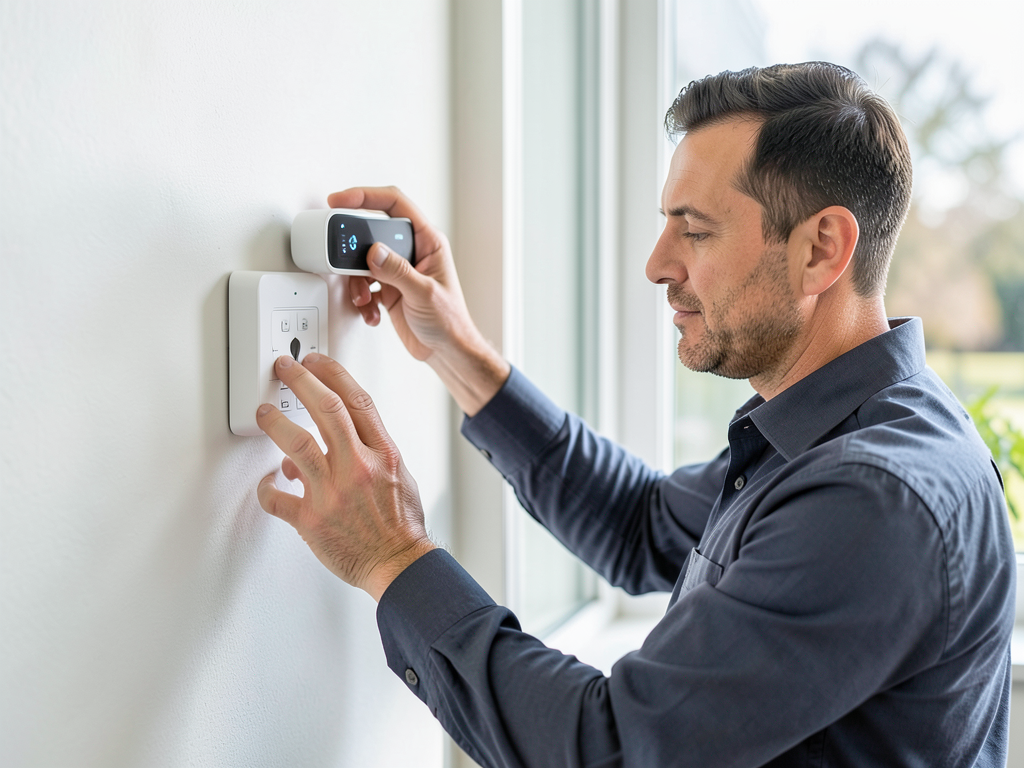
Professional installation becomes critical when you’re dealing with these interconnected systems. A certified technician needs to map out your entire HVAC network, verify compatibility with your automation platform, and often write custom scripts to make everything communicate properly. This isn’t a weekend DIY project—it’s precision work that requires understanding both HVAC mechanics and home networking protocols.
Understanding Smart HVAC Integration
Smart HVAC integration means your heating and cooling system can respond to commands from your home automation platform, adjust based on sensor data, and even learn your patterns over time. It’s fundamentally different from a basic programmable thermostat that simply follows a schedule you set manually.
The core components include a smart thermostat as the control center, various sensors throughout your home, and the HVAC equipment itself. These communicate through protocols like Wi-Fi, Zigbee, or Z-Wave. More advanced setups use Matter or Thread protocols for better reliability and security.
For Alpharetta homes, the integration must account for local climate conditions. Georgia’s high humidity means your system needs to manage both temperature and moisture levels effectively. A smart system can monitor indoor humidity and adjust run times to prevent mold growth while maintaining comfort. Georgia Power rebates and programs.
The benefits extend beyond convenience. Smart integration can reduce energy consumption by 15-30% through optimized scheduling, occupancy sensing, and weather-based adjustments. During peak summer months when electricity rates soar, these savings become even more significant.
Benefits for the Atlanta Climate
Atlanta’s climate presents unique challenges that smart HVAC integration can address. The combination of high humidity and intense summer heat creates conditions where traditional systems often struggle to maintain comfort while controlling energy costs. Comparing Costs for a New AC Unit in Sandy Springs.
Smart systems excel at pre-cooling your home before peak afternoon temperatures hit. They can analyze weather forecasts and start cooling earlier when electricity rates are lower, then maintain temperature efficiently during expensive peak hours. This proactive approach keeps your home comfortable while reducing strain on the power grid.
Humidity control becomes more sophisticated with smart integration. Instead of simply cooling until the temperature reaches a set point, the system can run longer cycles at lower intensity to remove more moisture from the air. This prevents that clammy feeling that often persists even when the thermostat says it’s cool enough.
During spring allergy season, smart air quality sensors can detect when pollen counts are high and automatically increase filtration or adjust ventilation rates. Some systems can even integrate with local weather data to anticipate air quality issues before they affect your indoor environment.
Power reliability in Atlanta can be spotty during summer thunderstorms. Smart systems can monitor power quality and automatically restart in the proper sequence after outages, preventing damage to compressors and other sensitive components.
Top Smart Ecosystems: Nest vs. Ecobee vs. Honeywell Home
Choosing the right smart thermostat platform is crucial for successful integration. Each major brand has different strengths, compatibility requirements, and integration capabilities that affect how well they’ll work with your existing system and home automation setup.
Nest Learning Thermostat offers intuitive software and excellent integration with Google services. It learns your schedule automatically and can control multi-stage systems effectively. However, it requires a C-wire for most installations and has limited compatibility with some older HVAC equipment.
Ecobee provides the most comprehensive sensor ecosystem, allowing you to place temperature, occupancy, and air quality sensors throughout your home. This creates more even comfort and better energy savings. Ecobee works well with Apple HomeKit and has strong third-party integration capabilities, though it also requires a C-wire in most cases.
Honeywell Home (formerly Lyric) offers commercial-grade reliability and excellent compatibility with existing building automation systems. It’s often the preferred choice for larger homes or those with complex zoning systems. Honeywell’s RedLINK technology provides reliable communication even in challenging wireless environments. Commercial HVAC.
Compatibility with existing equipment varies significantly. Here’s a comparison of key factors:
| Feature | Nest | Ecobee | Honeywell Home |
|---|---|---|---|
| C-wire Required | Yes (most cases) | Yes (most cases) | Often (varies by model) |
| Apple HomeKit | No | Yes | Limited |
| Multi-stage Support | Excellent | Excellent | Excellent |
| Sensor Ecosystem | Basic | Extensive | Moderate |
| Voice Assistant Integration | Google/Alexa | All major platforms | Amazon/Alexa |
Advanced Integration: Beyond the Thermostat
True smart HVAC integration extends far beyond the thermostat on your wall. Modern systems can incorporate multiple components that work together to create optimal comfort while maximizing efficiency.
Smart vents represent one of the most impactful additions. These motorized dampers can direct airflow to specific rooms based on occupancy, temperature, or even air quality readings. In multi-story Alpharetta homes, this means upstairs bedrooms stay cool without overcooling downstairs living areas.
Whole-home humidity sensors provide more accurate data than the single sensor in your thermostat. Placed strategically throughout your home, they help the system maintain consistent comfort levels and prevent moisture-related issues like mold growth or warped wood floors.
Indoor air quality monitors can detect volatile organic compounds, carbon dioxide levels, and particulate matter. When these sensors detect poor air quality, the system can automatically increase ventilation or activate enhanced filtration modes.
Smart zoning systems divide your home into independently controlled areas. This is particularly valuable in larger Alpharetta homes where different areas have varying sun exposure, occupancy patterns, or usage requirements. A smart zoning system can maintain different temperatures in different zones while optimizing overall energy use.
Integration with other smart home devices adds another layer of sophistication. Your system can work with smart blinds to block sunlight during the hottest parts of the day, or coordinate with smart ceiling fans to improve air circulation and comfort.
Local Rebates and ROI
Georgia Power offers several programs that make smart HVAC integration more affordable for Alpharetta homeowners. The Smart Usage program provides incentives for customers who allow the utility to adjust their thermostat settings during peak demand periods. This can result in significant bill credits while helping stabilize the regional power grid.
Current Georgia Power rebates include up to $100 for installing a qualifying smart thermostat and additional incentives for systems that integrate with their demand response programs. These rebates are available to both homeowners and renters, though specific requirements vary by program.
The energy savings from smart integration typically provide ROI within 2-4 years for most Alpharetta homes. Factors affecting payback period include your current system efficiency, local energy rates, and how extensively you utilize the smart features.
Consider these average annual savings for a typical 2,500 square foot Alpharetta home:
| Efficiency Measure | Annual Savings | Implementation Cost |
|---|---|---|
| Smart Thermostat Only | $180-240 | $150-300 |
| Full Smart Integration | $350-500 | $800-2,500 |
| Smart Zoning Addition | $200-300 | $1,500-3,000 |
Beyond direct energy savings, smart systems can prevent costly repairs by detecting issues early and optimizing system performance. This predictive maintenance capability often extends equipment life by several years, representing additional value that’s harder to quantify but equally important. The Only HVAC Maintenance Plan Dunwoody Homeowners Actually Need.
Our Professional Installation Process
Professional installation ensures your smart HVAC integration works reliably from day one. The process involves multiple steps that require specific expertise in both HVAC systems and home networking.
Initial assessment begins with evaluating your existing HVAC equipment, wiring configuration, and home automation goals. This includes checking for C-wire availability, assessing zoning needs, and identifying any compatibility issues with your current system.
Compatibility verification is crucial before purchasing any equipment. Not all smart thermostats work with all HVAC systems, and some combinations require specific adapters or wiring modifications. This step prevents the frustration of buying equipment that won’t function properly with your setup.
Installation typically follows this sequence:
- System Assessment
Evaluate existing HVAC equipment, wiring, and automation goals to identify requirements and potential challenges.
- Equipment Selection
Choose compatible smart thermostat and sensors based on system requirements, budget, and integration goals.
- Wiring Preparation
Install C-wire if needed, verify proper voltage, and prepare connections for new smart components.
- Thermostat Installation
Mount and connect the smart thermostat, ensuring proper configuration for your specific HVAC equipment.
- Sensor Placement
Install humidity, air quality, and temperature sensors in optimal locations throughout your home.
- Network Configuration
Connect all components to your home network and configure communication protocols.
- System Integration
Configure the smart thermostat to work with your home automation platform and other smart devices.
- Testing and Calibration
Verify all components work properly, calibrate sensors, and optimize system settings for your home.
Wi-Fi provisioning and network optimization ensure reliable communication between all smart components. This often involves configuring quality of service settings on your router to prioritize HVAC communications and setting up backup connections for critical functions.
User training is the final step that many DIY installations skip. Understanding how to use all the features of your new smart system, how to troubleshoot common issues, and when to call for professional help ensures you get maximum value from your investment.
Future-Proofing Your Smart HVAC System
Technology evolves rapidly, and your smart HVAC system should be able to adapt to new capabilities without requiring complete replacement. Several strategies can help ensure your investment remains valuable for years to come.
Matter and Thread compatibility represent the future of smart home communication. These new protocols offer improved reliability, better security, and easier integration between different brands and device types. When selecting equipment, choosing Matter-certified devices ensures your system can adapt to future smart home standards.
Software updates play a crucial role in keeping your system current. Leading smart thermostat manufacturers regularly release updates that add new features, improve energy algorithms, and enhance compatibility with other devices. Ensuring your system can receive these updates is essential for long-term value.
Modular design allows for incremental upgrades rather than complete system replacement. Starting with a basic smart thermostat and adding sensors, zoning, or advanced features over time lets you spread costs while continuously improving your system’s capabilities.
API access and open integration platforms provide flexibility for custom automation and third-party applications. Systems with robust APIs allow you to create custom routines, integrate with specialized applications, or even develop your own control interfaces as your needs evolve. Specialized HVAC Solutions for Historic Virginia-Highland Homes.
Energy monitoring capabilities help track efficiency improvements over time and identify when equipment might need maintenance or replacement. This data becomes increasingly valuable as energy costs fluctuate and environmental concerns grow more prominent.
Common Integration Challenges and Solutions
Even with careful planning, smart HVAC integration can encounter challenges specific to older homes or complex systems. Understanding these common issues and their solutions helps ensure a smooth installation process.
C-wire availability represents the most frequent obstacle in older Alpharetta homes. Many homes built before 2010 lack the common wire needed for continuous power to smart thermostats. Solutions include running new thermostat wires, installing C-wire adapters, or using thermostats designed to operate without constant power.
Multi-stage HVAC systems require specific thermostat configurations to function properly. Incorrect settings can cause short cycling, reduced efficiency, or comfort issues. Professional installation ensures your thermostat is programmed correctly for your specific equipment’s staging sequence.
Wi-Fi coverage can be problematic in larger homes or those with thick walls. Smart HVAC components need reliable network connections to function properly. Solutions include Wi-Fi extenders, mesh network systems, or wired connections where feasible.
Compatibility with existing zoning systems often requires special adapters or configuration changes. Some smart thermostats can’t directly control traditional zoning panels, requiring integration modules or custom programming to make everything work together.
Power quality issues during summer storms can disrupt smart system operation. Surge protection, battery backup for critical components, and proper grounding help ensure your system remains operational during weather events common to the Atlanta area.
Voice control integration sometimes conflicts with automated scheduling or sensor-based adjustments. Understanding how to configure these different control methods prevents frustration when your system seems to ignore your commands or makes unexpected changes.
Maintenance and Optimization
Smart HVAC systems require different maintenance approaches than traditional systems. The advanced features and interconnected components need regular attention to ensure optimal performance and longevity.
Software updates should be applied promptly to maintain security and access new features. Most modern smart thermostats update automatically, but it’s worth verifying your system is running the latest firmware periodically.
Sensor calibration becomes important as components age or environmental conditions change. Temperature sensors can drift over time, and humidity sensors may need recalibration to maintain accuracy. Many systems offer self-calibration features, but manual verification ensures optimal performance.
Network connectivity monitoring helps identify issues before they cause system failures. Smart systems can alert you to Wi-Fi problems, sensor communication failures, or other network issues that might affect performance.
Filter monitoring becomes more sophisticated with smart systems. Rather than following a simple schedule, your system can track actual usage, air quality conditions, and pressure drop across filters to recommend optimal replacement timing.
Professional maintenance should include verification of smart system operation, not just traditional HVAC checks. This means confirming all sensors are communicating properly, software is current, and automated features are functioning as intended.
Data analysis from your smart system provides insights for further optimization. Reviewing energy usage patterns, comfort levels, and system performance helps identify opportunities for additional savings or improvements.
Frequently Asked Questions
Can I install a smart thermostat myself?
While basic thermostat replacement is possible for DIY enthusiasts, smart HVAC integration often requires professional installation. The complexity of wiring, system compatibility, and integration with home automation platforms makes professional installation worthwhile for most homeowners.
How much does smart HVAC integration cost?
Costs vary widely based on your existing system, chosen equipment, and integration complexity. Basic smart thermostat installation might cost $200-500, while comprehensive smart integration with sensors, zoning, and professional configuration typically ranges from $1,500-4,000.
Will smart integration work with my existing HVAC system?
Most modern HVAC systems are compatible with smart thermostats, but older equipment may have limitations. Professional assessment can determine compatibility and identify any necessary modifications or adapters required for your specific system.
Do smart systems work during power outages?
Smart features require power, but many systems include battery backup for critical functions. Traditional heating and cooling will still operate during outages, though without smart control capabilities until power is restored.
How long does professional installation take?
Basic smart thermostat installation typically takes 1-2 hours. Comprehensive smart integration with multiple sensors and complex configuration might require 4-8 hours or multiple visits to complete properly.
Can I control my system remotely?
Yes, most smart HVAC systems offer remote control through smartphone apps. This allows you to adjust settings, monitor performance, and receive alerts from anywhere with internet connectivity.
Will integration affect my home warranty?
Professional installation typically won’t void HVAC warranties, but it’s important to verify compatibility and follow manufacturer guidelines. Some manufacturers require professional installation to maintain warranty coverage.
How do I know if my home needs smart zoning?
Multi-story homes, homes with significant sun exposure variations, or homes with different usage patterns in different areas often benefit from smart zoning. Professional assessment can determine if zoning would improve your comfort and efficiency. For more information, visit U.S. Department of Energy thermostat guide.
{
“@context”: “https://schema.org”,
“@type”: “BlogPosting”,
“headline”: “Syncing Your Alpharetta HVAC with Your Whole Home Automation System”,
“description”: “Learn how to integrate your Alpharetta HVAC with smart home systems like Nest, Ecobee, and Control4. Expert local installation and Georgia Power rebates available.”,
“wordCount”: 2712,
“datePublished”: “2026-06-16T09:30:00.000Z”,
“dateModified”: “2026-06-16T09:30:00.000Z”,
“inLanguage”: “en-US”,
“mainEntityOfPage”: {
“@type”: “WebPage”,
“@id”: “https://summithvacatlanta.com”
},
“publisher”: {
“@type”: “LocalBusiness”,
“name”: “Summit HVAC Atlanta”,
“url”: “https://summithvacatlanta.com”
},
“author”: {
“@type”: “Organization”,
“name”: “Summit HVAC Atlanta”,
“url”: “https://summithvacatlanta.com”
},
“image”: {
“@type”: “ImageObject”,
“url”: “https://summithvacatlanta.com/wp-content/uploads/2026/03/syncing-your-alpharetta-hvac-with-your-whole-home-1.png”
}
}
{
“@context”: “https://schema.org”,
“@type”: “HVACBusiness”,
“name”: “Summit HVAC Atlanta”,
“url”: “https://summithvacatlanta.com”,
“address”: {
“@type”: “PostalAddress”,
“addressLocality”: “Atlanta”
},
“areaServed”: {
“@type”: “City”,
“name”: “Atlanta”
}
}
{
“@context”: “https://schema.org”,
“@type”: “FAQPage”,
“mainEntity”: [
{
“@type”: “Question”,
“name”: “Can I install a smart thermostat myself?”,
“acceptedAnswer”: {
“@type”: “Answer”,
“text”: “While basic thermostat replacement is possible for DIY enthusiasts, smart HVAC integration often requires professional installation. The complexity of wiring, system compatibility, and integration with home automation platforms makes professional installation worthwhile for most homeowners.”
}
},
{
“@type”: “Question”,
“name”: “How much does smart HVAC integration cost?”,
“acceptedAnswer”: {
“@type”: “Answer”,
“text”: “Costs vary widely based on your existing system, chosen equipment, and integration complexity. Basic smart thermostat installation might cost $200-500, while comprehensive smart integration with sensors, zoning, and professional configuration typically ranges from $1,500-4,000.”
}
},
{
“@type”: “Question”,
“name”: “Will smart integration work with my existing HVAC system?”,
“acceptedAnswer”: {
“@type”: “Answer”,
“text”: “Most modern HVAC systems are compatible with smart thermostats, but older equipment may have limitations. Professional assessment can determine compatibility and identify any necessary modifications or adapters required for your specific system.”
}
},
{
“@type”: “Question”,
“name”: “Do smart systems work during power outages?”,
“acceptedAnswer”: {
“@type”: “Answer”,
“text”: “Smart features require power, but many systems include battery backup for critical functions. Traditional heating and cooling will still operate during outages, though without smart control capabilities until power is restored.”
}
},
{
“@type”: “Question”,
“name”: “How long does professional installation take?”,
“acceptedAnswer”: {
“@type”: “Answer”,
“text”: “Basic smart thermostat installation typically takes 1-2 hours. Comprehensive smart integration with multiple sensors and complex configuration might require 4-8 hours or multiple visits to complete properly.”
}
},
{
“@type”: “Question”,
“name”: “Can I control my system remotely?”,
“acceptedAnswer”: {
“@type”: “Answer”,
“text”: “Yes, most smart HVAC systems offer remote control through smartphone apps. This allows you to adjust settings, monitor performance, and receive alerts from anywhere with internet connectivity.”
}
},
{
“@type”: “Question”,
“name”: “Will integration affect my home warranty?”,
“acceptedAnswer”: {
“@type”: “Answer”,
“text”: “Professional installation typically won’t void HVAC warranties, but it’s important to verify compatibility and follow manufacturer guidelines. Some manufacturers require professional installation to maintain warranty coverage.”
}
},
{
“@type”: “Question”,
“name”: “How do I know if my home needs smart zoning?”,
“acceptedAnswer”: {
“@type”: “Answer”,
“text”: “Multi-story homes, homes with significant sun exposure variations, or homes with different usage patterns in different areas often benefit from smart zoning. Professional assessment can determine if zoning would improve your comfort and efficiency. For more information, visit U.S. Department of Energy thermostat guide.”
}
}
]
}
{
“@context”: “https://schema.org”,
“@type”: “HowTo”,
“name”: “Smart HVAC Integration Installation”,
“step”: [
{
“@type”: “HowToStep”,
“position”: 1,
“name”: “System Assessment”,
“text”: “Evaluate existing HVAC equipment, wiring, and automation goals to identify requirements and potential challenges.”
},
{
“@type”: “HowToStep”,
“position”: 2,
“name”: “Equipment Selection”,
“text”: “Choose compatible smart thermostat and sensors based on system requirements, budget, and integration goals.”
},
{
“@type”: “HowToStep”,
“position”: 3,
“name”: “Wiring Preparation”,
“text”: “Install C-wire if needed, verify proper voltage, and prepare connections for new smart components.”
},
{
“@type”: “HowToStep”,
“position”: 4,
“name”: “Thermostat Installation”,
“text”: “Mount and connect the smart thermostat, ensuring proper configuration for your specific HVAC equipment.”
},
{
“@type”: “HowToStep”,
“position”: 5,
“name”: “Sensor Placement”,
“text”: “Install humidity, air quality, and temperature sensors in optimal locations throughout your home.”
},
{
“@type”: “HowToStep”,
“position”: 6,
“name”: “Network Configuration”,
“text”: “Connect all components to your home network and configure communication protocols.”
},
{
“@type”: “HowToStep”,
“position”: 7,
“name”: “System Integration”,
“text”: “Configure the smart thermostat to work with your home automation platform and other smart devices.”
},
{
“@type”: “HowToStep”,
“position”: 8,
“name”: “Testing and Calibration”,
“text”: “Verify all components work properly, calibrate sensors, and optimize system settings for your home.”
}
],
“image”: “https://summithvacatlanta.com/wp-content/uploads/2026/03/syncing-your-alpharetta-hvac-with-your-whole-home-1.png”
}
{
“@context”: “https://schema.org”,
“@type”: “BreadcrumbList”,
“itemListElement”: [
{
“@type”: “ListItem”,
“position”: 1,
“name”: “Home”,
“item”: “https://summithvacatlanta.com”
},
{
“@type”: “ListItem”,
“position”: 2,
“name”: “Blog”,
“item”: “https://summithvacatlanta.com/blog”
},
{
“@type”: “ListItem”,
“position”: 3,
“name”: “Syncing Your Alpharetta HVAC with Your Whole Home Automation System”
}
]
}
{
“@context”: “https://schema.org”,
“@type”: “Service”,
“serviceType”: “HVAC”,
“provider”: {
“@type”: “LocalBusiness”,
“name”: “Summit HVAC Atlanta”,
“url”: “https://summithvacatlanta.com”
},
“areaServed”: {
“@type”: “City”,
“name”: “Atlanta”
},
“description”: “Learn how to integrate your Alpharetta HVAC with smart home systems like Nest, Ecobee, and Control4. Expert local installation and Georgia Power rebates available.”
}