
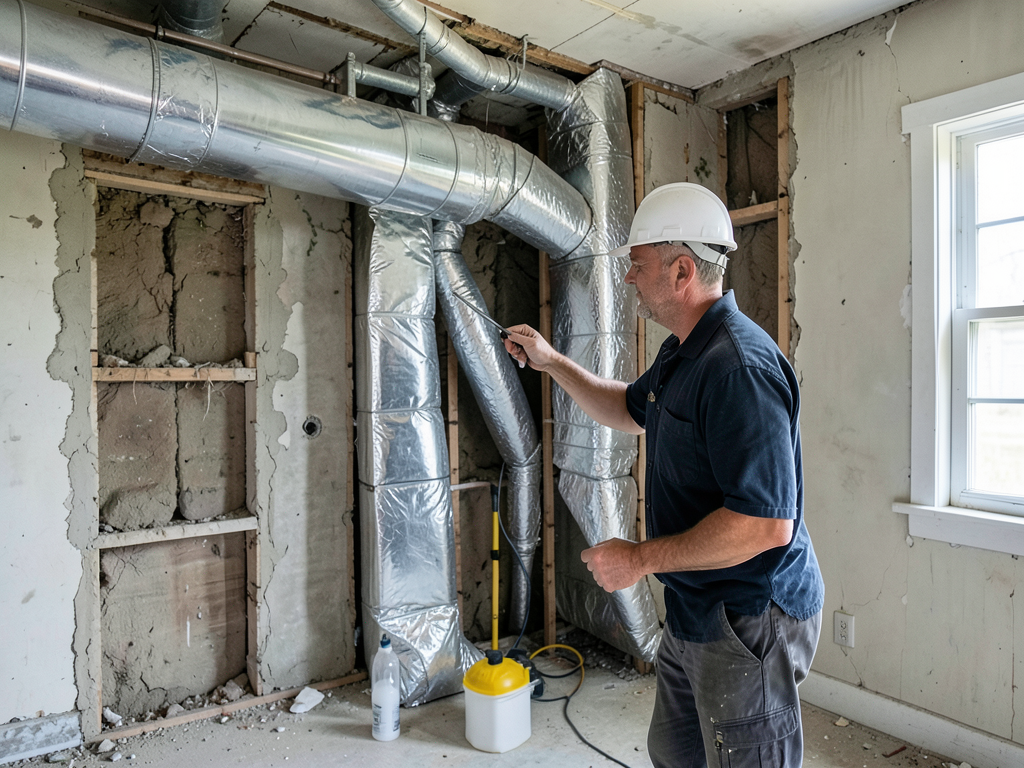
Converting Radiators to Central Air in Atlanta’s Medlock Park
Converting radiators to central air in Atlanta’s Medlock Park neighborhood represents a significant home improvement project that many homeowners consider as they seek year-round comfort. The process involves more than simply swapping out heating equipment. It requires careful planning, structural modifications, and understanding the unique challenges of retrofitting older Atlanta homes.
Medlock Park features many homes built between the 1920s and 1950s, most of which still use hydronic heating systems. These radiator systems provide excellent heat but lack the cooling capabilities needed for Atlanta’s brutal summers. The conversion process typically costs between $15,000 and $35,000 depending on your home’s specific requirements and the complexity of the installation. Comparing Costs for a New AC Unit in Sandy Springs.
Understanding the Conversion Process
The conversion from radiators to central air involves several major components. First, the existing boiler system must be decommissioned and removed. This includes draining the system, disconnecting pipes, and properly disposing of the old equipment. Next, ductwork must be installed throughout the home, which often requires creative solutions in older homes where walls cannot be easily modified. Specialized HVAC Solutions for Historic Virginia-Highland Homes.
The new central air system includes an outdoor condenser unit, an indoor air handler or furnace, and a network of supply and return ducts. Many homeowners also choose to install a heat pump system that provides both heating and cooling, eliminating the need for separate systems.. Read more about How much a modern HVAC system actually adds to your Brookwood Hills home value.
Cost Breakdown for Atlanta Homeowners
Labor represents the largest portion of conversion costs in the Atlanta area. HVAC technicians in Fulton and DeKalb counties typically charge $85 to $125 per hour for residential installation work. A complete conversion project usually requires 40 to 80 hours of labor, depending on the home’s size and complexity.
Material costs include the new HVAC equipment, ductwork, registers, and thermostats. High-efficiency systems with SEER2 ratings of 16 or higher cost more upfront but provide significant energy savings over time. The ductwork alone can cost $3,000 to $8,000 for a typical Atlanta home, depending on whether it runs through attics, crawl spaces, or inside walls.
Permitting fees in Atlanta vary by project scope. A complete HVAC conversion typically requires permits from the City of Atlanta or DeKalb County, costing between $200 and $500. These permits ensure the work meets Georgia’s mechanical code requirements and local building standards. Georgia Power HVAC rebates.
Structural Considerations for Medlock Park Homes
Medlock Park homes present unique challenges for HVAC conversions. Many feature plaster walls, which cannot be easily cut for traditional ductwork installation. This often necessitates the use of high-velocity systems like Unico or SpacePak, which use smaller ducts that fit within existing wall cavities.
Atlanta’s climate also influences system design. The high humidity requires properly sized cooling equipment and adequate return air pathways. Oversized systems short-cycle, failing to remove moisture effectively and leaving homes feeling clammy despite cool temperatures.
Older homes in Medlock Park may contain asbestos insulation around original pipes. Professional testing and abatement adds $1,000 to $3,000 to the project cost but is essential for safety compliance and legal requirements.
High-Velocity vs. Traditional Ductwork
High-velocity systems offer distinct advantages for Medlock Park’s older homes. These systems use 2-inch flexible ducts that snake through existing wall cavities without major demolition. The small outlets can be installed in ceilings or walls with minimal visual impact.
Traditional ductwork requires larger chases and more space, often necessitating soffits or bulkheads that alter room proportions. However, traditional systems typically cost less per square foot of cooling and offer slightly better energy efficiency when properly installed.
The choice between systems affects both upfront costs and long-term performance. High-velocity systems typically cost 20% to 30% more than traditional installations but preserve the home’s original character and eliminate the need for extensive wall repairs. NATE certification.
Hidden Costs to Consider
Beyond the obvious equipment and labor costs, several hidden expenses can impact your conversion budget. Plaster repair costs range from $500 to $3,000 depending on the extent of modifications needed. Electrical upgrades may be necessary if your home’s service panel cannot support the new system’s power requirements.. Read more about Making the Move to a Fully Electric Home in Decatur.
Radiator removal and disposal costs vary based on the system’s size and whether you plan to keep the radiators for potential future use. Professional removal of cast iron radiators can cost $200 to $500 per unit, plus disposal fees.
Floor repairs often become necessary when radiators are removed from walls or floors. This may include patching hardwood, replacing damaged subflooring, or refinishing areas to match existing finishes.
Energy Efficiency and Operating Costs
Modern central air systems offer significant energy savings compared to older equipment. A properly sized system with a SEER2 rating of 16 or higher can reduce cooling costs by 30% to 50% compared to window units or aging central systems.
Atlanta’s climate demands systems that can handle both high temperatures and humidity. Variable-speed air handlers and two-stage compressors provide better humidity control and more consistent comfort than single-stage equipment.
Smart thermostats can further reduce operating costs by optimizing system runtime based on occupancy patterns and outdoor conditions. These devices typically pay for themselves within two years through energy savings.
Timeline for a Complete Conversion
A typical radiator-to-central-air conversion in Medlock Park takes 3 to 7 days from start to finish. The process begins with system design and permit acquisition, which can take 1 to 2 weeks. Installation itself usually requires 2 to 4 days for a single-story home.
Demolition and asbestos abatement, if needed, add 1 to 2 days to the timeline. System commissioning and testing require an additional day to ensure proper operation and airflow balance.
Homeowners should plan for some disruption during the conversion. Dust from demolition, temporary loss of heating during certain phases, and the presence of workers in the home are all part of the process.
Local Incentives and Rebates
Georgia Power offers rebates for high-efficiency HVAC equipment that can offset some conversion costs. Current rebates range from $300 to $1,000 for qualifying systems with SEER2 ratings of 16 or higher. These rebates are subject to change based on utility programs and funding availability.
Federal tax credits may also apply to energy-efficient HVAC installations. The Residential Energy Efficient Property Credit can provide up to 30% of installation costs for qualifying equipment, though specific eligibility requirements apply.
Local utility companies sometimes offer additional incentives for converting from electric resistance heating to more efficient heat pump systems. These programs can provide further savings on conversion projects.
Impact on Home Value
Converting from radiators to central air typically increases home value in the Atlanta market. Buyers consistently rank central air conditioning as a top priority, and homes without it often sell for less than comparable properties with modern HVAC systems.
The return on investment for HVAC conversions varies but generally ranges from 60% to 80% of the project cost when selling the home. Beyond direct financial returns, central air improves marketability and can significantly reduce time on market.
In Medlock Park’s competitive real estate market, central air can be the deciding factor for many buyers, particularly younger families accustomed to modern comfort standards. Why Dunwoody Families Trust Our Seasonal HVAC Maintenance Plans.
Choosing the Right HVAC Contractor
Selecting an experienced contractor familiar with older Atlanta homes is crucial for a successful conversion. Look for NATE-certified technicians who understand the unique challenges of retrofitting historic properties. Request references from similar projects in Medlock Park or nearby neighborhoods like Druid Hills or Candler Park.
A reputable contractor will perform a Manual J load calculation to properly size your new system. This calculation considers your home’s square footage, insulation levels, window orientation, and local climate conditions to determine the exact cooling capacity needed.
Obtain multiple quotes and compare not just price but also warranty terms, equipment brands offered, and the contractor’s approach to preserving your home’s character during installation.
Maintenance Considerations
Central air systems require regular maintenance to operate efficiently and last their full expected lifespan of 15 to 20 years. Annual professional tune-ups cost $150 to $300 and include cleaning coils, checking refrigerant levels, and testing system performance. The Only HVAC Maintenance Plan Dunwoody Homeowners Actually Need.
Filter replacement becomes a monthly task with central air, compared to the minimal maintenance required for radiator systems. High-quality filters can improve indoor air quality but may require more frequent changes in Atlanta’s pollen-heavy environment. Improving the Air Quality in Your Brookhaven Home During Pollen Season.
Smart thermostats can alert you to system issues before they become major problems, potentially saving thousands in emergency repairs. Many modern systems also offer remote diagnostics capabilities.
Alternative Cooling Solutions
Before committing to a full radiator-to-central-air conversion, consider whether alternative cooling solutions might meet your needs. Ductless mini-split systems can provide effective cooling without major structural modifications, typically costing $4,000 to $10,000 for a whole-house installation.
High-velocity systems offer a middle ground between traditional ductwork and ductless solutions. They provide whole-house cooling with minimal visual impact and can be installed in homes where conventional ducts would require extensive demolition.
Some homeowners choose to keep their radiator heating system while adding cooling-only equipment. This approach reduces conversion costs but requires separate heating solutions for winter months.
Preparing for the Conversion
Successful conversions require thorough planning and preparation. Start by documenting your current system, including radiator locations, pipe routing, and any visible issues. This information helps contractors provide accurate quotes and identify potential challenges.
Consider your long-term plans for the home. If you plan to sell within a few years, focus on cost-effective solutions that provide good returns. For long-term ownership, investing in high-efficiency equipment may provide better value over time.
Communicate clearly with your contractor about your priorities regarding dust control, noise levels during installation, and preserving original architectural features. Clear expectations prevent misunderstandings and ensure satisfactory results.
Financing Options
Several financing options can make HVAC conversions more affordable. Many contractors offer in-house financing with terms ranging from 12 to 60 months. These plans often feature promotional rates for qualified buyers.
Personal loans from banks or credit unions provide another option, typically offering lower interest rates than contractor financing for borrowers with good credit. Home equity loans or lines of credit can also fund large projects at competitive rates.
Some utility companies partner with lenders to offer special financing for energy-efficient home improvements. These programs may feature reduced interest rates or longer repayment terms for qualifying projects.
Frequently Asked Questions
How long does a radiator to central air conversion typically take?
A complete conversion usually takes 3 to 7 days for the actual installation, with additional time for design, permitting, and any necessary asbestos abatement. Most projects are completed within 2 to 3 weeks from start to finish.
Will I need to replace my electrical panel for central air?
Many older Atlanta homes have electrical panels that can support central air systems. However, if your panel is over 40 amps or uses fuses instead of circuit breakers, an upgrade may be necessary. A qualified electrician can assess your current capacity.
Can I keep my radiators for heating and just add cooling?
Yes, this is possible through a hybrid approach using a heat pump for cooling and keeping the existing boiler for heating. However, this requires separate systems and may not provide the most cost-effective solution long-term.
What permits are required for this conversion in Atlanta?
A mechanical permit from the City of Atlanta or DeKalb County is typically required for HVAC conversions. Additional permits may be needed for electrical work or structural modifications. Your contractor should handle permit acquisition as part of the project.
How much can I expect my energy bills to change?
Energy costs vary based on system efficiency and usage patterns, but most homeowners see a 30% to 50% reduction in cooling costs compared to window units. Heating costs may increase slightly if switching from gas boilers to electric heat pumps. For more information, visit Energy.gov central air systems.
You may also find this helpful. Comparing Trane and Carrier High-Efficiency Systems for Buckhead Homeowners.
You may also find this helpful. HVAC Red Flags to Look For When Buying a 1920s Home in Oakhurst.
You may also find this helpful. Trane vs Carrier vs Rheem — which HVAC brand handles the Atlanta heat best.
{
“@context”: “https://schema.org”,
“@type”: “BlogPosting”,
“headline”: “The Realistic Cost of Converting Medlock Park Radiators to Central Air”,
“description”: “Discover the true costs of converting radiator heating to central air in Atlanta’s Medlock Park neighborhood. Get detailed pricing, timelines, and expert advice.”,
“wordCount”: 1985,
“datePublished”: “2026-05-29T08:32:00.000Z”,
“dateModified”: “2026-05-29T08:32:00.000Z”,
“inLanguage”: “en-US”,
“mainEntityOfPage”: {
“@type”: “WebPage”,
“@id”: “https://summithvacatlanta.com”
},
“publisher”: {
“@type”: “LocalBusiness”,
“name”: “Summit HVAC Atlanta”,
“url”: “https://summithvacatlanta.com”
},
“author”: {
“@type”: “Organization”,
“name”: “Summit HVAC Atlanta”,
“url”: “https://summithvacatlanta.com”
},
“image”: {
“@type”: “ImageObject”,
“url”: “https://summithvacatlanta.com/wp-content/uploads/2026/03/the-realistic-cost-of-converting-medlock-park-radi-1.png”
}
}
{
“@context”: “https://schema.org”,
“@type”: “HVACBusiness”,
“name”: “Summit HVAC Atlanta”,
“url”: “https://summithvacatlanta.com”,
“address”: {
“@type”: “PostalAddress”,
“addressLocality”: “Atlanta”
},
“areaServed”: {
“@type”: “City”,
“name”: “Atlanta”
}
}
{
“@context”: “https://schema.org”,
“@type”: “FAQPage”,
“mainEntity”: [
{
“@type”: “Question”,
“name”: “How long does a radiator to central air conversion typically take?”,
“acceptedAnswer”: {
“@type”: “Answer”,
“text”: “A complete conversion usually takes 3 to 7 days for the actual installation, with additional time for design, permitting, and any necessary asbestos abatement. Most projects are completed within 2 to 3 weeks from start to finish.”
}
},
{
“@type”: “Question”,
“name”: “Will I need to replace my electrical panel for central air?”,
“acceptedAnswer”: {
“@type”: “Answer”,
“text”: “Many older Atlanta homes have electrical panels that can support central air systems. However, if your panel is over 40 amps or uses fuses instead of circuit breakers, an upgrade may be necessary. A qualified electrician can assess your current capacity.”
}
},
{
“@type”: “Question”,
“name”: “Can I keep my radiators for heating and just add cooling?”,
“acceptedAnswer”: {
“@type”: “Answer”,
“text”: “Yes, this is possible through a hybrid approach using a heat pump for cooling and keeping the existing boiler for heating. However, this requires separate systems and may not provide the most cost-effective solution long-term.”
}
},
{
“@type”: “Question”,
“name”: “What permits are required for this conversion in Atlanta?”,
“acceptedAnswer”: {
“@type”: “Answer”,
“text”: “A mechanical permit from the City of Atlanta or DeKalb County is typically required for HVAC conversions. Additional permits may be needed for electrical work or structural modifications. Your contractor should handle permit acquisition as part of the project.”
}
},
{
“@type”: “Question”,
“name”: “How much can I expect my energy bills to change?”,
“acceptedAnswer”: {
“@type”: “Answer”,
“text”: “Energy costs vary based on system efficiency and usage patterns, but most homeowners see a 30% to 50% reduction in cooling costs compared to window units. Heating costs may increase slightly if switching from gas boilers to electric heat pumps. For more information, visit Energy.gov central air systems.”
}
}
]
}
{
“@context”: “https://schema.org”,
“@type”: “BreadcrumbList”,
“itemListElement”: [
{
“@type”: “ListItem”,
“position”: 1,
“name”: “Home”,
“item”: “https://summithvacatlanta.com”
},
{
“@type”: “ListItem”,
“position”: 2,
“name”: “Blog”,
“item”: “https://summithvacatlanta.com/blog”
},
{
“@type”: “ListItem”,
“position”: 3,
“name”: “The Realistic Cost of Converting Medlock Park Radiators to Central Air”
}
]
}
{
“@context”: “https://schema.org”,
“@type”: “Service”,
“serviceType”: “HVAC”,
“provider”: {
“@type”: “LocalBusiness”,
“name”: “Summit HVAC Atlanta”,
“url”: “https://summithvacatlanta.com”
},
“areaServed”: {
“@type”: “City”,
“name”: “Atlanta”
},
“description”: “Discover the true costs of converting radiator heating to central air in Atlanta’s Medlock Park neighborhood. Get detailed pricing, timelines, and expert advice.”
}