
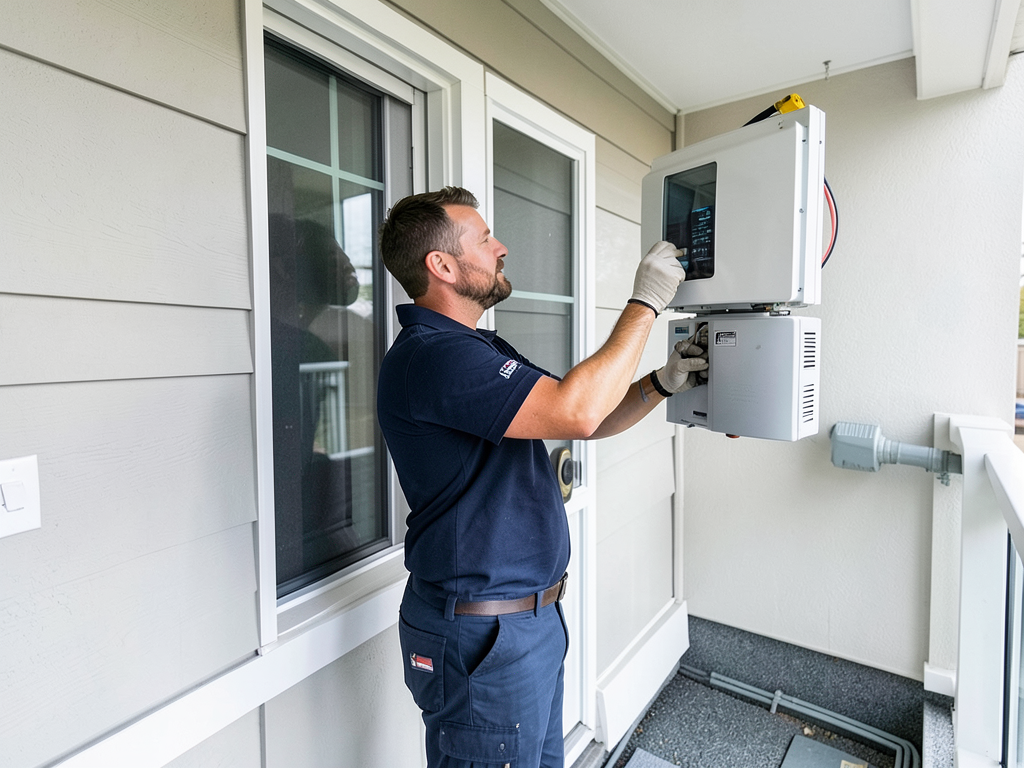
Why the Third Floor of Your Smyrna Townhome is Always Unbearably Hot
The third floor of your Smyrna townhome feels like a sauna while the first floor stays comfortable. You are not imagining things. Heat naturally rises through multi-story buildings creating a temperature difference that can reach 8 to 10 degrees between floors. In Georgia’s humid climate this problem becomes even worse making your master suite nearly unusable during summer months.
Understanding why this happens requires looking at how air moves through your home. When your HVAC system runs cool air sinks to lower levels while warm air rises creating what building scientists call the stack effect. Townhome construction with shared walls and limited attic space intensifies this problem. The result is a third floor that constantly fights against physics.
Understanding the Stack Effect in Smyrna Townhomes
The stack effect describes how temperature differences between indoor and outdoor air create pressure that drives airflow. In winter warm air rises and escapes through upper floors. In summer the process reverses but still pushes heat upward. For Smyrna townhomes this means your third floor becomes a collection point for all the heat your system tries to remove from lower levels.
Building construction plays a major role. Many Smyrna townhomes built in the 2010s feature open stairwells that act like chimneys pulling warm air upward. Thin exterior walls common in townhome construction provide less insulation than single-family homes. When combined with Georgia’s summer humidity these factors create a perfect storm for third-floor discomfort.
Humidity makes the problem worse. When outdoor air holds 70 to 80 percent moisture your air conditioner must work harder to remove both heat and humidity. The third floor often receives inadequate airflow because ducts are already taxed cooling lower levels. This leaves upper floors damp and sticky feeling even when the temperature reads acceptable.
Quick Fixes You Can Try Today
Before calling a professional there are several low-cost steps that might improve your third-floor comfort. These solutions work by either reducing heat gain or improving airflow to upper levels. Specialized HVAC Solutions for Historic Virginia-Highland Homes.
Start with your ceiling fans. In summer they should rotate counterclockwise to push air downward creating a wind chill effect that makes you feel cooler. This allows you to set your thermostat a few degrees higher without sacrificing comfort. Make sure fan blades are clean since dust buildup reduces efficiency.. Read more about Why You Should Demand a Manual J Load Calculation for Your Kirkwood Renovation.
Check your air vents. Third-floor supply vents should be fully open and not blocked by furniture or rugs. Return air vents on upper levels help your system pull warm air out more effectively. If your townhome has only one central return adding a second return on the third floor can dramatically improve airflow.
Window treatments matter more than most people realize. Blackout curtains or cellular shades can reduce heat gain through windows by up to 25 percent. This is especially important for south and west-facing windows that receive direct afternoon sun. Even closing blinds during peak hours helps.
Consider portable solutions. A dehumidifier can make a room feel cooler by removing moisture from the air. Box fans placed strategically can help circulate air between floors. These are temporary fixes but can provide relief while you plan permanent solutions.
Professional HVAC Solutions for Townhome Cooling
When DIY fixes fail professional solutions address the root causes of third-floor heat. These options range from system modifications to complete equipment upgrades depending on your budget and building constraints.
Zoning systems offer one of the most effective solutions for multi-story homes. These systems use motorized dampers in your ductwork to direct more cool air to upper floors. Each floor gets its own thermostat allowing different temperature settings. For townhomes this means your third floor can stay cool without freezing the first floor.
Installation requires adding zone control panels and possibly new thermostats. The dampers open and close based on each zone’s temperature needs. While the upfront cost ranges from $2,500 to $4,500 many homeowners recover this through energy savings and improved comfort.. Read more about How to Decide If Your Ansley Park AC Needs a Repair or a Full Replacement.
Ductless mini-split systems provide another excellent option especially for townhomes where traditional ductwork modifications are difficult. These systems use small indoor units mounted on walls or ceilings connected to an outdoor compressor. Each unit operates independently allowing precise temperature control.
For third-floor master suites a single mini-split often provides sufficient cooling. Modern units from Mitsubishi and Daikin offer SEER2 ratings up to 26 making them highly efficient. Installation typically costs $3,500 to $5,000 but eliminates the need to cool your entire home to uncomfortable levels just to achieve comfort upstairs. Comparing Costs for a New AC Unit in Sandy Springs.
High-velocity HVAC systems work well in townhomes with limited space for traditional ductwork. These systems use small flexible ducts that fit in tight spaces and deliver air at higher speeds. The result is more even temperature distribution throughout your home. Installation costs range from $8,000 to $12,000 but solves comfort issues permanently.
The Role of Insulation and Building Envelope
Even the best HVAC system struggles if your home leaks conditioned air. Proper insulation and air sealing create the foundation for efficient cooling especially in upper floors exposed to attic heat.
Attic insulation directly impacts third-floor comfort. In townhomes with shared attic spaces heat from neighboring units or the roof can radiate downward. Adding insulation to recommended R-38 levels helps block this heat transfer. Spray foam insulation provides better air sealing than traditional fiberglass but costs more upfront.
Radiant barriers installed in attics reflect heat away from your living space. These metallic sheets can reduce attic temperatures by 20 to 30 degrees in summer. For Smyrna townhomes with flat or low-slope roofs radiant barriers often provide the biggest comfort improvement per dollar spent.
Air sealing prevents conditioned air from escaping and hot air from entering. Common leak points include attic hatches, recessed lights, and ductwork connections. A professional energy audit uses blower door tests to identify these leaks. Sealing them can improve HVAC efficiency by 15 to 20 percent.
Windows represent another major heat gain source. While replacing windows is expensive adding exterior shading or solar film can block up to 80 percent of solar heat gain. This is particularly effective for townhomes with large third-floor windows facing the setting sun.
Atlanta’s Climate Makes Third-Floor Cooling Harder
Smyrna sits in climate zone 3A according to building codes. This classification means hot humid summers with significant cooling loads. The same temperature that feels comfortable in a dry climate becomes oppressive when humidity pushes the heat index 5 to 10 degrees higher.
Georgia’s summer humidity creates unique challenges for HVAC systems. Standard air conditioners remove some moisture but may not adequately dehumidify upper floors with limited airflow. This leaves your third floor feeling clammy even when the temperature is technically cool enough.
SEER2 ratings now govern new HVAC equipment efficiency calculations. These ratings provide more accurate efficiency measurements than previous SEER standards especially in humid climates. Systems with variable-speed compressors adjust their output based on demand providing better humidity control and energy savings.
Local building codes require specific insulation levels and HVAC sizing for new construction. However many Smyrna townhomes were built before these requirements tightened. Retrofitting these homes requires balancing existing construction constraints with modern efficiency standards.
Georgia Power offers rebates for high-efficiency HVAC equipment and smart thermostats. These programs can offset 10 to 20 percent of upgrade costs. The utility also provides free home energy audits that identify specific improvements for your townhome’s unique layout.
Comparing Your Options: Costs and Benefits
Choosing the right solution requires understanding the trade-offs between cost, effectiveness, and installation complexity. The following comparison helps you evaluate which approach best fits your situation.
| Solution | Typical Cost Range | Effectiveness | Installation Time | Best For |
|---|---|---|---|---|
| Zoning System | $2,500 – $4,500 | High | 1-2 days | Existing ductwork homes |
| Ductless Mini-Split | $3,500 – $5,000 | Very High | 1 day | Room-specific cooling |
| High-Velocity System | $8,000 – $12,000 | 3-5 days | New construction or gut remodels | |
| Attic Insulation Upgrade | $1,500 – $3,000 | Moderate | 1-2 days | All townhome types |
| Smart Thermostat | $200 – $400 | Low | 1-2 hours | Budget-conscious homeowners |
Energy Efficiency and Long-Term Savings
Investing in third-floor cooling solutions often pays for itself through energy savings and increased home value. Understanding the efficiency metrics helps you make informed decisions.
SEER2 ratings measure cooling efficiency under more realistic conditions than previous standards. A system with SEER2 18 uses about 30 percent less energy than one with SEER2 14. For Smyrna’s long cooling season this difference significantly impacts utility bills.
Variable-speed compressors provide the biggest efficiency gains. These systems run at lower speeds when less cooling is needed rather than cycling on and off. This maintains more consistent temperatures while using less energy. The technology also excels at humidity removal.
Smart thermostats optimize your system’s operation based on your schedule and preferences. Learning models like the Nest or Ecobee can reduce cooling costs by 10 to 15 percent. They also provide data about your energy usage helping you identify further savings opportunities.
The payback period for efficiency upgrades varies by solution. Zoning systems often pay for themselves in 3 to 5 years through energy savings. High-efficiency equipment may take 5 to 7 years but provides ongoing savings for the system’s 15 to 20 year lifespan.
Finding the Right HVAC Contractor in Smyrna
Not all HVAC contractors have experience with townhome specific challenges. Choosing the right professional ensures your investment solves the problem rather than creating new ones.
Look for contractors familiar with Smyrna’s building stock and climate conditions. They should understand how townhome construction affects airflow and be able to explain the physics behind your third-floor heat problem. Experience with multi-family buildings is a strong indicator of relevant expertise.
Proper load calculations are essential. Manual J calculations determine the exact cooling capacity needed for each floor of your home. Many contractors skip this step using rules of thumb instead. This often results in undersized equipment that cannot adequately cool upper floors.
Ask about experience with specific solutions like zoning systems and ductless mini-splits. These technologies require specialized knowledge to install correctly. Request references from other townhome owners who have solved similar problems.
Permitting requirements vary by municipality. Smyrna requires permits for most HVAC modifications. A reputable contractor handles permitting and ensures work meets local codes. This protects your investment and maintains your home’s value.
Finally consider maintenance requirements. Some solutions like zoning systems need periodic damper adjustments. Others like mini-splits require filter cleaning every few months. Understanding these requirements helps you plan for ongoing costs. The Only HVAC Maintenance Plan Dunwoody Homeowners Actually Need.
Frequently Asked Questions
Why is my third floor always hotter than the rest of my townhome?
Heat naturally rises through your home due to the stack effect. In multi-story buildings this creates a temperature difference of 8 to 10 degrees between floors. Townhome construction with open stairwells and limited attic space intensifies this problem especially in Georgia’s humid climate.
Can I just add more vents to my third floor?
Adding vents without proper system evaluation can create more problems than it solves. Your existing HVAC system may not have enough capacity to cool additional space. A professional assessment determines whether your system can handle increased airflow or if upgrades are needed.
How much does it cost to fix third-floor heat problems?
Costs vary widely based on your chosen solution. Simple fixes like better insulation cost $1,500 to $3,000. Zoning systems run $2,500 to $4,500. Ductless mini-splits cost $3,500 to $5,000. Complete system upgrades can exceed $10,000. Most homeowners spend $3,000 to $6,000 for effective solutions.
Will a bigger air conditioner solve my third-floor heat problem?
Not necessarily. Oversized air conditioners cool air quickly but do not run long enough to remove humidity effectively. This can leave your home feeling cold and clammy. Proper system sizing through Manual J calculations ensures your equipment matches your home’s specific needs.
How long does it take to install a zoning system?
Most zoning system installations take 1 to 2 days. The process involves installing dampers in existing ductwork, adding zone control panels, and setting up new thermostats. Your system will be operational at the end of each day with minimal disruption to your comfort.
Take Action Today
Your third floor does not have to remain unbearably hot. Understanding the science behind the problem helps you choose the right solution for your Smyrna townhome. Whether you need simple fixes or complete system upgrades the key is addressing both the symptoms and underlying causes.
Start with a professional assessment to identify specific issues in your home. This evaluation examines your current system capacity, ductwork layout, insulation levels, and airflow patterns. From there you can choose solutions that fit your budget and comfort needs.
Summit HVAC Atlanta specializes in solving multi-story cooling challenges throughout Smyrna and surrounding areas. Our technicians understand the unique construction and climate factors affecting townhome comfort. We provide clear explanations of your options without pressure or upselling.
Ready to reclaim your third floor? Call Summit HVAC Atlanta at (770) 600-9611 for a comprehensive cooling assessment. Our team will evaluate your specific situation and recommend solutions that restore comfort to every floor of your home. Don’t spend another summer suffering through third-floor heat when effective solutions are just a phone call away. For more information, visit U.S. Department of Energy Home Cooling Guide. For more information, visit EPA Indoor Air Quality and HVAC Systems.
You may also find this helpful. Why Your Spare Bedroom Office in Suwanee is Always Five Degrees Hotter Than the Rest of the House.
{
“@context”: “https://schema.org”,
“@type”: “BlogPosting”,
“headline”: “Why the Third Floor of Your Smyrna Townhome is Always Unbearably Hot”,
“description”: “Discover why your Smyrna townhome’s third floor stays hot and learn expert HVAC solutions to restore comfort. Call Summit HVAC Atlanta today.”,
“wordCount”: 2224,
“datePublished”: “2026-06-18T09:31:00.000Z”,
“dateModified”: “2026-06-18T09:31:00.000Z”,
“inLanguage”: “en-US”,
“mainEntityOfPage”: {
“@type”: “WebPage”,
“@id”: “https://summithvacatlanta.com”
},
“publisher”: {
“@type”: “LocalBusiness”,
“name”: “Summit HVAC Atlanta”,
“url”: “https://summithvacatlanta.com”
},
“author”: {
“@type”: “Organization”,
“name”: “Summit HVAC Atlanta”,
“url”: “https://summithvacatlanta.com”
},
“image”: {
“@type”: “ImageObject”,
“url”: “https://summithvacatlanta.com/wp-content/uploads/2026/03/why-the-third-floor-of-your-smyrna-townhome-is-alw-1.png”
}
}
{
“@context”: “https://schema.org”,
“@type”: “HVACBusiness”,
“name”: “Summit HVAC Atlanta”,
“url”: “https://summithvacatlanta.com”,
“address”: {
“@type”: “PostalAddress”,
“addressLocality”: “Atlanta”
},
“areaServed”: {
“@type”: “City”,
“name”: “Atlanta”
}
}
{
“@context”: “https://schema.org”,
“@type”: “FAQPage”,
“mainEntity”: [
{
“@type”: “Question”,
“name”: “Why is my third floor always hotter than the rest of my townhome?”,
“acceptedAnswer”: {
“@type”: “Answer”,
“text”: “Heat naturally rises through your home due to the stack effect. In multi-story buildings this creates a temperature difference of 8 to 10 degrees between floors. Townhome construction with open stairwells and limited attic space intensifies this problem especially in Georgia’s humid climate.”
}
},
{
“@type”: “Question”,
“name”: “Can I just add more vents to my third floor?”,
“acceptedAnswer”: {
“@type”: “Answer”,
“text”: “Adding vents without proper system evaluation can create more problems than it solves. Your existing HVAC system may not have enough capacity to cool additional space. A professional assessment determines whether your system can handle increased airflow or if upgrades are needed.”
}
},
{
“@type”: “Question”,
“name”: “How much does it cost to fix third-floor heat problems?”,
“acceptedAnswer”: {
“@type”: “Answer”,
“text”: “Costs vary widely based on your chosen solution. Simple fixes like better insulation cost $1,500 to $3,000. Zoning systems run $2,500 to $4,500. Ductless mini-splits cost $3,500 to $5,000. Complete system upgrades can exceed $10,000. Most homeowners spend $3,000 to $6,000 for effective solutions.”
}
},
{
“@type”: “Question”,
“name”: “Will a bigger air conditioner solve my third-floor heat problem?”,
“acceptedAnswer”: {
“@type”: “Answer”,
“text”: “Not necessarily. Oversized air conditioners cool air quickly but do not run long enough to remove humidity effectively. This can leave your home feeling cold and clammy. Proper system sizing through Manual J calculations ensures your equipment matches your home’s specific needs.”
}
},
{
“@type”: “Question”,
“name”: “How long does it take to install a zoning system?”,
“acceptedAnswer”: {
“@type”: “Answer”,
“text”: “Most zoning system installations take 1 to 2 days. The process involves installing dampers in existing ductwork, adding zone control panels, and setting up new thermostats. Your system will be operational at the end of each day with minimal disruption to your comfort.”
}
}
]
}
{
“@context”: “https://schema.org”,
“@type”: “BreadcrumbList”,
“itemListElement”: [
{
“@type”: “ListItem”,
“position”: 1,
“name”: “Home”,
“item”: “https://summithvacatlanta.com”
},
{
“@type”: “ListItem”,
“position”: 2,
“name”: “Blog”,
“item”: “https://summithvacatlanta.com/blog”
},
{
“@type”: “ListItem”,
“position”: 3,
“name”: “Why the Third Floor of Your Smyrna Townhome is Always Unbearably Hot”
}
]
}
{
“@context”: “https://schema.org”,
“@type”: “Service”,
“serviceType”: “HVAC”,
“provider”: {
“@type”: “LocalBusiness”,
“name”: “Summit HVAC Atlanta”,
“url”: “https://summithvacatlanta.com”
},
“areaServed”: {
“@type”: “City”,
“name”: “Atlanta”
},
“description”: “Discover why your Smyrna townhome’s third floor stays hot and learn expert HVAC solutions to restore comfort. Call Summit HVAC Atlanta today.”
}