
Choosing the Best Air Filtration for Homes Near Buford Industrial Zones
Living near Buford’s industrial zones means dealing with unique air quality challenges. The combination of manufacturing emissions, logistics traffic, and seasonal Georgia pollen creates a perfect storm of airborne contaminants that standard residential filters struggle to handle. Homeowners in neighborhoods like Hamilton Mill and Olde Atlanta find their HVAC systems working overtime just to maintain breathable indoor air. Improving the Air Quality in Your Brookhaven Home During Pollen Season.
The first step in solving any air quality problem is understanding what you are up against. Buford’s industrial corridor produces fine particulate matter from metal fabrication, woodworking, and transportation operations. These particles range from visible dust to microscopic pollutants that can penetrate deep into your lungs. When combined with Atlanta’s notorious spring pollen and summer humidity, your home’s air can become a cocktail of irritants that affect everything from sleep quality to respiratory health.. Read more about Solving the mystery of frozen AC coils in your Summerhill bungalow.
Understanding Industrial Air Contaminants
Industrial dust differs significantly from typical household dust. While regular dust contains skin cells, fabric fibers, and tracked-in dirt, industrial particulate matter includes metal shavings, chemical residues, and combustion byproducts. These particles are often smaller and more dangerous, with many falling into the PM2.5 category – particles less than 2.5 microns in diameter that can bypass standard filtration.. Read more about Keeping Your Industrial Style Exposed Ductwork Clean and Dust Free in West Midtown.
Georgia’s humid climate adds another layer of complexity. High moisture levels cause these industrial particles to clump together, creating heavier deposits that can clog filters faster than manufacturers anticipate. This means homeowners near industrial zones need to replace filters more frequently than the standard three-month recommendation.. Read more about Why Red Clay Dust is the Hidden Enemy of Your HVAC Filters in New Construction Communities.
Filter Technology Options for Industrial Areas
Not all air filters are created equal when it comes to industrial dust. The market offers several technologies, each with specific strengths for different types of contaminants. Understanding these differences helps you make an informed decision rather than guessing based on price or packaging claims.
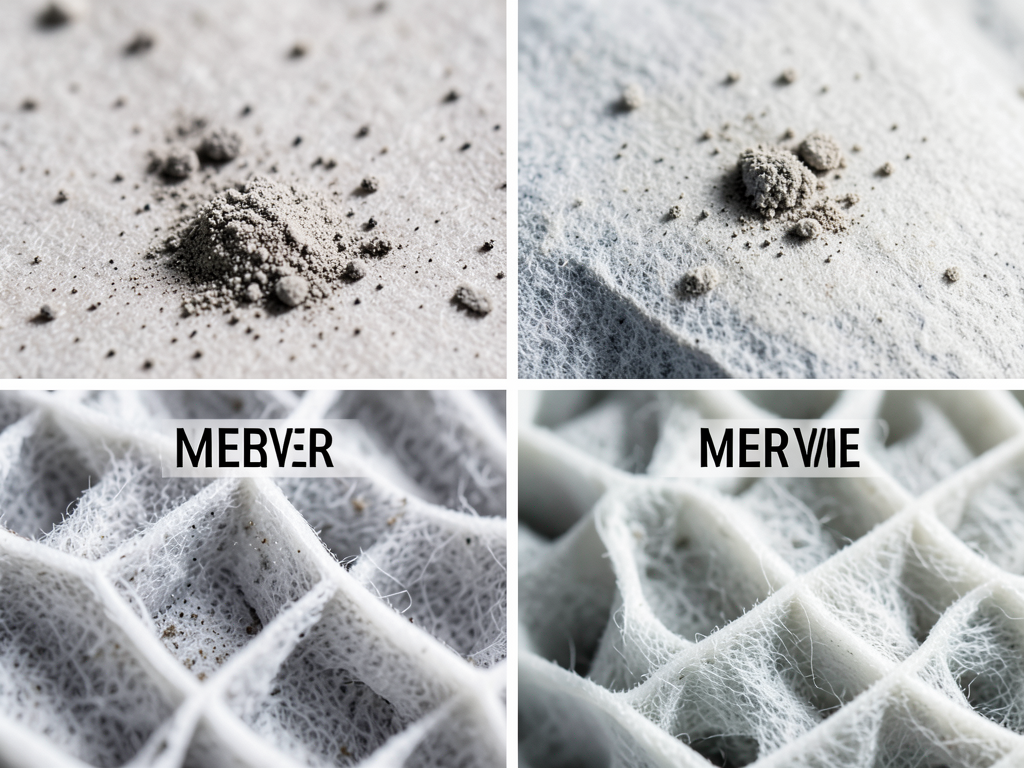
Mechanical filters use physical barriers to trap particles. These range from basic fiberglass options to high-efficiency pleated designs. The effectiveness of mechanical filters is measured by MERV ratings, which indicate their ability to capture particles of specific sizes. For industrial areas, you need filters rated MERV 13 or higher to handle the fine particulates common near manufacturing facilities.. Read more about Choosing the right MERV rating for your North Buckhead air filters.
Electronic air cleaners use electrostatic attraction to capture particles. These systems charge airborne contaminants, causing them to stick to collection plates. While effective for smoke and some chemical vapors, they struggle with heavy dust loads and require frequent cleaning to maintain efficiency.
Activated carbon filters excel at removing odors and chemical vapors but offer limited particle filtration. They work best as supplementary filtration rather than primary defense against industrial dust. UV light systems kill bacteria and viruses but do nothing for particulate matter, making them inadequate as standalone solutions for industrial areas. Specialized HVAC Solutions for Historic Virginia-Highland Homes.
MERV Ratings and What They Mean for Your Home
The Minimum Efficiency Reporting Value system rates filters on a scale from 1 to 20. Each level captures progressively smaller particles. Understanding where your needs fall on this scale prevents both overspending on unnecessary filtration and under-protecting your family from harmful pollutants.
MERV 1-4 filters capture only large particles like dust mites and pollen. These are inadequate for industrial areas where fine particulates dominate. MERV 5-8 filters handle mold spores and pet dander but miss most industrial contaminants. MERV 9-12 filters begin capturing finer particles but still allow many industrial pollutants to pass through.
MERV 13-16 represents the sweet spot for homes near industrial zones. These filters capture particles as small as 0.3 microns with 90% efficiency or higher. They handle everything from bacteria and smoke to most industrial particulates while maintaining reasonable airflow for residential HVAC systems. MERV 17-20 filters, including HEPA options, capture nearly 100% of particles but often require system modifications due to their restrictive nature. EPA Indoor Air Quality Guidelines.
Cost-Benefit Analysis of High-Efficiency Filtration
Higher-rated filters cost more upfront but provide significant long-term benefits. The initial price difference between a MERV 8 and MERV 13 filter might be $15 to $30, but the health and maintenance savings often offset this cost within the first year. The Only HVAC Maintenance Plan Dunwoody Homeowners Actually Need.
High-efficiency filters reduce the need for frequent HVAC cleaning by capturing more contaminants before they enter your system. They also protect your equipment from abrasive particles that can wear down motors and fans over time. Many homeowners report fewer allergy symptoms and respiratory issues after upgrading to appropriate filtration for their industrial location.
The energy cost impact deserves consideration. More efficient filters create slightly more resistance to airflow, which can increase your HVAC system’s energy consumption by 5-15%. However, this increase is often offset by the system running more efficiently when not clogged with dust and debris. Regular filter changes prevent the dramatic efficiency drops that occur when cheap filters become overloaded.
Installation and Maintenance Requirements
Upgrading to industrial-grade filtration often requires minor modifications to your existing HVAC system. Standard residential systems may need larger filter housings or upgraded blowers to handle the increased resistance of high-efficiency filters. A professional assessment determines whether your current equipment can support the filtration level you need.
Maintenance frequency increases with filter efficiency. While basic filters might last three months, MERV 13-16 filters in industrial areas often need replacement every 30-60 days. This higher frequency prevents the pressure drop that reduces system efficiency and strains motors. Some homeowners install pressure gauges to monitor filter loading rather than relying on calendar schedules.
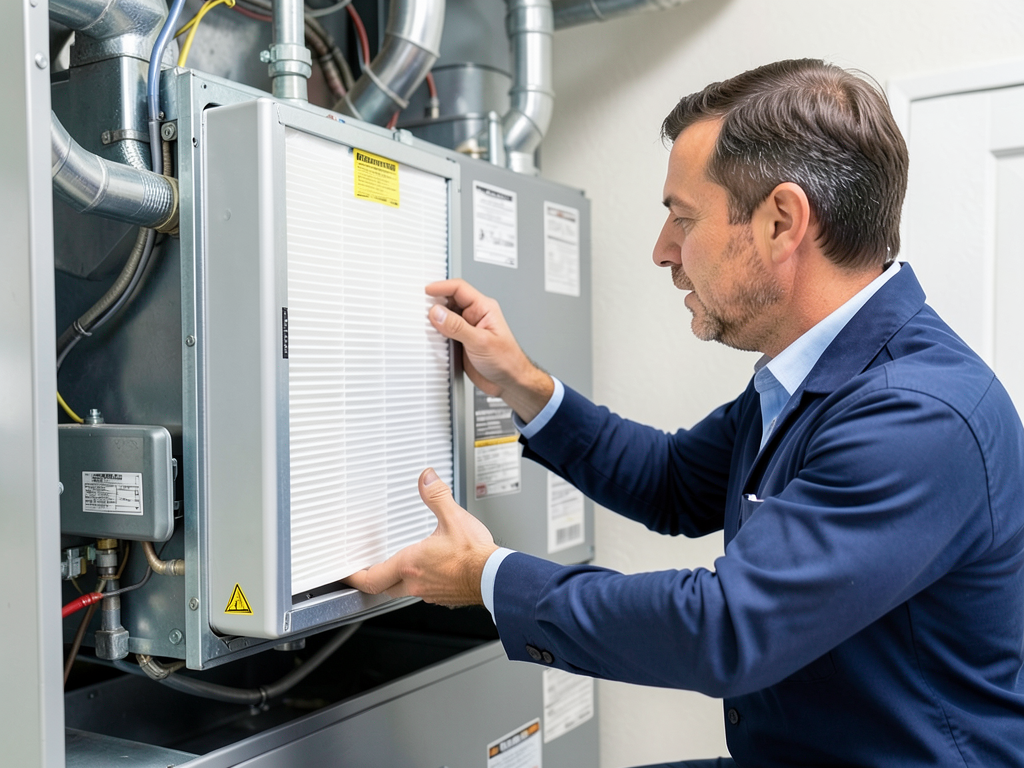
Professional installation ensures proper sealing and fitment. Even small gaps around filters allow contaminated air to bypass the filtration media, reducing effectiveness by up to 30%. Technicians can also assess whether your ductwork needs cleaning before installing high-efficiency filters, as existing dust buildup reduces the new system’s effectiveness.
Comparing Filter Types for Industrial Applications
Different filter constructions offer varying benefits for industrial air quality challenges. Understanding these differences helps you choose the right technology for your specific situation rather than settling for whatever is on sale at the local hardware store.
Flat-panel filters represent the most basic option. These consist of a single layer of filtration media and offer minimal protection against industrial particulates. While inexpensive, they require frequent replacement and provide poor value for homes near manufacturing areas.
Pleated filters use folded media to increase surface area, improving both efficiency and lifespan. The pleats create channels that trap particles while maintaining better airflow than flat panels. For most homes near Buford’s industrial zones, high-quality pleated filters in the MERV 13-16 range provide the best balance of protection and practicality.
Box filters feature multiple layers of progressively finer media. These capture a wider range of particle sizes and often include activated carbon for odor control. The rigid construction prevents collapse under pressure, making them ideal for areas with heavy dust loads.
Electronic air cleaners represent a different approach entirely. Rather than physical barriers, these systems use electrical charges to trap particles. While effective for certain contaminants, they struggle with the heavy dust loads common near industrial areas and require frequent cleaning to maintain efficiency.
Local Building Code Considerations
Georgia building codes regulate HVAC installations but offer flexibility in filter selection. The state adopts the International Mechanical Code with local amendments, which sets minimum standards for system efficiency and safety rather than specific filtration requirements.
Local jurisdictions like Gwinnett County may have additional requirements for new construction or major renovations. These often focus on energy efficiency and proper installation rather than filtration specifics. However, some areas near industrial zones have implemented voluntary guidelines recommending higher filtration standards for new homes.
Homeowners associations in communities like Hamilton Mill may have restrictions on external equipment or modifications. Always check these guidelines before upgrading your filtration system, as some HOAs limit changes that affect a home’s exterior appearance or require approval for system modifications.
Seasonal Considerations for Atlanta’s Climate
Atlanta’s climate creates unique challenges for air filtration throughout the year. Spring brings the highest pollen counts in the nation, with tree pollen levels often exceeding 5,000 grains per cubic meter. This natural particulate load combines with industrial emissions to create particularly challenging air quality conditions.
Summer humidity affects filter performance in several ways. High moisture levels cause particles to stick together, creating larger clumps that can overwhelm standard filters. The increased moisture also promotes mold growth within HVAC systems, requiring additional filtration or UV treatment to maintain air quality.
Fall brings ragweed pollen and increased leaf mold, while winter’s temperature inversions can trap pollutants near ground level. Each season requires slight adjustments to your filtration strategy, though the core requirement for high-efficiency filtration remains constant year-round.
Health Impact of Industrial Air Quality
The health effects of poor indoor air quality extend beyond obvious respiratory issues. Fine particulates from industrial sources can trigger inflammation throughout the body, affecting everything from cardiovascular health to cognitive function. Children, elderly individuals, and those with pre-existing conditions face the highest risks.
Common symptoms of inadequate filtration include persistent coughing, throat irritation, headaches, and fatigue. Many people mistake these symptoms for seasonal allergies or common colds when they actually result from poor indoor air quality. The constant exposure in your own home makes these effects particularly problematic.
Long-term exposure to industrial particulates has been linked to more serious conditions including asthma, chronic bronchitis, and certain cancers. The smaller particles that penetrate deepest into the lungs are often the most dangerous, as they can enter the bloodstream and affect multiple organ systems.
Professional Assessment and System Design
Every home has unique air quality needs based on its location, construction, and occupancy. A professional assessment considers factors like proximity to industrial sources, home size, existing HVAC system capabilities, and household health concerns to design an optimal filtration solution.
Technicians use tools like particle counters and pressure gauges to measure current air quality and system performance. This data-driven approach ensures recommendations match actual conditions rather than assumptions. Some assessments include blower door tests to identify air leaks that allow contaminated outdoor air to enter your home.
System design may involve multiple filtration stages for maximum effectiveness. A common setup combines a high-MERV filter for particle removal with activated carbon for chemical vapors and UV light for biological contaminants. This layered approach addresses the full spectrum of industrial air quality challenges.
Cost Considerations and ROI
Investing in proper filtration requires understanding both upfront costs and long-term value. While high-quality filters cost more initially, they often provide better return on investment through improved health, reduced maintenance, and energy savings.
Basic filter replacement costs range from $20 to $100 per unit, while high-efficiency options can cost $50 to $200. Professional installation adds $150 to $500 depending on system complexity. However, these costs must be weighed against the value of protecting your family’s health and your HVAC equipment.
Energy costs represent another consideration. High-efficiency filters can increase HVAC energy consumption by 5-15%, though this is often offset by the system running more efficiently when not clogged with dust. The exact impact depends on your specific equipment and local utility rates.
Health cost savings are harder to quantify but potentially significant. Reduced allergy symptoms, fewer respiratory infections, and better sleep quality all have real value. For families with asthma or other respiratory conditions, proper filtration can mean fewer doctor visits and medications. Why Dunwoody Families Trust Our Seasonal HVAC Maintenance Plans.
DIY vs Professional Installation
Basic filter replacement is straightforward for most homeowners, but upgrading to industrial-grade filtration often requires professional expertise. Understanding the limitations of DIY approaches helps you make informed decisions about when to call in professionals.
DIY replacement works well for standard-sized filters in accessible locations. However, many homes near industrial zones have custom-sized filters or hard-to-reach equipment that makes DIY replacement difficult or unsafe. Professional technicians have the tools and experience to handle these situations efficiently.
System modifications represent another area where professional help is essential. Upgrading to higher-efficiency filters may require changes to your ductwork, blower motor, or control systems. These modifications involve electrical work and system balancing that goes beyond typical homeowner skills.
Professional installation also ensures proper sealing and fitment. Even small gaps around filters allow contaminated air to bypass the filtration media, reducing effectiveness by up to 30%. Technicians can also identify and address other air quality issues during installation, such as duct leaks or inadequate return air.
Future Trends in Air Filtration
The air filtration industry continues to evolve with new technologies emerging regularly. Understanding these trends helps you make forward-looking decisions rather than investing in soon-to-be-obsolete equipment.
Smart filtration systems represent one of the most significant recent developments. These connect to your home network and monitor air quality in real-time, adjusting filtration levels based on current conditions. Some can even predict when filters need replacement based on actual particle loading rather than calendar schedules.
Advanced materials are improving filter efficiency while reducing pressure drop. New synthetic media can capture smaller particles with less resistance to airflow, allowing higher efficiency without the energy penalty of traditional high-MERV filters. These developments make industrial-grade filtration more practical for residential applications.
Integration with whole-home air quality systems is becoming more common. Rather than standalone filtration, modern systems coordinate with ventilation, humidity control, and purification technologies to provide comprehensive indoor air quality management.
Making Your Decision
Choosing the right air filtration system requires balancing multiple factors including your specific air quality challenges, budget constraints, and long-term goals. Start by assessing your current situation honestly – if you live near Buford’s industrial zones, standard residential filtration is likely inadequate for your needs.
Consider your household’s specific health concerns. Families with young children, elderly members, or individuals with respiratory conditions need higher protection levels than healthy adults. The peace of mind that comes from knowing your home provides a clean-air sanctuary often justifies the additional investment.
Think about your long-term plans for the property. If you plan to stay in your home for many years, investing in quality filtration makes more sense than if you plan to move soon. The health benefits and equipment protection accumulate over time, making the investment more valuable the longer you use it.
Finally, don’t forget about professional guidance. While this information provides a solid foundation, every home has unique characteristics that affect air quality. A professional assessment can identify specific issues and recommend solutions tailored to your exact situation.
Frequently Asked Questions
How often should I replace my air filter if I live near an industrial area?
Homes near industrial zones typically need filter replacement every 30-60 days, compared to the standard 90-day recommendation. The heavy particulate load from industrial sources causes filters to clog faster, reducing their effectiveness and straining your HVAC system. Monitor your filter monthly and replace it when you see visible discoloration or reduced airflow.
Can I use a HEPA filter in my existing HVAC system?
Most residential HVAC systems cannot accommodate true HEPA filters without modifications. HEPA filters create significant airflow resistance that standard residential blowers cannot overcome. However, you can achieve similar protection with MERV 16 filters, which capture 95% of particles 0.3 microns and larger. For true HEPA filtration, consider a standalone air purifier for specific rooms rather than whole-house filtration.
What’s the difference between MERV and HEPA ratings?
MERV (Minimum Efficiency Reporting Value) is a standardized rating system for air filters ranging from 1 to 20. HEPA (High-Efficiency Particulate Air) is a specific standard requiring 99.97% efficiency at 0.3 microns. While all HEPA filters would achieve MERV 17-20 ratings, not all MERV 17-20 filters meet the strict HEPA standard. For most homes near industrial areas, MERV 13-16 filters provide excellent protection without requiring system modifications.
Will high-efficiency filters increase my energy bills?
High-efficiency filters can increase HVAC energy consumption by 5-15% due to increased airflow resistance. However, this increase is often offset by the system running more efficiently when not clogged with dust and debris. The exact impact depends on your specific equipment, local utility rates, and how frequently you replace the filters. Many homeowners find the health benefits and reduced maintenance costs outweigh any energy increase.
How do I know if my current filtration is adequate?
Signs of inadequate filtration include visible dust accumulation on surfaces shortly after cleaning, persistent allergy symptoms indoors, HVAC filters that appear dark or clogged when changed, and unusual odors when your system runs. You can also purchase an indoor air quality monitor to measure particulate levels, or have a professional assessment that includes particle counting and system evaluation.. Read more about Dealing with Jet Fuel Odors and Airport Dust in Your College Park Home.
Are washable filters a good option for industrial areas?
Washable filters generally offer lower efficiency than high-quality disposable options, making them less suitable for industrial areas. While they can be cost-effective for basic residential filtration, they typically max out around MERV 8 and may not capture the fine particulates common near manufacturing facilities. For industrial areas, disposable high-MERV filters provide better protection despite the higher replacement frequency.
What size filter do I need for my HVAC system?
Filter size depends on your specific HVAC equipment. Most residential systems use standard sizes ranging from 10×20 inches to 25×25 inches, but some homes near industrial areas have custom-sized filters. Check your current filter for exact dimensions, or consult your HVAC system manual. If you cannot find the information, a professional technician can measure your system and recommend appropriate options.
Can I install better filtration myself?
Basic filter replacement is typically a DIY task for most homeowners. However, upgrading to high-efficiency filtration or making system modifications often requires professional expertise. Issues like proper sealing, system balancing, and electrical modifications go beyond typical DIY skills. Professional installation ensures optimal performance and protects your equipment warranty.
How much should I expect to pay for industrial-grade filtration?
High-quality MERV 13-16 filters cost $50 to $200 each, compared to $20 to $50 for basic options. Annual filter costs range from $200 to $800 depending on your system and replacement frequency. Professional installation adds $150 to $500 if modifications are needed. While the upfront investment is higher, many homeowners find the health benefits and equipment protection provide excellent long-term value.
Will better filtration eliminate all indoor air quality issues?
While high-efficiency filtration significantly improves indoor air quality, it cannot address all potential issues. Filtration primarily handles particulate matter but does not remove all gases, VOCs, or biological contaminants. For comprehensive air quality management, consider combining high-efficiency filtration with other strategies like proper ventilation, humidity control, and UV treatment for biological contaminants.
- Assess Your Air Quality Needs
Evaluate your proximity to industrial sources, household health concerns, and current filtration performance. Homes within two miles of manufacturing facilities generally need MERV 13-16 filtration.
- Check Your HVAC System Compatibility
Review your system manual or consult a professional to determine whether your equipment can handle high-efficiency filters. Some systems require blower upgrades or duct modifications.
- Select Appropriate MERV Rating
Choose MERV 13-16 for most homes near industrial areas. This range captures industrial particulates while maintaining reasonable airflow for residential systems.
- Consider Filter Construction
Opt for pleated synthetic media rather than basic fiberglass. Pleated filters offer better efficiency, longer life, and more consistent airflow than flat-panel options.
- Plan for Maintenance
Schedule filter changes every 30-60 days rather than the standard 90 days. Set reminders and keep spare filters on hand to maintain consistent protection.
Ready to breathe easier in your Buford home? Summit HVAC Atlanta specializes in industrial-grade air filtration solutions for homes near manufacturing zones. Our experienced technicians will assess your specific needs and recommend the perfect filtration system for your situation. Don’t let industrial dust compromise your family’s health – call us today at (770) 600-9611 for a professional air quality assessment and take the first step toward cleaner, healthier indoor air.
Learn more about HVAC system efficiency and how proper filtration protects your entire heating and cooling system. Our team understands the unique challenges of Atlanta’s industrial corridor and can help you create a healthier home environment regardless of outdoor air quality conditions. For more information, visit ASHRAE Filtration Standards.
You may also find this helpful. Keeping your Piedmont Heights home smelling fresh even with multiple pets.
You may also find this helpful. Solving Cooking Smells and Poor Ventilation in Your Midtown High Rise Condo.
{
“@context”: “https://schema.org”,
“@type”: “BlogPosting”,
“headline”: “Choosing the Best Air Filtration for Homes Near Buford Industrial Zones”,
“description”: “Learn which air filtration systems best protect Buford homes from industrial dust and pollution. Expert guide for Atlanta’s industrial corridor.”,
“wordCount”: 3325,
“datePublished”: “2026-05-31T14:29:00.000Z”,
“dateModified”: “2026-05-31T14:29:00.000Z”,
“inLanguage”: “en-US”,
“mainEntityOfPage”: {
“@type”: “WebPage”,
“@id”: “https://summithvacatlanta.com”
},
“publisher”: {
“@type”: “LocalBusiness”,
“name”: “Summit HVAC Atlanta”,
“url”: “https://summithvacatlanta.com”
},
“author”: {
“@type”: “Organization”,
“name”: “Summit HVAC Atlanta”,
“url”: “https://summithvacatlanta.com”
},
“image”: {
“@type”: “ImageObject”,
“url”: “https://summithvacatlanta.com/wp-content/uploads/2026/03/choosing-the-best-air-filtration-for-homes-near-bu-1.png”
}
}
{
“@context”: “https://schema.org”,
“@type”: “HVACBusiness”,
“name”: “Summit HVAC Atlanta”,
“url”: “https://summithvacatlanta.com”,
“address”: {
“@type”: “PostalAddress”,
“addressLocality”: “Atlanta”
},
“areaServed”: {
“@type”: “City”,
“name”: “Atlanta”
}
}
{
“@context”: “https://schema.org”,
“@type”: “FAQPage”,
“mainEntity”: [
{
“@type”: “Question”,
“name”: “How often should I replace my air filter if I live near an industrial area?”,
“acceptedAnswer”: {
“@type”: “Answer”,
“text”: “Homes near industrial zones typically need filter replacement every 30-60 days, compared to the standard 90-day recommendation. The heavy particulate load from industrial sources causes filters to clog faster, reducing their effectiveness and straining your HVAC system. Monitor your filter monthly and replace it when you see visible discoloration or reduced airflow.”
}
},
{
“@type”: “Question”,
“name”: “Can I use a HEPA filter in my existing HVAC system?”,
“acceptedAnswer”: {
“@type”: “Answer”,
“text”: “Most residential HVAC systems cannot accommodate true HEPA filters without modifications. HEPA filters create significant airflow resistance that standard residential blowers cannot overcome. However, you can achieve similar protection with MERV 16 filters, which capture 95% of particles 0.3 microns and larger. For true HEPA filtration, consider a standalone air purifier for specific rooms rather than whole-house filtration.”
}
},
{
“@type”: “Question”,
“name”: “What’s the difference between MERV and HEPA ratings?”,
“acceptedAnswer”: {
“@type”: “Answer”,
“text”: “MERV (Minimum Efficiency Reporting Value) is a standardized rating system for air filters ranging from 1 to 20. HEPA (High-Efficiency Particulate Air) is a specific standard requiring 99.97% efficiency at 0.3 microns. While all HEPA filters would achieve MERV 17-20 ratings, not all MERV 17-20 filters meet the strict HEPA standard. For most homes near industrial areas, MERV 13-16 filters provide excellent protection without requiring system modifications.”
}
},
{
“@type”: “Question”,
“name”: “Will high-efficiency filters increase my energy bills?”,
“acceptedAnswer”: {
“@type”: “Answer”,
“text”: “High-efficiency filters can increase HVAC energy consumption by 5-15% due to increased airflow resistance. However, this increase is often offset by the system running more efficiently when not clogged with dust and debris. The exact impact depends on your specific equipment, local utility rates, and how frequently you replace the filters. Many homeowners find the health benefits and reduced maintenance costs outweigh any energy increase.”
}
},
{
“@type”: “Question”,
“name”: “How do I know if my current filtration is adequate?”,
“acceptedAnswer”: {
“@type”: “Answer”,
“text”: “Signs of inadequate filtration include visible dust accumulation on surfaces shortly after cleaning, persistent allergy symptoms indoors, HVAC filters that appear dark or clogged when changed, and unusual odors when your system runs. You can also purchase an indoor air quality monitor to measure particulate levels, or have a professional assessment that includes particle counting and system evaluation.”
}
},
{
“@type”: “Question”,
“name”: “Are washable filters a good option for industrial areas?”,
“acceptedAnswer”: {
“@type”: “Answer”,
“text”: “Washable filters generally offer lower efficiency than high-quality disposable options, making them less suitable for industrial areas. While they can be cost-effective for basic residential filtration, they typically max out around MERV 8 and may not capture the fine particulates common near manufacturing facilities. For industrial areas, disposable high-MERV filters provide better protection despite the higher replacement frequency.”
}
},
{
“@type”: “Question”,
“name”: “What size filter do I need for my HVAC system?”,
“acceptedAnswer”: {
“@type”: “Answer”,
“text”: “Filter size depends on your specific HVAC equipment. Most residential systems use standard sizes ranging from 10×20 inches to 25×25 inches, but some homes near industrial areas have custom-sized filters. Check your current filter for exact dimensions, or consult your HVAC system manual. If you cannot find the information, a professional technician can measure your system and recommend appropriate options.”
}
},
{
“@type”: “Question”,
“name”: “Can I install better filtration myself?”,
“acceptedAnswer”: {
“@type”: “Answer”,
“text”: “Basic filter replacement is typically a DIY task for most homeowners. However, upgrading to high-efficiency filtration or making system modifications often requires professional expertise. Issues like proper sealing, system balancing, and electrical modifications go beyond typical DIY skills. Professional installation ensures optimal performance and protects your equipment warranty.”
}
},
{
“@type”: “Question”,
“name”: “How much should I expect to pay for industrial-grade filtration?”,
“acceptedAnswer”: {
“@type”: “Answer”,
“text”: “High-quality MERV 13-16 filters cost $50 to $200 each, compared to $20 to $50 for basic options. Annual filter costs range from $200 to $800 depending on your system and replacement frequency. Professional installation adds $150 to $500 if modifications are needed. While the upfront investment is higher, many homeowners find the health benefits and equipment protection provide excellent long-term value.”
}
},
{
“@type”: “Question”,
“name”: “Will better filtration eliminate all indoor air quality issues?”,
“acceptedAnswer”: {
“@type”: “Answer”,
“text”: “While high-efficiency filtration significantly improves indoor air quality, it cannot address all potential issues. Filtration primarily handles particulate matter but does not remove all gases, VOCs, or biological contaminants. For comprehensive air quality management, consider combining high-efficiency filtration with other strategies like proper ventilation, humidity control, and UV treatment for biological contaminants.”
}
}
]
}
{
“@context”: “https://schema.org”,
“@type”: “HowTo”,
“name”: “How to Choose the Right Air Filter”,
“step”: [
{
“@type”: “HowToStep”,
“position”: 1,
“name”: “Assess Your Air Quality Needs”,
“text”: “Evaluate your proximity to industrial sources, household health concerns, and current filtration performance. Homes within two miles of manufacturing facilities generally need MERV 13-16 filtration.”
},
{
“@type”: “HowToStep”,
“position”: 2,
“name”: “Check Your HVAC System Compatibility”,
“text”: “Review your system manual or consult a professional to determine whether your equipment can handle high-efficiency filters. Some systems require blower upgrades or duct modifications.”
},
{
“@type”: “HowToStep”,
“position”: 3,
“name”: “Select Appropriate MERV Rating”,
“text”: “Choose MERV 13-16 for most homes near industrial areas. This range captures industrial particulates while maintaining reasonable airflow for residential systems.”
},
{
“@type”: “HowToStep”,
“position”: 4,
“name”: “Consider Filter Construction”,
“text”: “Opt for pleated synthetic media rather than basic fiberglass. Pleated filters offer better efficiency, longer life, and more consistent airflow than flat-panel options.”
},
{
“@type”: “HowToStep”,
“position”: 5,
“name”: “Plan for Maintenance”,
“text”: “Schedule filter changes every 30-60 days rather than the standard 90 days. Set reminders and keep spare filters on hand to maintain consistent protection.”
}
],
“image”: “https://summithvacatlanta.com/wp-content/uploads/2026/03/choosing-the-best-air-filtration-for-homes-near-bu-1.png”
}
{
“@context”: “https://schema.org”,
“@type”: “BreadcrumbList”,
“itemListElement”: [
{
“@type”: “ListItem”,
“position”: 1,
“name”: “Home”,
“item”: “https://summithvacatlanta.com”
},
{
“@type”: “ListItem”,
“position”: 2,
“name”: “Blog”,
“item”: “https://summithvacatlanta.com/blog”
},
{
“@type”: “ListItem”,
“position”: 3,
“name”: “Choosing the Best Air Filtration for Homes Near Buford Industrial Zones”
}
]
}
{
“@context”: “https://schema.org”,
“@type”: “Service”,
“serviceType”: “HVAC”,
“provider”: {
“@type”: “LocalBusiness”,
“name”: “Summit HVAC Atlanta”,
“url”: “https://summithvacatlanta.com”
},
“areaServed”: {
“@type”: “City”,
“name”: “Atlanta”
},
“description”: “Learn which air filtration systems best protect Buford homes from industrial dust and pollution. Expert guide for Atlanta’s industrial corridor.”
}