
Converting your Gresham Park garage into a livable space means making smart decisions about climate control. Atlanta’s humid summers and mild winters create unique challenges that require careful planning to ensure year-round comfort. The right HVAC system keeps your new space comfortable while managing humidity and meeting local building codes. Atlanta Mechanical Code Requirements.
Understanding Your Garage’s HVAC Needs
Garages weren’t built for living space. They typically lack proper insulation and have different air leakage patterns than your home’s interior. This means your existing HVAC system probably can’t handle the additional load without significant modifications.. Read more about Keeping Your Peachtree City Golf Cart Garage Cool and Dry.
Most Gresham Park homes feature ranch-style or bungalow designs common to Atlanta’s older neighborhoods. These homes often have single HVAC systems that are already working hard to cool and heat the main living areas. Adding unconditioned space like a garage conversion creates a substantial load increase that requires professional assessment.. Read more about Keeping Your Industrial Style Exposed Ductwork Clean and Dust Free in West Midtown.
Calculating the Right BTU Capacity
BTU requirements for garage conversions depend on several factors. A standard two-car garage in Gresham Park measures approximately 400-600 square feet. Square footage alone doesn’t determine cooling needs.. Read more about The Best Heating and Cooling Options for Your Year-Round Sunroom in Lake Claire.
Atlanta’s climate zone significantly impacts calculations. The city’s high humidity means you need more cooling capacity than drier climates would require for the same space. You’ll also need to account for:
- Existing insulation levels in walls and ceiling
- Window sizes and their orientation to sun
- Local building code requirements for converted spaces
- Expected usage patterns and occupancy
Professional load calculations using Manual J methodology provide the most accurate sizing. This process considers heat gain from appliances, lighting, and even body heat from occupants. Most garage conversions in the Atlanta area require 12,000-18,000 BTUs for cooling but your specific needs may vary.. Read more about Why You Should Demand a Manual J Load Calculation for Your Kirkwood Renovation.
Top HVAC Solutions for Garage Conversions
Several HVAC options work well for garage conversions in Atlanta. Each has distinct advantages depending on your specific situation and budget.
Ductless Mini-Split Systems
Ductless mini-splits have become the gold standard for garage conversions throughout Atlanta. These systems offer several advantages:. Read more about Why Standard AC Units Struggle with Your Buckhead Wine Cellar.
- No need to modify existing ductwork
- Excellent humidity control for Atlanta summers
- Energy-efficient operation with SEER2 ratings of 16-22
- Zoned temperature control for different areas
- Relatively quick installation compared to duct modifications
Most mini-splits include heat pump functionality providing both cooling and heating. This matters in Atlanta where winter temperatures occasionally drop below freezing. A 12,000 BTU mini-split typically costs $2,800-$4,200 installed in the Atlanta market. Comparing Costs for a New AC Unit in Sandy Springs.
Extending Existing Ductwork
Extending your home’s existing ductwork to the garage seems like the simplest solution. This approach often creates more problems than it solves.
Most Atlanta homes have ductwork designed for specific square footage. Adding a garage conversion can overload the system reducing efficiency throughout your home. Additionally garage air contains vehicle exhaust paint fumes and other contaminants that shouldn’t mix with your home’s breathing air.
If you must extend ductwork you’ll need proper sealing insulation and often a booster fan to maintain adequate airflow. This solution typically costs $1,500-$3,000 but may require additional modifications to your main system.
PTAC Units and Through-the-Wall Systems
Packaged Terminal Air Conditioners work well for smaller garage conversions. These units install through exterior walls and provide both cooling and heating. They’re particularly useful for:
- Accessory dwelling units (ADUs)
- Separate office spaces within garage conversions
- Budget-conscious projects where mini-splits aren’t feasible
PTAC units typically range from 7,000-15,000 BTUs and cost $800-$2,500 plus installation. They’re less energy-efficient than mini-splits but offer reliable performance for smaller spaces.
Atlanta Climate Considerations
Atlanta’s climate creates specific HVAC challenges that differ from other regions. Understanding these factors helps you make better equipment choices.
Georgia’s high humidity means your system must handle both temperature and moisture control. Standard AC units cool air but may not adequately dehumidify during mild weather. This leaves your garage feeling clammy and promotes mold growth. Georgia Power EarthCents Program.
Look for systems with enhanced dehumidification modes or variable-speed compressors. These features maintain consistent humidity levels between 45-55% preventing that sticky Atlanta feeling even on mild days.
Pollen season in Atlanta runs from March through May with tree pollen counts often reaching extreme levels. Your garage HVAC should include high-quality filtration to prevent pollen from entering your living space. MERV 8-11 filters strike the right balance between air quality and system efficiency. Improving the Air Quality in Your Brookhaven Home During Pollen Season.
Insulation Requirements for Garage Conversions
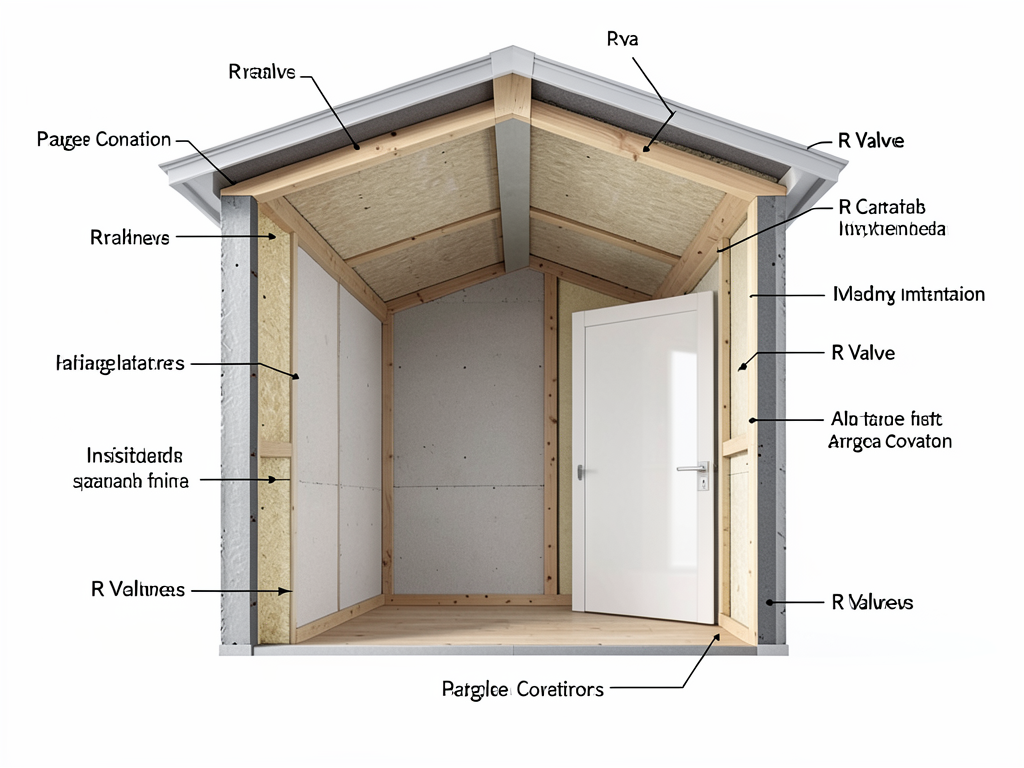
Before installing any HVAC system your garage needs proper insulation. Atlanta building codes require specific R-values for converted spaces:
- Walls: R-13 to R-15
- Ceiling: R-30 to R-38
- Garage door: R-8 to R-12
Without adequate insulation even the most efficient HVAC system will struggle to maintain comfortable temperatures. Heat transfers through uninsulated surfaces forcing your system to work overtime.
Common insulation materials for garage conversions include:
- Fiberglass batts for walls and ceiling
- Foam board for garage doors
- Radiant barriers in attic spaces
Proper insulation also helps control noise transfer between the garage and your home’s living areas. This matters if you’re creating a home office guest suite or rental unit.. Read more about Why Your Spare Bedroom Office in Suwanee is Always Five Degrees Hotter Than the Rest of the House.
Building Permits and Regulations in Metro Atlanta
Converting your Gresham Park garage requires permits from DeKalb County or the City of Atlanta depending on your exact location. Mechanical permits specifically cover HVAC installations.
Atlanta follows the Georgia State Minimum Standard Mechanical Code with local amendments. Your HVAC installation must comply with these requirements:
- Proper ventilation rates for occupancy type
- Backdraft prevention on gas appliances
- Condensate drain requirements
- Electrical code compliance for new circuits
Working with licensed HVAC contractors ensures your installation meets all code requirements. DIY installations or work by unlicensed individuals can result in failed inspections fines and potentially unsafe conditions.
Most mechanical permits cost $100-$300 and require inspection at rough-in and final stages. Plan for a 2-4 week permit process before beginning work.
Cost Breakdown for Garage HVAC Installation
Understanding the full cost picture helps you budget appropriately for your Gresham Park garage conversion.
| Component | Typical Cost Range (Atlanta) | Notes |
|---|---|---|
| Mini-split system | $2,800 – $4,200 | 12,000 BTU with installation |
| Extended ductwork | $1,500 – $3,000 | Plus potential main system upgrades |
| PTAC unit | $800 – $2,500 | Installation additional $300-600 |
| Insulation upgrades | $1,200 – $2,500 | Walls ceiling garage door |
| Electrical work | $400 – $1,200 | New circuits and breakers |
| Permits and fees | $150 – $400 | Mechanical and building permits |
Total investment typically ranges from $4,500 to $9,500 depending on your chosen system and existing conditions. Mini-splits often provide the best value considering energy efficiency and installation simplicity.
Energy Efficiency and Operating Costs
Modern HVAC systems offer significant efficiency improvements over older equipment. When sizing your garage conversion system consider both upfront costs and long-term operating expenses.
SEER2 ratings measure cooling efficiency. Higher numbers indicate better efficiency. In Atlanta’s climate systems with SEER2 ratings of 16 or higher typically provide the best return on investment. Variable-speed compressors maintain consistent temperatures while using less electricity than single-speed units.
Operating costs for a properly sized garage conversion system typically range from $30-$60 per month during peak cooling season. This assumes 8-10 hours of daily operation and current Georgia Power rates.
Many utility companies offer rebates for high-efficiency equipment. Georgia Power’s EarthCents program provides incentives for qualifying heat pumps and air conditioners. These rebates can reduce your upfront costs by $200-$600 depending on the equipment selected.
Installation Timeline and Process
Understanding the installation timeline helps you plan your garage conversion project effectively.
Most garage HVAC installations follow this sequence:
- Initial assessment and load calculation (1-2 days)
- Permit acquisition (2-4 weeks)
- Equipment ordering and delivery (1-2 weeks)
- Installation (1-3 days depending on system type)
- Inspection and final approval (1-2 days)
Weather can impact installation schedules particularly during Atlanta’s summer thunderstorm season. Most contractors can complete installations within 2-3 weeks of receiving permits and equipment.
During installation expect some disruption to your daily routine. Ductless mini-splits require minimal construction while ductwork modifications may involve cutting into walls or ceilings. Professional contractors use drop cloths and clean up thoroughly after completing work.
Maintenance Requirements
Proper maintenance ensures your garage HVAC system operates efficiently for years to come. Different system types have varying maintenance needs. The Only HVAC Maintenance Plan Dunwoody Homeowners Actually Need.
Mini-split systems require:
- Filter cleaning every 2-3 months
- Coil cleaning annually
- Checking refrigerant levels every 2 years
- Drain line inspection to prevent clogs
Extended ductwork systems need:
- Regular filter changes (every 1-3 months)
- Duct cleaning every 3-5 years
- Leak checks at connections
- Blower motor maintenance
PTAC units require:
- Filter cleaning monthly
- Coil cleaning twice yearly
- Seal inspection around unit
- Thermostat calibration
Many Atlanta homeowners schedule professional maintenance twice yearly typically in spring before cooling season and fall before heating season. This preventive approach catches small issues before they become expensive repairs.
Making the Right Choice for Your Gresham Park Home
Selecting the best HVAC solution for your garage conversion depends on several factors specific to your situation. Consider your budget intended use of the space and long-term plans for your home.
If you’re creating a rental unit or guest suite mini-splits offer the best combination of efficiency comfort and minimal disruption to your existing home systems. For occasional use as a home gym or workshop a PTAC unit might provide adequate performance at lower upfront cost.
Professional HVAC contractors in Gresham Park understand local building codes climate challenges and the specific needs of Atlanta’s historic neighborhoods. They can provide detailed assessments and help you navigate the permit process while ensuring your installation meets all safety and efficiency standards.
Remember that proper sizing isn’t just about cooling capacity. It’s about creating a comfortable healthy environment that adds value to your home while managing Atlanta’s unique climate challenges. Taking time to get it right pays dividends in comfort efficiency and peace of mind for years to come.
Frequently Asked Questions
Can I use my existing HVAC system for my garage conversion?
Most existing HVAC systems lack the capacity to handle additional garage space. Adding unconditioned area typically requires 15-25% more cooling capacity than your current system provides. Professional load calculations determine if your existing equipment can handle the additional load or if system upgrades are necessary.
How long does a garage HVAC installation take?
Actual installation typically takes 1-3 days depending on system type. However the complete process including permits equipment ordering and inspections usually spans 2-4 weeks. Mini-splits install fastest while extensive ductwork modifications take longer.
What size mini-split do I need for a standard two-car garage?
Most two-car garages in Atlanta require 12,000-18,000 BTU mini-split systems. The exact size depends on insulation levels window area and local climate conditions. Professional load calculations using Manual J methodology provide the most accurate sizing recommendations.
Are permits required for garage HVAC installation?
Yes mechanical permits are required for all HVAC installations in Atlanta and DeKalb County. These permits ensure your system meets local building codes and safety standards. Permit costs typically range from $100-$300 and require inspections at rough-in and final stages.
How much does it cost to cool a garage conversion in Atlanta?
Operating costs typically range from $30-$60 per month during peak cooling season for a properly sized system. This assumes 8-10 hours of daily operation. Actual costs depend on system efficiency insulation quality and local electricity rates. For more information, visit U.S. Department of Energy – Air Conditioning.
You may also find this helpful. The best ways to cool a home gym or hobby room in Bolton.
You may also find this helpful. How to Claim Federal Tax Credits for New HVAC Installations in Scottdale.
{
“@context”: “https://schema.org”,
“@type”: “BlogPosting”,
“headline”: “How to Properly Size an HVAC Unit for a Gresham Park Garage Conversion”,
“description”: “Learn how to properly size HVAC units for Gresham Park garage conversions. Get expert advice on BTU calculations, system types, and Atlanta climate considerations.”,
“wordCount”: 1871,
“datePublished”: “2026-06-04T15:48:00.000Z”,
“dateModified”: “2026-06-04T15:48:00.000Z”,
“inLanguage”: “en-US”,
“mainEntityOfPage”: {
“@type”: “WebPage”,
“@id”: “https://summithvacatlanta.com”
},
“publisher”: {
“@type”: “LocalBusiness”,
“name”: “Summit HVAC Atlanta”,
“url”: “https://summithvacatlanta.com”
},
“author”: {
“@type”: “Organization”,
“name”: “Summit HVAC Atlanta”,
“url”: “https://summithvacatlanta.com”
},
“image”: {
“@type”: “ImageObject”,
“url”: “https://summithvacatlanta.com/wp-content/uploads/2026/03/how-to-properly-size-an-hvac-unit-for-a-gresham-pa-1.png”
}
}
{
“@context”: “https://schema.org”,
“@type”: “HVACBusiness”,
“name”: “Summit HVAC Atlanta”,
“url”: “https://summithvacatlanta.com”,
“address”: {
“@type”: “PostalAddress”,
“addressLocality”: “Atlanta”
},
“areaServed”: {
“@type”: “City”,
“name”: “Atlanta”
}
}
{
“@context”: “https://schema.org”,
“@type”: “FAQPage”,
“mainEntity”: [
{
“@type”: “Question”,
“name”: “Can I use my existing HVAC system for my garage conversion?”,
“acceptedAnswer”: {
“@type”: “Answer”,
“text”: “Most existing HVAC systems lack the capacity to handle additional garage space. Adding unconditioned area typically requires 15-25% more cooling capacity than your current system provides. Professional load calculations determine if your existing equipment can handle the additional load or if system upgrades are necessary.”
}
},
{
“@type”: “Question”,
“name”: “How long does a garage HVAC installation take?”,
“acceptedAnswer”: {
“@type”: “Answer”,
“text”: “Actual installation typically takes 1-3 days depending on system type. However the complete process including permits equipment ordering and inspections usually spans 2-4 weeks. Mini-splits install fastest while extensive ductwork modifications take longer.”
}
},
{
“@type”: “Question”,
“name”: “What size mini-split do I need for a standard two-car garage?”,
“acceptedAnswer”: {
“@type”: “Answer”,
“text”: “Most two-car garages in Atlanta require 12,000-18,000 BTU mini-split systems. The exact size depends on insulation levels window area and local climate conditions. Professional load calculations using Manual J methodology provide the most accurate sizing recommendations.”
}
},
{
“@type”: “Question”,
“name”: “Are permits required for garage HVAC installation?”,
“acceptedAnswer”: {
“@type”: “Answer”,
“text”: “Yes mechanical permits are required for all HVAC installations in Atlanta and DeKalb County. These permits ensure your system meets local building codes and safety standards. Permit costs typically range from $100-$300 and require inspections at rough-in and final stages.”
}
},
{
“@type”: “Question”,
“name”: “How much does it cost to cool a garage conversion in Atlanta?”,
“acceptedAnswer”: {
“@type”: “Answer”,
“text”: “Operating costs typically range from $30-$60 per month during peak cooling season for a properly sized system. This assumes 8-10 hours of daily operation. Actual costs depend on system efficiency insulation quality and local electricity rates. For more information, visit U.S. Department of Energy – Air Conditioning.”
}
}
]
}
{
“@context”: “https://schema.org”,
“@type”: “BreadcrumbList”,
“itemListElement”: [
{
“@type”: “ListItem”,
“position”: 1,
“name”: “Home”,
“item”: “https://summithvacatlanta.com”
},
{
“@type”: “ListItem”,
“position”: 2,
“name”: “Blog”,
“item”: “https://summithvacatlanta.com/blog”
},
{
“@type”: “ListItem”,
“position”: 3,
“name”: “How to Properly Size an HVAC Unit for a Gresham Park Garage Conversion”
}
]
}
{
“@context”: “https://schema.org”,
“@type”: “Service”,
“serviceType”: “HVAC”,
“provider”: {
“@type”: “LocalBusiness”,
“name”: “Summit HVAC Atlanta”,
“url”: “https://summithvacatlanta.com”
},
“areaServed”: {
“@type”: “City”,
“name”: “Atlanta”
},
“description”: “Learn how to properly size HVAC units for Gresham Park garage conversions. Get expert advice on BTU calculations, system types, and Atlanta climate considerations.”
}